An AI nightmare video generator creates short horror or surreal video clips from text descriptions of unsettling scenes—shadowy corridors, distorted interiors, haunted forests, or dreamlike visuals. You describe the atmosphere, motion, and mood, then generate and review the result.
AI Nightmare Video Generator
Shadow figure in a corridor
Input
A tall shadowy figure standing at the end of a dimly lit hospital corridor, fluorescent lights flickering, slow breathing sound, camera slowly zooms in
Expected output
A dark hallway scene with a vague humanoid shape near the far wall, lights pulsing at uneven intervals, camera moving steadily forward
Surreal melting room
Input
A Victorian sitting room where the walls ripple like water, a grandfather clock bends sideways, portrait paintings drip down the wall, slow rotation camera
Expected output
A distorted interior scene with warped furniture and flowing walls, surreal slow-motion visuals, painterly lighting
Haunted forest at night
Input
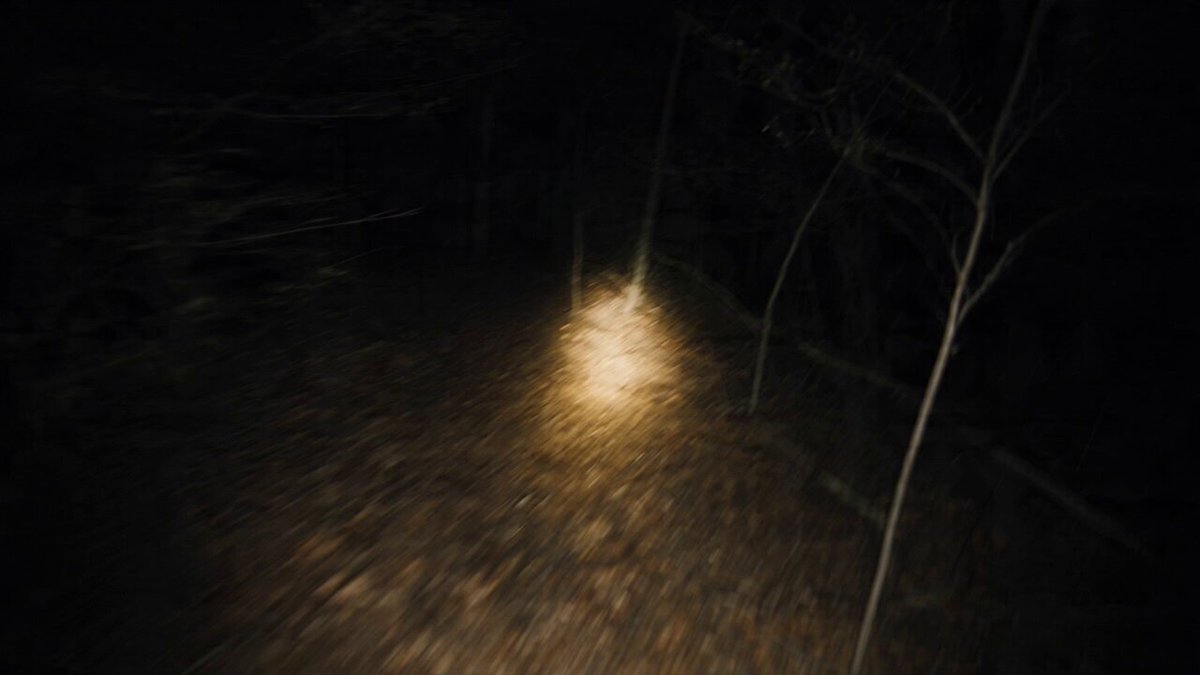
Dense fog drifting through a dead forest at midnight, twisted bare branches, faint glowing pairs of eyes between the trees, low-angle tracking shot
Expected output
A misty woodland scene with skeletal trees, small dots of light in the deep background, atmospheric darkness and slow camera movement
Create short horror or unsettling video clips from text descriptions of nightmare scenes
Express dark concepts visually
Convert unsettling story ideas into moving clips without storyboarding or filming.
Skip expensive production
Avoid CGI, location shoots, and actors for nightmare-themed content by describing the scene directly.
Iterate on mood fast
Adjust the description of lighting, motion, and setting to find the right atmosphere in minutes, not days.
How It Works
1
Describe your nightmare scene
Describe the desired scene and motion.
2
Adjust the generation settings
Choose the available generation settings.
3
Review and download
Generate, review, and download a suitable result.
Tips for nightmare scene prompts
Focus on mood and motion to get the most out of your prompt.
Input Constraints
Avoid explicit gore or real violence in your prompt.
Keep descriptions grounded in visual and motion cues.
Do not use real people's names or likenesses without permission.
Practical Tips
Lead with the setting and lighting to establish atmosphere.
Add camera movement direction for cinematic results.
Describe pacing — fast cuts for shock, slow zooms for dread.
Use sensory words like flickering, crawling, dripping for texture.
Test short prompts first, then layer in details.
Privacy
Do not upload personal or sensitive material unless you have permission to use it.
Usage Rights
Confirm that you have the rights needed for the inputs and intended use of the result.
Prompt recipes
Copy a structure, then adjust the subject, lighting, camera, and output details for your own result.
Abandoned asylum hallway with flickering lights
A long, narrow hallway in an abandoned psychiatric hospital. Peeling green paint on the walls. Overhead fluorescent lights flicker on and off at irregular intervals. A wheelchair sits tilted against the left wall. Camera moves forward slowly, footsteps echoing. Cold blue-gray lighting.
The institutional setting and flickering lights create immediate dread. The wheelchair adds a human touch without showing a person. Slow forward motion builds tension.
Child's bedroom with moving shadows
A child's bedroom at night. A single nightlight casts dim orange light on toy-covered shelves. Long shadows stretch across the walls and ceiling, moving independently of any light source. A rocking horse in the corner rocks slowly on its own. Camera holds steady from the doorway. Silence except for the creak of the rocking horse.
The innocent bedroom setting contrasts with the moving shadows and unexplained motion. Holding the camera still makes the movement more unsettling.
Mirror reflection that doesn't match
A bathroom mirror above a sink. The camera faces the mirror from the viewer's perspective. The reflection shows the same bathroom, but the figure in the reflection moves a half-second behind the camera's motion. Harsh white overhead light. The reflection's eyes are darker than they should be. Camera leans in slowly.
The delayed reflection breaks the expected synchronization. The detail about the eyes adds subtle wrongness. The slow lean increases unease.
Fog-covered lake with figure in the distance
A still lake at dawn. Thick fog blankets the water. A dark figure stands waist-deep in the lake, thirty meters from shore, motionless. The figure's head is tilted at an unnatural angle. Camera pans slowly from left to right, pausing on the figure. Gray-blue pre-dawn light. Complete silence.
The motionless figure and unnatural head angle create discomfort. The slow pan and pause force the viewer to linger on the figure. Silence amplifies the tension.
Stairwell descent with growing darkness
A concrete stairwell spiraling downward. Dim yellow bulbs on each landing. As the camera descends, each landing grows darker, and the stairs narrow. Wet footprints appear on the steps ahead, but no one is visible. Camera moves down steadily, one landing per second. Distant dripping water sound.
The narrowing stairs and growing darkness build claustrophobia. Wet footprints suggest presence without showing a figure. Steady descent maintains momentum.
Kitchen with crawling insects
A 1970s kitchen at night. Avocado-green appliances and faded linoleum floor. Hundreds of black beetles crawl out from under the refrigerator, spreading across the floor and up the walls. A single bare bulb swings slowly overhead, casting moving shadows. Camera tilts down from the bulb to the floor as the beetles spread. Buzzing sound grows louder.
The mundane kitchen setting makes the insect invasion more visceral. The swinging bulb and moving shadows add disorientation. The growing sound intensifies the scene.
Best use cases
Match the workflow to the input you have and the result you need before opening the generator.
Use case
Best input
Expected result
Tool
Horror short film or trailer
Atmospheric scene descriptions with specific lighting, camera movement, and unsettling details
Short clips that establish mood and tension for a horror narrative
Text to Video
Game development concept art
Environment descriptions of haunted locations, enemy encounter setups, or surreal level designs
Visual references for horror game environments or enemy animations
Text to Video
Music video visuals
Dark, moody scene descriptions that match the tone and pacing of a horror-themed track
Eerie video clips that can be edited into a music video or live performance backdrop
Text to Video
Creative writing inspiration
Descriptions of nightmare or surreal scenarios you want to visualize for a story
Moving visuals that help you refine the mood and pacing of a horror scene in your writing
Text to Video
Horror short film or trailer
Input: Atmospheric scene descriptions with specific lighting, camera movement, and unsettling details
Result: Short clips that establish mood and tension for a horror narrative
Tool: Text to Video
Game development concept art
Input: Environment descriptions of haunted locations, enemy encounter setups, or surreal level designs
Result: Visual references for horror game environments or enemy animations
Tool: Text to Video
Music video visuals
Input: Dark, moody scene descriptions that match the tone and pacing of a horror-themed track
Result: Eerie video clips that can be edited into a music video or live performance backdrop
Tool: Text to Video
Creative writing inspiration
Input: Descriptions of nightmare or surreal scenarios you want to visualize for a story
Result: Moving visuals that help you refine the mood and pacing of a horror scene in your writing
Tool: Text to Video
Limitations to know before generating
Generated clips are interpretations of your prompt and may not match your exact mental image.
The tool does not guarantee specific levels of fear, tension, or horror. Effectiveness varies by viewer.
Results depend on how the tool interprets words like 'unsettling,' 'eerie,' or 'disturbing.' Preview before sharing.
Avoid using the tool to create content that violates platform guidelines or applicable laws.
You are responsible for ensuring generated content is appropriate for your intended audience and use case.
Creative Suite: AI Video Generator & AI Image Generator Tools
Power up your creative workflow with our AI-driven tools. Generate stunning videos, create images, and apply custom adjustments - our AI Video Generator and AI Image Generator offer a complete solution for all your creative needs.