This tool demonstrates the text-to-video pipeline. You describe a scene, choose generation settings, and the system produces a video clip you review before download. The workflow itself shows how prompt structure affects output.
AI Video Generator Architecture: Text-to-Video Tool
Architectural walkthrough from text
Input
A modern glass building interior with an open atrium, natural light streaming from above, people walking across the ground floor.
Expected output
A building interior scene with an atrium, light beams, and pedestrian movement
System diagram as a visual scene
Input
A flowing network visualization with connected nodes pulsing in sequence, data streams moving between server racks in a dim data center.
Expected output
A data-center visualization with connected nodes and flowing data streams
Blueprint-to-visual concept
Input
A top-down view of a city block layout with buildings, roads, trees, and small vehicles moving through the grid.
Expected output
A top-down city grid with buildings, trees, and moving vehicles
Generate video clips from text prompts to understand or demonstrate the text-to-video generation workflow
Understand the workflow by using it
The generator follows a clear describe-choose-generate-review pipeline that mirrors the core architecture of text-to-video generation.
See how prompt structure affects output
Experiment with different levels of scene detail and motion cues to observe how the prompt shapes the generated result.
Move from concept to visual in one pass
Describe your scene once and generate a video without needing multiple tools or post-production steps.
How It Works
1
Describe the scene and motion
Describe the desired scene and motion.
2
Choose generation settings
Choose the available generation settings.
3
Generate and review
Generate, review, and download a suitable result.
Writing effective scene descriptions
How to structure prompts that produce useful results.
Input Constraints
Describe both the visual layout and the motion you expect to see
Avoid technical system-architecture jargon – focus on what the viewer would see
Limit each prompt to one continuous scene for a coherent output
Practical Tips
Start with the environment, then add the subjects, then describe the motion
Include lighting cues: 'dim server room', 'bright exhibition hall', 'outdoor daylight'
Mention camera perspective if needed: 'aerial view', 'ground-level angle', 'tracking shot'
Check the generated result and revise the prompt to improve accuracy
Privacy
Do not upload personal or sensitive material unless you have permission to use it.
Usage Rights
Confirm that you have the rights needed for the inputs and intended use of the result.
Prompt recipes
Copy a structure, then adjust the subject, lighting, camera, and output details for your own result.
Layered system explainer
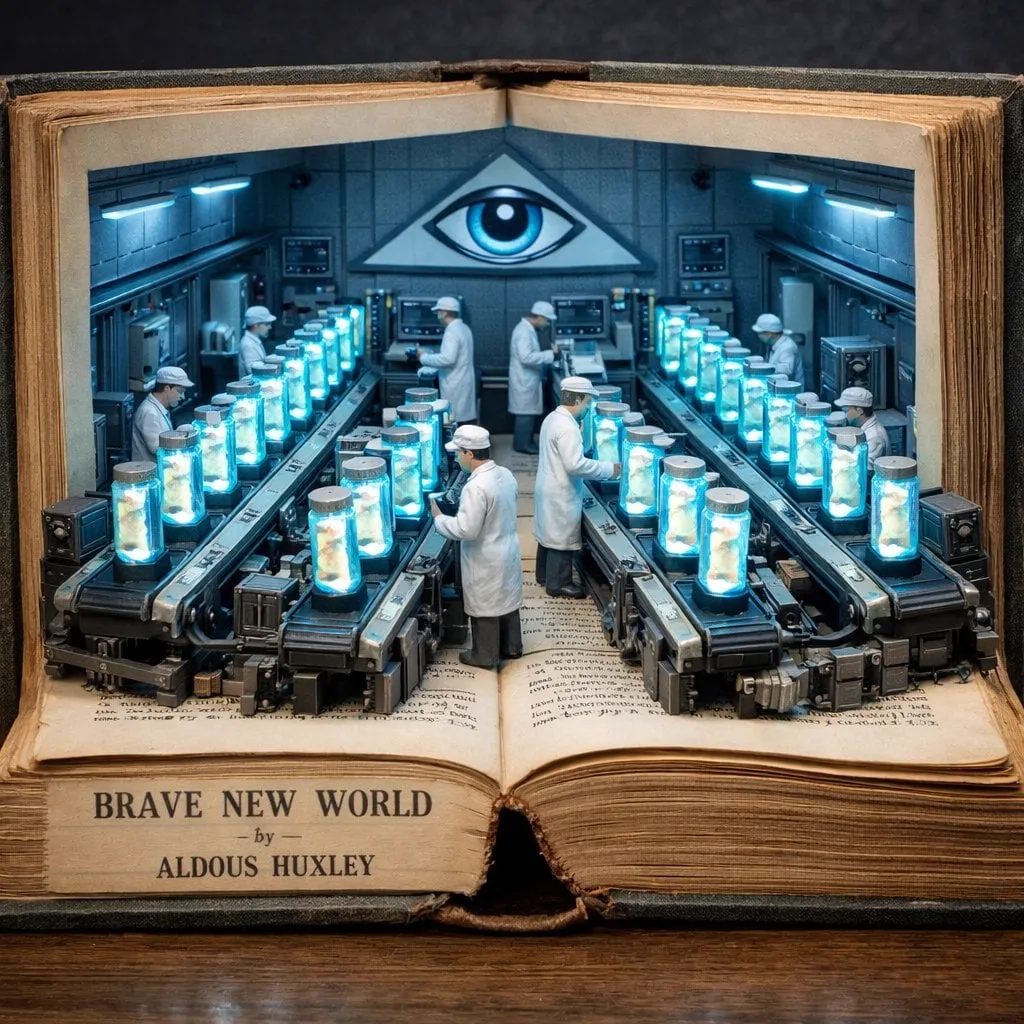
A three-tier architecture diagram with user interface at the top, application logic in the middle, and database at the bottom, glowing data packets flowing downward through each layer, dark tech background with blue accent lights
Visualizes abstract system flow as concrete moving objects, making technical explanations clearer for non-technical audiences.
Data pipeline visualization
A horizontal pipeline with labeled stages: Ingest, Transform, Store, Query, each stage lighting up in sequence as data flows through, server racks in the background, cool industrial lighting
Turns a static architecture diagram into a step-by-step animation that clarifies process order and dependencies.
Microservices network map
An overhead view of a network graph with circular service nodes connected by glowing lines, API calls traveling as light pulses between nodes, some nodes scaling up with duplicates appearing
Shows distributed architecture and communication patterns visually, useful for explaining microservices or event-driven systems.
Cloud infrastructure schematic
A cutaway view of a cloud data center with multiple server racks, virtual machine icons spawning and migrating between racks, network cables glowing as traffic increases, wide camera slowly panning across
Represents cloud resource elasticity and allocation as visible motion, bridging the gap between abstract cloud concepts and physical infrastructure.
AI model training flow
A conveyor belt moving labeled data samples toward a neural network visualization, the network layers lighting up as samples pass through, accuracy meter rising on a screen in the background, clean lab setting
Demystifies machine learning pipeline stages with a factory metaphor, making training workflows accessible to business stakeholders.
Best use cases
Match the workflow to the input you have and the result you need before opening the generator.
Use case
Best input
Expected result
Tool
Explaining technical architecture to non-technical audiences
System description with clear component labels and visible data flow
An animated diagram that shows how parts connect and interact
Layered system explainer or data pipeline prompt with sequential motion
Creating technical presentation visuals
Architecture concept with stages, nodes, or tiers and directional flow
A video slide showing architecture structure and process flow
Microservices network or cloud infrastructure prompt with labeled elements
Demonstrating AI or ML workflows
Workflow description with input, processing, and output stages
A training or inference pipeline visualization with moving data
AI model training flow prompt with conveyor or pipeline metaphor
Learning how text-to-video systems interpret prompts
Simple test prompt with one subject and clear motion
A clip that reveals which parts of your description the tool responded to
Blueprint-to-visual or system diagram prompt with minimal complexity
Explaining technical architecture to non-technical audiences
Input: System description with clear component labels and visible data flow
Result: An animated diagram that shows how parts connect and interact
Tool: Layered system explainer or data pipeline prompt with sequential motion
Creating technical presentation visuals
Input: Architecture concept with stages, nodes, or tiers and directional flow
Result: A video slide showing architecture structure and process flow
Tool: Microservices network or cloud infrastructure prompt with labeled elements
Demonstrating AI or ML workflows
Input: Workflow description with input, processing, and output stages
Result: A training or inference pipeline visualization with moving data
Tool: AI model training flow prompt with conveyor or pipeline metaphor
Learning how text-to-video systems interpret prompts
Input: Simple test prompt with one subject and clear motion
Result: A clip that reveals which parts of your description the tool responded to
Tool: Blueprint-to-visual or system diagram prompt with minimal complexity
Limitations to know before generating
Generated visuals represent concepts, not production-accurate system diagrams; do not use them as technical documentation without review.
Text labels and fine UI details may render inconsistently; verify readability before using in presentations.
The tool creates visual scenes from prompts but does not analyze or validate system architecture correctness.
Motion and timing are interpretive; you may need several iterations to achieve the exact pacing your explanation requires.
Creative Suite: AI Video Generator & AI Image Generator Tools
Power up your creative workflow with our AI-driven tools. Generate stunning videos, create images, and apply custom adjustments - our AI Video Generator and AI Image Generator offer a complete solution for all your creative needs.