
Why AI Video and Animation Belongs in the Marketing Stack
For most product teams, video stopped being a once-a-quarter project and became the default way to explain, demo, and sell. The trouble is that conventional production does not scale. A single polished product film can absorb weeks of scripting, shooting, and post-production, and it is out of date the moment the interface changes. Generative tools changed the economics: a small team can now produce a demo, an explainer, three vertical ad cuts, and several localized versions in the time it once took to book a studio.
The gain is not that automation replaces craft. It compresses the expensive middle, meaning storyboarding, previz, placeholder animation, scratch voice tracks, and versioning, which historically blocked the interesting work and consumed the budget. When that middle collapses, the bottleneck moves back to the part that actually differentiates you: the idea, the claim, and the way the product is positioned.
There is a second, less obvious advantage. Performance in paid social and on landing pages is driven far more by angle diversity than by one perfect edit. Teams that can only afford three cuts test three. Teams that can generate thirty in an afternoon find the framing that resonates, then reinvest in polishing it. AI does not just reduce cost per video; it changes how many bets you are allowed to place.
Animation also solves a problem live action cannot. Software often has no physical form. An abstract feature, such as a permissions model, a data pipeline, or a routing rule, is easier to communicate as a stylized diagram in motion than as a screen recording full of interface noise. AI animation lets you build that visual language without commissioning a motion design studio for every release.
The Production Stack, Layer by Layer
Think of AI video as five layers stacked on top of each other. Each has its own failure modes, and most disappointing results come from skipping a layer rather than from choosing the wrong tool.
Concept and script generation
Language models are strongest at structure. Use them to produce a shot list, not a screenplay. Ask for a one-line promise, three story beats, and a shot list with target durations. Then rewrite in your own voice, because model-written marketing copy has a recognizable flatness that audiences filter out instantly. Keep lengths brutally short: a product demo earns 60 to 90 seconds, an explainer 90 to 120, a vertical ad 15 to 30.
Visual generation and style locking
Generate stills first. Stills are cheap, fast, and easy to compare side by side, while video is expensive to iterate. Build a visual bible, which is a small folder of approved frames defining palette, lighting, lens character, and character design. Reuse the same seed, style reference, and prompt skeleton across shots. If a character changes jacket color between scenes, viewers forgive it in a playful ad and abandon the video in a demo.
Motion: image-to-video, text-to-video, and hybrid
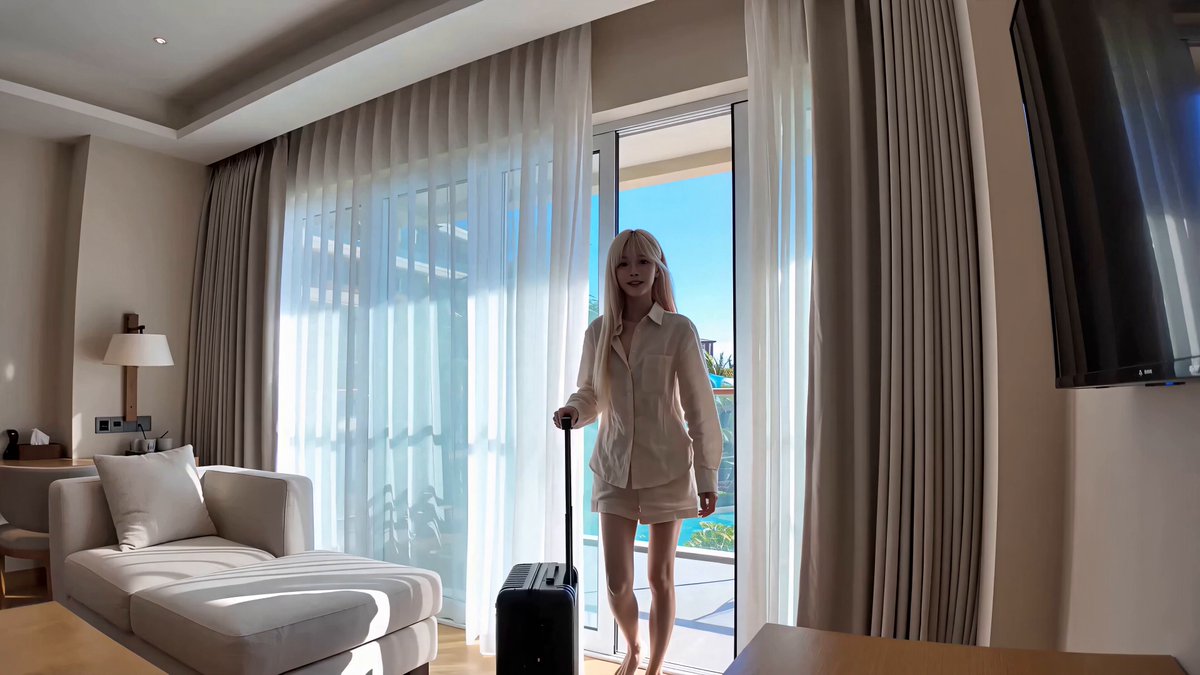
Text-to-video excels at establishing shots, atmosphere, and metaphor. Image-to-video is usually better for product-adjacent motion because you control the first frame and therefore the composition. The hybrid approach works best in practice: generate or design a key frame, animate a three to five second clip from it, then cut. Long single takes are where warping, drifting, and anatomy artifacts appear.
Voice, music, and sound design
Synthetic narration is now good enough for tutorials and internal training, and acceptable for ads when the script is short and conversational. Keep music low under narration, avoid vocal tracks beneath spoken lines, and add foley: clicks, whooshes, UI ticks, soft impacts. Sound is the cheapest way to make generated footage feel deliberate instead of random.
Assembly and versioning
Finish in a conventional editor rather than inside the generation tool. Keep one master timeline, then create variants by swapping the hook, the call to action, and the aspect ratio. Name files by angle and audience rather than by date, so the asset library stays searchable six months later.
Matching Format to Business Goal
Not every product needs the same kind of video, and treating them as interchangeable wastes the biggest advantage of generative tools.
Product demo videos
Show one workflow end to end. Resist the feature tour. Open with the pain or the manual work being replaced, then walk a single user journey with clear on-screen labels. Keep the cursor or hand movement minimal and never show interface states that do not exist in the current build.
Animated explainers
Explainer animation shines for abstract or newly created categories where the customer does not yet have vocabulary. A metaphor carries the first half; the product carries the second. Aim for 90 to 120 seconds and one memorable visual motif that repeats.
Short-form ad creative
The hook lands in the first two seconds, the product appears before second five, and captions are burned in because most mobile viewing happens muted. Produce three to five variants per angle so the platform has something to optimize against.
Onboarding and help content
Short, silent-watchable, and searchable. These clips have a long shelf life and benefit most from automation, because they are updated whenever a menu moves.
| Format | Typical length | Primary metric | Where it lives |
|---|---|---|---|
| Product demo | 60-90s | Qualified demo requests | Website, sales deck |
| Animated explainer | 90-120s | Time on page, recall | Landing pages |
| Short-form ad | 15-30s | Hook rate, CTR | Paid social |
| Help clip | 20-45s | Support ticket deflection | Docs, in-app |
A Step-by-Step Workflow: From Brief to Published File
Step 1: Write the one-sentence brief
If you cannot state the video's single job in one sentence, you will end up with a montage that says nothing. Write it as a claim: this video shows procurement teams how to approve a vendor in under two minutes.
Step 2: Build the shot list before prompting
Create a numbered table with shot, duration, action, on-screen text, and audio. This is the document you will reuse when the product changes, and it keeps generation sessions focused instead of exploratory.
Step 3: Lock the visual bible
Approve six to ten frames before animating anything. Get sign-off from whoever owns the brand, because changing the look after generation means regenerating every clip rather than adjusting a filter.
Step 4: Generate in small, labeled batches
Produce three to five variants per shot and label them by shot number and variant letter. Generate at the highest resolution your workflow can handle, and keep the original files even after export.
Step 5: Edit for rhythm, not for length
Cut to the beat. Hold product interface shots long enough to read, and cut atmospheric shots faster than feels comfortable. Most first assemblies are thirty percent too long, and the fix is almost always trimming the middle rather than the intro.
Step 6: Sound, captions, and delivery
Add narration, then music, then foley in that order. Burn captions or ship a subtitle file. Export in 16:9, 9:16, and 1:1, normalize loudness across all versions, and write an accompanying thumbnail or poster frame.
Prompting Patterns That Survive Real Production
Good prompts describe camera, subject, action, environment, lighting, and duration in plain language. They stay under roughly sixty words, because longer prompts dilute the signal and invite contradictions the model resolves randomly.
Use motion vocabulary the model recognizes: slow push-in, static locked-off frame, handheld drift, orbit, rack focus. Avoid laundry lists of negative instructions; instead, describe the clean version of what you want. Specify aspect ratio and frame rate once in the settings rather than in every prompt.
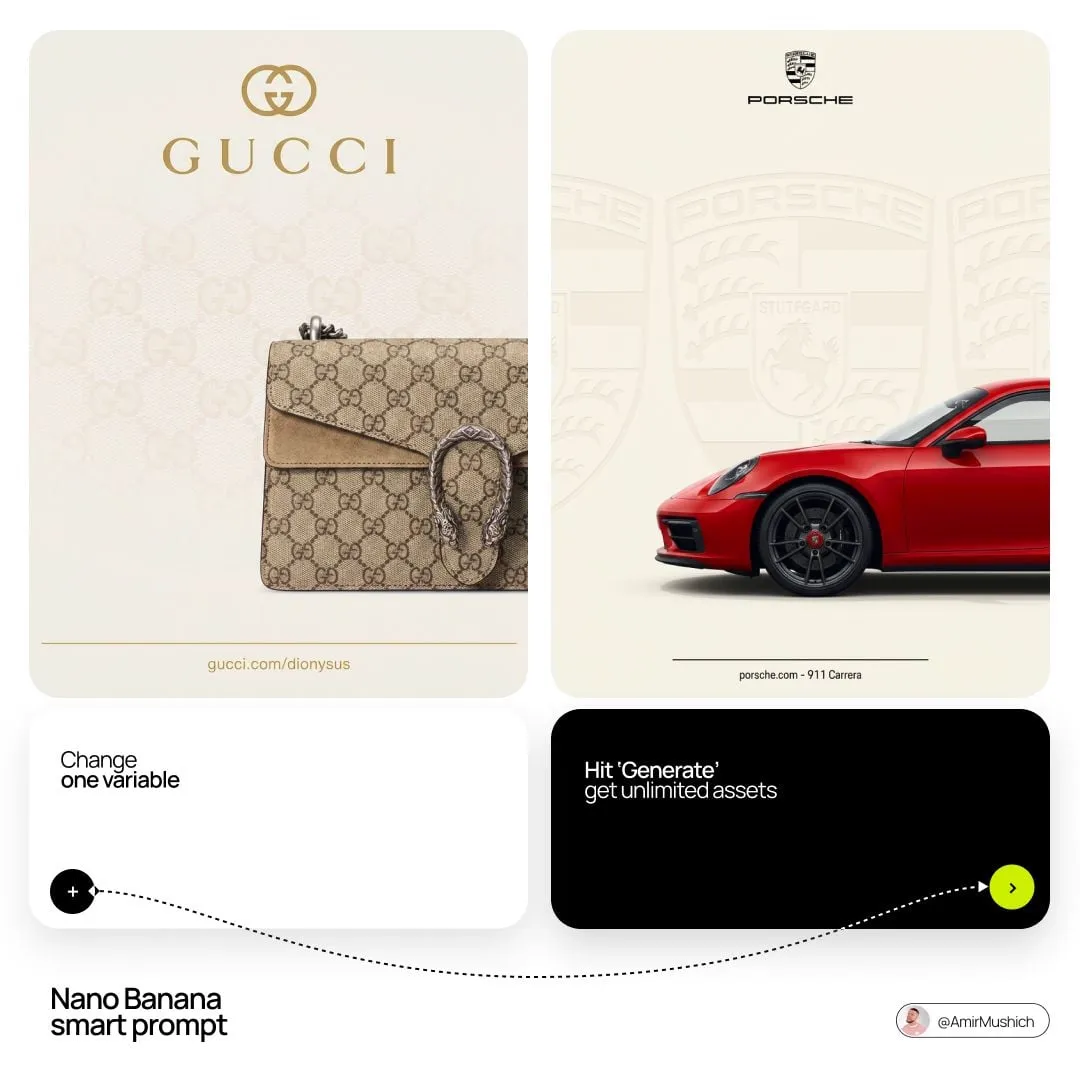
Test one variable at a time. If you change lens, lighting, and wardrobe simultaneously, you learn nothing. Keep a prompt log with the seed, model version, and settings, because a shot you cannot reproduce is a shot you cannot fix.
Finally, respect what models do badly. Hands holding objects, fine text, reflections, and liquids still break easily. Design shots that avoid those elements instead of fighting them, and add a guard phrase such as no readable text in frame when generating backgrounds for later typography.
Consistency, Brand Safety, and Legal Checks
Consistency is a systems problem, not a prompting problem. Maintain a character sheet with reference images, keep a brand kit with exact color and type rules, and place logos in post-production rather than asking a model to render them.
On the legal side, be conservative. Avoid generating recognizable people, protected characters, or trademarked packaging. If you clone a voice, keep a signed release. Check that generated music and sound effects are cleared for commercial use, and store prompt and model records alongside the final files so you can answer questions later.
Disclose synthetic media where regulation, platform policy, or audience expectation calls for it. A short on-screen label rarely hurts performance and protects you if rules change.
Cost, Time, and Team Decisions
Even without quoting specific vendor prices, you can plan the economics sensibly. The dominant cost driver is iteration count, not generation quality, so anything that reduces rejected takes is worth the setup time: a locked visual bible, a shot list, and a prompt log.
A workable time split for a 60-second demo is roughly 40 percent pre-production, 25 percent generation, and 35 percent editing. Skipping pre-production feels faster and reliably produces a worse video in more total hours.
One capable generalist can run this pipeline end to end. A larger team usually splits into a script and art direction owner, a generation operator, and an editor, with a single approver who guards the brand.
Choose your approach based on three questions: how much volume you need, how brand-sensitive the category is, and how fast the product changes. High volume and fast change favor automated templates; high brand sensitivity favors tighter control and more human review.
Common Mistakes That Kill AI Product Videos
The most frequent failure is length. Teams add shots because generation is cheap, then publish a two-minute video where ninety seconds would have performed twice as well.
Second is the false interface. Showing screens that do not exist destroys trust with the exact users you are trying to convert, and it creates support problems later. Record the real product, or stylize it clearly enough that nobody mistakes it for a screenshot.
Third is inconsistency: characters that shift face, buildings that change shape, color that drifts between scenes. Fourth is audio neglect, especially loud music under narration and missing captions.
Fifth is perfectionism. When one shot fails, teams regenerate the entire sequence. Fix the shot. Finally, review every finished video on an actual phone before publishing, with sound off and sound on, because desktop review hides most of what viewers experience.
Measuring Results and Iterating
Judge each format by the metric it can actually move. Short-form ads live or die by three-second retention and click-through rate. Explainers are measured by time on page and assisted conversion. Demos are measured by qualified requests, not raw views.
Keep a simple variant log: hook, format, length, thumbnail, and outcome. After a few rounds, patterns emerge that no single report shows. Watch your own videos frame by frame in the first two seconds; that is where most viewers leave.
Iterate on the hook before you iterate on the whole video, and refresh assets when the interface or the core claim changes. A dated demo does more damage than no demo, because it advertises a product the customer cannot find.
FAQ
How long does the first AI product video take?
A single focused demo usually takes one to three working days for a first version, including pre-production. Once the visual bible and shot list exist, subsequent videos in the same style take hours rather than days.
Do I still need a video editor?
For anything customer-facing, yes. Editing is where rhythm, captions, sound balance, and brand polish happen. Generation tools produce raw material, not finished films.
Can AI animation replace customer testimonials?
No. Real customers carry credibility that generated footage cannot reproduce. Use AI for product explanation and concept visualization, and reserve live footage for trust-building moments.
How do I keep characters and products consistent across shots?
Build a reference set first, reuse the same seed and prompt skeleton, generate stills before motion, and accept that minor drift is normal. Cut away from a character before the model has time to break them.
Is AI-generated video safe to publish commercially?
The workflow itself is fine when you use licensed tools, avoid protected characters and real people's likenesses, clear your music, and disclose synthetic media where required. Keep records of what you generated and with which settings.
How many variants should I ship per campaign?
Three to five per angle is a practical starting range. Enough variety to learn something, few enough that each version gets real review before it goes live.
What is the fastest way to start?
Pick one live help or demo use case with a short runtime, write a one-sentence brief and a five-shot list, and produce it end to end this week. The learning comes from finishing, not from exploring tools.
