

The Director's New Assistant
Every filmmaker knows the challenge: you have a vision in your head, but translating it into concrete shot plans takes hours of storyboarding, location scouting, and endless revisions. AI director assistants are changing this workflow entirely.
These intelligent tools analyze your script, understand narrative intent, and suggest camera angles, lighting setups, and shot compositions — all in minutes rather than days.
How AI Shot Design Works
Script Analysis
The AI reads your scene description and identifies:
- Emotional beats: Where tension rises or falls
- Character dynamics: Who has power in the scene
- Environmental context: How the setting influences the mood
Shot Recommendations
Based on the analysis, the AI suggests:
For dialogue scenes:
- Over-the-shoulder shots for intimacy
- Two-shots for equal power dynamics
- Dutch angles for tension or disorientation
For action sequences:
- Wide establishing shots for geography
- Close-ups for impact
- Tracking shots for movement
For emotional moments:
- Slow push-ins for revelation
- Pull-backs for isolation
- Soft focus for vulnerability
The Cinematographer's Toolkit
Camera Movement Presets
Modern AI tools understand cinematic language:
- Dolly zoom: Creates the vertigo effect
- Whip pan: Fast transition between subjects
- Crane shot: Grand establishing views
- Steadicam: Smooth following shots
Lighting Suggestions
The AI can recommend:
- Three-point lighting for interviews
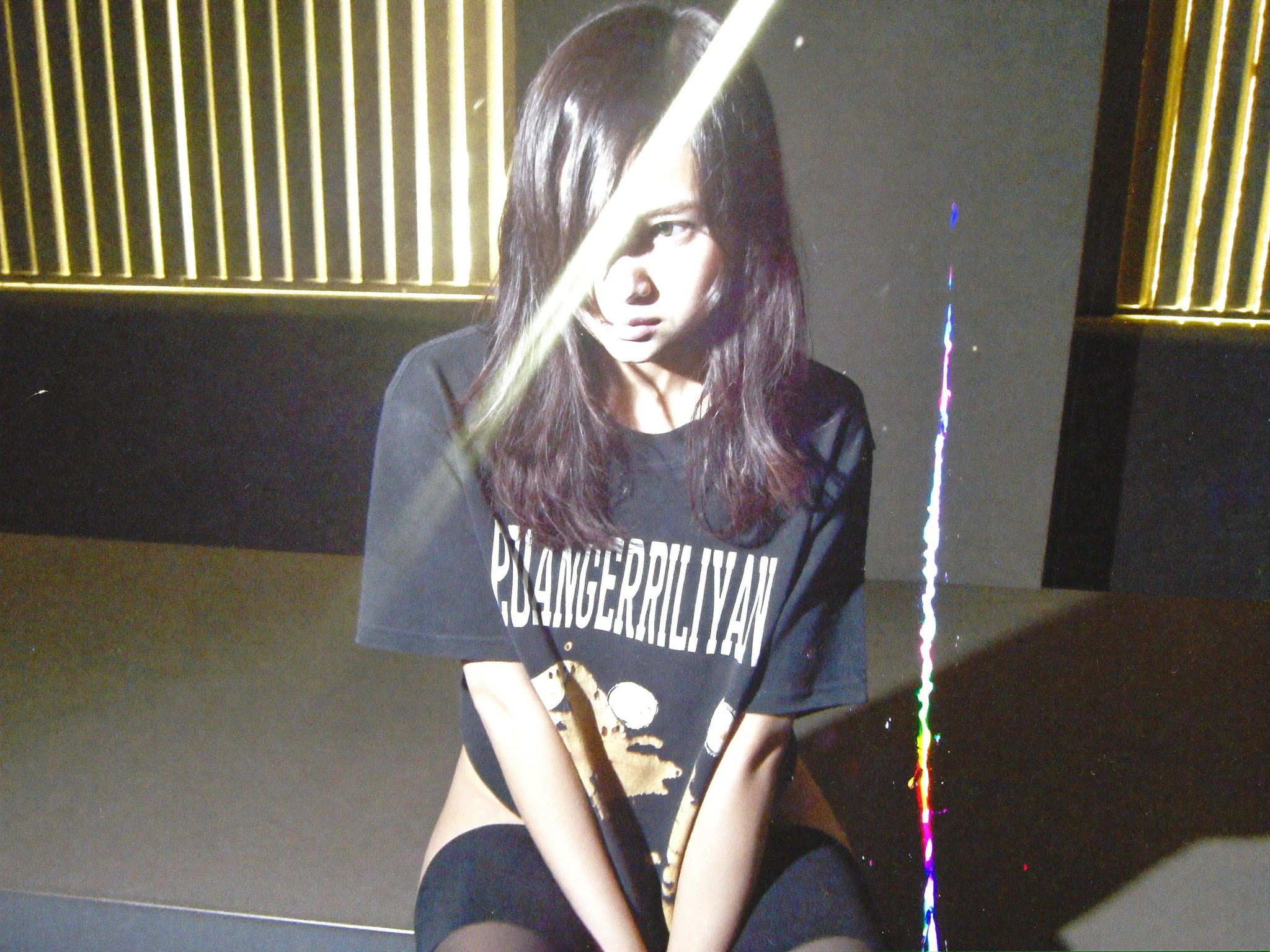
- Rembrandt lighting for dramatic portraits
- Silhouette lighting for mystery
- Natural light simulation for outdoor scenes
Practical Workflow
Step 1: Write Your Scene
Start with a clear description. Include:
- Characters and their emotional states
- Setting and time of day
- Key actions or dialogue beats
- The mood you want to convey
Step 2: Generate Shot Plans
Let the AI propose 3-5 shot options for each beat. Review and select.
Step 3: Create Visual References
Use Domer AI Image Generator to create reference frames for each shot.
Step 4: Animate
Convert your shot plan into actual video using Domer AI Video Generator.
Step 5: Refine
Iterate — replace shots that don't work, adjust timing, fine-tune the edit.
Common Mistakes to Avoid
Over-directing the AI
Give the AI creative freedom within your boundaries. Over-specifying every parameter often produces stiff, unnatural results.
Ignoring Continuity
When generating multiple shots of the same scene, ensure consistent lighting, wardrobe, and set design across all prompts.
Skipping the Human Review
AI suggestions are starting points, not final decisions. Your creative judgment is irreplaceable.
Advanced Techniques
Mood Boards as Input
Instead of text descriptions, feed the AI a mood board of reference images. Tools like Domer can then generate shot designs that match your visual references.
Narrative Arc Mapping
Map your entire story's emotional arc and let the AI suggest how camera language should evolve across the timeline — wider lenses for the opening, tighter for the climax.
Multi-Model Pipelines
Combine specialized models:
- GPT Image 2 for high-quality reference frames
- Seedance 2.0 for fluid character animation
- Traditional editing software for final assembly
The Future of AI-Assisted Directing
- Real-time shot preview: See AI-generated shots as you type scene descriptions
- Voice-directed editing: "Make this scene warmer and move the camera left"
- Full scene generation: Complete sequences with consistent characters and lighting
- Interactive storyboarding: Collaborate with AI on shot design in real time
Start Directing
You don't need a film degree to create cinematic content anymore. Start with Domer, describe your first scene, and watch your vision come to life.
