


Email marketers have spent years optimizing subject lines, send times, and segmentation logic. The next real lever is the content itself, and increasingly that means motion. Generative video tools have moved from novelty to production line, which means a small team can now ship dozens of short, on-brand video variants in the time it once took to storyboard a single one.
That shift creates opportunity and risk in equal measure. A great video lifts click-through and time-on-message. A heavy, badly compressed, or visibly synthetic video drags down deliverability and brand perception at the same time. This guide walks through the full workflow: planning, directing, personalizing, quality-checking, compressing, and measuring AI video for email campaigns.
Why AI video changes the email equation
Email has always been a text-first medium. That is still true. What has changed is how quickly a team can produce the visual asset that sits inside the message, and how many variations of it they can afford to test.
Three practical shifts matter most:
- Production cost collapses for the first draft. A concept that used to need a studio booking can be prototyped in an afternoon. You still need a human to judge whether the result is good, but the barrier to trying is much lower.
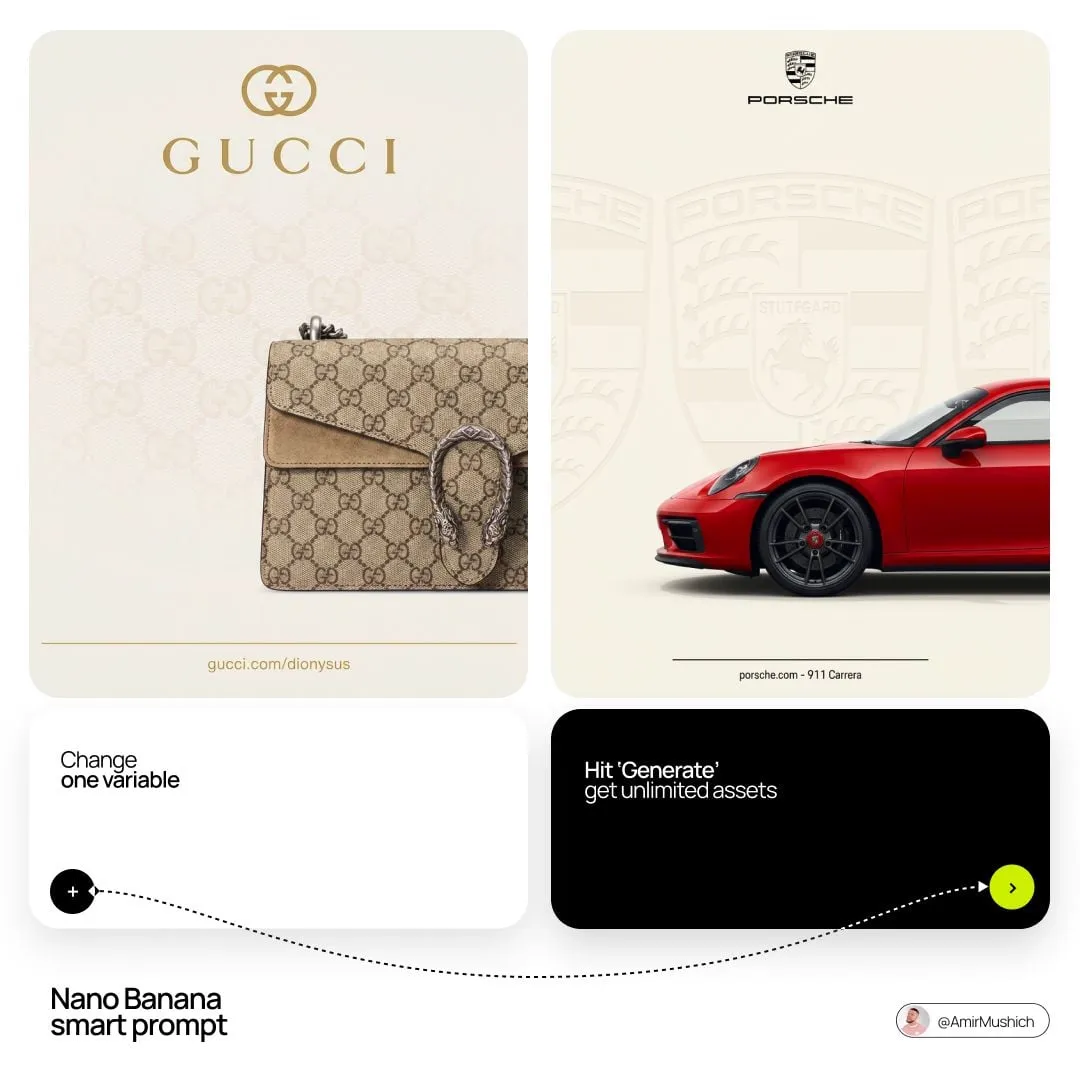
- Variation becomes cheap. Instead of one hero animation for the whole list, you can build a base scene and swap the product, the color treatment, the setting, or the on-screen message for different segments.
- Iteration speed beats polish. Email is a fast-turnaround channel. A decent video that ships this week and gets tested will consistently outperform a perfect video that ships next quarter.
What has not changed is the constraint. Email clients are conservative. Most strip embedded video players, and older or privacy-hardened clients block autoplay media entirely. That single fact shapes the entire workflow, so build around it from the start rather than discovering it the week of launch.
The production pipeline: from brief to inbox
A reliable AI video pipeline for email has six stages. Skipping any one of them shows up later as rework.
- Brief. Define the single action you want the reader to take, the length, the aspect ratio, and the brand constraints.
- Script and shot list. Write the message as three to five beats, then translate each beat into a visual.
- Generation. Produce base footage for each shot, usually several takes per shot.
- Assembly. Cut, pace, and time the sequence. Add any text overlay in post, not inside the generated frames.
- Compression and export. Produce the animated preview that will actually appear in the inbox.
- Deployment. Host the full video, wire the thumbnail, set the fallback, and schedule the test.
The stage teams most often underestimate is assembly. Generation gives you raw material. Assembly is where pacing decides whether anyone watches to the end.
Writing briefs and prompts that produce usable footage
A weak prompt produces footage that looks impressive in isolation and useless in context. The fix is to treat the prompt like a creative brief, not a slot machine pull.
Include the constraints that matter to the edit
State these explicitly in every prompt:
- Shot type and framing. Wide establishing shot, medium two-shot, macro detail, slow push-in.
- Subject and action. One subject, one action, one direction of movement.
- Lighting and mood. Soft daylight, high-key studio, moody rim light, clean flat e-commerce lighting.
- Camera behavior. Locked off, slow dolly left, handheld drift, overhead top-down.
- Aspect ratio and safe zones. If the final asset is vertical, generate vertical and keep the subject away from the top and bottom edges.
- What to avoid. Brand names you have no rights to, logos, dense typography, fast cuts, complex crowds.
Keep generated text out of the frame
Image and video generators still struggle with typography. Letters smear, kerning drifts, and words change between frames. The practical rule: generate clean plates with no text, then add copy during assembly in your editor or in the email template itself.
This also makes localization trivial. One clean plate can carry a dozen different text overlays for different regions or segments without regenerating a single frame.
Direct in beats, not in minutes
For email, the useful unit of generated video is the beat, not the finished piece. Produce two-second to four-second clips that each carry one idea. You gain flexibility to reorder, shorten, or swap a beat later, and you avoid the uncanny long-take drift that plagues extended generations.
Personalization: from segments to individual variants
Personalization in email has three tiers, and AI video becomes valuable at the second and third.
Tier one: merge fields
First name in the greeting, company name in the body. Cheap, familiar, and now more or less expected. Video does not help much here, apart from a welcome clip with a personalized title card.
Tier two: segment-level creative
The message body, imagery, and video change based on a segment: new subscriber versus repeat buyer, trial user versus paid, cart abandoner versus browser. This is where AI video pays for itself. Build one base scene and produce four to six variants by swapping the product, the outcome shown, or the visual setting.
Tier three: behavioral and catalog-driven variation
Here the video references something specific: the item left in a cart, the plan the user is on, the last category they browsed. Full per-person rendering is usually more trouble than it is worth, but rendering eight to twelve variants driven by product category captures most of the lift.
Keep the personalization proportionate
Overt personalization unsettles people when it reveals how much you know. A video that shows a specific product the reader viewed is helpful. A video that narrates their browsing history back to them is not. Stick to data the reader would expect you to have.
Building a variant matrix without losing control
Variation multiplies fast. Five segments times three hooks times two lengths is thirty assets before you have tested anything. Structure prevents chaos.
Use a simple matrix:
- Rows: audience segments, capped at four to six.
- Columns: the variable you are actually testing, usually one of hook, length, or visual treatment.
- Cells: one assembled asset, named with a consistent convention such as segment_variant_version.
Hold everything else constant. If you change the hook, the pacing, and the visual style in the same test, you learn nothing about which one moved the number.
A naming convention sounds bureaucratic until the first time you cannot identify which file went to which segment. Build it on day one.
Quality control before you hit send
A five-minute review catches almost every embarrassing AI artifact. Run this checklist on every asset:
- Anatomy and physics. Hands, teeth, jewelry, fabric folds, reflections, and liquid behavior. Generation errors cluster here.
- Frame-to-frame stability. Watch at quarter speed. Backgrounds should not breathe or reorganize between frames.
- Brand fidelity. Colors, logo treatment, and typography should match the rest of your email, not just look plausible.
- Text legibility. Overlay copy must survive at phone size. If you cannot read it on a small screen, neither can your audience.
- First frame. Many clients show a still until the reader interacts. Make frame one a strong, self-explanatory image.
- Silence. Assume no audio. If the message needs sound to make sense, it is not ready.
- Landing continuity. The video promises something. The landing page must deliver exactly that.
Deliverability, file weight, and rendering across clients
The technical side of email video is where good creative goes to die. Handle it deliberately.
Assume the player will not run
Most clients do not execute embedded video. Design the message so the video preview carries the idea on its own, with a clear play affordance and a linked destination for the full clip. The preview is the ad for the video, not a replacement for it.
Watch the weight
Animated previews work best under roughly one megabyte, and smaller is better. Long, high-frame-rate GIFs are the classic offender: beautiful on a laptop, maddening on mobile data. Trim frames, reduce dimensions, and cut duration rather than degrading quality until the asset turns to mush.
Respect the HTML budget
Some major clients clip messages that exceed roughly a hundred kilobytes of markup. Host video and thumbnails externally, keep the template lean, and avoid stacking multiple animated assets in one message.
Always ship a fallback
Every video element needs a static image alternative for clients that block media or for readers who have images off. This is also your safety net if the animation fails to load.
Protect sender reputation
Video itself does not hurt deliverability. Heavy, image-only, or link-dense messages do, and so do high complaint rates. Keep the text-to-image ratio reasonable, keep the primary call to action singular, and watch spam complaints closely during the first sends of any new video format.
Testing and measurement plan
Without measurement, AI video is an expensive hobby. Build the test before you build the asset.
Choose one primary metric
Pick the metric that matches the job. Awareness messages measure open-to-click. Consideration messages measure click-through to a product page. Conversion messages measure revenue per recipient. Testing two primary metrics at once invites ambiguity.
Always keep a control
Send a plain version of the same message to ten to twenty percent of the list. The comparison tells you whether the video helped or whether the segment was simply warm that week.
Mind the sample size
Small lists produce noisy results. If a segment has a few hundred recipients, aggregate across sends and compare format performance over a month rather than declaring a winner from one campaign.
Track secondary signals
Unsubscribe rate, spam complaint rate, and time-to-first-click all move when creative changes. A lift in clicks paired with a jump in complaints is not a win.
Log what you learn
Keep a running document of which hooks, lengths, and visual styles performed. After three months you will have a genuine playbook rather than a folder of files.
Common mistakes that flatten results
- Generating too many variants before testing one. Ship two, learn, then scale.
- Falling in love with a shot. The 30-second cinematic intro is almost always the wrong choice for a cold audience.
- Embedding text in generated video. It will corrupt and it will block localization.
- Ignoring mobile. Most email opens happen on a phone. Review every asset at actual phone size.
- Skipping compression. A four-megabyte preview is a deliverability and engagement tax.
- Mismatching the landing page. If the video shows a blue variant and the landing page opens on red, you lose the click you paid for.
- Sending the same clip to everyone forever. Rotate creative on a schedule so repeat readers do not see the same six seconds every week.
A practical first-month plan
Start smaller than feels ambitious. One base scene, three beats, four segments, two hooks.
Week one: brief, script, and generate plates. Week two: assemble variants and run the internal review checklist. Week three: send to the most engaged segment with a control group at twenty percent. Week four: analyze, keep what worked, and rebuild the losing variant rather than the whole concept.
That cadence produces roughly sixteen tested assets in a month with a two-person team, which is more learning than most marketing departments generate in a quarter.
FAQ
Do email clients actually play video?
Rarely. Most strip or ignore embedded players. The reliable approach is an animated preview that links to a hosted page, plus a static fallback image.
Can AI-generated video hurt deliverability?
Not directly. Problems come from oversized files, image-heavy templates, link density, and high complaint rates. Keep assets light, keep the call to action focused, and monitor complaints during early sends.
How long should an email video be?
Six to twelve seconds for a preview. The hosted full version can run longer, but assume most readers never leave the inbox.
Do I still need a human editor?
Yes, for assembly and judgment. Generation handles raw material; pacing, brand fit, and the decision about what gets cut are still human calls.
How many variants should I test at once?
Two, with one variable between them. Scale after you know which variable matters.
What about brand voice?
Lock a short style guide: color values, typography, pacing rules, subject framing, banned visual clichés. Feed it into every brief so variants feel like one brand rather than several.
Is AI video appropriate for every audience?
No. Highly regulated industries and some enterprise audiences respond better to restrained, information-first creative. Test before you commit a full quarter of the calendar to it.
Where this leaves email teams
The shift is not that AI replaces the creative process. It is that the cost of trying an idea has dropped far enough that testing becomes the default rather than a special project. Teams that build a disciplined pipeline, keep a control group, respect the technical limits of the inbox, and rotate creative on a schedule will pull ahead of teams still shipping one static template.
Start with one concept, one clear action, and one honest measurement. Everything else in this workflow scales from there.
