
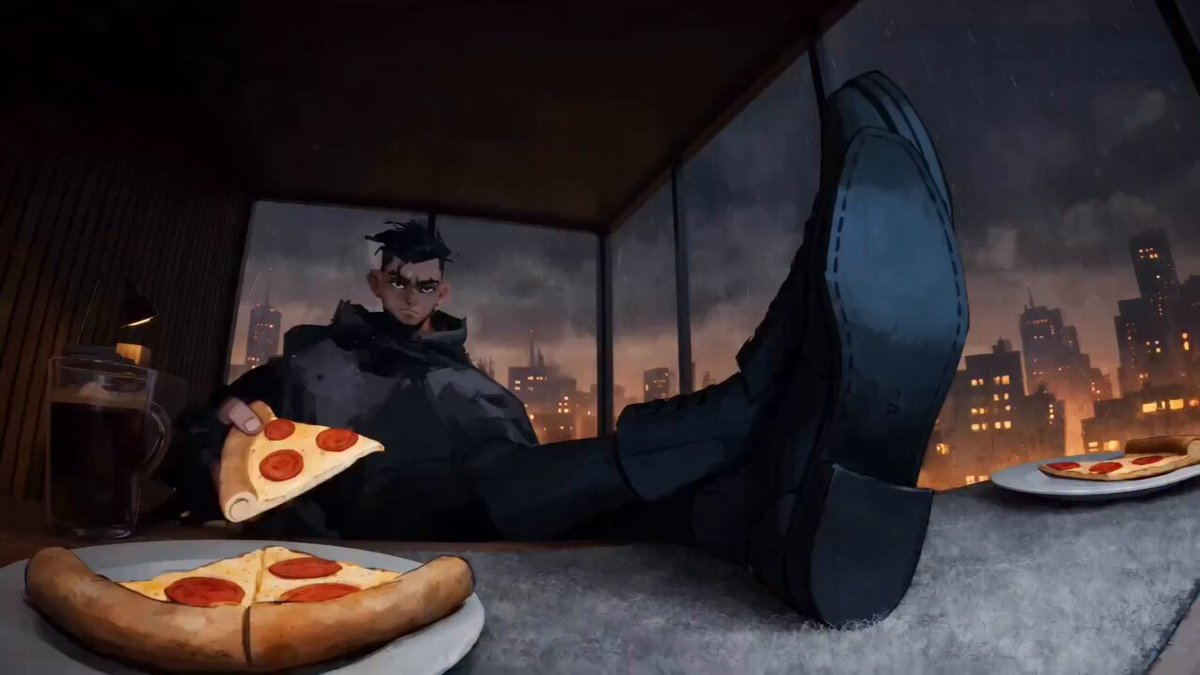
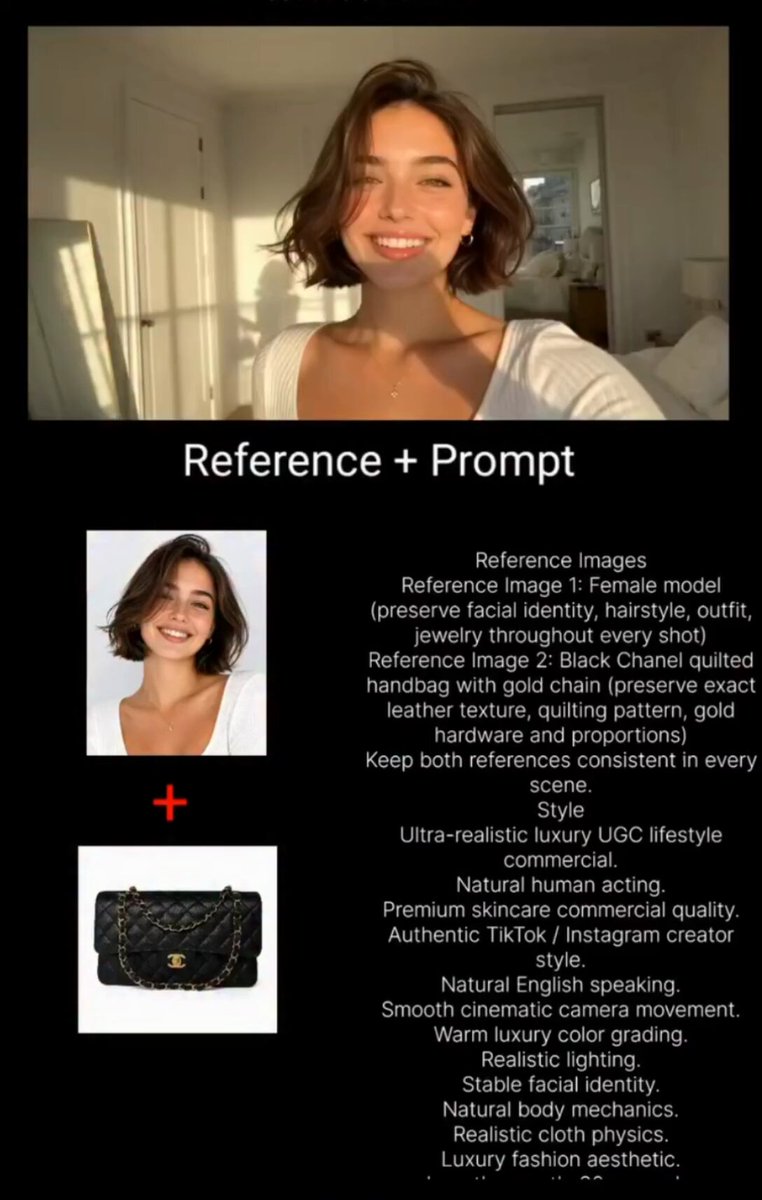
Prompt engineering is the most misunderstood skill in the AI image revolution. Some treat it as a magic phrase system, where a few secret words unlock perfect images. Others dismiss it as obsolete, assuming newer models no longer need careful prompting. The truth is in the middle: modern models are more forgiving than older ones, but the gap between a mediocre image and a great one is still written in the prompt. This guide breaks down the anatomy of strong prompts, then shows how two very different tools, Invoke AI and Midjourney, reward different prompting styles. The goal is not a list of tricks but a mental model you can apply to any tool.
Why Prompt Engineering Still Matters
Text-to-image models have improved dramatically. They understand composition, lighting, and style better than ever. But they are still conditional generators: everything they produce is a response to the input they receive. A vague prompt produces a generic image, because the model has to fill in every unspecified detail with its most probable guess.
The prompt is the only channel through which you express intent. It defines the subject, the style, the mood, the technical constraints, and the things you explicitly do not want. When the model guesses wrong, it is often because the prompt left too much to chance or sent contradictory signals. Prompt engineering is the practice of reducing that ambiguity systematically.
The stakes are practical. In a production workflow, every failed generation costs time and compute. A team that writes disciplined prompts produces more usable images per session, and spends less time fighting the tool. That efficiency compounds across projects.
The Anatomy of a Strong Prompt
Almost every image model, from diffusion-based systems to proprietary platforms, responds to four core elements. Understanding them makes prompt writing predictable instead of mystical.
Command
The command is the highest-level intent: what the image is, at its core. "A portrait of a woman," "a product shot of a sneaker," "an aerial view of a coastal town." The command sets the genre and the primary subject. It should come first and stay simple. If the command is muddled, no amount of style detail will save the image.
Subject
The subject is the specific content of the image, and specificity is what separates strong prompts from weak ones. "A woman" produces a generic woman. "A woman in her thirties with short dark hair, wearing a denim jacket, holding a coffee cup, photographed from the waist up" produces a much more targeted result. The model cannot read your mind, but it can read well-chosen descriptors.
The trick is to describe what matters and leave the rest alone. Every descriptor competes for the model's attention; a prompt with forty adjectives dilutes the important ones. Choose the traits that define the image and drop the rest.
Style
Style is the visual language of the image: art movement, rendering engine, artist reference, lighting scheme, color palette. "Cinematic," "product photography," "watercolor," "cyberpunk" are all style signals. The more specific the style language, the more consistent the look, which matters when you need a series of images that feel like one body of work.
Artist names and engine references are powerful but must be used carefully. They compress a lot of visual information into a short phrase, which is efficient, but they can also lock the image into a narrow aesthetic. Use them when you want that specific look, and avoid them when you want originality.
Technical Parameters
Technical parameters control how the model interprets the prompt: aspect ratio, resolution, sampling steps, guidance scale, seed, and tool-specific flags. They are not decoration. The same prompt with a different aspect ratio produces a different composition, and the same prompt with a different guidance scale produces a different balance between prompt fidelity and creative freedom.
Negative Prompts: What You Don't Want Matters
Every major image model supports some form of negative prompt: a list of things the image should avoid. This is one of the most underused tools in the craft.
The classic negative prompt targets common failure modes: "blurry," "low quality," "extra fingers," "deformed hands," "watermark," "text." These are the artifacts that plague generation and that the positive prompt alone cannot reliably prevent.
The deeper use of negative prompts is creative. If you are generating a clean product shot and the model keeps adding reflections, "reflections" in the negative prompt fixes it. If the model keeps defaulting to a cliché style, negative prompts can push it away from that default. The negative prompt is the tool for saying "not this," which is often as important as saying "this."
Style Control and Aesthetic Consistency
For any project with multiple images, consistency is the real test of prompting skill. A set of images that shares a look feels professional; a set that does not feels like a random gallery.
The technique is to extract the style signals from a reference image and encode them into the prompt. Look at a piece of work you like and identify its components: the lighting direction, the color temperature, the depth of field, the texture. Then describe those components explicitly, using the vocabulary of the tool you are using.
Another technique is to reuse a stable prompt skeleton. Keep the command, subject structure, and technical parameters fixed, and vary only the elements that must change between images. This produces a series with the same visual DNA, which is exactly what brands and editorial projects need.
Invoke AI: Modular Control and Workflows
Invoke AI is built around the Stable Diffusion ecosystem and rewards a very different prompting style than Midjourney. It is a node-based, modular environment where the prompt is one layer of a larger pipeline. The power is not in a single magic prompt but in the workflow around it.
Image-to-Image
Invoke AI excels at image-to-image work: transforming an existing image rather than generating from nothing. The prompt still matters, but it works together with the input image. You can preserve the composition of a photo and restyle it, or keep a character's identity while changing the scene. The prompt describes the transformation, not the entire image.
Inpainting and Outpainting
Inpainting is the surgical tool: you select a region of an image and regenerate only that region. A face that came out wrong, an unwanted object, a background flaw: mask it and fix it. The prompt for inpainting should describe what belongs in the masked area, in the style of the surrounding image. Outpainting extends the image beyond its borders, and the prompt needs to describe what should logically continue there.
ControlNet and Structured Guidance
The most powerful feature of the modular ecosystem is structured guidance: ControlNet and similar extensions use an additional input, such as a pose skeleton, a depth map, or an edge map, to control the composition precisely. When you need a specific pose or layout, the prompt is almost secondary; the structural input does the heavy lifting. This is the professional path to reliable results.
Midjourney: Natural Language and Aesthetic Tuning
Midjourney takes the opposite approach. It is built around natural language prompts and a strong proprietary aesthetic, and it hides most technical controls behind simple parameters. The skill here is learning the tool's language and its aesthetic instincts.
Style Parameters
Midjourney exposes a handful of powerful parameters. The style parameter controls how strongly the model applies its own aesthetic; lower values give more literal prompt adherence, higher values give more stylized, artistic output. The aspect ratio parameter changes composition, and the "no" parameter excludes unwanted elements. The "chaos" parameter controls variation between images in a batch: low chaos for consistency, high chaos for exploration.
The effective workflow is iterative: generate a small batch, inspect the results, then refine the prompt or parameters based on what worked. Midjourney rewards fast iteration and visual judgment over exhaustive description.
Community Strategies
Midjourney has a strong community culture, and much of the craft is social. Studying how experienced users phrase prompts, and how they combine parameters, is one of the fastest ways to improve. The conventions that emerge in the community, such as style reference codes and shared prompt templates, are practical knowledge that no documentation fully captures.
Extending Prompts to Video Models
The same mental model extends to video generation, which has become the fastest-moving part of the ecosystem. Video models such as Sora, Kling, and Hunyuan Video add new prompt dimensions: camera movement, temporal continuity, and scene progression.
A strong video prompt describes not just what the scene contains but how the camera behaves and how the scene evolves. "A slow dolly-in on a character standing in rain, her coat moving in the wind" contains camera, subject, and motion in one sentence. The additional challenge is consistency across frames, which no prompt alone fully solves. Structured references, character sheets, and keyframes are the tools that close the gap, and they work best when the prompt is clear enough to define the scene that the references fill in.
Before-and-After Examples
A weak prompt: "a portrait of a woman in a forest."
The model produces something generic: a woman, a forest, no clear style, no clear mood. It might be fine, but it is a lottery.
A stronger prompt: "Cinematic portrait of a woman in her thirties with short dark hair, wearing a worn leather jacket, standing among foggy pine trees at dusk, soft rim lighting, shallow depth of field, muted green and amber color palette, shot on a 85mm lens."
Now the model has concrete information: subject, wardrobe, environment, time of day, lighting, lens, palette. The result is still not guaranteed, but the space of acceptable outcomes is much larger.
The strongest workflow adds iteration: generate four variants, pick the best, and refine with inpainting for the remaining flaws. Prompt, inspect, fix: that cycle is the actual craft.
Common Mistakes
- Overloading the prompt: forty adjectives that dilute the core subject.
- Ignoring technical parameters: blaming the model for composition problems that the aspect ratio caused.
- Skipping negative prompts: accepting artifacts that one line would have prevented.
- Copying prompts without understanding: templates fail when you do not know which element is doing the work.
- Changing everything at once: when you vary subject, style, and parameters together, you cannot tell what improved.
- Treating one tool like another: Midjourney and Invoke AI reward different habits, and forcing one style onto the other wastes time.
Building a Prompt Library
Experienced prompters do not write every prompt from scratch. They maintain a library: a collection of tested prompt fragments organized by purpose. Style blocks that produce the look you want, subject templates for common scenes, technical parameter sets for different output sizes, and negative prompt presets for recurring artifacts.
The library is a personal asset that improves with use. Every time a prompt works well, save the fragment that did the work, not the whole prompt. Every time a prompt fails, note what went wrong. Over months, the library becomes faster than any external resource, because it encodes your taste, your tools, and your recurring projects.
An Evaluation Rubric for Outputs
Judging your own generations objectively is hard, so use a rubric. For each image, check four things: fidelity to the subject (does it show what you asked), style consistency (does it look like the intended aesthetic), technical quality (sharpness, anatomy, artifacts), and intent (would this work for its purpose). Score each from one to five and only keep outputs that clear your threshold. The rubric turns vague dissatisfaction into specific, fixable problems, and it is the fastest way to improve both your prompts and your judgment.
FAQ
Is prompt engineering still necessary with the newest models?
Yes, but the goal shifted from fighting the model to directing it. Newer models need less correction and more precise intent, which is still expressed through the prompt.
Which tool is better for beginners?
Midjourney has a gentler learning curve and a strong default aesthetic. Invoke AI offers more control but requires more setup and understanding of the pipeline.
How long should a prompt be?
As long as it needs to be, and no longer. Every element should earn its place. Two precise sentences often beat a dense paragraph.
Can I use the same prompt on different tools?
Rarely. Each tool has its own vocabulary, parameters, and aesthetic. Translate intent, not text, when moving between tools.
What is the fastest way to improve?
Build a repeatable loop: small batches, honest evaluation, targeted fixes. The people who improve fastest are not the ones with the best vocabulary but the ones with the most disciplined review process.
How do I know when a generation is good enough?
Apply the rubric: subject, style, technical quality, and purpose. If all four pass and the image serves its use, it is good enough; perfectionism on a throwaway asset wastes time.
Final Thoughts
Mastering AI image prompts is not about memorizing incantations. It is about learning to express visual intent with precision, and learning the personality of each tool. Understand the anatomy of a prompt, use negative space deliberately, keep style consistent across a series, and build workflows around the tool's strengths. Whether you work in the modular world of Invoke AI or the aesthetic world of Midjourney, the same discipline applies: prompt, inspect, refine. Do that consistently, and the images will follow.
