
Introduction
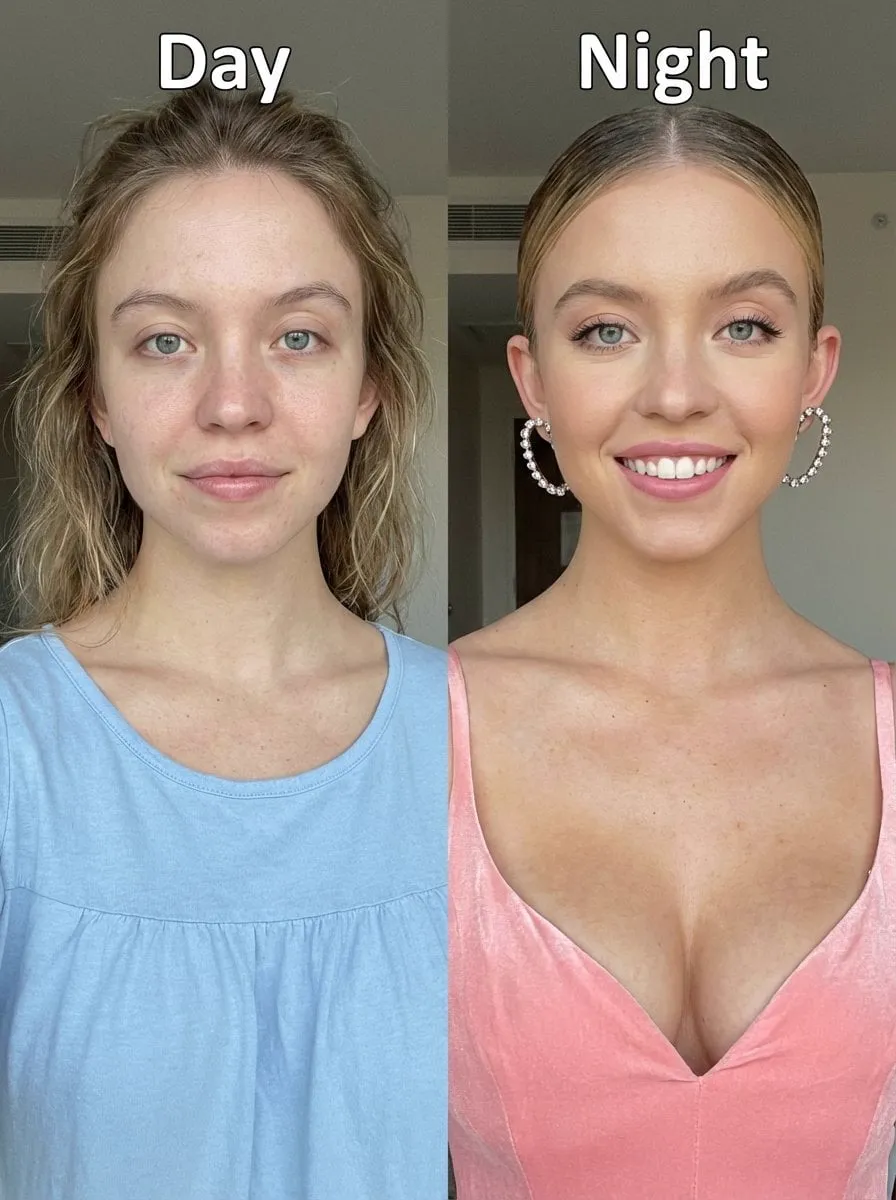
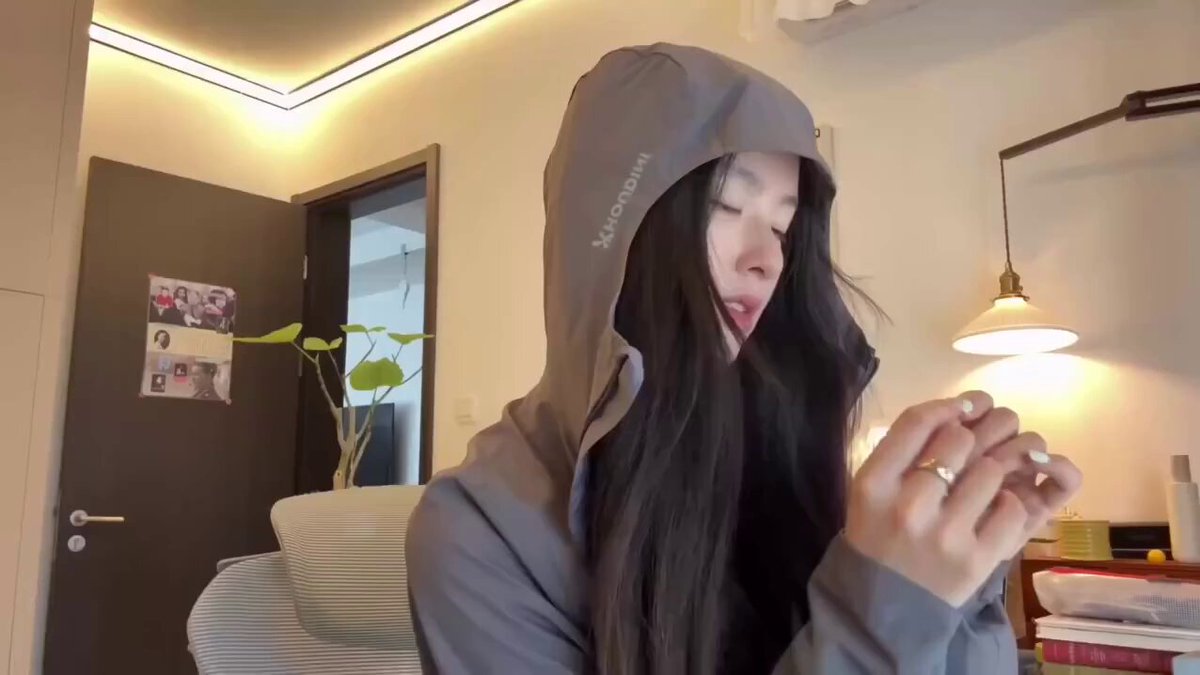
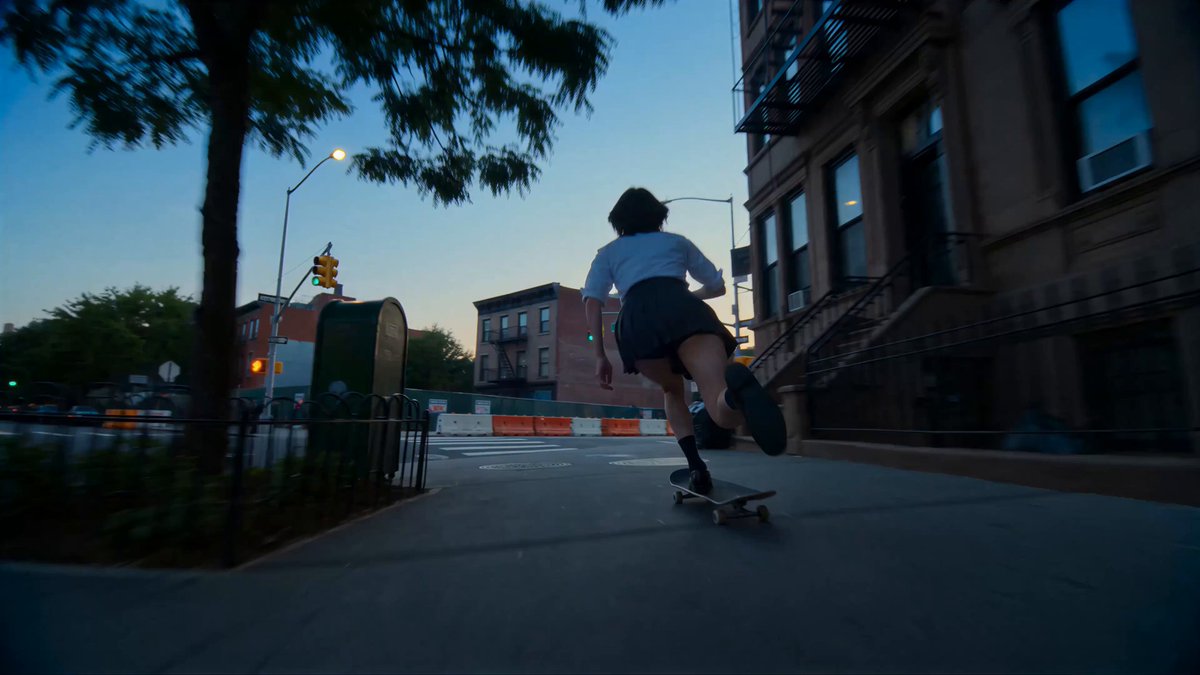
Image-to-video is one of the most exciting developments in AI content creation. Take a single photo, and AI breathes life into it — adding motion, depth, and cinematic flair. But what's happening behind the scenes?
In this article, we'll explore how AI models power this technology and how you can leverage it for your own projects.
How Image-to-Video AI Works
At its core, image-to-video AI uses diffusion models and transformer architectures to predict how a scene would evolve over time. The model analyzes your input image — understanding depth, object boundaries, lighting direction — then generates a sequence of frames that plausibly extend from that starting point.
Modern models can:
- Add realistic camera movement (pan, zoom, dolly)
- Animate elements like water, smoke, hair, and fabric
- Maintain character and object consistency throughout the clip
- Apply cinematic effects like motion blur and depth of field
Best AI Tools for Image-to-Video
Domer AI Video Generator
Domer AI Video Generator offers seamless image-to-video conversion. Upload a photo and get a professional-quality video clip in seconds.
Domer AI Image Generator
Start with a great image. Use Domer AI Image Generator to create stunning base images before converting them to video.
Premium Models
For the best results, pair your workflow with GPT Image 2 for ultra-realistic source images, then use Seedance 2.0 for buttery-smooth motion generation.
Practical Applications
Social Media Content
Turn product photos into eye-catching video ads. A static image of a watch becomes a cinematic close-up with rotating gears and gleaming light reflections.
Photography Portfolios
Bring portfolio images to life. Add subtle motion to landscape shots — clouds drifting, water rippling — to create immersive slideshows.
E-commerce
Transform product listings with animated showcases. A handbag photo becomes a 360-degree style reveal that dramatically increases engagement.
Tips for Better Results
- Start with high-quality images: Crisp, well-lit photos produce the best animations
- Keep motion descriptions simple: "Slow camera pan left" works better than complex sequences
- Match motion to subject: Water should ripple, fabric should flow — use natural cues
- Test with short clips first: Generate 3-second previews before committing to longer renders
- Pay attention to edges: Clean subject-background separation prevents artifacts
Common Pitfalls
- Overly complex scenes: Busy images confuse the model. Simpler compositions animate better.
- Wrong motion type: Don't pan across a portrait — zoom or add subtle facial animation instead.
- Ignoring lighting: Motion should respect the original light direction for realism.
The Future of Image-to-Video
We're moving toward models that understand physics — gravity, momentum, fluid dynamics. Soon, you'll drop in a photo and get a fully coherent short film, complete with realistic object interactions and consistent lighting throughout.
For now, the tools available are already remarkably capable. Get started today with Domer AI Video Generator and see your images come alive.
