

Why Storytelling and Shot Design Are the Real AI Skills
Anyone can generate a video clip with AI in 2025. The hard part is generating a sequence of clips that feels like a story. Digital media now depends heavily on AI-generated content, and short-form video demand keeps climbing, which means the bar for quality keeps rising too. Viewers have seen enough AI video to know the difference between a collection of pretty shots and a coherent narrative.
The gap between those two things is where storytelling and shot design live. Storytelling gives the video a structure and a reason to exist. Shot design determines how each frame is composed, lit, and moved so that the story lands emotionally. AI models can execute either of these, but someone has to direct them. That someone is you, and the tools that help you think like a director are the most valuable AI skills you can build right now.
The Foundation: AI-Assisted Storytelling
Narrative Structure and Script Development
A good AI video does not start with a prompt. It starts with a story arc. Whether you are making a thirty-second social clip or a three-minute brand film, the same principles apply: a beginning that establishes context, a middle that raises tension, and an end that resolves it.
AI agents now act as virtual script editors. You describe your idea in plain language, and the agent applies structured storytelling principles: it identifies the narrative arc, suggests where to raise stakes, flags moments that need a payoff, and helps you write a concise script. This is not about letting the AI invent everything. It is about using the AI to pressure-test your idea before you spend time and money generating footage.
A practical workflow:
- Write a one-sentence logline: what is the video about, and what changes for the viewer?
- Break it into a three-part structure: setup, conflict, resolution.
- Expand each part into shots, with a description of what the viewer should feel.
- Review the script for clarity: if a sentence cannot be visualized, rewrite it.
Maintaining Visual Continuity and Character Identity
The biggest technical problem in AI video is continuity. Generate ten clips of the same character and the face, outfit, and lighting will drift between them. The same problem applies to products, locations, and even color palettes. This is not a cosmetic issue; it destroys narrative credibility. If the audience cannot recognize the character from shot to shot, they stop believing the story.
The solution is reference-driven generation. Feed the system one or more reference images that define the character's identity, and use multi-image fusion so the model keeps the key visual features stable across prompts and across different models. Treat the reference set as the character's canon: the same face, the same costume, the same general lighting. When you change scenes, the identity stays locked even if the environment changes.
Applying Cinematography Principles Automatically
Traditional cinematography is a set of rules developed over a century, and modern AI agents can apply them automatically. Describe a scene and the agent can compose it according to the rule of thirds, place the subject along golden ratio lines, choose an appropriate depth of field, and decide whether a wide, medium, or close-up shot best serves the emotion of the moment.
You do not need a film school degree to benefit. The agent acts as an experienced cinematographer, translating your description into concrete visual instructions that the generation model can follow. The more you understand the basic principles, the better you can evaluate and correct its suggestions.
Getting the Most from Models
Model Selection and Cost Management
Not every scene needs the most expensive model. A strong workflow separates shots by importance: hero shots deserve the best quality you can afford, while transitional or atmospheric shots can be generated with lighter, cheaper models. This kind of conscious resource management is not a compromise; it is how professional teams scale production without blowing the budget.
Combining Model Strengths
Different models have different strengths. Some excel at realistic motion, others at stylized aesthetics, others at fast iteration. The trick is to use each model where it performs best and to keep references consistent so the final edit looks like one production, not a patchwork. When you switch models, keep the reference images and style keywords identical, and only change what must change for the scene.
Task Queues and GPU Resource Management
Generation takes time, especially at high quality. Professional pipelines use task queues so that multiple generations run in sequence or in parallel, with priorities assigned. For a solo creator, the equivalent is simple discipline: batch your generation work, start the slowest shots first, and use waiting time to prepare the next prompts. Small changes in organization produce big changes in throughput.
Mastering Shot Design
Camera Movement and Viewer Perception
Camera movement shapes how the audience feels. A slow push-in increases intimacy and tension. A dolly-out creates isolation or revelation. A handheld feel adds urgency and realism. Each movement is a message, and the choice should match the story beat, not habit.
When you design a shot, decide first what the viewer should feel, then choose the movement that creates that feeling. Describe the movement explicitly in the prompt: "slow push-in on the character's face," "camera orbits the product," "quick whip pan between two speakers." The more precisely you describe the camera, the more control you have over the result.
Color and Lighting for Emotional Tone
Color and light are the fastest way to establish mood. Warm tones feel welcoming and nostalgic; cool tones feel clinical or melancholic; high contrast feels dramatic; soft light feels safe. Before generating, define the palette for each scene and keep it consistent across the sequence.
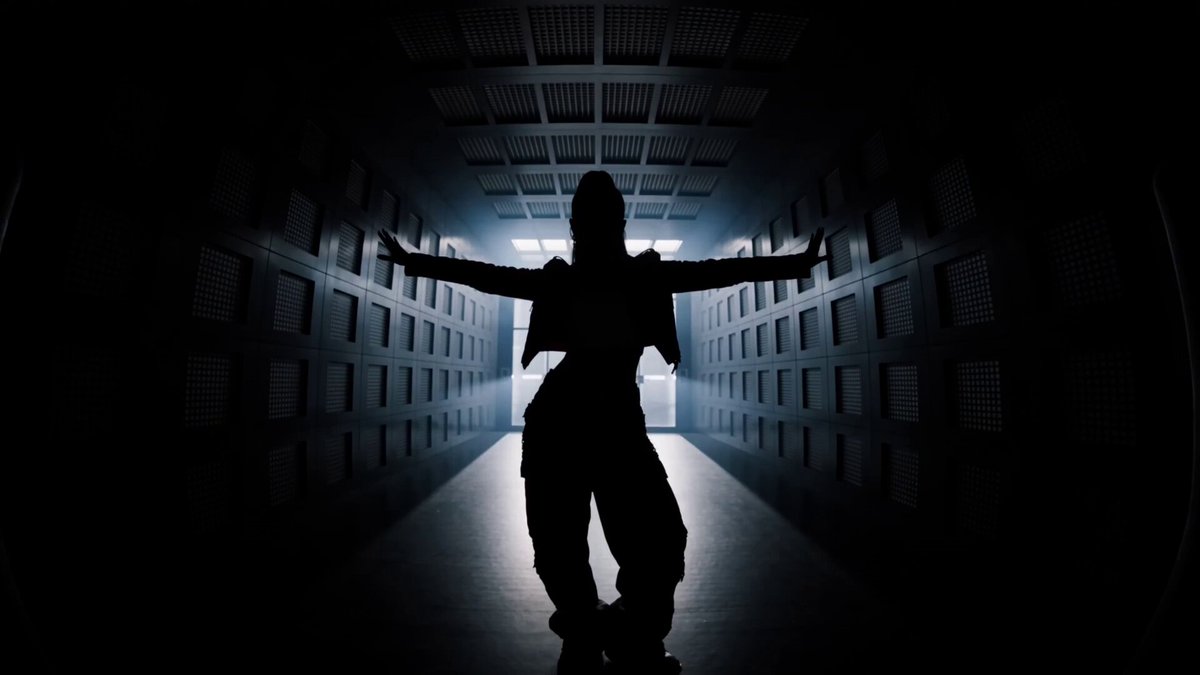
Lighting also carries story information. A character lit from one side suggests inner conflict. A silhouette against a bright window suggests a threshold moment. Describe lighting in the prompt with concrete language: "golden hour side light," "neon glow from the left," "soft diffused top light." These details separate amateur-looking footage from professional work.
Frame Rate and Motion Responsiveness
Frame rate affects the perceived energy of a scene. Standard rates feel natural and are best for dialogue and product shots. Higher rates in slow motion add drama and emphasize detail; lower, choppier rates add stylized urgency. Choose the frame rate that matches the rhythm of the story, and keep it consistent within scenes so the edit does not feel jarring.
A Worked Example: From Logline to Finished Film
Imagine a creator who wants a thirty-second video about a fictional detective returning to a rainy city. The logline: "A retired detective returns to the city that failed him and must decide whether to trust an old partner." The AI agent breaks this into three beats: arrival in the rain, a tense meeting, and a choice at a window overlooking the city. For each beat, the agent proposes shots: a wide establishing shot of the rainy skyline, a slow push-in on the detective's face under an umbrella, an over-the-shoulder shot of the partner, and a final close-up where the detective looks out the window. The creator defines the canon first: two reference images of the detective and a palette of cool blues and amber highlights. The hero shots are generated with the best available model; the transitional shots use a lighter model with identical references. After assembly, the creator adds rain ambience and a low string score, then reviews the edit against the logline. The result is a short film that reads as one coherent story, not three disconnected clips. Total production time: two evenings.
Building the Workflow
From Script to Screen in Six Steps
- Lock the story: logline, three-part structure, emotional goal.
- Define the canon: reference images for characters, products, and style.
- Break the script into shots with explicit camera, lighting, and tone notes.
- Generate: hero shots with the best model, transitions with lighter models.
- Assemble and refine: cut to the story rhythm, add sound, captions, and music.
- Review against the logline: does every shot serve the story? If not, cut it.
Building Judgment: How to Review Your Own Work
The fastest way to improve is to review with a checklist instead of a mood. After every first cut, ask: Does the opening shot raise a question? Does the tension build between shots, or do the shots just look nice? Would a viewer who missed the first three seconds still understand the story? Does the ending resolve the question from the opening? This discipline turns every finished video into a lesson, and the lessons compound across projects.
A second pair of eyes helps more than any tool. Show the first cut to someone who has not seen the script and ask two questions: what did you think was going to happen next, and where did you lose interest? Their answers reveal whether your intent survived the execution. The feedback loop of script, cut, and audience check is what separates creators who improve steadily from creators who repeat the same mistakes.
Common Mistakes
- Generating before writing: footage without a story is just footage.
- Skipping references: no references, no continuity.
- Letting the model choose the camera: if you do not specify, you do not control.
- Ignoring sound: sound design is half the emotion.
- Overproducing: every shot should advance the story or the mood.
Choosing Your Toolset
You do not need a dozen tools to start. A minimal, effective set covers four jobs: planning, generation, assembly, and review. For planning, use an AI agent that turns ideas into structured shots, or a simple document if you prefer manual control. For generation, choose one primary model and one lighter model for transitions and tests. For assembly, any editor with a timeline, captions, and audio tracks works. For review, use the platform's analytics plus your own checklist. The tools matter less than the discipline: keep your references organized, your prompts versioned, and your review process consistent. A small, well-known toolset beats a large, half-learned one.
Frequently Asked Questions
Do I need to learn film theory to use AI video tools?
No, but a basic understanding of story structure and shot composition dramatically improves your results. The tools lower the execution barrier, not the judgment barrier.
How do I keep characters consistent across clips?
Use a fixed set of reference images and describe the character identically in every prompt. Multi-image fusion techniques help lock the identity across scenes and models.
Which shots should use the most expensive model?
The shots that carry the story: character close-ups, key action, and anything the viewer will watch closely. Transitions and background shots can use cheaper models.
How long does a typical AI-assisted short film take?
A one-minute film with a clear script and references can be produced in a few evenings. The planning stage saves the most time; generation itself is fast.
Can AI agents replace a human director?
No. The agent proposes and executes, but the creative decisions, the taste, and the final judgment remain yours. The best results come from treating the agent as a skilled collaborator, not an oracle.
What is the single most important habit for improving?
Review every finished piece against a checklist and keep the notes. The discipline of honest self-review compounds faster than any tool upgrade.
How do I know when a shot is good enough?
Judge it against the story, not against perfection. A shot is good enough when it communicates the intended beat clearly and does not break the visual consistency of the sequence. Chasing perfection on every frame wastes time that belongs to the next story.
Final Thoughts
The shift to AI-generated video has changed the production floor, but not the fundamentals. Stories still need structure, characters still need consistency, and shots still need intent. The creators who will stand out are the ones who combine the new tools with the old craft: using AI agents to plan scenes, references to lock identity, and precise camera and lighting language to control emotion. Master those skills and the AI stops being a novelty and becomes a true creative partner.
