
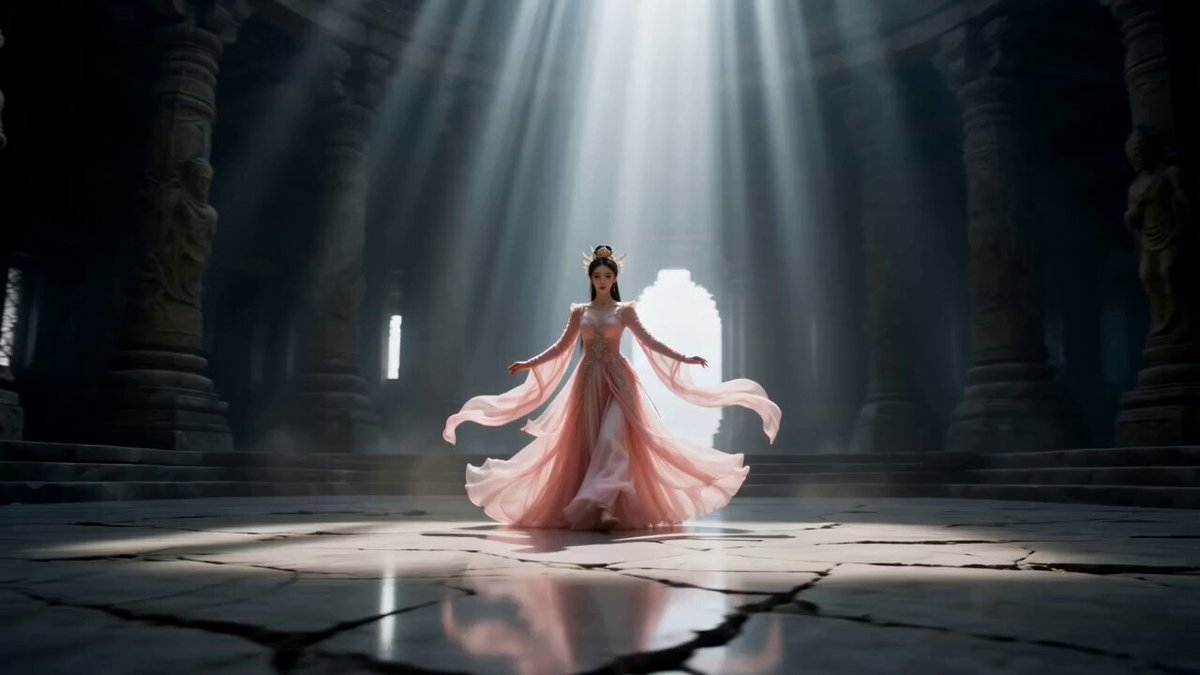
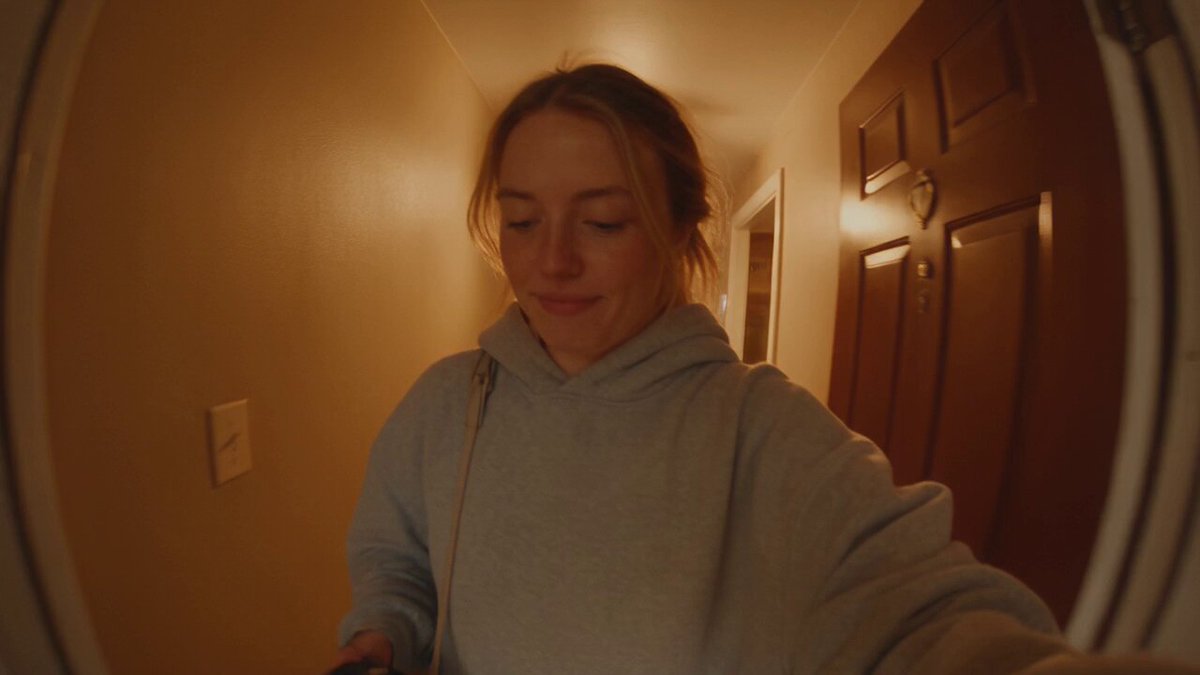
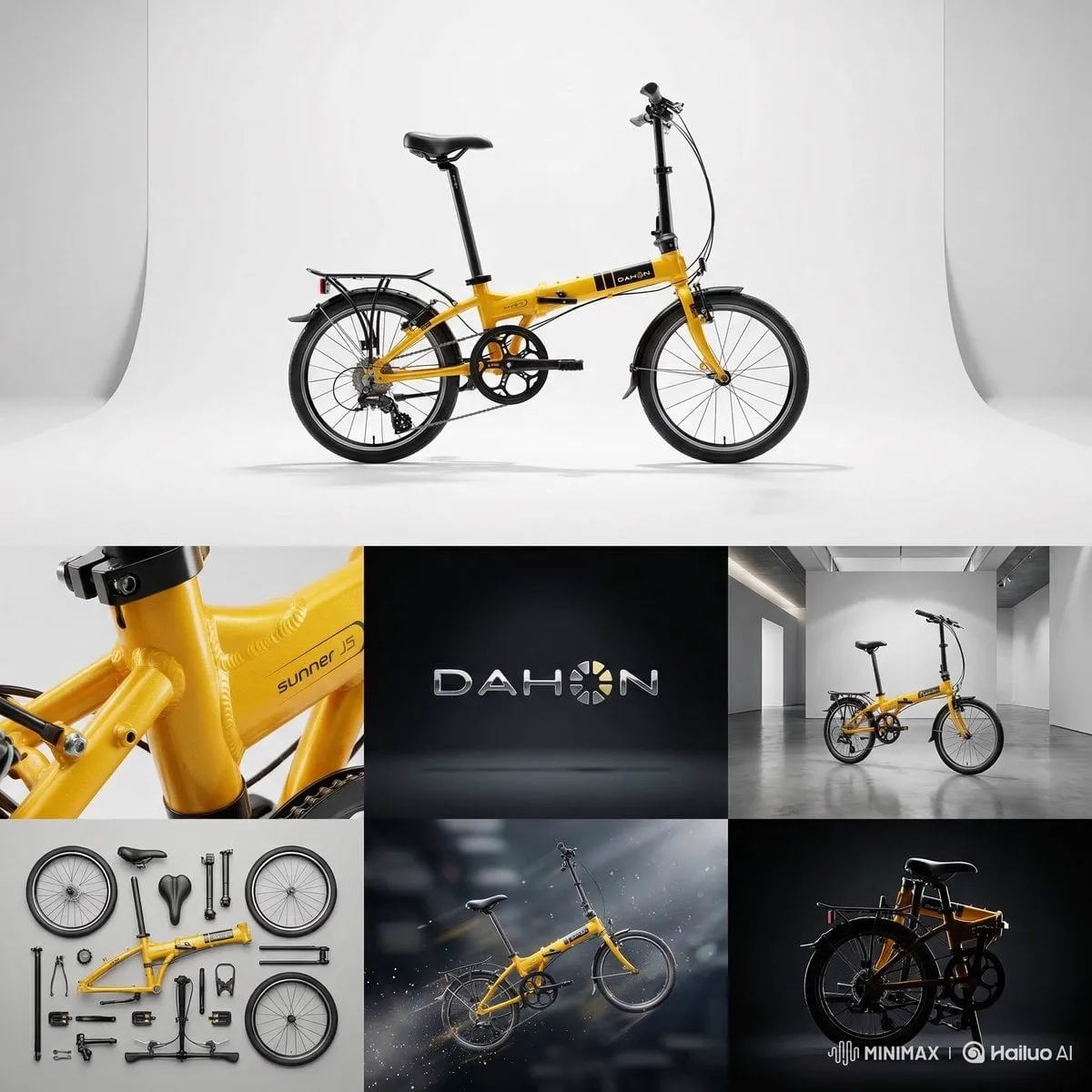
Creativity at Production Speed
There has never been a better moment to be a visual storyteller. The tools that once demanded a studio, a crew, and a budget now fit on a laptop, and they respond to plain language. Text-to-video generation has matured to the point where an idea can become a rough cut in an afternoon. The creative bottleneck has moved: the scarce resource is no longer production capacity but creative judgment — knowing what to make, why it matters, and how to make it feel like you.
This guide is about the creative side of AI video: how to develop an idea into a story, translate that story into prompts, build a visual style that holds across a whole project, and run a workflow from concept to publication without losing your voice in the process.
The Idea Stage: Start With a Story, Not a Tool
The most common creative failure with AI video is starting from the tool. "I want to make something with text-to-video" produces a demo, not a story. Start instead from the oldest question in media: what do you want the viewer to feel, know, or do?
A useful exercise is to write your idea in one sentence with a conflict in it. "A city" is not a story. "A gardener discovers her plants grow alien flowers that whisper the town's secrets" is a story — it has a character, a discovery, a mystery, and an implied promise. If your idea cannot survive that one-sentence test, it is not ready for production.
From the one-sentence idea, build the spine: who is the character, what do they want, what stands in their way, and what changes by the end. You do not need a feature-length arc; a thirty-second piece can have a complete mini-arc. What matters is that the piece moves from a beginning through a change to an end. AI tools are brilliant at rendering moments; they are not yet brilliant at deciding which moments belong. That is your job, and it is the job that makes the piece yours.
From Story to Scenes: Storyboarding With AI
Once the story is clear, break it into scenes. Each scene is one shot, one location, one emotional beat. For a short piece, five to ten scenes is plenty. Describe each scene in three layers: what is visible, what happens, and what the camera does. Write these as plain sentences before you touch a generator.
The storyboard is where AI becomes a collaborator. Generate a still image for each scene early — rough concept frames, not final art. Look at the frames together and you will immediately see problems that were invisible on the page: two scenes that look identical, a character design that does not read, a palette that fights the mood. The concept frames are cheap to make and cheap to change, which is exactly why you make them before spending time on polished shots.
Finding the Style: The Creative Signature
Style is the fastest way to make AI work feel authored. Two creators with the same story and different styles produce different pieces; style is the fingerprint. Define yours deliberately instead of accepting the tool's default aesthetic.
Start with references — not to copy, but to name what you love: the lighting of a particular film, the color palette of a painter, the grain of a certain era of photography. Translate those references into concrete, reusable style tokens: color grade, lighting direction, lens feel, texture, and the emotional temperature of the palette. A warm, soft, grainy look says something different from a cold, hard, clean one. Choose the language that matches your story, and write it into every prompt so the whole project shares one visual DNA.
Then protect the style through the pipeline. Generate all concept frames in one session with the same style tokens. When a shot breaks the style, fix it before moving on. A consistent mediocre style beats a brilliant style that changes every scene — coherence is what makes a sequence feel designed.
Writing Prompts With Intent
Prompts are where your creative choices become the machine's instructions. The discipline is to make every prompt carry the story, not just the visuals. Three habits separate intentional prompting from random generation:
- Name the emotion before the details. "A tense alley at night, rain on neon" tells the model what to render; "lonely, watchful, a held breath" tells it how the scene should feel. Models respond to mood words, and mood is what audiences remember.
- Direct the camera like a cinematographer. Camera language is the closest thing to directorial control: "slow dolly-in," "handheld," "low angle," "static wide." Decide the camera move because it serves the beat, not because it is available.
- Constrain instead of describe endlessly. Short, sharp constraints ("no people, shallow depth of field, muted colors") often beat long lists of adjectives. The model fills in the rest; your constraints are the guardrails that keep it on your intention.
Treat the first generation as a sketch, not an answer. Iterate the prompt in response to the output, changing one variable at a time. The final prompt is often barely recognizable from the first, and that evolution is the creative process happening.
Building a Consistent World
The hardest creative challenge in AI video is continuity: the same character, the same world, the same design across every scene. A story collapses when the protagonist changes face between shots.
The practical technique is reference-locking. Design the character and the key locations as still images first. Then every scene's generation starts from that reference — the character image, the location image, or both. Repeat the character's description verbatim in every prompt; change nothing between scenes. Generate scenes for one project in a single session where possible, because the model holds context better within a session than across days.
For worlds, build a visual bible: the reference images, the palette, the recurring motifs (a specific plant, a specific architecture, a specific light). Every scene should pass one test: would a viewer who has seen the earlier scenes recognize this world instantly? If not, the bible needs tightening.
Sound as Story
Visuals carry the story's surface; sound carries its emotion. Generate the audio layer with the same intentionality as the visuals. Choose the music for its emotional shape — the build, the drop, the silence — and place sound effects where they sell the action. Voiceover, if the piece has it, should be written to the visuals and paced to the edit.
The most powerful sound choice is often restraint. A quiet scene with only ambience can hit harder than a scored scene. Design the silence as deliberately as the sound: where the music stops is a decision, and it is usually a decision audiences feel more than notice.
The Edit: Where the Piece Becomes Yours
The edit is the final authorship pass. This is where you cut what is beautiful but irrelevant, reorder beats for pacing, and make the piece breathe. AI video workflows produce a surplus of material; the edit is the process of deciding what the piece is actually about.
Edit to a rhythm. The length of shots should follow the emotional energy: fast cuts for urgency, longer holds for weight. Cut on motion and on sound. Remove anything that does not serve the story, no matter how pretty — the audience will not miss what they never needed.
Then run the final checks: does the opening promise the story the ending delivers? Is the style consistent from first frame to last? Does the piece feel like it came from one mind? If yes, you have a finished work, not just a generated sequence.
Working With Constraints
Constraints are the paradox of creative AI: the tighter the box, the more distinctive the result. A prompt with no constraints returns the average of everything; a prompt with sharp constraints returns something only you would have asked for. The same applies to the project as a whole.
Set deliberate limits for each piece: a color palette of three, one recurring motif, one camera vocabulary, a fixed length, a fixed music mood. These limits are not restrictions; they are the style. The classic creative exercise applies directly — give yourself a constraint that forces decisions. "Only close-up shots, only warm light, only one location" produces a piece with an identity, while "make something cool" produces nothing in particular.
Constraints also make collaboration with the model more productive. When the model drifts, you are not negotiating from taste alone; you are checking the output against the constraint list. Drift becomes a detectable error instead of a vague dissatisfaction. This is why professional AI artists talk about constraint systems the way writers talk about structure — it is the machinery that makes the work coherent.
From One Piece to a Creative System
A single piece is practice; a body of work is a system. The creators who win with AI video build repeatable processes: a style bible, a prompt library, a reference library, an edit template. Each project makes the next one faster and more distinctive, because the system accumulates your taste.
Set a rhythm that fits your life: one short piece a week, or one longer piece a month. The rhythm matters more than the volume. Every piece teaches you something about your style, your audience, and your tools, and the lessons compound. The goal is not to produce the perfect video; it is to build the creative muscle that makes your next video better than your last.
Reviewing Your Own Work
The hardest critic to satisfy is yourself, and the discipline of self-review is what separates finished pieces from abandoned drafts. Build a review ritual that runs before every publication. First, let the piece rest — even one night changes how you see it. Then watch it in one pass with no intention to edit, and note only where attention dips. Those dips are the truth; they mark where the piece loses its audience.
Second, review against the project's own promises. Does the opening hook match the ending payoff? Does every scene earn its length? Is the style coherent from the first frame to the last? Are the moments you cared about most actually the moments that land? The gap between intention and result is the work list for the next iteration.
Third, review with a stranger's eyes. Show the piece to someone who has not seen the process. Their questions reveal what the piece assumes but never states. A finished piece is not one that pleases its maker; it is one that communicates to its audience. The self-review ritual is how you learn to see your own work as they will.
FAQ
I am not a filmmaker. Can I still make good AI videos?
Yes. The filmmaking vocabulary is small and learnable: shot, scene, camera move, pacing, mood. You already have the harder half — knowing what you want to say. The technical half is practice.
How much of my own taste should I impose on the AI?
All of it. The AI is the renderer, not the author. Every decision about story, style, and pacing should be yours. If the output does not match your intention, change the prompt or change the scene — do not accept the default.
How long does it take to make a finished AI short?
A one-minute piece can go from idea to finished in a focused day once you have a style bible and a workflow. The first piece takes much longer because you are building the system; the fifth piece is fast.
What if my story is too ambitious for current tools?
Split it. A big idea becomes a sequence of small scenes, each within a tool's limits. The ambition lives in the story and the edit, not in any single shot.
Should I share my prompts and process?
If you want an audience, yes. The process is part of the content: breakdowns and behind-the-scenes attract the people who care about craft. Sharing the how does not give away the why — your judgment is the part that cannot be copied.
