

Why the First Three Seconds Decide Everything
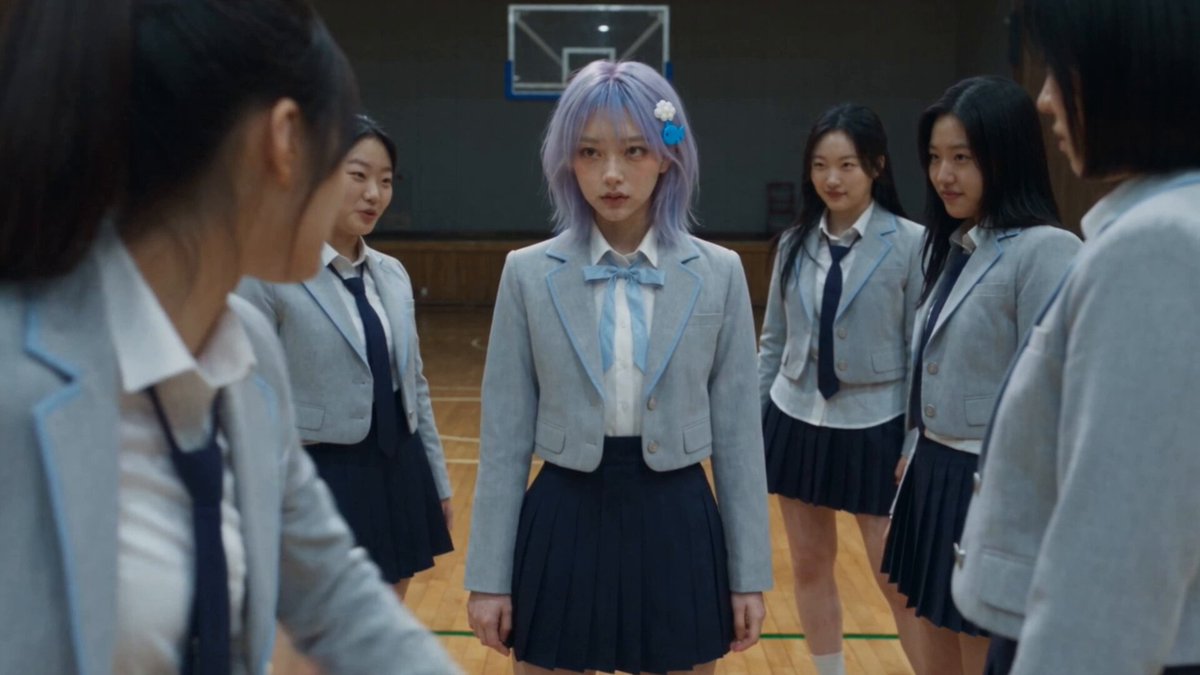
Short-form feeds do not reward effort; they reward stopping power. A viewer's thumb is already moving before your clip has finished its first frame, and the recommendation system treats that instant reaction as a signal about whether the video deserves a wider test audience. The opening moment is not an introduction — it is a filter. If the hook, the framing, the motion, or the text overlay fails to interrupt the scroll, nothing that happens afterward matters.
Most creators treat this as a creative problem. It is really a production problem. A scroll-stopping clip requires several elements to line up at once: a visually distinct first frame, a promise that resolves quickly, motion inside the frame, readable on-screen text, and audio that matches the pacing. When one element is missing, retention drops in the first two seconds and the clip never reaches the broader distribution test.
AI video tooling helps here, but not as a magic button. Its real value is compressing the slow parts of production — research, script variants, b-roll generation, voice-over, captioning, and versioning — so you can ship more tested ideas per week. Volume plus a clear hypothesis beats one heavily polished upload almost every time.
The Six-Stage Pipeline at a Glance
Before diving into tactics, it helps to see the whole loop. Treat short-form production as a repeatable pipeline rather than a series of one-off inspirations:
- Research — collect hooks, formats, and angles that already work in your niche.
- Script — write a 20–45 second beat sheet with the hook in the first sentence.
- Visual plan — decide whether each beat is live action, generated footage, screen capture, or text-on-motion.
- Batch production — shoot or generate multiple clips in one session to protect consistency.
- Edit — cut for rhythm, add captions, mix sound, export vertical.
- Test and iterate — publish variants, read retention graphs, and feed the findings back into stage one.
The rest of this guide walks through each stage with concrete decisions, thresholds, and examples.
Stage 1: Hook Research With AI Assistants
The fastest way to find hooks is not brainstorming from a blank page. It is structured mining of what already works.
Start by collecting 30–50 recent high-performing posts in your niche. For each one, note four things: the first spoken line, the first on-screen text, the visual of frame one, and the promise the video makes. Paste those notes into an AI assistant and ask it to cluster them into recurring patterns. You will usually get five or six archetypes — for example, the contrarian claim, the mistake confession, the before/after reveal, the listicle countdown, the reaction to a trend, and the question loop.
Once the patterns are visible, generate twenty hook variations per archetype. Prompt the model with constraints instead of vague requests: "Write ten hooks under nine words, second person, present tense, each implying a cost of not knowing." Specific constraints produce usable lines. Open-ended prompts produce marketing mush.
A worked example. Suppose you run a home-cooking channel. A generic hook is "Three easy pasta tips." A constrained version becomes "You are boiling pasta wrong and it costs you flavor." The second line creates a knowledge gap the viewer wants closed, and it can be delivered in under two seconds.
Keep a running hook bank in a spreadsheet with columns for archetype, topic, and measured retention in the first three seconds. After a month you will have data on which structures work for your specific audience, which is far more valuable than general advice about virality.
Stage 2: Scripting for Retention, Not for Reading
A script for short-form video is a beat sheet, not prose. It exists to control pacing, not to be read aloud word for word.
A reliable structure looks like this:
- Beat 1 (0–3s): hook line plus a visual that matches it.
- Beat 2 (3–8s): context or stakes — why this matters now.
- Beats 3–5 (8–30s): the payoff, delivered in three short chunks with a visual change on each.
- Final beat (last 2–3s): loop back to the opening idea or pose a question that invites comments.
Write one line per beat and mark the intended visual next to it. This forces you to notice where you are relying on speech alone to hold attention, which is exactly where viewers drop off.
Ask an AI assistant to critique the script rather than write it. Good critique prompts include: "Where does this lose momentum?", "Which sentence repeats information the viewer already has?", and "Rewrite beat three so it can be shown instead of explained." Editing passes like this typically cut 15–25 percent of the words, and shorter scripts almost always retain better.
Finally, read the finished beat sheet aloud with a timer. If the hook takes longer than three seconds to deliver, rewrite it. If the payoff arrives after thirty seconds, consider splitting the idea into two videos.
Stage 3: Choosing Your Visual Approach
Not every video needs the same production method. Choosing deliberately keeps both quality and speed under control.
Live action with generated inserts
This is the most flexible option for most creators. You film yourself or your product, then use generated b-roll for abstractions — timelines, comparisons, imagined outcomes, or anything expensive to shoot. A three-second generated insert between two live-action beats resets viewer attention and hides cuts.
Use this approach when your face, voice, or physical product is the trust signal. Keep generated shots short, stylistically consistent, and clearly in service of an explanation rather than decorative.
Fully generated sequences
Fully generated video works best in faceless niches: history explainers, science visualizations, motivational narration, fictional micro-stories, and product-adjacent storytelling. The trade-off is that generated footage can drift in style between shots, so lock a look — color palette, lens feel, motion speed — and reuse it across an entire series.
Describe motion explicitly in your prompts. "Slow dolly toward a window at dusk, warm interior light, shallow depth of field" produces usable results far more often than "nice sunset shot." Generate more takes than you need and keep only the ones whose first frame works as a still.
Screen capture and text-on-motion
The least glamorous option is often the highest performing. Screen recordings, annotated screenshots, and animated text over a gradient background are cheap to produce, easy to update, and readable on small screens. In tutorial and software niches, a well-paced screen capture with strong captions regularly outperforms expensive footage.
A practical rule: pick the method that lets you ship the same idea today. A mediocre visual with a strong hook beats a beautiful visual with a weak one.
Stage 4: Consistency Across a Batch
Publishing one excellent video a week rarely builds momentum. Publishing five related videos a week does, but only if they feel like they come from the same channel. Batch production is how you achieve both.
Lock a visual system
Define three or four constants and never break them: a caption font and position, a color treatment, an intro motion, and an outro frame. When you generate visuals, save the prompt, seed, and style settings so later clips match earlier ones. Consistency is what turns a viewer into a follower — they recognize the format before they read the name.
Batch by asset type, not by video
Shoot all spoken segments in one session, then all b-roll, then all voice-over, then all captions. Switching between tasks is the biggest hidden cost in solo production. Batching also means your lighting, audio, and wardrobe stay identical across five clips, which quietly raises perceived quality.
Handle voice and captions once
For voice-over, generate narration in a single pass and reuse the same voice across a series, adjusting speed and emphasis per clip. Slight speed changes (roughly 1.05x–1.15x) keep energy up without sounding unnatural. For captions, use automatic transcription and then correct it manually — auto-captions misinterpret names, numbers, and slang, and a wrong caption in the first two seconds kills credibility instantly.
Stage 5: Editing Rhythm, Captions, and Sound
Editing for short-form is mostly subtraction. Every frame that does not add information or emotion is a frame where someone leaves.
Cut on motion. When a hand moves, a head turns, or a generated shot begins a camera move, place your cut there. The eye follows movement, so cuts land invisibly. Static shots held longer than about four seconds almost always lose viewers unless there is strong narration carrying them.
Make captions part of the design. Place them in the middle third of the frame, avoid the bottom 15 percent where interface elements sit, and keep line length short enough to read in one glance. Highlight one or two keywords per line with a contrasting color rather than animating every word.
Treat audio as structure. A quiet ambient bed under narration plus one clear percussive accent on each beat change is enough. Loud, constant music competes with your message. Also make sure the first second contains sound — silent openings feel broken on autoplay feeds.
End on a loop. If your last frame visually or verbally connects to your first, replays rise, and replays are one of the strongest engagement signals available. A simple technique is to end mid-sentence with a question whose answer was shown at the start.
Stage 6: Testing and Iterating Like an Experimenter
Virality is not a lottery if you treat each upload as a test with a stated hypothesis.
Write the hypothesis before you publish: "A cost-of-inaction hook will beat a curiosity hook for this topic." Then change only one variable per test — hook type, opening frame, caption style, video length, or audio. Changing five things at once teaches you nothing.
Read three metrics in order. First, the three-second retention rate, which tells you whether the hook worked. Second, the average watch time relative to length, which tells you whether the middle held. Third, comments and shares, which tell you whether the idea made people feel something. A video with strong retention but no shares is usually informative but emotionally flat; a video with shares but poor retention usually paid off too late.
Run a weekly review. List your five best and five worst videos, note the hook archetype of each, and look for a pattern. Most channels discover that one or two structures consistently outperform the rest — double down there instead of chasing novelty every week.
Common Mistakes That Quietly Kill Reach
- Burying the payoff. If the useful part arrives at second twenty, most viewers never see it.
- Over-generating. Long AI-generated sequences with no human element feel interchangeable and get skipped.
- Ignoring the first frame. The frame a viewer sees before pressing play is your thumbnail. Design it deliberately.
- Weak audio balance. Music louder than narration is the single most common technical failure.
- Inconsistent formatting. Changing fonts, colors, and pacing every upload prevents format recognition.
- Chasing unrelated trends. Borrowing a trend that has nothing to do with your niche attracts viewers who never return.
- Publishing once a week. Short-form rewards iteration speed, not perfection.
A Weekly Rhythm That Scales
Here is a sustainable schedule for a solo creator:
Monday — research. Mine twenty posts, update the hook bank, pick five ideas.
Tuesday — scripting. Write five beat sheets and have an assistant critique them.
Wednesday — production. Batch all filming, generation, and voice-over in one session.
Thursday — editing. Assemble, caption, and export all five clips.
Friday through Sunday — publish and observe. Post one clip per day at consistent times, log the metrics, and note which hooks earned the strongest first-three-second retention.
The following Monday, apply what you learned: keep the winning structures, retire the losers, and repeat. Two or three cycles of this and you will have a documented playbook for your own audience rather than borrowed advice.
FAQ
Can AI-generated video actually go viral on TikTok?
Yes, but rarely on novelty alone. Generated footage performs best when it supports a strong hook and a clear idea. Treat it as a production tool that removes cost and delay, not as the reason someone stops scrolling.
How long should a TikTok video be?
Let the idea decide, but as a default, aim for 20–40 seconds. Long enough to deliver a real payoff, short enough that the average watch time percentage stays high. Test a 12-second version and a 45-second version of the same idea — the results are often counterintuitive.
Do I need to show my face?
No. Faceless formats built on screen capture, generated visuals, and narration work well in many niches. What matters is that the viewer understands within two seconds what kind of video they are watching and why they should stay.
How much of the process can AI realistically handle?
Research clustering, script variants, b-roll generation, narration, transcription, and caption timing can all be automated or heavily assisted. Story selection, hook judgment, and editorial taste remain human decisions — and they are what separate channels that grow from channels that post.
What is a good three-second retention rate?
Benchmarks vary by niche and follower count, but anything above roughly 60 percent is healthy and above 75 percent is strong. Compare your own videos against each other first; your channel's baseline matters more than an industry average.
Should I delete underperforming videos?
Usually not. Low performers still provide data, and older videos occasionally resurface. Instead of deleting, tag them by hook archetype and review them in your weekly analysis.
How do I keep generated visuals consistent across a series?
Save your prompts, seeds, style references, and export settings in a template file. Then require every new clip to pass a simple check: same color palette, same caption style, same motion speed, same intro and outro. Consistency compounds faster than novelty.
