
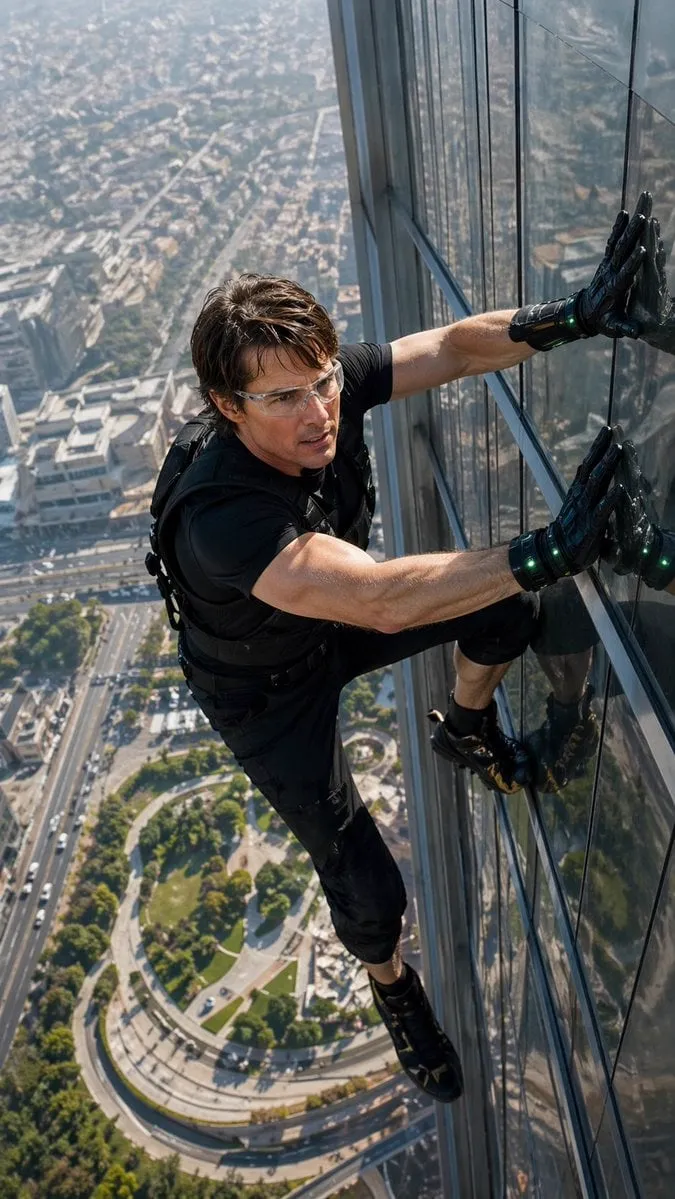
Generative video has moved from novelty to production line. Marketing teams now create product shots, lifestyle scenes, and full narrative spots without booking a studio, and the output sits beside traditionally filmed footage in the same paid campaigns. That shift has created a genuine strategic fork: do you chase cinema-grade realism, or do you optimize for volume and speed?
This guide lays out a two-track framework for AI video advertising. It walks through model selection, prompt design, production workflow, quality control, budgeting, and performance measurement. It is written for marketers, creative directors, and lean production teams who need a repeatable process rather than a one-off experiment.
Why AI Video Advertising Split Into Two Camps
Audience tolerance has changed. Viewers scrolling short-form feeds have grown fluent in the visual language of generated video, and they notice when something looks synthetic. At the same time, they reward freshness. A creative that repeats for three weeks loses reach, no matter how beautiful it is. Those two pressures pull in opposite directions, and most teams try to satisfy both with a single workflow. That is where campaigns stall.
The first camp treats video advertising as a craft problem. The goal is a spot indistinguishable from a high-end commercial: consistent characters across shots, believable physics, controlled lighting, and a clean brand lock-up. The second camp treats it as a distribution problem. The goal is forty variations in seventy-two hours, each tuned to a different hook, creator persona, or regional dialect.
Both are legitimate. Both are profitable. But they require different models, different team structures, and different definitions of done. A cinematic spot that ships in three weeks is a failure for the velocity track; a batch of ten fast variants is a failure for the cinematic track. Naming which track you are on before you generate a single frame is the single highest-leverage decision in the whole process.
Regional context matters too. Markets with fast-growing short-form consumption — the Gulf, Southeast Asia, and Latin America among them — reward velocity heavily because attention is fragmented across platforms. Markets with strong broadcast and cinema traditions reward production polish because the audience benchmark is television, not TikTok. Know which benchmark your audience is holding you to.
The Two-Track Framework: Cinema-Grade vs Velocity
The framework is simple enough to draw on a whiteboard, which is exactly why it works.
Track A — Cinema-Grade
Cinema-grade campaigns are built around a small number of hero assets, usually one to five. Each asset is planned shot by shot, generated with a premium model, and refined over multiple passes. Consistency between shots is non-negotiable: the same character face, the same wardrobe, the same color temperature, the same lens character.
The defining constraints are photorealistic fidelity, motion coherence, and brand fit. You are competing with filmed content, so any wobble in hands, teeth, text rendering, or fabric physics reads as a failure. Typical use cases: flagship product reveals, automotive and real-estate spots, luxury and beauty branding, investor-facing reels, and any campaign where the brand cannot afford to look cheap.
Budget profile: higher spend per asset, lower total asset count, longer review cycles, more human post-production.
Track B — Velocity
Velocity campaigns are built around templates and variation. You define a reusable structure — hook, problem, product moment, call to action — then generate dozens of permutations inside it. Each variant changes one or two variables: the opening hook, the setting, the presenter archetype, the text overlay, the music bed.
The defining constraints are turnaround time, cost per variant, and platform fit. A variant that takes an hour to produce is acceptable; one that takes a day is not. Typical use cases: performance marketing on short-form feeds, app installs, local service businesses, seasonal promotions, and rapid creative testing.
Budget profile: lower spend per asset, higher total asset count, short review cycles, minimal human post-production.
How to Decide Which Track a Campaign Needs
Ask four questions. Is the audience benchmarking you against television or against a feed? Is the message narrative or transactional? Does the brand carry a premium price that demands visual proof? And how fast does your media buyer need new creative?
If the answer skews to television, narrative, premium pricing, and slow refresh, run Track A. If it skews to feed, transactional, competitive pricing, and fast refresh, run Track B. Some brands deliberately run both: a cinematic hero spot for brand lift, plus a high-volume variant set for direct response. That hybrid is often the strongest configuration, provided the two tracks use separate briefs, separate model stacks, and separate review standards.
Choosing the Right Generative Video Model for Each Track
Model choice should follow the track, not the other way round. Teams that pick a tool first and design a campaign around it almost always end up with assets that do not match the brief.
Photorealistic Base Generation
For cinema-grade work, prioritize models with strong photorealistic rendering and stable lighting. Base image generation with a high-fidelity diffusion model — Flux is a common reference point — then animate from that still. Image-to-video pipelines beat pure text-to-video for realism because you control composition before the model starts inventing motion.
Runway's Gen-series models are widely used for this because they hold detail well on faces and product surfaces. Kling and MiniMax Hailuo have become strong alternatives, particularly for scenes with human motion and camera movement that would otherwise produce warping. Sora-style models are useful for complex multi-subject scenes where you need longer, more coherent action.
Motion-Driven and Character-Consistency Models
If your spot depends on a recurring character — a spokesperson, a founder stand-in, a mascot — motion coherence matters more than raw resolution. Luma Ray and Pika are frequently chosen here because they handle continuous motion and camera moves without obvious frame-to-frame drift.
For recurring characters, the reliable technique is reference-driven generation: lock a character sheet, generate a base still per shot with that reference, then animate each still individually. Never rely on a text description alone to reproduce a face across shots. It will drift.
Fast Draft Models
For the velocity track, speed and low cost per generation matter more than fidelity. Use the fastest available tier for your variants, then upscale or regenerate only the winners. Treat the first pass as a storyboard, not a deliverable.
A practical rule: never run a high-fidelity model on a hook you have not already validated with three rough variants.
Building Shot Lists and Prompts That Survive Generation
Most AI video failures are planning failures, not model failures. A prompt that asks for six things at once will deliver four of them badly.
The Shot List Template
Write every shot as a row with six columns: shot number, duration, camera movement, subject action, environment, and on-screen text. Keep each shot between two and five seconds for social, up to eight for cinematic narrative. Anything longer invites the model to invent detail you did not ask for.
Add a seventh column for "loop point" if the asset will run as a seamless loop. Looping creatives get significant watch-time gains on feeds, and they only work if you plan the first and last frame deliberately.
Prompt Structure That Reduces Retries
A prompt that consistently produces usable output has four parts, in this order:
- Subject and action — who or what, doing exactly one thing.
- Environment and light — location, time of day, key light direction, weather, atmosphere.
- Camera — shot size, lens feel, movement, speed.
- Style and constraints — grade, texture, aspect ratio, and explicit negatives such as "no text, no logos, no extra fingers."
Keep it under about sixty words. Long prompts dilute attention across too many clauses. If you need more control, add a reference image rather than more adjectives.
One more habit that saves hours: generate the first frame as a still, approve it, then animate. Reviewing motion on a frame you already dislike wastes generation time.
Workflow: Producing a Cinema-Grade Ad End to End
Here is a realistic pipeline for a thirty-second spot with six shots.
Pre-production
Lock the script and shot list before generating. Build a mood board and a character sheet. Decide the grade in advance — warm, cool, high-contrast, desaturated — because mixing grades across shots is the fastest way to look generated. If the spot features a real product, photograph it from three angles and use those stills as references so the model reproduces the actual object.
Generation Passes
Generate each shot ten to fifteen times at a moderate setting. Select two candidates per shot. Do not aim for perfection on the first pass; aim for structural correctness. Once structure is right, regenerate with higher fidelity settings or run an upscale pass.
Keep an asset log: shot number, model used, prompt version, selection notes. When a client asks for a reshoot, the log tells you exactly which prompt to revisit.
Edit, Sound, and Brand Lock-Up
AI-generated footage rarely cuts well without help. Add a consistent film grain or subtle noise layer across all shots to unify texture. Grade the full sequence, not individual shots. Add sound design — room tone, footsteps, fabric movement — because silence is the clearest tell of generated video.
Finally, add text and logos in editing software, never in generation. Models render typography unreliably, and a mangled logo destroys the credibility the whole pipeline was built to protect.
Review Gates
Set three gates: shot list approval, first-pass selects, and final grade. Each gate should have one decision-maker. Committees at the selects stage produce expensive indecision.
Workflow: Producing a High-Volume Social Ad Set
Velocity work is template work. Design once, generate many.
Template-First Design
Build a fifteen-to-twenty-second structure with four slots: hook (0–3 seconds), context (3–8), product or solution (8–15), and call to action (15–20). Lock the pacing, music family, and caption style. Only the slot content changes between variants.
This gives your audience a recognizable rhythm while your creative testing gets genuine variety. Full redesign per variant destroys both efficiency and brand recall.
The Variant Matrix
Pick three or four variables and cross them deliberately rather than randomly:
- Hook type: question, bold claim, visual surprise, problem statement.
- Presenter: on-camera human, voiceover only, product-only, animated character.
- Setting: studio, home, outdoor, workplace, abstract.
- Region or language: dialect, accent, currency, local reference.
Three hooks × two presenters × two settings gives twelve variants from one template. That is enough to find a winning direction without drowning your media buyer in options.
Batch Generation and Publishing Cadence
Generate in batches by variable, not by asset. All three hooks for the same presenter in one session keeps lighting and style consistent. Publish in waves: launch six variants, let them run for the minimum learning period, kill the bottom half, then generate the next wave based on the survivors.
A sustainable cadence for most teams is one new wave every one to two weeks. Faster than that and you cannot learn; slower and the creative fatigues before you have data.
Quality Control: Catching Artifacts and Brand Slips
Build a QC checklist and run every asset through it before it reaches a client or a platform.
- Hands and fingers: check every visible hand frame by frame, especially in product-holding shots.
- Faces: look for identity drift between shots and for the uncanny eye and teeth artifacts that appear during speech.
- Text in the scene: signage, packaging, and screen content. Regenerate or mask it.
- Physics: liquid pouring, fabric movement, hair, reflections, and anything that should obey gravity.
- Continuity: wardrobe, props, background objects, and light direction across cuts.
- Brand compliance: color codes, logo clear space, claim wording, and disclaimers.
- Accessibility: captions burned in or provided, plus a version that works without sound.
One extra check that catches a lot: watch the asset at 0.25x speed. Artifacts that vanish at full speed become obvious when slowed down, and if you cannot fix them, you can at least cut around them.
Budget, Timeline, and Resourcing Realities
AI video reduces production cost, but it does not reduce production work. It converts spending from crew and locations into compute, iteration time, and editorial labor.
A cinema-grade thirty-second spot realistically needs five to ten working days: two for pre-production, two to three for generation and selection, two for editing and sound, and the rest for review cycles. A velocity wave of twelve variants needs one to two days once the template exists. The template itself takes three to five days to design properly.
On team structure, the roles that matter most are a creative lead who owns the story, a prompt and pipeline operator who owns model settings and asset logs, and an editor who owns grade, sound, and typography. One person can hold all three roles on small accounts, but the handoff between them should still be explicit.
Watch out for hidden costs: storage for large generation volumes, upscaling passes, and the review time that multiplies with variant count. The most common budget mistake is underestimating review and editing, which together often exceed generation time.
Measuring Performance and Iterating
Define success before launch, differently for each track.
For cinema-grade assets, measure completion rate, brand recall lift, and assisted conversion. Hook rate matters less here because the audience is not scrolling past — they are already in a brand context.
For velocity assets, measure the three-second hold rate first. It is the clearest signal of hook quality. Then look at click-through rate, cost per action, and thumb-stop ratio by variant. Tag every asset with its variable set so you can attribute performance to a hook type or presenter, not just to an individual video.
Keep a creative library organized by variable, not by campaign date. When a new brief arrives, you should be able to pull the three highest-performing hooks from the past quarter and reuse them in a new template within an hour.
Finally, retire winners before they fatigue. A variant that drops below its baseline hold rate for three consecutive days is done, regardless of how well it performed last month.
Common Mistakes and FAQ
Can one workflow serve both tracks? Technically yes, practically no. The tracks have opposite optimization targets, and a shared workflow will consistently underperform on both. Separate briefs and separate review standards cost almost nothing and prevent most friction.
Do premium models always look better? Not in a feed. On a small phone screen, motion quality and hook strength outweigh fine detail. Use premium generation where the asset will be watched on a large screen or where the product surface must be legible.
How many generations should a shot take? Ten to fifteen at moderate settings, then refine the best two. If a shot needs fifty attempts, the prompt or the shot concept is wrong — rewrite it rather than grinding.
Why does my recurring character keep changing face? Because text descriptions cannot lock identity. Generate a character sheet, use it as a reference for every base still, and animate stills rather than generating from text.
Should I generate logos and text in the model? No. Add all typography and brand marks in editing software. Model-rendered text is unreliable and often subtly misspelled.
How do I handle multiple languages? Generate the visual layer once, then produce localized voiceover and captions per market. Re-generating visuals per language wastes effort and breaks continuity.
What is a realistic starting point for a small team? Pick one product, build one velocity template, generate eight variants, and run them for two weeks. That single loop teaches more than a month of tool research.
How do I keep generated ads compliant? Disclose synthetic content where platforms or regulators require it, avoid implying real people said things they did not, and route every asset through the same legal and claims review that filmed content goes through.
The teams that win with AI video advertising are not the ones with the most tools. They are the ones who decide, in advance, whether they are making a commercial or a hundred experiments — and then build the pipeline that fits that answer.
