

What Actually Changed in Video Advertising
For decades, video advertising was gated by three hard constraints: budget, crew, and time. A single polished spot could consume weeks of pre-production, a shooting day with a full unit, and a post schedule measured in months. Generative AI has not removed those constraints entirely, but it has bent them dramatically. A two-person team can now carry a concept from a written brief to a broadcast-ready cut without ever booking a studio.
That shift moves the bottleneck somewhere else. When generation becomes cheap and fast, the scarce resources become taste, consistency, and review discipline. Anyone can produce a beautiful five-second shot. Far fewer teams can produce twenty shots in which the same character has the same face, the same jacket, and the same walk, while the brand palette stays stable and the story still lands in fifteen seconds.
This guide is not a trend list to skim and forget. It is a working production model: how to plan an AI-assisted ad campaign, which tools fit which stage, how to protect visual continuity, where the legal and ethical traps sit, and how to measure whether any of it actually worked. Treat it as a template you can adapt to your own product, market, and platform mix.
Three Creative Shifts Worth Designing Around
Three structural changes separate modern AI-assisted advertising from the earlier wave of obvious template work. Understanding them early prevents you from rebuilding your pipeline twice.
Cinematic quality is now the floor, not the ceiling
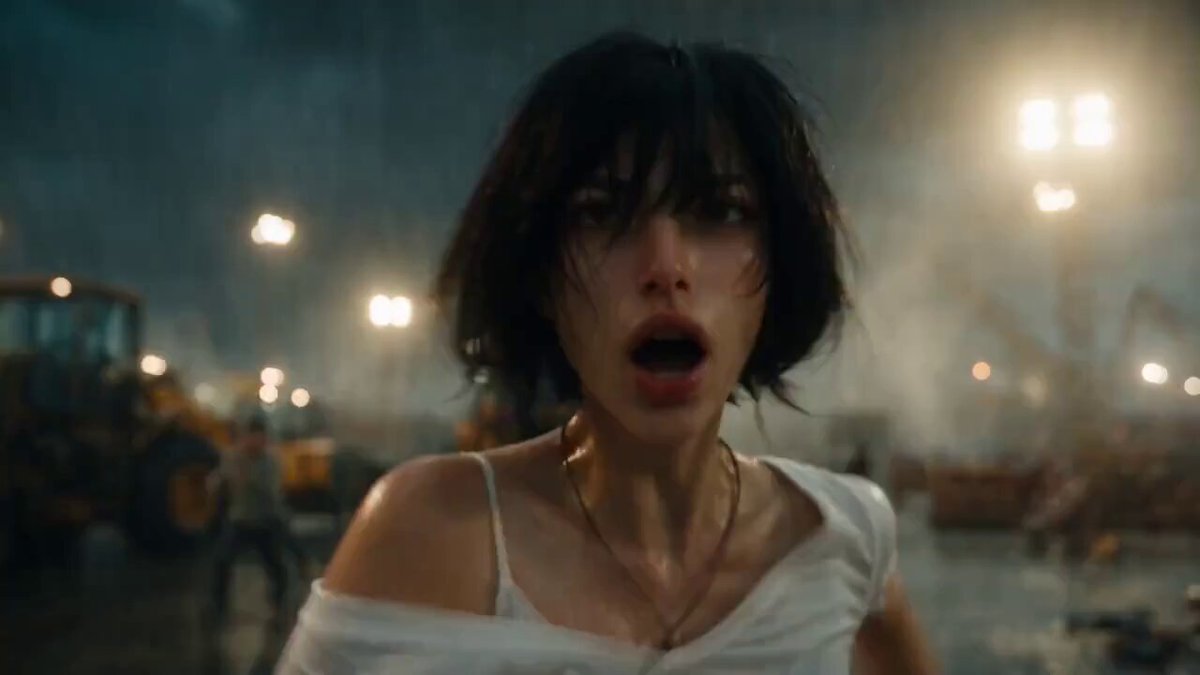
Audiences have been trained by streaming platforms to expect depth of field, motivated lighting, and texture. Shallow, over-saturated, plasticky footage now reads as an advertisement to be skipped rather than a story to be watched. The practical consequence is that your generation settings, lens choices, and grade must be deliberate from the first frame. Specify lens length, lighting direction, and film stock feel in your prompts the way a director would on a shot list. If your tool supports camera control or reference images, use them instead of hoping the model guesses.
Character and brand consistency across shots
A single hero shot is a demo. A campaign is a set of shots that feel like they came from the same world. Consistency is the single hardest problem in AI video, because most models generate each clip independently. The fix is procedural, not magical: build a locked character reference, reuse the same seed and reference image across shots, keep wardrobe described identically every time, and accept that you will need multiple takes per shot to find the one that matches.
Speed and interactive formats
Turnaround expectations have compressed. A trend surfaces on a Monday and is stale by the following week. That favors teams that can script, generate, cut, and publish in days. It also favors formats built for interaction: vertical crops with on-screen hooks in the first second, branching variants for A/B testing, captioned silent-first edits, and versions sized for feed, story, and connected TV from the same master timeline.
Building a Consistent Visual Identity Before You Generate
Most wasted generation time traces back to skipped pre-production. Do this work first and your render queue shrinks.
Lock a character sheet before generating anything
Create a text description that never changes: age range, build, hair, facial features, wardrobe, accessories, and default expression. Then generate a set of still reference images from that description using an image model. Pick one front-facing, one three-quarter, and one profile image. Those three images become your anchor for every video prompt. When a shot drifts, you re-anchor rather than re-describe.
Build a brand style bible for motion
Write down the rules that a freelancer could follow without asking you questions: primary and secondary colors with hex values, preferred lens range, lighting temperature, pacing (average shot length), typography for lower thirds, logo safe area, and the three words that describe the brand's motion feel, such as "calm, precise, warm" or "fast, playful, loud." Keep it to one page. Long style guides get ignored; one page gets used.
Run a three-shot stress test
The cheapest way to validate consistency is to generate three shots in sequence: a wide establishing shot, a medium shot with dialogue, and a close-up. If the character survives all three, your pipeline is ready for a full spot. If the close-up produces a different person, fix the reference setup before spending more time.
Matching Tools to Each Stage of Production
No single tool covers the whole workflow well. Build a stack, and keep each tool replaceable so you are not locked in when models improve.
Concept and script
Use a general-purpose language model to draft hooks, then rewrite by hand. AI scripts tend to be structurally sound and emotionally flat, so keep the structure and replace the adjectives. Generate ten hook variants for every spot and read them aloud; if a hook is awkward spoken, it will fail on screen.
Storyboards and shot lists
Image generators such as Midjourney or Stable Diffusion variants are excellent for cheap visual exploration. Build a storyboard of still frames with a consistent style prompt, then convert each frame into a shot description with camera angle, movement, subject action, and duration. This document is your production contract with yourself.
Generation and rendering
Video models like Runway, Kling, Luma Dream Machine, Pika, Veo, and Sora each have distinct strengths. Some handle human motion better, others handle camera moves, others handle stylized environments. Pick a primary model for hero shots and a secondary for B-roll, and always generate more takes than you need. For image-to-video, feed your storyboard frames directly so composition stays under your control.
Voice, music, and sound design
Synthetic voice tools such as ElevenLabs handle narration and localized variants efficiently, but check pronunciation on brand names and legal disclaimers. For music, licensed library tracks remain the safest route; generative music is workable for background beds, but keep stems so an editor can duck under dialogue. Never skip sound design. Footsteps, cloth movement, and room tone are what make AI footage feel real rather than rendered.
Editing, captions, and delivery
Cut in a conventional editor: DaVinci Resolve, Adobe Premiere, or CapCut for quick social work. Add captions as burned-in text for silent autoplay feeds and as separate subtitle files for platforms that support them. Export a master in the highest reasonable resolution, then derive vertical, square, and horizontal crops from it. Tools like Topaz can help upscale a weak shot, but only after you have exhausted better generation.
A Step-by-Step Production Workflow
Here is a sequence that works for a single 30-second spot, expandable to a campaign.
- Write the brief. One page: objective, audience, single message, call to action, and the metric you will judge it by.
- Draft the script. Target 60-75 spoken words for 30 seconds. Write the first three seconds as a hook independent of the rest.
- Storyboard eight to twelve frames. Keep composition varied: wide, medium, close, detail insert, product hero.
- Lock references. Generate character stills and confirm they match across angles.
- Generate three takes per shot. Log the prompt, seed, and reference used so you can reproduce a winner.
- Assemble a rough cut with temp audio. Do this before polishing any single shot, because pacing problems are cheaper to fix early.
- Replace weak shots. Anything that breaks continuity or reads as artificial gets regenerated or replaced with a practical insert.
- Layer sound design and music. Build the audio bed under picture lock, not over it.
- Caption and localize. Add burned-in captions, then generate language variants with native review.
- Export the format matrix. Vertical, square, horizontal, six-second bumper, and fifteen-second cutdown from the same timeline.
- Publish, measure, iterate. Ship the strongest variant first, then test alternates against it.
Planning Budget and Compute Without Guesswork
Once generation costs real money, planning becomes a production skill. Estimate in takes, not in finished shots. If a spot has ten shots and you expect a one-in-three usable rate, budget for thirty generation runs plus revisions. Track three numbers per project: cost per usable second, hours per finished cut, and revision rounds per approved cut.
Those numbers let you forecast honestly. When a client asks for a five-spot campaign, you can say what it costs and what you need from them, instead of discovering halfway through that the hero shot needs fifteen attempts. Also reserve a contingency for model upgrades mid-project; a new release can either halve your render count or invalidate your prompt library, and both outcomes change the schedule.
Legal, Ethical, and Platform Compliance
AI-generated advertising lives inside a tightening rulebook. Cover these areas before publishing, not after a complaint.
- Disclosure. Many platforms and jurisdictions require labeling synthetic or altered media, especially when depicting realistic people. Check the current policy of each ad network and add a clear label where required.
- Likeness and voice rights. Never generate a recognizable real person, celebrity, or a voice clone without documented permission. Keep signed releases on file.
- Training and asset rights. Confirm the commercial terms of every model and stock asset you use, and keep a record of what generated each shot.
- Claim substantiation. Generative tools will happily invent product benefits. Every claim must be verifiable and reviewed by a human who understands advertising standards.
- Accessibility. Captions, sufficient contrast, and audio description where relevant are not optional extras; they widen reach and reduce legal exposure.
Common Mistakes That Undermine AI Ad Campaigns
Most failures are process failures, not model failures. Watch for these:
- Generating before planning. Jumping into prompts without a script and shot list produces beautiful footage that cannot be edited into a story.
- Chasing novelty over message. Awe-inspiring visuals with no clear proposition get views and no conversions.
- Ignoring continuity. Hallucinated set dressing, wardrobe changes, and shifting eye lines break the illusion faster than any rendering artifact.
- Over-polishing one shot. Spending hours on a single frame while eight other shots remain unfinished guarantees a weak cut.
- Skipping sound. Silent AI footage reads as synthetic. Sound design is half the realism budget.
- No human review. Automated pipelines without a final editorial pass ship errors, awkward phrasing, and compliance risk.
- One-format thinking. A horizontal-only master forces re-editing for every social placement later.
Measuring Performance and Iterating
Judge AI advertising by the same metrics as any campaign: hook retention at three seconds, completion rate, click-through rate, cost per acquisition, and incremental lift. Where AI helps is volume: you can produce more variants and test more hooks, so use that advantage deliberately.
Build a testing ladder. Test hooks first, since they drive the most variance. Then test pacing (fast cut versus slow build). Then test calls to action and end cards. Keep the visual identity constant across tests so you are learning about the message, not the art direction. Log every winning prompt and reference set; your prompt library becomes the real asset, more valuable than any single render.
FAQ
How many shots should a 30-second AI ad contain?
Eight to twelve shots is a reliable range. Fewer and the spot feels static; more and each shot has too little time to register. Aim for an average shot length of two to three seconds, with one or two longer holds for emphasis.
Can AI video tools keep a character consistent automatically?
Not reliably on their own. Consistency comes from your process: locked reference images, identical descriptive language, repeated seeds where supported, and a willingness to regenerate until a shot matches. Treat the model as a talented but forgetful collaborator.
Do I still need a human editor?
Yes. Generation gives you raw material; editing gives you meaning. A human decides which take earns its place, how long a beat should hold, and where the call to action lands. Automated assembly tools are useful for volume, not for judgment.
Is AI-generated advertising footage allowed on major platforms?
Generally yes, with conditions. Most networks require disclosure of realistic synthetic media, prohibit misleading claims, and restrict depictions of real people without consent. Policies change frequently, so verify current rules for each placement before launch.
What is the fastest realistic turnaround for a polished spot?
With a locked brief, existing brand references, and a rehearsal of your pipeline, a small team can move from script to publishable cut in three to five working days. The first project of a new format always takes longer; template it once and reuse the structure.
How do I avoid a generic AI look?
Three levers do most of the work: specificity in prompt language (lens, light, texture, era), deliberate imperfection (handheld drift, imperfect framing, natural sound), and a strong grade. Generic output usually means generic input.
Should I localize AI ads with synthetic voices?
Synthetic voice is efficient for testing markets quickly, but pair it with native-speaker review for pronunciation, idiom, and cultural tone. For flagship campaigns in a major market, a human performance still outperforms synthetic delivery on emotional nuance.
What should I track to improve over time?
Keep a versioned log of prompts, references, seeds, render counts, and outcomes. Over a few campaigns, patterns emerge: which hooks hold attention, which shot types need more takes, which model handles your product category best. That log is how a team turns sporadic wins into a repeatable system.
