

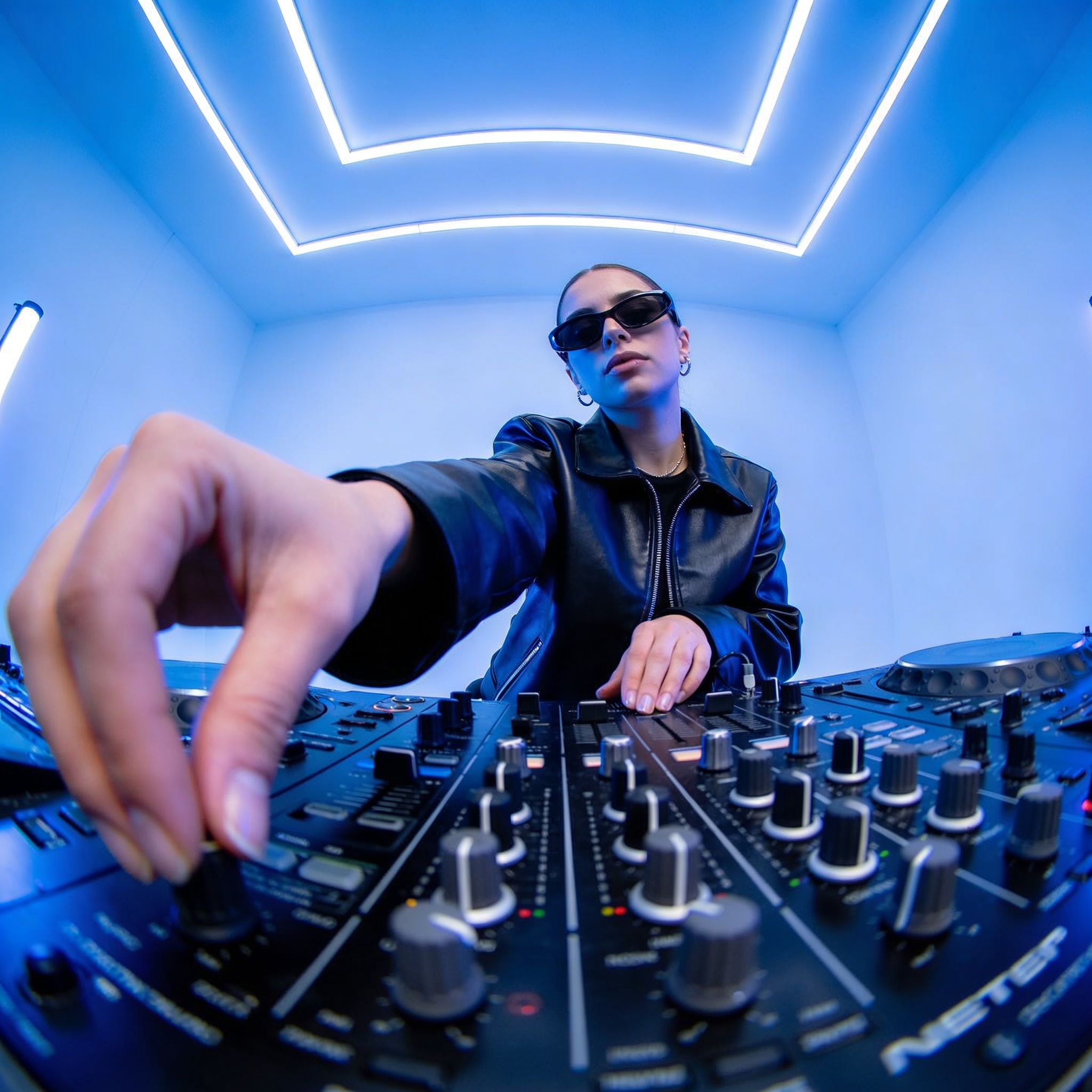
Why AI Video Advertising Became a Production Discipline
For most brands, video is no longer a campaign format. It is the default surface where attention is bought and lost. Feeds autoplay, product pages embed motion, and paid placements compete against creator content that looks native to the platform rather than polished for television. The result is a simple pressure: you need more distinct video concepts per quarter than a traditional shoot schedule can physically deliver.
Generative video tools changed the economics of that pressure, but not in the way most teams assume. The headline benefit is not that a machine makes a finished commercial for you. It is that the cost of producing the twentieth version of an idea drops close to zero, which means you can test positioning, hooks, and visual treatment before you commit a real budget. Strategy moves earlier; production moves faster.
The teams getting results treat AI video as a production discipline, not a magic button. They write briefs, lock visual rules, version systematically, and measure everything. The teams getting frustrated treat it as a slot machine: type a sentence, hope for gold, publish whatever appears. This guide walks through the workflow that separates the two.
The Four Layers of a Modern AI Video Workflow
Before touching any generator, separate the work into four layers. Most failures happen because teams collapse them together and wonder why output feels random.
Layer 1 — Strategy. What job is this video doing? Cold attention on a social feed, mid-funnel objection handling, retargeting, onboarding, or a product demo. Each job implies a different length, hook, and level of production polish. Write this down in one sentence before generating anything.
Layer 2 — Generation. This is where AI models produce raw shots or full sequences. It includes text-to-video, image-to-video, video-to-video transformation, talking-head avatars, and generated voice. Treat outputs as rushes, not as finished assets. Rushes are supposed to be imperfect.
Layer 3 — Assembly. Editing, sound design, captions, color consistency, logo placement, and legal review. This is where a loose collection of clips becomes an ad with a point of view. Budget more time here than you expect.
Layer 4 — Distribution. Aspect ratio cutdowns, hook variations, thumbnail frames, and platform-specific pacing. A strong 30-second spot is not automatically a strong 6-second bumper; they need separate edits, not a trim.
Once these layers are visible, you can decide where AI genuinely helps and where a human should stay in control. In practice, Layer 2 is almost entirely machine-assisted, Layer 3 is human-led with AI assists, and Layers 1 and 4 remain firmly human decisions.
Writing a Prompt Brief That a Model Can Actually Follow
Generative video responds to structure far more reliably than to adjectives. "Cinematic and epic" tells a model almost nothing. A shot list with camera language tells it a great deal.
The five-line prompt skeleton
For every shot, write five lines in this order:
- Subject — who or what, with one distinguishing detail ("a woman in her thirties wearing a charcoal running jacket").
- Action — a single continuous motion ("jogs three steps then stops and looks left").
- Setting — location, time of day, weather, background density ("wet city pavement at dawn, blurred traffic behind").
- Camera — shot size and movement ("medium shot, slow handheld push-in, shallow depth of field").
- Light and mood — source and contrast ("cool overcast light from the left, soft shadows, muted palette").
This skeleton works because it mirrors how a camera crew reads a call sheet. It also makes troubleshooting easy: if a shot fails, you can change one line instead of rewriting everything.
Negative prompts and guardrails
Negative guidance is often more valuable than positive description. Tell the model what to avoid: "no text overlays, no logo, no lens flare, no extra fingers, no camera shake, no dramatic zoom." If your brand has a house look, encode it once in a reusable guardrail block and paste it into every prompt. Ten minutes of setup here saves hours of re-rolling.
A worked example
Weak prompt: "A cool cinematic shot of someone drinking coffee, premium vibes."
Working prompt: "Subject: a man in his forties in a cream linen shirt, hair slightly damp. Action: lifts a ceramic cup, takes one sip, sets it down slowly. Setting: minimalist kitchen counter, morning, one window, a plant out of focus. Camera: close-up on hands then slow tilt up to face, 35mm feel, static. Light: warm directional sunlight from the right, soft falloff, natural skin tones. Avoid: text, logos, extra people, fast cuts."
The second prompt is longer but measurable. You can swap "kitchen" for "balcony" and keep every other variable constant, which is exactly how you run a controlled creative test.
Choosing the Right Generation Mode for Each Shot
Not every shot deserves the same technique. Matching mode to intent is the fastest way to raise average output quality.
Text-to-video
Best for establishing shots, abstract transitions, textures, backgrounds, and anything where exact continuity of a person's face does not matter. It is fast and cheap to explore with, which makes it ideal for the first round of concept testing. It is weakest when you need the same character to appear across five shots.
Image-to-video
Best for product shots and brand-critical visuals. Generate or photograph a still frame that is exactly right, then animate it. Because the first frame is pixel-controlled, your packaging, logo, and color come out correct. This is the mode most e-commerce teams should default to.
Video-to-video and style transfer
Best for reusing existing footage with a new look, adding environmental effects, or turning a phone-shot reference into a stylized sequence. Practical caution: heavy transformation can smear fine detail, so keep source footage clean and shoot slightly wider than you need.
Avatar and talking-head generation
Best for explainers, localized voiceovers, internal training, and testimonial-style formats where a real presenter is unavailable or too expensive to book repeatedly. Performance quality depends heavily on script rhythm — short sentences and clear pauses read better than dense paragraphs.
When to just film it
If the shot requires a real human hand interacting precisely with a physical product, a specific legal claim, or a celebrity likeness, shoot it. A hybrid approach — generated environments plus filmed product inserts — is usually stronger than pretending one method covers everything.
Keeping Characters, Products, and Brand Consistent
Consistency is the single hardest problem in AI video advertising. A campaign where the hero looks like a different person in every scene reads as chaotic, and chaos kills brand recall.
Build a reference kit before you generate anything: two or three approved character stills, a product still from three angles, a color palette with hex values, a typography sample, and a one-paragraph tone description. Then follow three rules.
Rule one: lock the seed or reference image. When a tool supports a seed value or a reference frame, reuse it across every shot in a sequence. Re-rolling for a fresh seed resets the face.
Rule two: change one variable at a time. If you need a new angle, change only the camera line in your prompt. If you need a new location, keep subject and light lines identical.
Rule three: finish with a grade. Generated clips rarely match each other's color science out of the box. Apply a single look-up table or a manual grade across the whole edit. This one step does more for perceived production value than any prompt tweak.
For products specifically, image-to-video plus a locked first frame will almost always beat text-to-video. For recurring human characters, generate a clean reference still first, then animate from it rather than describing the person again in words.
Sound Design, Voiceover, and Captions
Audiences forgive imperfect visuals far more readily than bad audio. Video that looks slightly synthetic but sounds clean outperforms beautiful footage with hollow room tone.
Start with a music bed chosen for tempo, not genre. A track at 100 BPM with a clear downbeat makes editing and beat-matching trivial; an ambient wash gives you nothing to cut to. If you are generating music, specify instrument, tempo, and energy curve explicitly, and ask for a version without a prominent melody so voiceover sits on top.
For voiceover, write for the ear. A script with nested clauses will sound robotic no matter how good the synthetic voice is. Break sentences at natural breath points, keep most under fifteen words, and read the script aloud before generating. If your tool supports pacing controls, slow the read by roughly ten percent for instructional content and speed it up for high-energy promos.
For captions, assume most viewers start muted. Burn in captions or use a platform-native caption track, place them inside the safe zone, and limit them to two lines at a time. Avoid automatic transcription without review — brand names, product names, and numbers are exactly where auto-captions fail, and those are the words that matter commercially.
Finally, add foley. A subtle cloth rustle, a cup set down, footsteps on wet pavement. These micro-sounds are what makes generated footage feel physically real. Most editing suites include a small library, and ten minutes of foley work will lift a scene noticeably.
Editing and Platform Cutdowns
An AI-generated ad is not finished when the clips render. It is finished when the edit has rhythm.
Build a master edit first at your longest required duration, typically fifteen to thirty seconds. From that master, derive cutdowns rather than trimming the ends. Each platform rewards a different structure.
- Vertical short-form: the first 1.5 seconds must contain motion and a visual promise. No logo intros, no slow fades.
- Square feed placements: the middle frame matters most because thumbnails are often pulled from it.
- Landscape pre-roll: you have roughly five seconds before skip, so front-load the payoff, not the setup.
- Story and status formats: design for sound-off viewing with a strong single line of on-screen text.
Check safe zones for every placement — top and bottom interface elements cover more of the frame than most editors assume. Keep faces and key text inside the central region.
Then do a hook matrix. The same body edit paired with three different opening shots gives you three testable creatives for almost no extra work. Generated video excels here: producing a new opening shot takes minutes, whereas a reshoot would take days.
Testing Framework: What to Measure and What to Ignore
Creative testing with AI video fails when teams test too many variables at once. Change one thing per variant: the hook, the offer phrasing, or the visual treatment. Everything else stays constant.
Track three-second view rate as your attention signal, hold rate at the halfway point as your narrative signal, and click-through or conversion rate as your action signal. A variant with a strong hook and weak hold tells you the setup was compelling but the payoff was not. A variant with a weak hook and strong hold is usually a great ad trapped behind a bad first second — fix the opening, keep the rest.
What to ignore: raw view counts (they measure placement, not creative), and likes as a proxy for performance. Also resist the urge to judge a generative model by a single output. Variance is inherent; judge a model by how often it produces a usable shot within five attempts.
Keep a prompt library as a shared asset. When a prompt produces an excellent shot, save it with a note about the model, settings, and aspect ratio. Over a few months this becomes the most valuable document on the team.
Common Mistakes That Kill AI Ad Performance
Overprompting. Ten lines of adjectives produce mush. Five structured lines produce a shot.
Skipping the reference kit. Teams generate a hundred clips and then discover none of them match. Lock the look first.
Ignoring the first second. A beautiful sequence that opens on a slow establishing shot will lose most of its audience before anything happens.
Treating generated output as final. Render, then grade, then sound-design, then caption. Skipping the finish makes AI output look like AI output.
No legal review. Generated content can drift toward recognizable logos, faces, or protected characters. Review every frame before publishing, especially in regulated categories.
Chasing novelty over clarity. A weird visual effect that does not communicate the offer is worse than a plain shot that does.
No versioning discipline. Save files with a naming convention that includes concept, hook, aspect ratio, and version number. You will thank yourself in week three.
Frequently Asked Questions
How many shots do I need for a good AI-generated ad?
For a fifteen-second spot, five to eight shots is a comfortable range. Fewer than four tends to feel static; more than twelve feels like a slideshow unless the pacing is deliberate.
Can AI video replace a real product shoot?
For hero product beauty shots, no — a controlled physical shoot still wins. For background environments, lifestyle context, and rapid variants, AI generation is faster and cheaper.
What makes one generated clip look better than another with the same prompt?
Usually the first frame, the lighting description, and the camera line. If a clip looks flat, add a directional light source and a specific shot size before changing anything else.
How do I stop characters from changing between shots?
Generate a reference still, then animate from it every time. Reuse the same seed or reference ID, and never describe the character from scratch in a new prompt.
Do I need a director or editor to do this well?
You need someone who understands pacing and continuity. That skill is more important than technical familiarity with any particular model, and it transfers as tools change.
How long should an AI-assisted ad take to produce?
Once the reference kit, prompt library, and grade are in place, a single fifteen-second variant typically takes a few hours of focused work. The first one in a new campaign takes a full day or more, because you are building the system, not just the ad.
Is it worth generating multiple hooks?
Almost always. Hook variation is the highest-leverage test in short-form advertising, and generating extra openings is the cheapest additional work in the entire pipeline.
Where to Start Tomorrow
Pick one product, one audience, and one platform. Build a reference kit, write five structured prompts, generate ten shots, and assemble a single fifteen-second ad with a real grade, real foley, and burned-in captions. Publish it alongside three opening-hook variants. Measure the three-second view rate and the half-point hold rate, then change exactly one thing and run it again.
That loop — brief, generate, assemble, test, refine — is the whole discipline. The tools will keep changing. The workflow is what compounds.
