

Why Realistic AI Characters Are Reshaping Video Advertising
Realistic AI characters have moved from technical demo to practical production asset. Advertisers no longer need a studio, a full crew, and a cast of actors to create a convincing spokesperson, a lifestyle scene, or a product demonstration. A small team can now generate multiple versions of a commercial, test different faces, voices, and settings, and iterate on performance data before committing to a final master.
The shift matters because video advertising is no longer a single asset. It is a system of hooks, formats, and variations. A realistic AI character can appear in a fifteen-second vertical spot, a six-second bumper, a thirty-second narrative ad, and a localized version for another market without reshooting. That flexibility changes how creative teams plan campaigns. Instead of treating production as a one-time event, they treat it as a pipeline that can be adjusted quickly.
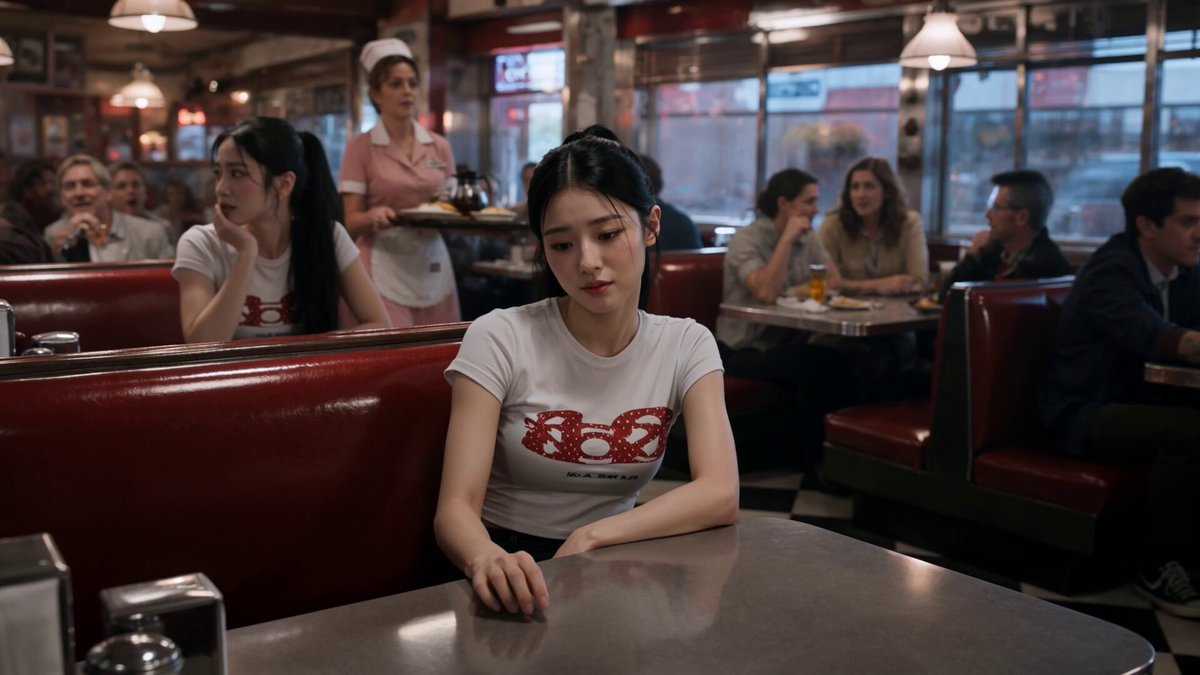
The most important technical challenge is not generating a single impressive frame. It is maintaining character identity, believable motion, and emotional continuity across many shots. A viewer may forgive a slightly stylized background, but they will notice when a face changes shape, a jacket changes color, or a voice does not match the person on screen. The workflow below focuses on that consistency problem.
The Full Production Workflow at a Glance
A realistic AI video ad production has four broad phases. Each phase has different tools and different quality gates. Skipping a phase usually creates more work later because you end up fixing identity drift, audio mismatch, or brand issues in postproduction.
Phase One: Strategy and Creative Brief
Start with the commercial objective. Is the ad meant to drive direct response, build brand recall, explain a product, or support a launch? The answer determines pacing, shot length, and how much dialogue the character needs. A direct response ad may open with a problem statement and a product close-up. A brand ad may rely more on atmosphere and a memorable line.
Write a one-page creative brief that includes the audience, the single most important message, the desired emotion, and the required call to action. Also define the character role. Is the character a customer, an expert, a guide, or a fictional persona? The role affects wardrobe, setting, and vocal delivery.
Phase Two: Preproduction and Character Design
Preproduction is where you build the character bible, gather reference images, write prompts, and plan the shot list. This is the most important phase for realism. A weak preproduction process produces a character who looks different in every shot. A strong one produces a character who feels like the same person across an entire campaign.
Create a shot list with clear labels: wide establishing shot, medium dialogue shot, close-up reaction, product insert, hand detail, and call-to-action frame. For each shot, note the camera angle, lens feel, lighting direction, and character action. This plan becomes the map for generation.
Phase Three: Generation and Iteration
Generate in passes. First, create a small set of still images to approve the character look. Second, generate short motion tests for each shot. Third, extend approved shots into full clips. Fourth, generate audio, lip sync, and sound design. This order prevents you from wasting render budget on scenes that will be rejected.
Phase Four: Assembly, Review, and Delivery
Edit the approved clips into a rough cut. Add music, sound effects, captions, and graphics. Then run a structured review. Check identity consistency, motion quality, audio sync, brand safety, and technical specs. Finally, export the master and all required aspect ratios and durations.
Building a Character Bible for Consistency
A character bible is a reference document that describes every visual and vocal detail of your AI persona. It is not a nice-to-have. It is the difference between a character who feels real and a collection of unrelated clips.
Identity References
Collect at least six to twelve reference images for the character. Include different angles, expressions, and lighting conditions. If you are using a text-to-image model, create a primary portrait, a three-quarter view, a profile view, a smiling expression, a serious expression, and a full-body shot. These references become anchors for later prompts.
When using a multi-image fusion or character reference feature, do not overload the model with contradictory images. Choose references that share the same age, bone structure, and general styling. If you want the character to appear in different outfits, keep the face references consistent and change only the wardrobe description.
Wardrobe and Styling
Define a default outfit and two or three alternates. Describe colors, fabrics, and fit in plain language. For example, a charcoal merino crewneck, dark indigo jeans, and minimal white sneakers. Avoid vague words like nice or stylish. Vague descriptions force the model to guess, and guessing creates inconsistency.
Expression and Gesture Library
List the emotions the character needs to perform. Common options include warm smile, thoughtful pause, confident explanation, surprise, concern, and relief. For each emotion, describe the facial action and body language. A thoughtful pause might involve a slight head tilt, eyes looking down and to the side, and a relaxed mouth. A confident explanation might use an open palm gesture and steady eye contact.
Voice Profile
Casting a voice is as important as casting a face. Define age range, accent, pitch, pace, warmth, and energy. If you are using a text-to-speech or voice cloning tool, generate several samples and compare them side by side. The voice must match the visual persona. A youthful face with a deep, slow voice can work for comedy, but it can feel wrong in a serious financial ad.
Prompting for Identity, Motion, and Emotion
Prompting for realistic AI video is different from prompting for still images. You are not only describing what the frame contains. You are describing how the subject moves, how the camera behaves, and how light changes over time.
Use a Stable Prompt Structure
A reliable prompt structure includes six parts: subject, action, setting, camera, lighting, and mood. For example, a woman in her early thirties with shoulder-length dark hair, wearing a charcoal crewneck, stands in a bright modern kitchen, speaks directly to camera, medium close-up, soft window light from the left, warm and trustworthy mood. The structure keeps important details from being forgotten.
Anchor Identity With Repetition
Repeat the most important identity markers in every prompt. If the character has a small scar above the left eyebrow, a specific hair part, or a particular eye color, include it consistently. Models tend to drift when prompts are too short. A short prompt may produce a beautiful clip, but the character may not match the previous shot.
Describe Motion Instead of Leaving It Implicit
Video models need motion instructions. Use phrases like she turns her head slowly to the right, he leans forward while speaking, the camera pushes in gently, or the character walks from left to right at a steady pace. Avoid conflicting motion. If the camera is pushing in, do not also ask for a wide static shot in the same prompt.
Control Emotion Through Physical Detail
Emotion is more convincing when it is shown through small physical cues. Instead of asking for a happy character, ask for a relaxed smile that reaches the eyes, a slight upward tilt of the chin, and shoulders that are dropped and open. Instead of asking for a serious character, ask for a steady gaze, a closed mouth, and a subtle furrow between the brows.
Use Negative Prompts Carefully
Negative prompts are useful for removing common artifacts, such as distorted hands, extra fingers, warped jewelry, floating objects, text overlays, watermarks, and unnatural skin texture. Keep the negative list short and specific. A long negative list can accidentally remove desired details, especially clothing texture or background elements.
Scene Design for Photorealistic Results
Realism depends as much on the scene as on the character. A perfectly generated face in a poorly designed environment still looks artificial.
Lighting Coherence
Choose one dominant light direction for each scene and keep it consistent across shots. If the window is on the left in the wide shot, it should still be on the left in the close-up. Mixed lighting can look cinematic, but it must be motivated. For example, a warm practical lamp in the background can justify a second light source.
Set Dressing and Depth
Add foreground, midground, and background layers. A character standing against a blank wall looks like a test render. A character in a real space has context: a table edge in the foreground, a plant in the midground, and a softly blurred window in the background. Use shallow depth of field to separate the character from the environment.
Continuity Across Shots
Track props, wardrobe, hair, and lighting across every shot. If the character holds a mug in the wide shot, the mug should appear in the medium shot or be intentionally set down. If the jacket is buttoned in one shot, it should not be open in the next unless there is a reason.
Practical Effects and Texture
Small imperfections increase realism. Skin should have pores, subtle redness, and natural highlights. Fabric should show weave and folds. Hair should have flyaways. Environments should include dust, reflections, or slight atmospheric haze. These details are easy to forget, but they are what separate a synthetic look from a photographic look.
Audio, Lip Sync, and Performance Direction
Audio is half of the viewing experience, and it is often the weakest part of AI video ads. A realistic face with robotic audio feels less trustworthy than a stylized face with excellent audio.
Voice Casting and Direction
Generate multiple voice options before committing. Listen for natural pauses, breath, and emphasis. Direct the voice by describing the performance, not just the words. Ask for a warm conversational read, a confident expert tone, or a friendly neighborly delivery. If the tool supports emotional tags, use them sparingly so the result does not sound theatrical.
Lip Sync and Timing
Lip sync works best when the dialogue is recorded or generated first, then the video is generated or aligned to it. Break long lines into shorter sentences. Give the character time to breathe and react. If the lip sync drifts, shorten the line or adjust the pause before the line begins. Avoid dense paragraphs of dialogue in a single shot.
Sound Design and Music
Add room tone, footsteps, cloth movement, and subtle background ambience. These elements make the scene feel grounded. Choose music that supports the emotion without overpowering the voice. For social formats, keep the music loud enough for silent viewing but mix the dialogue so it remains clear when sound is on.
Captions and Accessibility
Burned-in captions are common in social video, but they must be accurate, readable, and well placed. Use a consistent caption style that matches the brand. Check line breaks, timing, and contrast. Accessibility is not only a legal consideration; it also improves retention because many viewers watch without sound.
Quality Control and Brand Safety
Before delivery, run a formal quality control pass. This step catches problems that are easy to miss when you have been staring at the same footage for hours.
Identity and Continuity Checks
Watch the ad at normal speed, then watch it again frame by frame at every cut. Check the face, hairline, eye color, skin tone, and wardrobe. Look for sudden changes in lighting or background. If a shot breaks identity, regenerate it before moving on.
Motion and Anatomy Checks
Look for unnatural hand poses, extra fingers, warped glasses, melted jewelry, or feet that slide. Check that walking cycles look balanced and that head turns do not snap. If motion is the problem, simplify the action and generate again.
Brand and Legal Review
Confirm that the ad follows advertising standards, disclosure rules, and platform policies. If the character is synthetic, check whether your market requires a disclosure. Avoid using real celebrity likenesses without permission. Avoid generating logos, trademarks, or branded products unless you have the right to use them.
Bias, Representation, and Sensitivity
Review the character and scene for stereotypes or unintended signaling. Representation should be intentional, not accidental. If the ad will run in multiple markets, have local reviewers check language, gestures, clothing, and humor. A gesture that reads as friendly in one culture may read differently in another.
Delivery: Aspect Ratios, Lengths, and Versioning
A realistic AI ad is rarely a single file. Plan delivery from the beginning so you do not have to reframe or regenerate late in the process.
Aspect Ratios and Safe Areas
Generate or crop for the platforms you need. Vertical 9:16 works for short-form social, 1:1 works for feeds, and 16:9 works for web and television. Keep the character's face inside the safe area for each format. If you know you need vertical and horizontal versions, compose shots with extra headroom and side room.
Length Variations
Create a master cut and then derive shorter versions. A thirty-second ad can become a fifteen-second cut, a six-second bumper, and a teaser. The shorter versions should still have a clear hook, one message, and a call to action. Do not simply cut frames at random. Re-edit for pacing.
Hook and Message Testing
Generate multiple opening hooks with the same character. Test a question hook, a problem hook, a surprising statement, and a visual hook. Because the character is consistent, the audience perceives the variations as part of the same campaign rather than unrelated ads.
Localization and Subtitles
For localization, regenerate the voice track in the target language and adjust lip sync if needed. Update on-screen text, captions, and cultural references. Keep a clean master without burned-in text so you can create localized versions later.
Common Mistakes and Fixes
Mistake: Changing the Character Description Between Shots
Fix: Lock a character bible and copy the same identity markers into every prompt. Use reference images whenever the tool supports them.
Mistake: Writing Dialogue That Is Too Long
Fix: Break dialogue into short beats. Give the character time to pause and react. Generate audio first and align video to it.
Mistake: Ignoring Lighting Continuity
Fix: Define a dominant light direction for each scene. Reference the previous shot before generating the next one.
Mistake: Overloading the Prompt
Fix: Keep prompts focused on subject, action, setting, camera, lighting, and mood. Remove contradictory instructions.
Mistake: Using Vague Wardrobe or Prop Descriptions
Fix: Describe colors, materials, and fit. Name the props and their positions. Vague language creates drift.
Mistake: Skipping Audio Direction
Fix: Cast the voice with the same care as the face. Direct pace, warmth, and emphasis. Add room tone and sound effects.
Mistake: Testing Only One Version
Fix: Generate multiple hooks, endings, and calls to action. Use the same character to keep the campaign coherent.
Mistake: Forgetting Platform Specs
Fix: Check aspect ratio, duration, caption safe area, and file format before export. Create a delivery checklist.
Frequently Asked Questions
How do I keep an AI character consistent across many shots?
Use a character bible, multiple reference images, and a stable prompt structure. Repeat identity markers in every prompt and review each shot against a reference before moving on. If the tool supports character reference or multi-image fusion, use it with a small, consistent set of images.
Can realistic AI characters work for regulated industries?
Yes, but with extra review. Financial, health, and legal advertising often has strict rules about claims, disclosures, and endorsements. Work with legal and compliance reviewers early. If a synthetic actor could be mistaken for a real customer or expert, add clear disclosure where required.
What is the best order for generating video and audio?
Generate a scratch voice track first for timing. Then generate video shots to match the performance. Then refine the final voice, lip sync, music, and sound design. This order reduces wasted motion renders and makes editing easier.
How many variations should I create for a campaign?
Start with three to five hooks and two to three endings. Test them on a small audience before scaling. Once you know which hook performs, generate more variations around that direction.
How do I avoid the uncanny valley?
Focus on small imperfections: natural skin texture, believable eye movement, slight asymmetry, and realistic breathing. Avoid perfect symmetry and overly smooth skin. Audio quality matters just as much as visual quality. A natural voice can compensate for minor visual imperfections.
Should I disclose that the ad uses AI characters?
Check the rules of each platform and market. Some regions require disclosure for synthetic media, especially when it depicts realistic people. Even when disclosure is not legally required, transparency can build trust. A simple label such as synthetic actor or AI-generated character may be appropriate.
What tools are best for realistic AI video ads?
The best tool depends on your workflow. Some tools excel at character consistency, others at motion, others at lip sync or audio. Many teams use a combination: one tool for still character design, one for video generation, one for voice and lip sync, and a standard editor for assembly. Choose tools that export clean files and support the aspect ratios you need.
How do I measure whether an AI video ad is working?
Use the same metrics you would use for any video ad: hook rate, hold rate, click-through rate, conversion rate, and brand lift. Compare AI-generated variants against traditional creative. Look for whether the realistic character improves trust and recall, not just whether the ad looks impressive.
Final Thoughts
Realistic AI characters are now a viable production method for video advertising, but they are not a magic button. The teams that get the best results treat AI video like a disciplined production pipeline. They build a character bible, plan shots, generate in passes, direct audio with care, and run quality control before delivery.
The biggest opportunity is not replacing human creativity. It is increasing the number of creative options a team can explore. With a consistent character, you can test hooks, messages, formats, and markets without rebuilding the entire production from scratch. That speed and flexibility is what makes realistic AI video ads a strategic capability rather than a novelty.
