
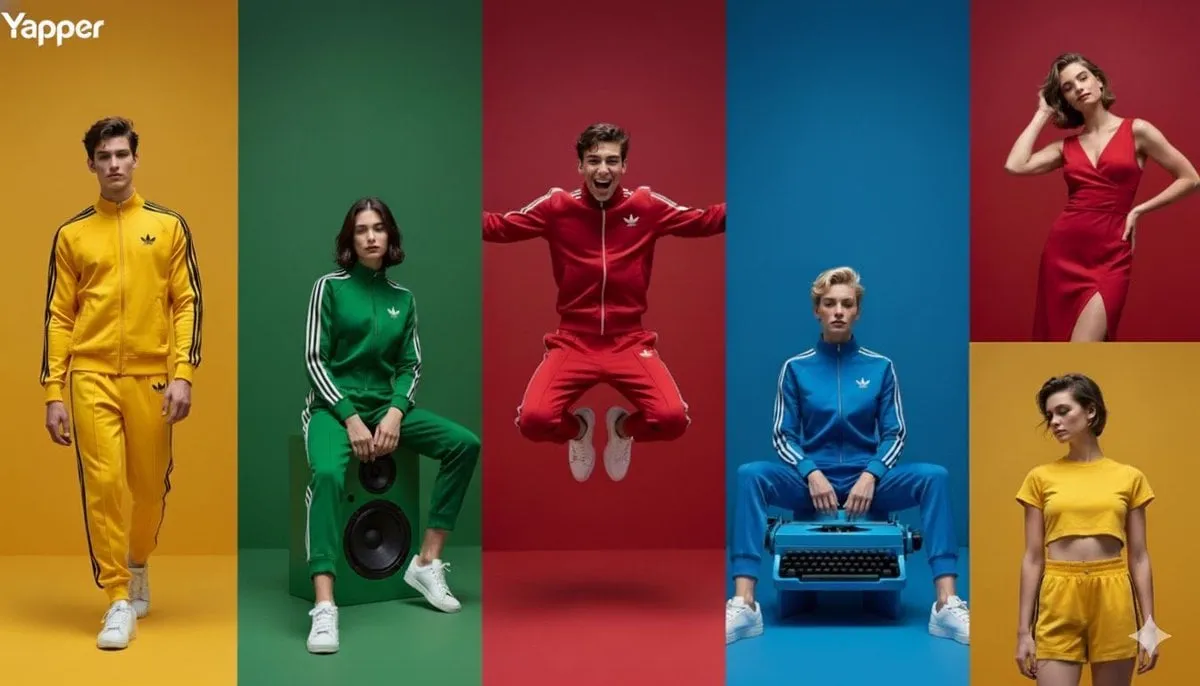

Video production used to be gated by three things: equipment, crew, and time. Generative models have dismantled all three at once. A solo creator with a laptop can now script, storyboard, generate, animate, voice, and score a sixty-second cinematic spot in an afternoon. A lean brand team can produce dozens of localized variants in the same window it once needed to shoot a single hero video.
That shift is not about novelty. Short-form and mid-form video dominate how audiences discover products, learn skills, and decide what to trust. Platforms reward volume and consistency; viewers reward specificity and craft. The teams winning this moment are rarely the ones with the biggest budgets. They are the ones with the most repeatable workflow.
This guide is a practical, tool-agnostic map of modern AI video production: how to plan shots, pick the right generation model for each scene, keep characters consistent across cuts, handle audio, run quality control, and iterate using real performance data. It is written for creators, marketers, and lean production teams who want cinematic output without a traditional pipeline.
Why AI Video Content Changed the Production Equation
Three structural changes matter more than any single model release.
First, the cost of iteration collapsed. Reshooting a scene used to mean a new shoot day, new lighting, new scheduling, new travel. Now it means a new prompt, a new reference frame, or a new seed and a short wait. When iteration is cheap, creative risk becomes rational. You can test five visual directions before committing to one, and you can throw away the safe option without burning budget.
Second, distribution fragmented. A single campaign now lives as a vertical hook, a horizontal explainer, a six-second bumper, and a looping social cut. Producing each variant manually is impossible at scale. Generative pipelines turn format expansion into a rendering task rather than a production task: generate once with a clean master, then reframe, recut, and re-voice for each channel.
Third, the expectation of polish rose. Audiences see cinematic AI work every day, so rough output reads as careless rather than experimental. That raises the bar for lighting, motion, hands, lip sync, and sound design. It also means the workflow, not the model, becomes the differentiator. Anyone can access a strong model. Fewer people can run a pipeline that produces a usable cut every single week.
Finally, discovery itself changed. Watch-time and retention now beat production value in most recommendation systems. A technically modest video that holds attention through its first five seconds outperforms a beautiful one that loses viewers at second three. AI video workflows should therefore be designed around hooks and pacing first, spectacle second.
Three Forces Reshaping How Video Gets Made
Hyper-personalization through multimodal generation
Modern models accept more than text. You can condition a shot on a reference image, a depth pass, a motion clip, a pose skeleton, or an audio track. That means the same script can be rendered in dozens of visual languages: a photoreal documentary look for one audience, an illustrated explainer style for another, a retro film grain treatment for a third.
Personalization at this level is not only about language localization. It is about tone, pacing, cast, wardrobe, and cultural reference. A workflow that treats style as a parameter rather than a fixed decision can serve multiple segments from one creative concept.
Production speed as a competitive advantage
Speed compounds. A team that ships a test video on Monday and iterates by Wednesday gets four learning cycles a month. A team that ships monthly gets one. Over a quarter, the fast team has made sixteen informed decisions while the slow team has made three.
The practical implication is to separate the fast path from the polished path. Draft on the fastest model available, even at lower resolution. Lock the story, then re-render the approved shots at high quality. Never polish a scene you have not yet validated in context.
From prompting to directing: planning agents
Prompting is a craft, but it is also a bottleneck. Newer workflows introduce a planning layer: a system that reads your brief, drafts a shot list, assigns camera language, suggests durations, and tracks which assets already exist. Think of it as an assistant director that never forgets continuity.
You do not need a fully autonomous agent to benefit from this. A structured shot list in a spreadsheet, with columns for duration, camera move, subject, wardrobe, location, and audio, reproduces most of the value. The agent just removes the bookkeeping.
Building an AI Video Workflow, Step by Step
Step 1: Lock the brief before touching a model
Write one sentence describing the audience, one describing the single emotional takeaway, and one describing the action you want. If those three sentences contradict each other, no model will save the video. Add hard constraints: aspect ratios, total runtime, brand colors, prohibited imagery, and the platform it must survive on.
Step 2: Script and shot list
Write the script as audio first. Listen to it read aloud without visuals. If it is boring as sound, it will be boring as video. Then break it into shots of three to eight seconds. Short shots are forgiving; long shots expose every flaw in motion, anatomy, and continuity.
For each shot, note four things: what the camera does, what the subject does, what the environment does, and what sound carries the scene. Shots with more than one moving element are where beginners get into trouble, so keep early scenes simple.
Step 3: Look development with keyframes
Generate still frames before generating motion. Iterate on composition, lighting, and wardrobe in image space, where changes are fast and cheap. Approve three to five look frames that represent the visual rules of the whole piece: palette, lens character, contrast, grain, and skin rendering.
Those approved frames become your reference set. Every subsequent shot should be generated with at least one of them attached as a style or subject reference. This single habit fixes more continuity problems than any other technique.
Step 4: Generation and motion
Generate one shot at a time, and generate more takes than you think you need. Review at full speed, not frame by frame, because viewers experience motion in real time. Reject anything with warped hands, sliding feet, flickering backgrounds, or a camera move that contradicts the previous shot.
Keep a simple naming convention: project-scene-shot-take. It sounds trivial until you have 300 clips and need to rebuild a sequence after a revision.
Step 5: Audio before assembly
Voice, music, and effects are not finishing touches; they are structure. Record or generate narration first, then cut picture to the audio rhythm. Where dialogue is on camera, prioritize accurate lip sync over visual perfection, because mismatched mouth movement breaks immersion faster than a soft background.
Build a small library of reusable sound design elements: whooshes, room tone, footsteps, fabric, and interface clicks. Layering two or three subtle sounds under a shot makes generated footage feel grounded.
Step 6: Assembly, color, and finish
Cut in an editor, not in the generation tool. Trim to the beat, remove the first and last half-second of every AI clip where artifacts cluster, and add transitions only where they serve the story. Apply a unified color treatment across all shots; a consistent grade hides minor differences between takes and models.
Export a clean master at the highest resolution you can afford, then produce platform variants from that master rather than regenerating them.
Choosing the Right Generation Model for Each Shot
There is no single best model. There is a best model for a shot type. Use these criteria.
- Motion complexity: models optimized for cinematic camera movement handle tracking shots and parallax well; models tuned for stylized animation handle exaggerated motion better.
- Subject consistency: if a recurring character appears, prioritize models with strong reference-image adherence over models with the prettiest single-frame output.
- Duration: shorter native clips are easier to control and stitch; longer native clips reduce editing work but limit your ability to fix a bad middle section.
- Text and interface rendering: if the shot includes legible on-screen text, generate the plate and add typography in post rather than fighting the model.
- Audio capability: native synchronized audio saves time on ambience and effects, but scripted dialogue still benefits from dedicated voice work.
- Iteration speed: for exploration, choose the fastest option. For hero shots, choose quality and accept the wait.
A useful discipline is to assign a primary model, a secondary model for problem shots, and an experimental slot for new releases. Rotating an entire pipeline every time a new model appears destroys consistency and morale.
Consistency: The Hardest Problem in AI Video
Consistency is what separates a demo from a deliverable. Attack it on four fronts.
Character sheets. Create a reference document for each recurring character with front, three-quarter, and profile views, plus wardrobe notes. Attach the most representative frame to every shot containing that character.
Seed and reference locking. Where a tool supports it, reuse the same seed or the same style reference across a scene. Change one variable at a time and note the result.
Shot discipline. Reuse camera distances and angles. If a conversation scene uses medium shots from two directions, do not suddenly insert a wide drone shot mid-dialogue.
Editorial repair. Sometimes the fastest fix is a cutaway, a reaction shot, or a tighter crop. Editors have hidden continuity problems for a century; use the same tricks instead of regenerating endlessly.
Multimodal Inputs: Text, Image, Audio, Video
The strongest results come from combining input types rather than relying on text alone.
Text defines intent: subject, action, camera, lighting, mood, and duration. Image defines appearance: composition, palette, and identity. Audio defines rhythm: pacing, emphasis, and emotional temperature. Video or motion reference defines movement: how the camera travels and how the subject carries weight.
A practical ordering: start with text to explore, lock the look with images, lock the timing with audio, then refine motion with video references. Teams that skip straight to video references often end up with beautiful but unusable footage because the story was never settled.
Quality Control: A Pre-Publish Checklist
Run the same checklist on every video before it ships.
- Watch once at full speed with sound, then once muted. If the muted version still communicates, your visuals are doing their job.
- Check the first three seconds. Is there a reason to keep watching?
- Inspect hands, eyes, teeth, jewelry, and hair edges at 100 percent zoom.
- Verify that on-screen text is legible on a phone, not just on your monitor.
- Confirm audio levels: dialogue consistent, music ducked under speech, no clipping.
- Verify captions are accurate and timed, especially for names and product terms.
- Check the last frame. A clean ending card beats an awkward generated tail.
Common Mistakes That Derail AI Video Projects
Generating before scripting. Beautiful footage without a story is expensive wallpaper. Script first, always.
Chasing one perfect clip. Perfectionism on a single shot delays the whole piece. Accept a strong take, move on, and revisit only if the edit demands it.
Mixing too many styles. Five visual languages in sixty seconds reads as chaos. Pick a lane and stay in it.
Ignoring audio. Viewers forgive soft visuals far more readily than bad sound.
Skipping the master export. If you only keep platform cuts, you cannot adapt later without regenerating everything.
No naming system. Asset chaos costs more hours than rendering ever will.
Publishing, Distribution, and Iteration
Publish in batches, not one-offs. Three related videos in a week teach you more than three unrelated videos in a month, because patterns emerge from comparison.
Track retention curves rather than view counts. Note the second where viewers drop off, then ask whether the cause was pacing, clarity, or relevance. Change one variable in the next video and test again. Typical high-leverage variables are the opening frame, the first line of narration, the length of the first shot, and the presence of on-screen text.
Keep a small internal library of what worked: winning hooks, proven shot types, sound elements, and captions. Over time this library becomes more valuable than any single model subscription.
FAQ: AI Video Workflows Answered
How long does a one-minute AI video take to produce?
A focused creator can produce a solid draft in three to six hours once the workflow is familiar. Polished work with original voice, sound design, and grading usually takes one to three days. The first project always takes longer because you are building templates.
Do I need a powerful computer?
Most generation happens in the cloud, so a mid-range laptop is enough. Local rendering and editing benefit from a decent GPU, but browser-based editors can cover most needs.
How do I keep characters consistent across shots?
Build reference sheets, attach the same reference image to every shot with that character, reuse seeds where possible, and prefer tighter framing that hides detail you cannot control.
Can AI video replace a traditional shoot?
For explainers, product variants, social content, and concept visualization, often yes. For documentary authenticity, live performance, and complex human interaction, a hybrid approach still wins. Many teams shoot the hero footage and generate everything around it.
What should I learn first?
Shot listing and editing. These transfer across every model and every platform. Prompting techniques change quarterly; storytelling and pacing do not.
How do I avoid a generic look?
Reference real cinematography, limit yourself to one palette and one lens character, add texture through grain and practical lighting cues, and let sound design carry atmosphere that visuals cannot.
What to Do Next
Pick one small project: a thirty-second explainer, a product teaser, or a single social hook. Write the brief, build the shot list, approve look frames, generate one shot at a time, and cut to audio. Ship it. Then repeat the process with one variable changed.
The models will keep improving, and the studios that thrive will be the ones that treated every release as an upgrade to an existing pipeline rather than a reason to start over. Build the workflow once, document it, and let better generation quality flow through it.
Video is no longer limited by what you can afford to shoot. It is limited by how clearly you can think, how tightly you can structure a story, and how disciplined you are about the last ten percent of polish. That is good news for anyone willing to learn the craft.
