
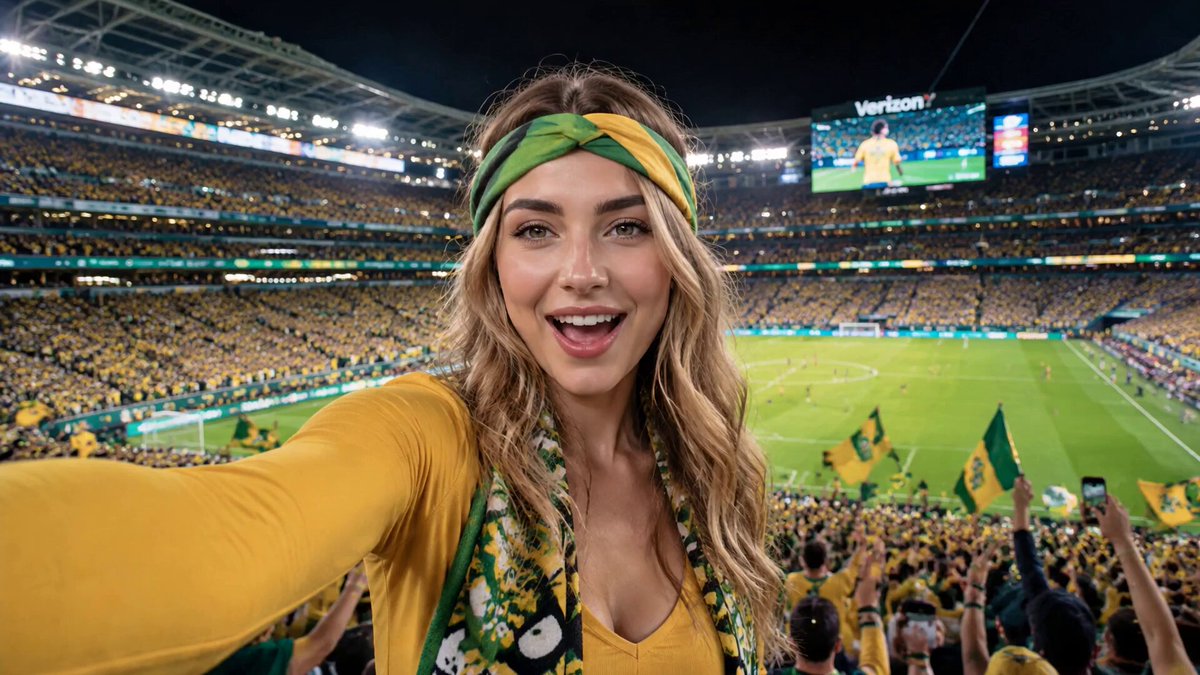

Why Simple Footage Fails and What Actually Fixes It
A plain scene — a person walking into a room, a product sitting on a table, a street at dusk — is almost never unusable. What makes it feel forgettable is a short, predictable list of problems: flat lighting, no clear focal point, a cut that lands one beat too late, and audio that does nothing to steer attention. Viewers decide within the first few seconds whether a clip deserves more of their time, which means the opening moment carries far more weight than any single shot later in the piece.
The good news is that none of these problems require a bigger camera or a bigger crew. They require better decisions made in a better order. That is the real argument for an AI-assisted editing workflow: use generation and analysis tools to solve specific bottlenecks — planning, coverage, continuity, cleanup — while keeping creative judgment in human hands. A simple scene becomes cinematic when the cut has intent, the camera movement has a reason, and the sound tells the audience where to look next.
This guide lays out a repeatable workflow you can apply to short films, brand pieces, documentary fragments, social cuts, and product videos. It focuses on process rather than a single tool, so you can swap components as your needs, team, and render capacity change.
The Modern AI-Assisted Editing Workflow at a Glance
The workflow has ten stages, and only three of them involve heavy tooling. Everything else is decision-making.
- Intent — one sentence describing what the piece must make the viewer feel or do.
- Script or beat sheet — a written spine, not a finished screenplay.
- Shot plan — what you need to capture or generate, and in what order.
- Acquisition — live footage, generated shots, or both.
- Assembly — a rough cut with the story in place and nothing else.
- Rhythm pass — trimming for pace, not for content.
- Camera language pass — movement, lens feel, and continuity.
- Sound pass — dialogue, ambience, music, silence.
- Finishing — cleanup, effects, color, texture.
- Delivery — export variants, captions, and archive.
The mistake most editors make is jumping straight to stage five. Without stages one through four, the timeline becomes a place where problems are discovered rather than solved.
Where AI Saves the Most Time
- Transcription and paper edit. Automatic transcripts turn hours of interviews into searchable text. You cut the story in text, then let the tool build a rough timeline from your selections.
- Coverage generation. When you need a wide establishing shot, a top-down insert, or a reaction shot you never captured, generating it is often faster than scheduling a reshoot.
- Rotoscoping and masking. Isolating a subject for a background replacement or a clean graphics pass used to be a day of manual keyframing. Modern segmentation models do it in minutes.
- Upscaling, denoise, and stabilization. Older footage can often be brought up to a usable standard without a reshoot.
- Dialogue isolation and cleanup. Removing room hum, traffic, or an air conditioner from a usable take is now routine.
- Format variants. One timeline can produce vertical, square, and widescreen versions with caption burned in or exported as separate files.
Where Human Judgment Still Decides
- Choosing the emotional peak of a take. A model can find a technically clean delivery; it cannot reliably find the one where the subject's voice cracks in the right way.
- Deciding what to cut. Restraint is a taste decision, not an optimization problem.
- Rhythm. Software can suggest a beat-matched cut, but the choice to hold two extra seconds before a reveal is editorial.
- Performance and tone. Whether a line should be delivered warm or cold is a directing decision.
- Music selection. The right track makes an ordinary scene feel inevitable. That is a listening decision.
- Final color and mix. Technical targets matter, but the last ten percent is feel.
Planning the Story Before You Touch the Timeline
Planning is where AI tools have quietly become most useful, because planning is fundamentally about structure and structure is something models handle well when given clear constraints.
Write a One-Line Spine
Before anything else, write one sentence: A skeptical buyer watches a product survive an absurd stress test and changes their mind. If you cannot write that sentence, no amount of editing will save the piece. Keep it visible while you edit. Every shot you keep should serve that sentence; every shot that does not serve it is a candidate for removal, no matter how beautiful.
Build a Shot List That Survives the Edit
A useful shot list is organized by story beat, not by shoot day. For each beat, note:
- The essential shot — the one shot that must exist for the beat to work.
- Two alternates — a wide and a detail, so you have coverage if the essential shot underperforms.
- The transition out — what the audience should see or hear as the beat ends.
This structure makes generation practical: instead of prompting for a random pile of clips, you prompt for a specific gap in the plan.
Storyboard Just Enough to Protect Continuity
You do not need detailed illustrations. Blocky sketches or even text descriptions of camera position, subject position, and screen direction are enough. The purpose is to catch continuity problems before you spend time generating or shooting. If your character exits frame left in beat two, they should not appear from frame right in beat three without a bridging shot.
Getting the Right Shots: Generation, Selection, and Consistency
Acquisition is where most AI video projects succeed or fall apart. A single striking generated clip is easy. Ten clips that look like they belong to the same film is the actual challenge.
Prompting for Reusable Consistency
Build a written character and location bible and reuse it verbatim. Include:
- Subject description — age range, wardrobe, hair, distinguishing features, posture.
- Environment — time of day, weather, architectural style, dominant materials.
- Lighting — key direction, color temperature, contrast level.
- Lens and framing language — focal length feel, height, movement style.
- Grade reference — a description of the palette, not just a mood word.
Change one variable at a time when testing. If you change lighting, wardrobe, and lens in the same iteration, you will not know which change broke the look.
When Generation Beats Live Footage
Generation wins in a few clear situations: impossible or expensive locations, dangerous stunts, historical or speculative settings, abstract concept shots, and pickup shots that would otherwise require reassembling a crew. Live footage still wins when you need authentic performance, real texture, unscripted human behavior, or footage that must hold up to legal and journalistic scrutiny.
A practical hybrid: shoot the performance and the close-ups live, generate the environment, the establishing shots, and the transitions.
Multi-Image References and Character Stability
When a character must return across several shots, feed the model multiple reference images rather than one. A front view, a three-quarter view, and a profile dramatically reduce drift in facial features. Keep a reference folder per character and per location, and treat those folders as production assets you version carefully. If a shot comes out with a subtly different face, regenerate before you build a habit around it — small inconsistencies compound fast across a two-minute piece.
Building Rhythm in the Cut
Rhythm is the difference between a sequence of clips and a piece of film. It is also the part of editing that most rewards practice.
Pacing Rules of Thumb
- Open with motion and a clear focal point; the first shot should give the eye somewhere to land.
- Cut faster as tension rises, slower as it resolves.
- Let the emotional peak breathe. The shot you linger on is the shot the audience remembers.
- Avoid two consecutive shots of the same subject at the same distance with the same energy.
- If a cut feels wrong, try removing four frames before you try removing the whole shot.
Jump Cuts, Match Cuts, J-Cuts, and L-Cuts
A jump cut compresses time within the same framing. Used carelessly it looks like an error; used rhythmically it creates urgency and works well in instructional and social content.
A match cut links two shots through a shared shape, motion, or composition. A round clock face cutting to a round plate is a classic example. Match cuts let you travel across time and space without a formal transition.
A J-cut brings the next scene's audio in before its picture. An L-cut holds the previous scene's audio over the new picture. Both are sound-driven edits, and both are far more effective than most visual transitions for keeping a scene flowing.
Cut on Motion, Not After It
The single most reliable trick in editing is to cut during movement rather than after it settles. Whether it is a hand gesture, a turn of the head, or a camera pan, cutting mid-motion hides the seam and keeps energy up. This matters even more with generated footage, where the final frames of a clip often degrade or drift.
Camera Language and Visual Continuity
Once the story works, the next pass is about making the camera feel like it has a point of view.
Virtual Lenses and Intentional Movement
Think in terms of lens behavior rather than settings. A wide lens close to the subject exaggerates space and feels immersive. A long lens compresses and feels observational. Slow push-ins build tension; fast whip movements signal energy; static frames signal honesty.
Decide the camera's motivation before you generate or shoot: is it following the subject, revealing information, or reacting? A camera that moves for no reason reads as noise.
Matching Generated Shots With Real Footage
Matching generated and live material comes down to three things: grain and texture, contrast and black levels, and motion blur. Add light grain to clean generated shots, and reduce over-sharpened detail so it sits closer to camera footage. Sharpen nothing until the very end; sharpening early makes mismatches obvious.
Color and Texture as Glue
A single grade applied across the whole piece does more for perceived quality than any individual shot. Choose one palette, one contrast curve, and one highlight roll-off, then apply them consistently. Save looks as presets so a re-export months later still matches.
Sound Design Is the Second Edit
Audiences forgive imperfect picture far more readily than imperfect sound. Treat the audio pass as a second edit, not as a final polish step.
Dialogue and Voice First
Get every line clean and consistent in level before you touch music. Normalize dialogue to a consistent target, remove breaths that distract, and repair clicks and plosives. If a line is unusable, try generating a scratch replacement to test whether the scene still works, then decide if a pickup is worth it.
Ambience, Room Tone, and Silence
Every location needs a bed of ambience, even a quiet room. Without it, cuts between takes become audible jumps in silence. Build an ambience track that runs the full length of the piece, then layer specific sounds — a door, a distant siren — on top.
Silence is a tool. Dropping all sound for half a second before a reveal is often more effective than any riser.
Music as an Emotional Map
Choose music after the picture is locked, not before, unless the piece is built to a track. Map the emotional beats on paper, then find a track that supports them. If the music fights the picture, you can often fix it by cutting the music rather than the image: bring it in later, drop it out for a line, or let it resolve on a different beat than the visual.
Cleanup, Effects, and Finishing Details
Fixing What You Cannot Reshoot
Use segmentation and inpainting for object removal, logo cleanup, and continuity repairs. Fix boom shadows, visible crew, and modern artifacts in period footage. Keep a written log of every fix so you can revisit decisions later. Always work on duplicates and keep the original media untouched.
Effects That Serve the Story
Add effects only when they clarify something. A simple graphic that shows a distance or a timeline helps the audience far more than a particle burst. For titles, favor one typeface, two weights, and consistent placement; motion should be short and quick to settle.
Export, Captions, and Versioning
Export a high-quality master in the highest resolution you delivered, plus platform-specific variants. Burn in captions for social cuts and provide separate caption files for platforms that support them. Name files with a consistent scheme — project, version, aspect ratio, date — and keep a short changelog. Future-you will not remember which version had the fixed audio.
Common Mistakes That Kill Otherwise Good Edits
- Starting in the timeline. Editing before the story exists guarantees endless revision.
- Too many shot sizes, too little intent. Constant cutting without a reason reads as chaos.
- Ignoring screen direction. Crossing the line disorients viewers even when they cannot say why.
- Neglecting the first three seconds. A slow, unclear opening loses the audience before the story begins.
- Fixing audio last. Level jumps and noisy dialogue are more damaging than soft picture.
- Overusing transitions. Wipes, spins, and glitches rarely beat a well-timed hard cut.
- Chasing consistency with brute force. Regenerating dozens of shots instead of locking references wastes time; fix the prompt, not the volume.
- Sharpening early. Aggressive sharpening on one format creates artifacts that are hard to remove later.
- No backup or naming discipline. Lost media and ambiguous filenames cost more hours than any render.
FAQ
How long should I spend editing a two-minute piece?
For a two-minute polished piece, expect two to four hours for the assembly and rhythm pass, then roughly the same again for sound, cleanup, and delivery. Generation time is separate and depends on how many shots you need.
Can AI fully replace an editor?
For templated formats with predictable structure, an automated pipeline can produce a usable result. For anything with performance, tone, or persuasion, the editorial decisions — what to keep, when to hold, when to cut — still come down to taste.
What do I fix first if the edit feels flat?
Check the opening and the sound. Most flat-feeling edits have a weak first shot and an audio track with no dynamics. Fix those two before you re-cut the middle.
Do I need generated footage at all?
No. The workflow in this guide works with live footage only. Generation is most valuable when you need coverage, environments, or concept shots you cannot practically capture.
How do I keep a character consistent across many shots?
Write a detailed character bible, collect multiple reference images from different angles, reuse the same lighting and lens language, and verify each shot against the references before moving on.
What is the best way to learn pacing?
Rebuild a scene you admire shot for shot. Time each cut, note the shot sizes, and observe where the editor slows down. Copying structure is the fastest route to developing your own instinct.
