
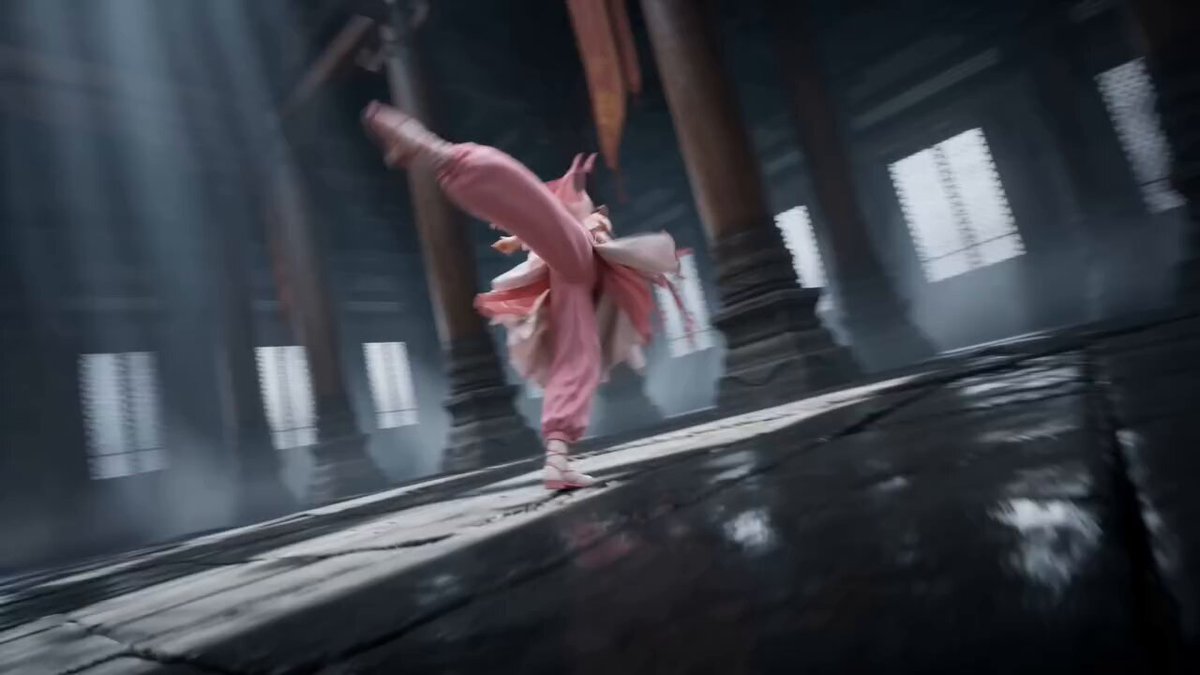

Why AI Editing Changed the Economics of Short Films
Short films live in a strange economic space. They almost never earn their budget back directly, yet they remain the most credible proof that a filmmaker can carry a story from page to screen. Festivals, grants, crews, and collaborators all judge you on the short you actually finished, not the feature you keep describing at dinner.
The problem is that a ten-minute short traditionally demands feature-scale logistics. You need locations, permits, a crew that can hold a boom pole and a slider at the same time, insurance, catering, and enough coverage to survive the edit. Most first shorts die somewhere between the shot list and the third weekend of shooting, not because the idea was weak but because the pipeline was too expensive to sustain.
Generative video and AI-assisted editing attack that bottleneck from three directions at once. Previsualization becomes nearly free, so you can see the film before you commit to it. Coverage becomes cheap, so a scene that needed six setups can be explored in twenty generated variations. And finishing becomes accessible, because cleanup, upscaling, dialogue repair, and color matching now live inside tools that cost less than a single rental day.
What AI does not change is the part that actually matters to an audience: a clear dramatic question, a character who wants something, and a rhythm that holds attention. A pipeline guide is only useful if it serves that. So treat everything below as craft infrastructure, not a substitute for taste.
The Three Layers of an AI-Assisted Short Film Pipeline
It helps to separate the work into three layers, because each one uses different tools and different judgment. Mixing them together is the fastest way to lose a weekend.
Layer 1: Development and previsualization
This is where you decide what the film looks like before spending anything. Build a shot list from the script, then convert each line into a visual reference. Image models are excellent here: a handful of stills locked in a consistent palette and aspect ratio will communicate more to a future collaborator than three pages of description. Assemble them into a storyboard or a simple animatic with scratch audio, and watch it out loud. Most structural problems reveal themselves at this stage, when fixing them costs nothing.
Layer 2: Shot generation
Here you produce the actual moving images. Text-to-video handles establishing shots, atmosphere, and inserts. Image-to-video handles anything that needs to match an existing look, which is most of a narrative film. Video-to-video, when available, is best reserved for restyling or repair rather than primary creation. Generate in passes organized by scene, not by chronology, so you stay inside one visual logic while you work.
Layer 3: Assembly, sound, and grade
This layer lives mostly inside a nonlinear editor. You conform selected takes, cut for rhythm, design sound, and finish color. AI features here include speech enhancement, stem separation, footage upscaling, frame interpolation for slow motion, and automatic color matching between shots from different sources. These are force multipliers, not creative decisions. You still choose where to cut.
Choosing the Right Generation Model for Each Scene Type
Every generator has a personality. Some excel at photoreal faces, others at motion, others at stylized rendering. Instead of picking one model and forcing it to do everything, match the model to the shot.
Dialogue and performance scenes
Performance is the hardest category, because audiences read faces with brutal precision. Mouth shapes drift, eyes wander, and micro-expressions flatten out. Practical strategies: shoot a real actor against a neutral background and use generated footage only for environments and cutaways; or generate performance coverage from a locked reference still with a static camera and minimal body movement; or build the scene from reaction shots and inserts, a technique that has always worked and now also hides generation artifacts.
Action and movement scenes
Movement is where generators either shine or fall apart. Short, fast beats with a single clear camera intention tend to work best: a door slamming, a hand grabbing a wrist, a car pulling away. Long continuous action with multiple simultaneous movements usually produces melting limbs and shifting geometry. Break the sequence into beats and cut between them. Fast cutting is not a workaround here; it is the language of action cinema anyway.
Establishing shots, inserts, and atmosphere
This is the highest-return category for AI. A city at dawn, rain on a windshield, a hallway at night, an empty apartment with light moving across the floor. These shots set tone, provide transitions, and cost almost nothing to generate in volume. Budget your generation time so the majority of it goes here, where success rates are high, and reserve precision work for the few shots that carry story weight.
A Repeatable Step-by-Step Workflow
Lock the script first. A script that is still changing will force you to regenerate footage you already paid for in time. Write until the structure stops wobbling, even if dialogue is still rough.
Break the script into shots. One line of action equals one shot. Give every shot a number, a duration estimate, and a one-sentence intention. This document becomes your ledger for the entire production.
Build a reference pack. For each character, lock a seed image, a wardrobe description, and a lighting descriptor. For each location, lock a wide reference and a palette. Write these down in a shared document with exact wording, because consistency comes from repeating language, not from repeating intent.
Generate in scene passes. Do not jump around the film. Finish one scene's coverage, review it on a timeline, then move on. This keeps you inside a consistent look and prevents the drift that happens when you return to a scene after twenty other prompts.
Select ruthlessly. Mark each take as usable, backup, or discard, and delete the discards from your working folder. A clean bin is a creative tool.
Conform and rough cut. Import selections into your editor, place them in script order, and cut for pace without worrying about polish. Your first goal is a film that runs at the right length and makes sense.
Refine performances with rhythm. Where generated acting feels flat, shorten the shot. Where it feels rushed, hold a beat longer or cut to a reaction. Timing fixes more bad footage than any filter.
Sound design before color. Add dialogue, ambience, and music, then watch the whole film with your eyes closed once. If the audio tells the story without images, your edit is structurally sound.
Grade last. Match shots, unify the palette, and add grain or halation sparingly. Grading early makes you fall in love with shots that should have been cut.
Continuity: Characters, Wardrobe, and Locations
Consistency is the single biggest technical complaint about AI-assisted films, and it is mostly a documentation problem. Keep a shot bible with locked descriptions for every recurring element. Use the same nouns, the same adjectives, and the same camera language across prompts. Change one variable at a time when testing, so you know what caused a result you liked.
Practical habits that reduce drift: prefer medium and wide shots over tight close-ups of generated faces; avoid scenes with three or more characters in one frame; use inserts (hands, feet, props, reflections) to bridge between generated shots; keep a fixed aspect ratio and resolution across the entire project; and reuse a successful shot as a reference for its neighbors rather than regenerating from text.
When continuity still breaks, hide the seam with an edit rather than fixing it in generation. A cut on movement, a whip pan, or a reaction shot will absorb more inconsistency than any amount of prompt engineering.
Audio, Dialogue, and Music Without a Sound Stage
Bad audio sinks more short films than bad images. Fortunately this is the most solvable layer.
Record or generate dialogue, then clean it. Speech enhancement tools can rescue noisy capture, and voice synthesis can produce temporary lines for animatics, which is invaluable for testing whether a scene works before you commit to shooting it. For final dialogue, human performance still wins, and even a phone recording in a quiet room, treated properly, can carry a scene.
Separate stems when you only have a mixed track, so you can rebuild the balance. Add layered ambience rather than a single loop: room tone, distant traffic, a refrigerator hum, and a specific foreground sound will make even sparse footage feel inhabited. Use music sparingly and cut it out entirely in moments that need weight. Silence is an editing decision, and it is free.
Where AI Stops and Editing Taste Begins
The editor's job is unchanged: decide what the audience feels and when. AI can produce a usable take, clean a hiss, or stabilize a shaky frame, but it will never decide that the audience needs two seconds of a face before the door opens.
Study the fundamentals that predate every tool. Cutting on motion hides transitions. Reaction shots after a line change meaning. A held shot builds tension; a shortened one builds urgency. The order of shots creates the emotion, not the content of any single shot. A mediocre image cut correctly will outperform a beautiful image cut badly, every single time.
Common Mistakes That Ruin AI-Assisted Short Films
Generating before writing. No amount of visual polish rescues a film without a dramatic question.
No shot ledger. Without numbering and intention notes, you will lose track of what you already have and regenerate it three times.
Overusing long single takes. Long shots expose every artifact. Coverage is your friend.
Chasing one perfect shot. Perfectionism on a single image starves the rest of the film. Lock a good-enough take and move on; you can return if time allows.
Treating audio as an afterthought. Mix as you cut, not in a panic at the end.
Mixing formats and frame rates. Decide your delivery specification first and never deviate.
Ignoring rights and consent. Do not generate a recognizable real person's likeness, do not clone a voice without permission, and keep a record of every asset's source and license. This matters the moment you submit to a festival.
Delivering a trailer instead of a story. Cool montages are not films. Include scenes where characters talk, wait, and decide.
Tool Selection Criteria: A Decision Framework
Rather than chasing the newest release, evaluate tools against your actual constraints.
Control granularity. Can you specify camera movement, lens feel, lighting direction, and duration? More control matters for narrative work and less for atmospheric inserts.
Consistency support. Does it accept reference images, character seeds, or style anchors? Without these, you will fight drift on every shot.
Iteration speed. Fast, cheap iteration beats slow, beautiful output for a project with dozens of shots. Test this before committing to a tool for a full film.
Output specification. Check maximum duration, resolution, and aspect ratio against your delivery target before you fall in love with a look.
Repair and finishing features. Upscaling, interpolation, stabilization, and speech cleanup inside the same environment save hours of round-tripping.
Commercial terms and licensing. Confirm that your intended use, including festival submission, is permitted.
Learning curve. A tool you understand deeply will outperform a more powerful tool you keep fighting.
Map decisions to scene types: use the strongest photoreal generator for character close-ups, a fast flexible model for atmosphere and B-roll, an image-first model when you need to match existing stills, and your editor's built-in AI features for finishing work. A hybrid pipeline is normal and usually better than loyalty to one vendor.
Frequently Asked Questions
Do I need a crew to make an AI-assisted short film?
No, but you need collaborators. The most valuable roles are a script reader who will tell you the truth, a sound designer, and a composer or music supervisor. Everything else can be learned. Solo is possible, but a second pair of eyes saves weeks.
How long does an AI-assisted short take to make?
For a ten-minute film, expect three to six weeks of part-time work with a locked script: roughly a week of previsualization, two to three weeks of generation in scene passes, and a final week of editing, sound, and grade. The generation stage expands or contracts based on how much coverage you insist on.
How do I avoid the obvious AI look?
Cut faster, use fewer close-ups of generated faces, add texture such as grain and subtle lens artifacts, design layered sound, and grade for consistency rather than saturation. Inconsistency is what reads as machine-made, not any single frame.
Should I regenerate a shot that is 80 percent right?
Usually not. Cut it, shorten it, or cover the flaw with a reaction. Reserve regeneration for shots that carry story meaning and are structurally wrong, not merely imperfect.
What is the best editor for someone starting out?
Start with whatever you already know, and let the AI features influence your choice later. Editing craft transfers between applications; tool-specific knowledge does not. Learn pacing and sound first, then upgrade your software when you hit a specific wall.
Can generated performance replace actors entirely?
For atmosphere, inserts, and background crowds, yes. For a scene where the audience must read a decision on a face, a human performance remains far more reliable. A hybrid approach, real actors in generated worlds, is currently the strongest option.
The Bottom Line
An AI-assisted pipeline does not remove the hard parts of filmmaking; it moves them. Your time shifts away from logistics and toward judgment: which shot, how long, in what order, with what sound. That is a better place to spend your attention, and it is the only skill that will still matter when the next generation of tools arrives. Start with a script you believe in, build a shot ledger before you build a single frame, generate in disciplined scene passes, and finish the film. A finished short, however imperfect, is worth more than ten polished ideas still sitting in a folder.
