
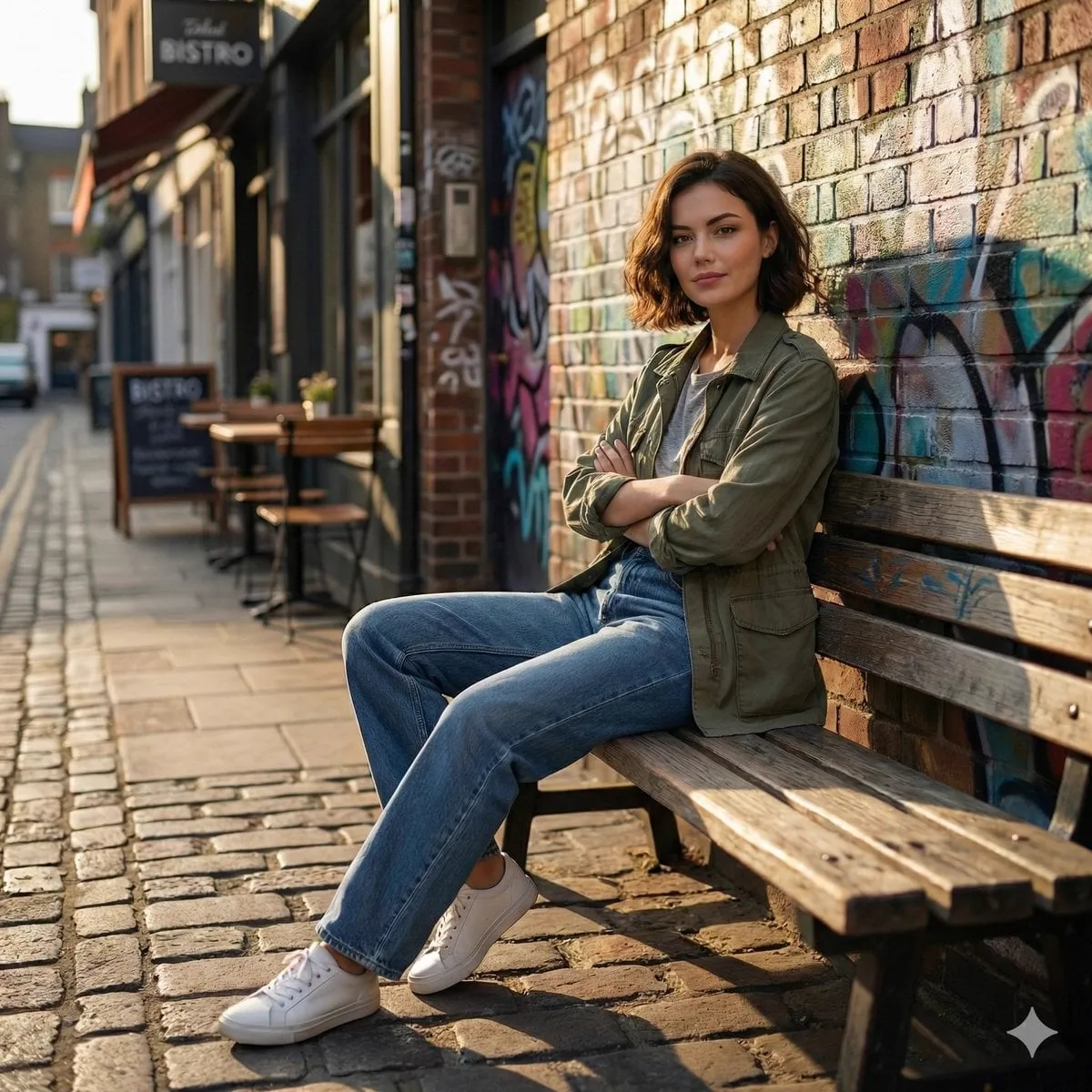
Why Prompt-Driven Production Is Reshaping the Editing Stack
For three decades, video post-production has been organized around a single metaphor: the timeline. You import footage, arrange clips on tracks, trim frames, grade color, mix audio, and render. Nearly every professional skill in the craft maps to an operation inside that interface. Generative video tools break that assumption. Instead of manipulating footage that already exists, you describe the shot you want and the system synthesizes it. Instead of cutting between takes, you decide whether a take needs to exist at all.
This is not a cosmetic speed upgrade. It changes what a production bottleneck looks like. When rendering used to take hours, the constraint was compute. When editing used to take weeks, the constraint was human attention. Now the constraint is usually clarity of intent: how precisely you can describe a scene, a camera move, a lighting condition, and an emotional beat so that a model produces something usable in two or three attempts rather than twenty.
The practical consequence for creators is that the job title changes shape. A video editor becomes part director, part prompt engineer, part quality-control lead. The software becomes less of a canvas and more of a collaborator that needs a brief. Teams that understand this shift early tend to build workflows where generation, review, and refinement happen in tight loops rather than long sequential handoffs.
What follows is a working model for that pipeline: how to choose generative tools per shot, how to keep characters and environments consistent, how to automate audio, how to translate a script into scene parameters, and where human judgment still earns its place.
From Timeline Manipulation to Outcome Definition
The clearest way to understand the transition is to compare the unit of work. In a classic editor, the unit of work is a clip operation: a cut, a dissolve, a speed ramp, a keyframe. In a generative workflow, the unit of work is a described outcome: 'medium shot, slow dolly in, late afternoon sun through blinds, character holding a paper cup, shallow depth of field.'
What still matters
Story structure, pacing instincts, and sound design judgment do not go away. Models are excellent at producing plausible motion and terrible at deciding what a scene needs to accomplish. A sequence that generates beautifully but communicates nothing is still a failed sequence. Editors who understand rhythm — how long to hold a reaction, when to cut on movement, how silence creates tension — remain the most valuable people in the room.
What quietly disappears
Rendering queues, proxy workflows, and most mechanical assembly fade into the background. So does a surprising amount of rotoscoping, tracking, and cleanup, because there is no original footage to repair. The work that remains is specification, selection, and refinement.
A useful rule: spend your time on the two ends of the pipeline — pre-production clarity and final polish — because the middle is increasingly automated.
Choosing the Right Model for Each Shot
No single generator is best at everything. Treat model selection the way a cinematographer treats lens selection.
Categories worth knowing
- Text-to-video models for establishing shots, landscapes, abstract transitions, and B-roll where no specific face is required.
- Image-to-video models for controlled results, because a still frame locks composition, wardrobe, and lighting before motion is added.
- Avatar and lip-sync tools for talking-head content, explainers, and localized versions of existing footage.
- Specialized restoration and upscaling tools for archival material, phone footage, and low-light noise.
- Motion-transfer tools when a performance needs to drive a different character or style.
Decision criteria
Ask four questions before generating anything: Does the shot need a recognizable person across multiple cuts? Does it need physical accuracy, like pouring liquid or a hand gripping an object? Does the style need to match an existing library? How many variations can you afford to review?
If the answer to the first two is yes, an image-to-video route with a locked reference frame will save more time than any prompt trick. If the shot is purely atmospheric, a text-to-video pass is faster. Matching an existing style usually means generating stills first, approving a look, then animating from those approved frames.
Consistency: Character Persistence and Look Lock
The hardest problem in generative video has never been beauty; it is continuity. A character who changes nose shape between cuts destroys audience trust faster than a soft focus shot.
Reference-driven character work
Build a small reference pack for each recurring character: three to five stills covering a front view, a three-quarter view, a profile, and a neutral expression under consistent light. Most modern pipelines accept one or more reference images and attempt to preserve identity. The more consistent your references, the less drift you see.
Multi-image fusion
When a scene requires two characters interacting, or a character in a specific location, fusion tools that combine multiple references solve problems single-image conditioning cannot. You supply the person, the wardrobe, and the environment separately, and the model composes them. This is where a lot of iteration happens, so budget time for it.
Environment and grade continuity
Lock the look before you lock the motion. Generate a set of approved keyframes for every location, note the color temperature, lens character, and grain level, then reuse those frames as starting points. Keep a simple continuity document: wardrobe changes, time of day, props that must persist.
Consistency is not a model feature you buy once; it is a discipline you maintain across every shot.
Audio Without the Mixing Desk
Audio is where AI-assisted pipelines surprise people. Dialogue, music, and effects used to require three separate specialists and a lot of manual alignment. Now, much of it can be generated or repaired faster than it can be searched for in a library.
Voice and dialogue
Text-to-speech systems now produce natural cadence, breath, and emphasis, and voice conversion can reshape a performance into a different tone or language while preserving timing. For narration, generate in paragraph-sized chunks so you can re-render a single sentence without regenerating a whole track. Always keep the script beside the timeline for quick fixes.
Music and atmosphere
Generative music works best as a texture layer: an ambient bed, a percussive pulse, a sparse piano motif. Ask for a duration slightly longer than your scene and trim, because generated music rarely lands on an exact emotional beat without editing.
Cleanup and sync
Source separation removes background hum from location audio. Automated transcription produces frame-accurate captions. Loudness normalization keeps a mixed sequence within delivery targets. These three steps alone replace hours of tedious work.
Where humans still win
Deciding that a scene should have no music at all. Choosing which line of dialogue deserves silence before it. Mixing a joke so the punchline lands. Those are taste decisions, and taste is not automatable.
Pre-Production Automation: From Script to Scene Brief
The most underrated use of AI in video is not generation; it is translation. A script written in prose contains implied information: location, time of day, wardrobe, emotional tone, camera proximity. Turning that into scene parameters used to be a producer's job spread across meetings and shot lists.
Parsing a script into structured scenes
Paste a scene into a capable language model and ask for a structured breakdown: scene number, location, time of day, characters present, props, stated action, and emotional register. Then ask for a shot list derived from that breakdown with suggested framing and movement. You now have a brief you can hand to a generative video tool.
Building a shot bible
For anything longer than a minute, keep a shot bible: one row per shot with columns for prompt, model used, reference images, duration, status, and notes. It prevents the classic failure where a beautiful shot exists but nobody can reproduce it.
Storyboarding with stills
Generate stills before motion. Stills are cheap to iterate, easy to review, and they surface composition problems that are expensive to fix after animation.
Keeping the brief honest
A shot brief should be specific enough to guide a model and short enough for a human to read in ten seconds. If it takes a paragraph to explain a two-second shot, the scene probably needs to be simplified.
A Practical End-to-End Workflow
Here is a sequence that works for short-form and mid-length projects alike.
- Lock the script. Change nothing after generation begins unless you are prepared to regrade the whole sequence.
- Break the script into scenes, then scenes into shots. Aim for shots under six seconds; generative models handle short durations more reliably.
- Approve a look. Generate three to five stills per location, choose one direction, and record the visual rules: palette, contrast, grain, lens feel.
- Build reference packs. Collect character stills and location plates that you will reuse across every prompt.
- Generate the base pass. Work shot by shot, in order, and mark each attempt as keep, maybe, or discard.
- Assemble a rough cut from approved clips. Watch it muted first to judge visual rhythm.
- Repair continuity. Fix wardrobe drift, lighting mismatches, and hand or object artifacts.
- Layer audio. Dialogue, then effects, then music. Bake captions last.
- Polish. Stabilize, upscale, color match, and export multiple aspect ratios.
- Archive prompts with the project. Future revisions become far cheaper.
The value of the sequence is not ceremony. It is that each step reduces the number of decisions available in the next, which is how you avoid the spiral of endless regeneration.
Asset Integration, Versioning, and Review
Generative pipelines produce a lot of files, and file chaos kills projects.
Naming that survives a week
Use a schema like project_scene_shot_version. Keep versions numeric, never 'final' — you will need final_v7. Store generation settings in a sidecar file or a spreadsheet row so a shot can be reproduced.
Working with existing footage
Most real projects are hybrids: interview footage, screen recordings, product shots, and generated inserts. The integration point is usually a non-linear editor, where generated clips sit beside camera originals. Match grain, contrast, and color before cutting; mismatched texture is what makes AI inserts feel pasted in. A quick pass with a film-grain overlay and a shared LUT fixes most of these seams.
Review loops
A simple review structure — editor review, then director review, then client review — prevents a shot from being re-litigated by every stakeholder at once. Collect feedback in one place with timecodes attached, and batch revisions rather than applying them one at a time.
Delivery
Export masters at high bitrate, then derivatives for vertical, square, and short-form platforms. Keep a subtitled master too; captions are now expected on almost every platform.
Common Mistakes and How to Avoid Them
Over-prompting
Long prompts with contradictory instructions produce muddled results. Aim for one camera idea, one lighting idea, and one subject description.
Ignoring motion physics
Models still struggle with hands, liquids, and anything requiring consistent contact with a surface. Compose around weaknesses: frame objects loosely, cut before a hand reaches, or use a cutaway.
Chasing perfection in generation
A 90-percent shot that cuts well beats a perfect shot that takes another hour. Fix small flaws in post rather than regenerating.
Forgetting the audience
Generative novelty does not excuse a weak hook. The first three seconds still decide whether anyone watches the rest.
Losing reproducibility
If you cannot regenerate a shot, you do not own it. Archive prompts, references, seeds, and model versions per project.
Skipping audio
Viewers forgive imperfect visuals faster than they forgive bad sound. Never treat audio as a final step you can rush.
FAQ
Do I still need editing software?
Yes, but its role changes. An editor becomes the place where generated shots, real footage, and audio converge. Cutting, pacing, and delivery still happen there.
How long does a typical project take?
A one-minute generated piece with two characters and three locations can be scripted, generated, and finished in a single focused day once your references and prompts are established. The first project in a new style always takes longer because you are building the reference library.
Can AI replace color grading?
It can approximate a look quickly and match shots automatically, but creative grading decisions about mood and skin tone still benefit from a human eye.
What about lip-sync accuracy?
For static or slowly moving speakers, modern tooling is close to flawless. Fast head movement, occlusion by hands, and unusual accents still require manual correction.
Is a powerful machine necessary?
Less than it used to be. Many workflows run in the browser, though local generation gives more control and avoids per-render costs. A mid-range computer handles assembly and polishing comfortably.
How do I keep characters from changing between shots?
Use image-to-video with approved reference stills, keep wardrobe and lighting descriptions identical across prompts, and generate similar shot types consecutively so you can compare drift immediately.
What is the biggest time saver?
Turning a script into a structured shot list automatically. It removes the blank-page problem and gives every generation attempt a purpose.
