
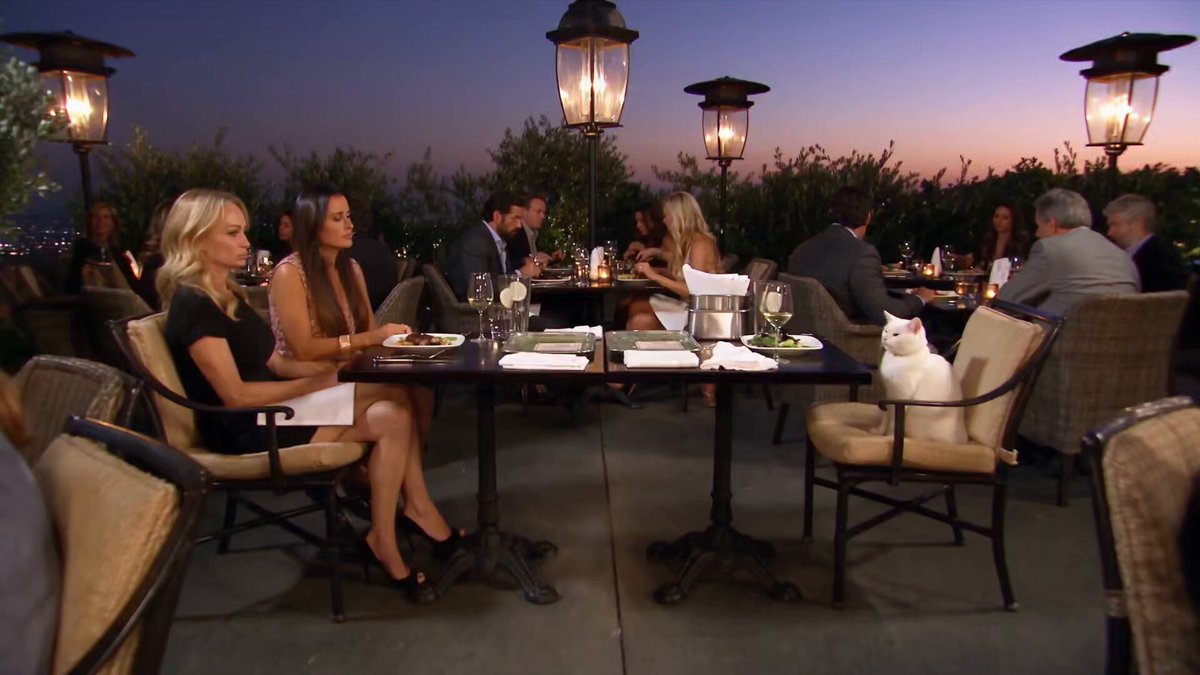

The era when producing high-quality video demanded expensive equipment and a professional crew is slowly fading into the past. By the middle of 2025, artificial intelligence models turned video generation into one of the most dynamic fields in technology. In this guide we explore how powerful AI video tools work, how they are reshaping content creation, and how you can use them to produce visually striking footage while keeping full creative control.
Why AI-generated video matters now
The importance of AI video generation goes beyond production speed. It lies in the artistic quality and the level of fine-grained control it gives creators. Instead of merely assembling pre-recorded clips, you can now describe a scene, supply a reference image, and receive a moving, coherent shot in return. This changes not only how fast content is made, but also what kind of content becomes possible at all.
The rapid spread of these tools has a second, equally important effect: it democratizes access. An independent creator can now craft footage of a standard that once required a studio budget. The barrier to entry has fallen, and the competitive advantage lies less in equipment and more in vision and discipline.
Understanding the current landscape
The world of AI video models is crowded and evolving quickly. Yet most tools fit into a few familiar families based on their strengths.
Top-tier generation models
Some models have become synonymous with quality. They excel at producing realistic, cinematic footage and give users strong control over camera movement and lighting. These general-purpose leaders serve as the foundation for many experiments and are often the first choice for high-end work.
The strategic role of Asian models
Alongside the Western leaders, a wave of Asian competitors brought innovations in motion control and distinctive visual styles. These tools often combine solid quality with faster iteration times, making them attractive for workloads that require many short outputs.
Cost-effective and versatile options
Between the premium end and the entry level sits a range of efficient models suited to everyday tasks. They are especially useful for prototyping, for projects with tight budgets, and for generating many variations in a short window. Learning to pick the right tier for each job is a fundamental skill.
Turning an idea into a finished shot
Producing a great AI video is less about technical wizardry and more about process. The following workflow works well for both beginners and experienced creators.
Step 1 : write a precise brief
The quality of the output starts with the prompt. Describe the subject, the composition, the lighting, the mood, and the motion. Vague instructions yield vague results. The more clearly you can visualize the shot, the easier it is for the model to reproduce it.
Step 2 : establish visual anchors
For projects with characters or repeating locations, use reference images. Supplying a consistent image of a character to each generation keeps that character recognizable across scenes. This is one of the most valuable habits to develop early.
Step 3 : generate and compare
Do not settle for the first result. Generate several versions of the same shot, compare them side by side, and pick the one that best matches your intention. Iteration is the engine of quality in this field.
Step 4 : assemble and refine
Once you have the key shots, assemble them in an editor. Add transitions, timing, sound, and text to shape the final piece. The models provide the raw material; you provide the story.
Deep-diving into high-end models
High-end video models stand out on three axes: realism, control, and consistency. Realism means the generated motion and textures feel believable, even when the subject is imaginary. Control refers to how precisely you can steer the camera, the character, and the scene. Consistency describes the model's ability to keep a look and feel stable across multiple shots.
Photography-driven realism
The most impressive results come from models trained with heavy emphasis on photographic quality. They understand light, depth, and material realism in a way that makes generated footage difficult to distinguish from live-action. This is the tool of choice for project where cinematic fidelity is paramount.
The art of keyframe control
Beyond raw realism, advanced tools let you guide animation through keyframes. You can fix the start and end of a motion and let the model invent a believable path between them. Combined with multi-image fusion, this gives creators the ability to choreograph motion rather than merely hope for it.
Stylistic diversity beyond photorealism
Not every project needs to look like a film. Animations, stylized illustrations, and abstract pieces have their own audience. Many models now support a wide range of visual languages, from detailed 2D looks to painterly or experimental styles. Choosing a style that fits the message is as important as choosing a tool.
Building an effective AI video system
Working with a single model is a fine way to start, but ambitious projects rarely fit one tool. A capable production setup integrates several models and supporting tools into a unified pipeline.
The director-assistant layer
A valuable addition to a modern pipeline is an assistant that sits above the raw models. Such a layer helps you translate a story idea into the exact parameters a model needs, suggests camera angles, and keeps narrative structure coherent. In effect, it acts as a creative director that coordinates the technical work underneath.
Integrating audio and reference imagery
A complete project uses more than moving images. Music, sound effects, and voices carry a large share of emotion, and reference imagery bridges the gap between your imagination and the generated result. Treating sound and visuals as one system produces far more polished videos than focusing on pictures alone.
Optimizing your creative workflow
Speed is useless if it produces sloppy work, and craft is useless if it is too slow to meet deadlines. Optimization is about finding the balance.
Standardize your briefs
Keep a template for prompts that records subject, style, lighting, camera, and duration. A reusable brief speeds up every new project and reduces inconsistency between sessions.
Batch your iterations
When tuning a style or a character, generate many variations in one go. Comparing several results at once is faster and reveals patterns you would miss one by one.
Archive your best results
Maintain a library of successful prompts and outputs. Reusing proven pieces is legitimate and saves enormous time. Building a personal gallery of effective styles helps you repeat what works and avoid repeating mistakes.
Avoiding common mistakes
Several pitfalls trip up newcomers. The first is overloading the prompt with contradictory demands. The second is ignoring storyboard coherence, producing visually nice but narratively disconnected shots. The third is neglecting audio, delivering a video that looks good but feels lifeless.
Guarding against repetition
Generative models can fall into repetitive patterns, especially with similar prompts. Introduce variety in your instructions and review outputs critically for sameness. A human eye that actively selects against monotony makes a real difference.
Building a repeatable quality system
Consistency across multiple projects comes not from heroics but from a system. The most reliable producers share a few habits worth adopting.
Keep a personal prompt library
Save prompts that produced excellent results, along with notes about the model, the settings, and the intent. Over time this library becomes one of your most valuable assets. Reusing a proven prompt is faster and safer than writing from scratch, and it gives your body of work a recognizable coherence.
Define your style constraints up front
Before a project begins, write down the visual constraints you will honor: the palette, the lens feel, the motion vocabulary, and the character traits. Refer to this sheet constantly. It prevents drift and makes it easy for anyone, human or model, to match the intended look.
Review outputs against a checklist
A short checklist beats intuition when judging many frames at once. Look for motion artifacts, prompt adherence, style fit, and consistency. Reviewing every batch against the same criteria trains your eye and catches problems while they are cheap to fix.
Choosing the right amount of polish
Not every shot deserves the same treatment. Learning to distribute your effort wisely is a mark of experience.
Budget for hero and supporting shots
Identify the handful of shots that carry the emotional weight of your project. Spend the most time and care there. Supporting and transitional shots can be simpler and generated more quickly. This prioritization raises the overall quality of the piece while keeping the workload manageable.
When to invest in higher-end tools
Reserve your most powerful models for hero shots and for moments when realism or fine control genuinely matters. For exploratory or background work, a faster, more economical model is often the better choice. The art is in knowing which is which.
Working well with audio and reference imagery
A video is rarely just pictures. Sound and still imagery extend what the model can achieve and shape how the result is perceived.
Layering sound with picture
Place music and effects while you assemble, not after. The tempo and mood of the audio can change your editing choices. Treating sound as a first-class element makes the final piece feel finished and intentional, rather than a good image spoiled by empty acoustics.
Expanding possibilities with reference images
Reference imagery is not only for characters. Use it to fix a specific building, a prop, a texture, or a brand style. Models that accept image prompts let you move a real object into a generated scene with far better fidelity than text alone.
Decision guide for common scenarios
Different goals demand different defaults. This short guide matches common situations to sensible strategies.
For social media clips
Speed and variety matter most. Generate many short variations, iterate quickly, and favor a fast, economical model for most shots. Reserve a more powerful engine only for the few frames that anchor the post.
For client or brand work
Consistency and coherence take priority. Lock characters and palettes early, use central reference images, and build in review gates before each deliverable. A style guide protects the brand across every frame you deliver.
For personal experimentation
Learn and push boundaries. Try unusual styles, long prompts, and different models without worrying about efficiency. The habits you form while experimenting pay off when you return to disciplined production.
Frequently asked questions
Do I need a powerful computer to generate video?
Most generation happens in the cloud, so a reasonably modern computer and a good internet connection are enough. Your hardware matters less than the clarity of your prompts.
What is the best first tool to learn?
Start with a versatile, widely documented model that covers the basics of text-to-video. Learn its workflow thoroughly before branching out to other, more specialized tools.
How do I keep a character consistent across scenes?
Use one reference image for that character in every generation and fix the key visual traits in your brief. Keep lighting and palette stable between shots.
Can AI video replace traditional filmmaking?
Not entirely. AI excels at generating individual shots and assets, but directing, storytelling, and emotional framing remain human crafts. The best results come from combining both approaches.
What if I only get inconsistent results?
Improve your prompts, tighten your reference imagery, and reduce the creative load in each instruction. Often, inconsistency comes from overloaded or contradictory briefs, not from a broken tool.
Summary
AI video generation has shifted from an experiment to a practical production tool. Whether you are exploring the power of a leading model like Sora or combining several specialized tools, the principles are the same: write clear briefs, maintain visual anchors, iterate, and assemble with intention. By pairing powerful models with good process and a human sense of story, you can create video of stunning quality regardless of your studio's size.
