

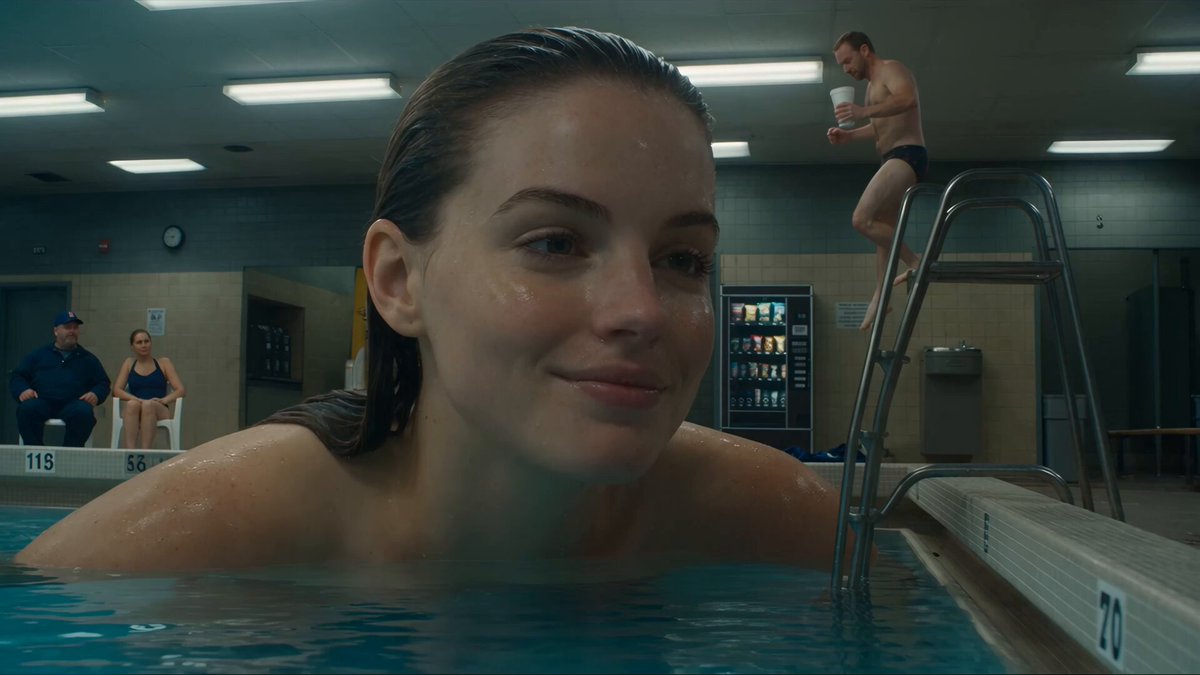
Why AI Video Stopped Being a Demo and Became a Production Step
Two years ago, generating a moving image from a sentence was a party trick. The clips were short, the faces melted, and the camera drifted like a drunk drone. Today the same request produces footage that survives a color grade, a crop, and a client review. That change is not cosmetic. It moved generative video out of the "look what I made" folder and into the actual timeline.
The practical consequence is that the interesting question is no longer which model is best. It is which model is best for this shot, in this sequence, under this deadline. A fast stylized generator and a slow cinematic one can both be correct answers in the same project. The skill being hired right now is not prompt poetry — it is the ability to route shots to the right engine and stitch the results into something that holds together.
This guide walks through the current landscape, the criteria that actually predict whether a tool will work for you, and a repeatable workflow that turns a script into a finished cut. It names specific tools because vague advice is useless, but the method matters more than any single model. Models change every few months. The workflow survives.
How to Evaluate an AI Video Model Before You Commit
Before you sign up for anything, watch for four properties. They determine almost every real-world outcome, and they are easy to test in an afternoon.
Motion coherence and temporal stability
Coherence is whether the world keeps its shape. Does the jacket stay the same jacket across the shot? Do fingers resolve into fingers? A model with beautiful single frames and unstable motion is nearly useless for narrative work, because every cut becomes a continuity problem you have to solve with editing tricks.
Test it with a deliberately hard prompt: a person turning their head while walking, hands visible. If the hands and the collar survive three seconds, the model has real temporal grounding.
Prompt adherence versus creative latitude
Some engines obey you precisely and produce boring results. Others ignore half your sentence and produce something gorgeous you did not ask for. Neither is wrong — they are different jobs. Product shots and brand work need adherence. Mood pieces and B-roll can tolerate, and often benefit from, latitude.
Run the same prompt on two models and count how many of your specified details appear: subject, wardrobe, lens, lighting, movement, setting. That number is your adherence score.
Image-to-video and reference control
The single most valuable feature in modern pipelines is the ability to start from a still you control. When you can generate or shoot a keyframe, approve it, then animate it, you gain something no text prompt can give you: a preview. Reference conditioning — feeding a character or style image alongside the prompt — extends that control across multiple shots.
If a tool only accepts text, it belongs at the beginning of the process, not in the middle.
Output length, resolution, and aspect ratio
Clip length is a hard constraint, not a setting you can negotiate with. A model that caps at five seconds forces you to design around five-second beats. Resolution matters less than you think for social delivery but a great deal if you plan to crop, reframe, or project. And aspect ratio support decides whether you can serve vertical and widescreen from one generation or need two passes.
Write these four numbers down for every tool you test. The comparison becomes obvious very quickly.
Pika: Fast Iteration and Stylized Motion
Pika built its reputation on speed and a distinct visual personality. Its strengths cluster around short, energetic, highly stylized shots: a product spinning, a character reacting, a punch landing, a transition that needs to feel deliberate rather than realistic.
Where Pika earns its place in a pipeline is iteration velocity. You can run many variations in the time another engine takes to render two, which changes how you work. Instead of carefully crafting one prompt and hoping, you explore a space. That makes it excellent for storyboard exploration, social-first content, and any project where the client wants to see ten directions before lunch.
Its image-to-video handling is where the tool becomes genuinely useful for controlled work. Feed it a keyframe, describe motion only — not the whole scene — and the output tends to respect your composition while adding life to it. The mistake people make is over-describing. If the image already sets the wardrobe, the lighting, and the framing, repeating all of that in text just gives the model conflicting instructions.
Limits to plan around: photoreal human faces and complex multi-subject interaction are not its strongest territory, and very long continuous takes are out of reach. Treat Pika as a specialist for punchy, stylized moments rather than the backbone of a photoreal narrative.
Luma Dream Machine: Camera Language and Physical Plausibility
Luma's Dream Machine pushed in the opposite direction. It reads prompts like a director's brief — camera moves, lens behavior, depth — and it handles natural motion and physical weight convincingly. Objects fall with believable mass. Light behaves like light.
This makes it a strong candidate for establishing shots, atmospheric sequences, and anything where the camera itself is telling the story. Slow pushes, orbiting moves, and parallax through a foreground element are the kind of shot where this class of model shines. The output tends to look like it was shot rather than conjured, which matters enormously when you cut AI footage against real footage.
It is also less forgiving of chaos. Crowded scenes, rapid action, and heavy stylization can push it toward mush. Its naturalistic bias means it will happily give you a muted, plausible, slightly unexciting shot when you wanted spectacle. That is not a flaw; it is a house style you should cast accordingly.
A useful division of labor: use the cinematic engine for anything a human camera operator could plausibly have filmed, and use faster stylized engines for anything that has to break physical reality.
The Wider Field: Sora, Kling, Hailuo, Runway, and Veo
The market is no longer a two-horse race, and treating it as one costs you shots. Several distinct families of models now occupy different niches.
Long-take and scene-coherence models. Some engines are built around generating a single, longer, more narratively coherent shot rather than many short fragments. These are the tools to reach for when you need a ten-second beat that plays as one continuous piece of coverage.
Photoreal human performance. A cluster of models has pushed hard on faces, expressions, and dialogue-adjacent performance. For talking-head content, character-driven storytelling, and anything where the audience will look closely at a person, these are the only sensible starting points.
Precise motion control and reference conditioning. Tools in this group let you specify camera paths, control motion strength, or lock a character's appearance using reference images. They are slower to learn and far more predictable once learned — the natural choice for series work where consistency across episodes is the whole point.
Local and open-weight options. Running a model on your own hardware trades convenience for privacy, cost predictability at volume, and freedom from content policy surprises. The tradeoff is setup time and the fact that you own the troubleshooting.
Rather than crowning a winner, build a small roster. Three tools that overlap slightly and cover different failure modes will outproduce one tool you keep apologizing for.
Building an End-to-End AI Video Workflow
The workflow below assumes a 30–60 second piece with a handful of shots. It scales up, but the logic stays the same.
Step 1: Script, then shot list
Do not start with prompts. Start with a shot list: numbered shots, duration, subject, action, camera, and the emotional job the shot does. This document is your project's spine. When a generation fails — and it will — you rewrite one line of a table instead of rethinking everything.
Keep shots short on purpose. Design three-second shots even if your tool allows eight. Short beats cut better and hide imperfections.
Step 2: Keyframes first
Generate stills before you generate motion. Approve composition, lighting, wardrobe, and framing while they are cheap and fast to change. A still image is a preview of the shot, and approving previews is how professional production has always worked. Only move to video once the frame is right.
If your tool supports style or character references, establish them here and reuse them across every shot in the sequence.
Step 3: Motion passes with minimal prompts
When you animate a keyframe, describe only what changes: "slow dolly in," "hair moves in the wind," "steam rises." The image carries the static information. Adding scene description back into the prompt is the most common cause of drift and artifacts.
Run three to five variations per shot. This is not waste — it is coverage. Editors expect options; AI work is no different.
Step 4: Selection and continuity
Watch all variations muted, at speed, in sequence with neighboring shots. Problems invisible in isolation become obvious in context: a jump in color temperature, a subject facing the wrong way, a camera move that fights the cut before it.
Build a continuity sheet — subject position, screen direction, dominant color, energy level — and check each selected clip against it. This step is what separates a reel of clips from a film.
Step 5: Edit, sound, and finishing
Cut to a temp track first. Music dictates rhythm far more than image does. Then layer sound design: whooshes on transitions, room tone under everything, a subtle impact on the cut. Generated footage is often visually convincing and sonically empty, and sound is the fastest credibility upgrade available.
Finish with a consistent grade, a touch of grain, and a slight vignette. Slight imperfections unify footage from different engines better than any technical trick.
Prompting Patterns That Change the Output
A few habits consistently produce better results than long, adjective-stuffed paragraphs.
- Structure prompts as subject, action, camera, light, style. Five elements, in that order, beats a paragraph every time.
- Name the camera move explicitly. "Slow push in," "handheld follow," "static wide" — vague prompts default to generic drift.
- Describe light, not mood. "Warm window light from the left" outperforms "beautiful lighting." Mood is a byproduct of specifics.
- Use negative space deliberately. "Subject in the left third, empty right side" gives you room for text overlays later.
- Iterate one variable. Change the camera move or the wardrobe, never both, or you will not know what worked.
- Save your winners. A prompt that produced an excellent shot is a template for the whole project.
Common Mistakes and How to Avoid Them
The same errors appear in almost every struggling AI video project.
Generating before designing. If you cannot describe the shot's purpose in one sentence, no model will save it.
Treating a clip as a finished shot. A raw generation is raw material. Crop it, stabilize it, speed it up, cut it against something else. The edit is where quality comes from.
Chasing realism everywhere. Photoreal is expensive, slow, and easy to fail at. Stylized, animated, or archival aesthetics often serve the story better and take a fraction of the effort.
Ignoring aspect ratio until the end. Reframing a carefully composed widescreen shot into vertical ruins it. Decide delivery format before generation.
No version control. Name files by shot number and take. Two weeks later you will need take three, and "final_v2_fixed" will not help you.
Over-relying on one engine. Every model has a failure mode. A second tool is cheap insurance against a shot that simply will not cooperate.
Cost, Time, and Team Decisions
Generative video budgets behave differently from traditional production budgets. Compute scales with attempts, not with the length of the final piece. A sixty-second film might involve two hundred generations. Plan for that ratio instead of being surprised by it.
For individuals, the practical move is to pick one general-purpose engine for exploration and one specialist for hero shots, and to keep the exploration tier cheap. For small teams, standardize on a shot list template, a naming convention, and a shared reference folder. For larger teams, the bottleneck is almost always review cycles, not generation — build a simple approval flow where keyframes get signed off before anyone spends time on motion.
Track two numbers per project: generations per usable shot, and hours from keyframe approval to locked cut. Both improve fast with practice, and both tell you more about your process than any tool comparison.
FAQ
Do I need to learn prompt engineering? You need to learn shot description, which is an older and more transferable skill. Thinking in subjects, camera moves, and light is what makes prompts work.
Can I use AI video for client work? In most cases yes, provided you check the license terms for the specific model, disclose where required, and avoid generating recognizable people or protected characters without rights.
Which tool should a beginner start with? Start with whichever one has the shortest path from prompt to playable clip. Speed of feedback teaches faster than output quality.
How do I keep a character consistent across shots? Use a reference image, lock the wardrobe description, keep the same framing distance, and generate all shots for that character in one session with identical style settings.
Is longer always better? No. Short shots cut better, hide artifacts, and give you more control. Generate short and assemble long.
What about audio? Generate or source it separately and treat it as a first-class part of the edit. Silence is the fastest way to make convincing footage feel fake.
The tools will keep changing. Pika, Luma Dream Machine, and everything around them will be revised, renamed, or replaced. What stays constant is the method: design the shot, control the frame, generate coverage, select in context, and finish with sound. Master that sequence and every new model becomes an upgrade rather than a new learning curve.
