
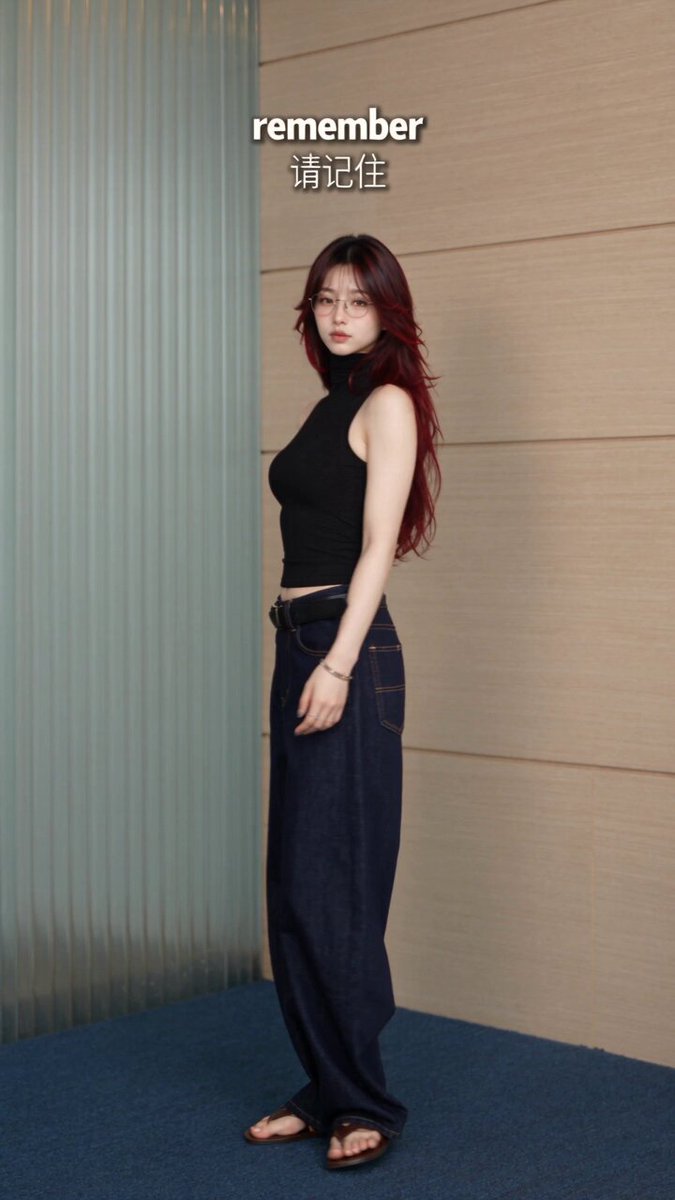
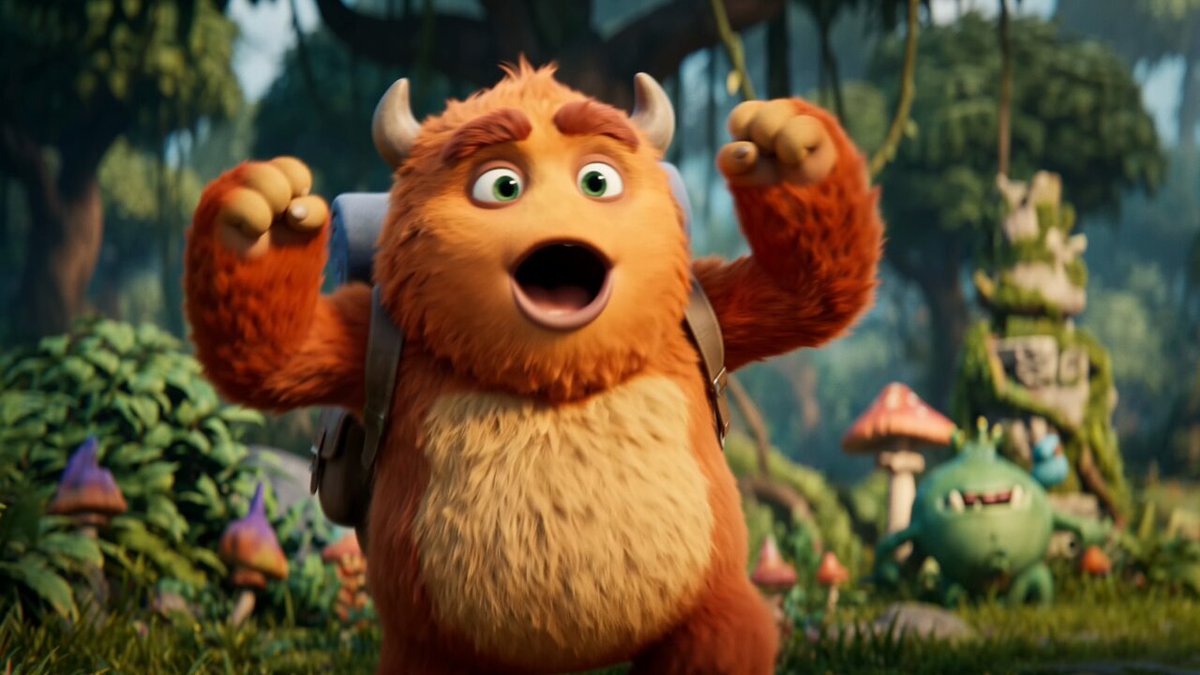
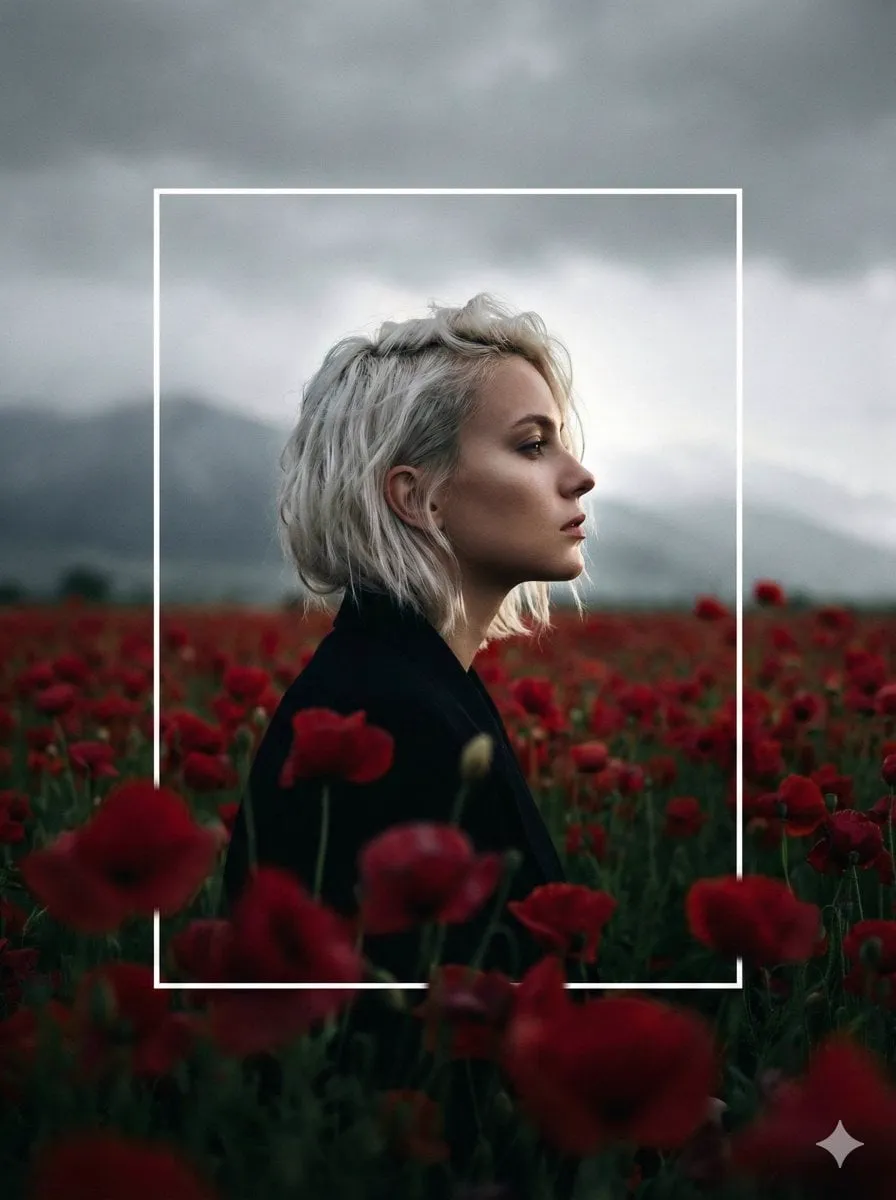
Why the still frame still decides the shot
Ask anyone who has produced a lot of AI video where the real work happens, and they rarely point at the video model. They point at the frames they generated before it. Motion models are surprisingly good at moving things. They are far less reliable at deciding what should be in the frame, where the light comes from, and how the scene should be composed. Those decisions are still cheapest and most controllable at the image stage.
The practical consequence is a pipeline that treats stills as the primary creative artifact. You design each shot as an image, approve it, then animate it. This gives you three things that pure text-to-video struggles to provide:
- Spatial control. You see the composition before you spend time rendering motion. Cropping, headroom, eye-line, and depth relationships are all visible and adjustable.
- Cheap iteration. Ten image variations take seconds to a couple of minutes. Ten video variations take far longer and cost far more attention to review.
- Continuity. A recurring character, a location, or a color palette can be locked in the still and carried into motion, instead of being re-invented every time the model rolls the dice.
The keyframe-first pipeline
The sequence most teams settle on looks like this: script → shot list → look definition → image prompts → image generation and selection → light cleanup → motion prompts → interpolation and edit → sound. Every stage after the still inherits the quality and the constraints of that still. A soft, muddy image does not become sharp when it moves. A cluttered frame does not become readable when the camera starts drifting.
When text-to-video alone is enough
Not every shot needs a still. Abstract textures, smoke, water, clouds, crowd movement, and transitions between two locked compositions are often better generated directly from a text prompt. Use stills where identity, layout, or brand accuracy matters. Use direct motion generation where the shot is about energy rather than specific detail.
Designing prompts for motion, not for a poster
An image that looks beautiful as a poster can be a disaster as a first frame. Motion models need room to interpret. They need surfaces that can deform, subjects that can move, and a camera path that makes sense. Several design habits help enormously.
Poses that animate well
Ask for a subject mid-action rather than posed and static. "Mid-stride walking toward camera, coat trailing behind" gives the model a direction of travel and a physical state. "Standing and smiling" gives it almost nothing, so it invents movement — usually a slow zoom and a slight sway, which is exactly the generic look that makes AI footage feel cheap.
Avoid poses that are physically ambiguous. Arms crossed over the chest, hands clasped behind the head, or bodies twisted at extreme angles give the model too many ways to misread the anatomy once motion begins. A clear silhouette against a slightly separated background is the safest starting point.
Composition that gives the camera somewhere to go
Think about the move you want before you write the prompt. A push-in needs depth cues: foreground elements, a receding path, layered architecture. A lateral tracking shot needs a horizontal band of interest — a corridor, a fence line, a row of windows. A crane-up needs sky or ceiling to move into. If the frame is flat and centered with no layering, the only moves available are zooms, and every shot will feel the same.
Leaving roughly a ten to fifteen percent margin around critical subjects is also wise. Many motion models crop or slightly re-frame during generation, and a head touching the top edge can easily get clipped in movement.
What to leave out
Deliberately under-specify anything the video model should handle. Do not bake in heavy motion blur, streaking, or long-exposure effects — the model will try to animate them, producing smeared mush. Do not ask for dense crowds of individually detailed faces; they will melt. Do not ask for small text in the frame unless you plan to composite it later. Reserve complexity for what stays still, and keep moving elements simple and well-separated.
The anatomy of a prompt that survives motion
A prompt written for a moving shot is more like a technical brief than a mood board caption. It is layered, ordered, and explicit about the parts that must not change.
The seven layers
- Shot type and framing — close-up, medium, wide, low angle, over-the-shoulder.
- Subject and wardrobe — identity anchors: age range, hair, clothing, distinctive props.
- Action state — what the subject is doing at the exact moment of the frame.
- Environment — location, time of day, weather, background depth.
- Lighting — source direction, quality, contrast ratio, practical sources in frame.
- Camera and lens character — focal length feel, depth of field, grain, format.
- Style and palette — overall rendering language and a limited color scheme.
Order matters more than most people assume. Front-loading the subject and action keeps the model anchored on what is non-negotiable. Style descriptors placed early tend to dominate the whole image; placed late, they act more like a finishing treatment.
Descriptor vocabulary that actually works
Vague adjectives produce vague results. "Cinematic" alone means little. "Cinematic" plus "anamorphic flare, teal shadows, warm practical lamps behind the subject, shallow depth of field, 2.39:1 framing" gives the model something to execute. Prefer physical descriptions over emotional ones: instead of "dramatic," write "single hard key from camera left, deep falloff on the right side of the face."
Negative constraints
A short negative list prevents the most common failures without fighting the model. Typical entries: no watermark, no extra fingers, no duplicated limbs, no distorted text, no harsh flash, no busy background clutter, no logo. Keep negatives specific. Long generic negative lists often flatten the image because they remove texture, contrast, and atmosphere along with the unwanted artifacts.
Style consistency across a sequence
Consistency is what separates a sequence of clips from a film. In practice, consistency is engineered, not hoped for.
Build a style bible
Write down five to eight fixed descriptors and reuse them verbatim in every prompt for the project: palette, contrast curve, lens character, grain level, lighting philosophy, and rendering language. Keeping them in a text file and pasting them into each prompt eliminates the slow drift that happens when you improvise wording shot by shot.
Reference images and seeds
Where the tool supports it, attach a reference image for character identity and a second one for overall grade. Keep the seed fixed for shots within the same scene when you want maximum continuity, and vary it when you want exploration. A useful middle path: fix the seed for the character, vary the seed for the environment, then re-lock both once you find a combination that works.
Continuity checklist
Before approving a batch, check these in order: wardrobe and hair, prop positions, time-of-day light direction, background architecture, color of the shadow side, and the direction the subject is facing relative to the previous shot. Breaking one of these is a small error. Breaking three is a continuity failure the audience will feel even if they cannot name it.
A step-by-step keyframe workflow
1. Break the script into shots
One idea per shot. If a shot needs two ideas, it is two shots. Note the intended camera move and the emotional beat in the shot list, because both should influence the prompt.
2. Define the look before you generate anything
Collect a small reference board — stills from films, photographs, paintings — and write the five-to-eight descriptor set from it. This step takes twenty minutes and saves hours of re-generating images that are individually nice but mutually incompatible.
3. Draft prompts in a structured block
Use a consistent order: framing, subject, action, environment, light, camera, style. Draft them in a plain text file so you can diff versions and copy-paste descriptor sets without retyping.
4. Generate in batches and curate ruthlessly
Generate four to eight variations per shot. Select on composition and identity first, then on light and texture. Reject anything with anatomy problems even if the mood is perfect — fixing a broken hand through animation is usually harder than regenerating.
5. Clean up the still
A short pass in an image editor or an inpainting tool pays off. Fix hands, remove distracting background objects, extend the canvas where the camera will move, and unify the grade. Anything you leave in the still will be amplified by motion.
6. Hand off to the video model with a motion brief
Describe only what should change: camera move, subject action, and pacing. "Slow push-in, subject turns head to the left, dust drifting in the light beam, subtle handheld float" is a good brief. Do not repeat the whole style description — the still already carries it, and over-describing invites the model to re-invent the frame.
7. Review in motion and loop back
Watch each clip at normal speed and at half speed. Judge whether the shot reads at a glance, not whether it looks impressive frozen. If it fails, decide whether the problem is the still or the motion prompt. Most of the time, it is the still.
Choosing the right tools for each stage
You do not need one tool to do everything. A small stack that plays to each model's strengths beats forcing a single generator to handle every shot.
| Stage | What to look for | Typical options |
|---|---|---|
| Photoreal stills | Sharp micro-detail, accurate skin and materials | FLUX-family image models, photoreal Stable Diffusion checkpoints |
| Stylized stills | Strong illustration or painterly bias, consistent style | Midjourney, stylized diffusion checkpoints |
| Text inside the frame | Reliable letterforms | Ideogram-style generators, or composite text in post |
| Image-to-video | Good camera control, stable identity across motion | Runway, Kling, Luma, PixVerse, Sora-style models |
| Cleanup and upscale | Inpainting, face restoration, upscaling without plastic skin | Local diffusion inpainting, dedicated upscalers |
| Final motion polish | Frame interpolation, stabilization, grade | RIFE-style interpolation, DaVinci Resolve, After Effects |
Practical selection criteria: how well the model holds identity across a shot, how much camera control it exposes, how it handles hands and faces, whether it supports reference images, and how long a single generation takes. Test each candidate on the same three shots from your own project instead of trusting sample galleries, which are curated to show the best possible output.
Reusable prompt templates
These blocks are starting points. Replace bracketed fields and keep the layering intact.
[Shot type] of [subject with identity anchors], [mid-action state],
[environment and time of day], lit by [light source and quality],
[format and lens character], [style and palette], [grain or texture note]
Negative: watermark, text, extra limbs, duplicated features, clutter
Motion brief: [camera move] at [speed], subject [single clear action],
[atmospheric element] in the light, [pacing note], no cuts, no zoom jitter
Consistency block (paste into every prompt):
muted teal and amber palette, soft contrast, 35mm grain,
anamorphic flare on practical lights, shallow depth of field, filmic highlight rolloff
Keep the consistency block in a separate file. Rotating one descriptor at a time lets you see exactly what each change does, which is the fastest way to build intuition for a specific model.
Mistakes, artifacts, and how to fix them
The same handful of problems appear in almost every project. Recognizing the symptom cuts diagnosis time dramatically.
Faces and hands deform during motion
The still was probably too low-resolution in the face region, or the subject is too small in frame. Fix by framing closer, generating at higher resolution, and cleaning the face before animating. Then reduce motion intensity in the brief.
Textures boil or flicker
High-frequency detail like foliage, gravel, or patterned fabric makes motion models nervous. Either reduce the intensity of the detail, add a slight depth-of-field blur, or shorten the shot so there is less time for the boil to read.
The camera drifts unprompted
Usually caused by a still with no clear vanishing point. Add strong perspective cues — a road, a corridor, converging lines — or state the camera behavior explicitly, including what should not happen: "locked-off, no zoom, no drift."
Colors shift between shots
A fixed palette and a shared reference grade solve most of this. If the shift persists, apply a final color pass across the whole sequence rather than trying to make each model agree.
Small objects morph into other objects
Props with ambiguous silhouettes change shape as soon as they move. Either enlarge the prop in frame, simplify its shape, or keep it out of the moving shot entirely.
Motion looks like a slow crossfade
This is a weak motion prompt plus a static still. Specify a physical action with a beginning and an end, and consider generating two keyframes with a small pose change between them.
Everything feels slightly soft
Check whether the issue is resolution, an aggressive upscale, or over-compressed source frames. Animating from the highest-quality still you can produce and interpolating at the end rather than the beginning usually restores crispness.
FAQ
Can I get good results without any image generation at all?
Yes, for abstract and atmospheric shots. But any shot that depends on a specific face, product, or layout will be far more controllable if you start from an approved still.
How many prompt variations should I try per shot?
Four to eight is a good working range. Fewer and you accept the first mediocre option; many more and you lose track of what changed.
Should I describe the style in every prompt?
Yes — using an identical, saved descriptor block. Consistency comes from repetition, not from variety.
Is a fixed seed always better for continuity?
For a locked scene, usually yes. For exploration early in a project, vary it. The goal is a small number of intentional variables, not zero variation.
How long should an AI-generated shot be?
Most models produce two to five usable seconds. Plan your edit around short shots with clear intent, and cut on motion rather than on the end of a generation.
What is the single highest-leverage habit?
Reviewing the still at full size before animating. Two minutes of inspection at that stage prevents most of the problems you would otherwise try to fix in motion.
Make the still the discipline
Video generation keeps improving, and each new model makes the motion stage easier. What does not change is the value of a deliberate frame: a subject with a readable silhouette, light with a clear direction, a composition the camera can travel through, and a palette that stays put across a sequence. Those decisions are made in the image prompt, and they are the difference between footage that looks generated and footage that looks directed.
Build the habit in this order: write the shot list, define the look, generate stills in batches, curate on composition and identity, clean before you animate, then describe motion precisely. Do that consistently, and the tools become interchangeable — which is exactly the point.
