
Why AI Changed the Marketing Math
For most of the last two decades, video marketing was a budget question. A single thirty-second spot could absorb weeks of planning, a crew, talent, a location, and a post-production cycle that stretched into months. That cost ceiling shaped everything: how many campaigns you could run, how many variants you could test, and how quickly you could respond to a trend. Small teams simply made fewer videos, and the ones they made carried enormous internal pressure to succeed.
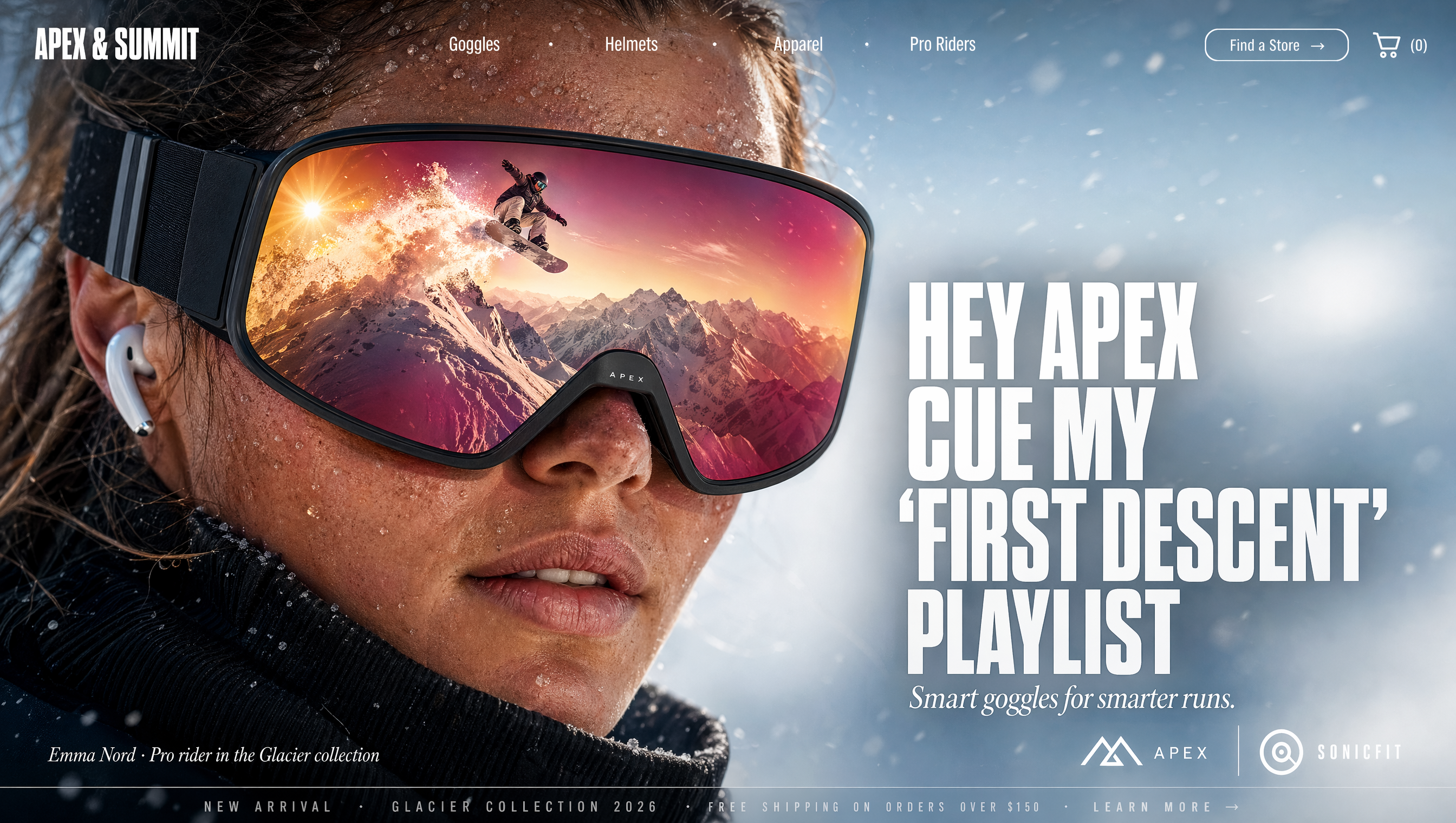
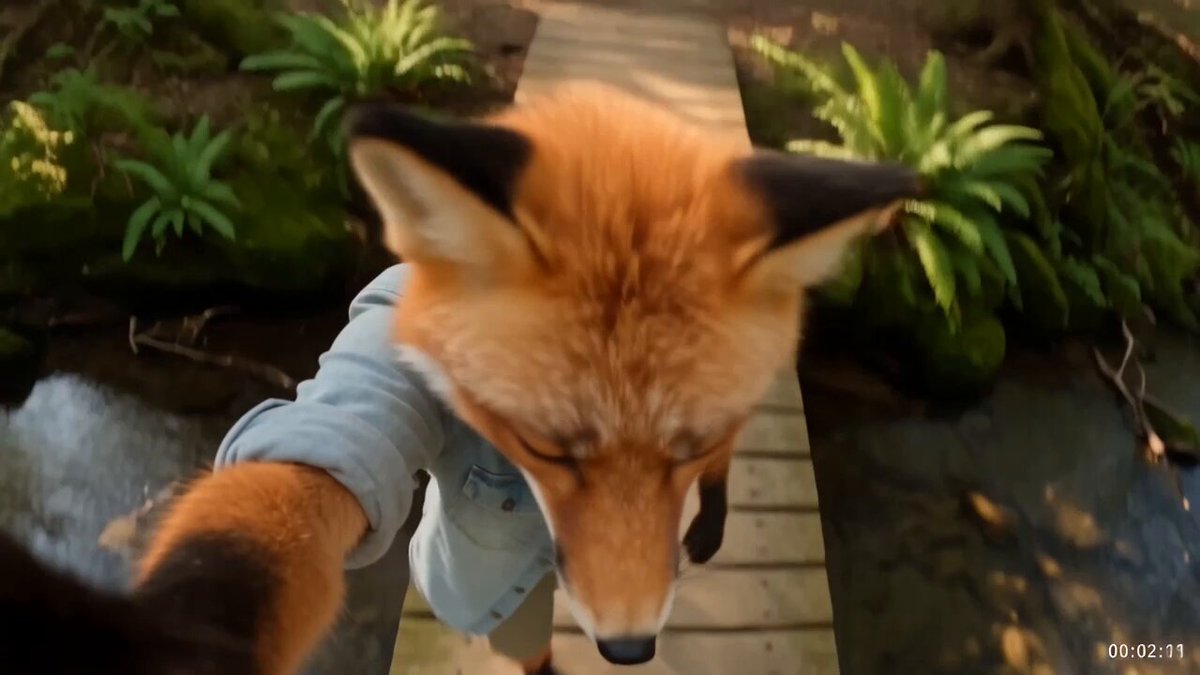
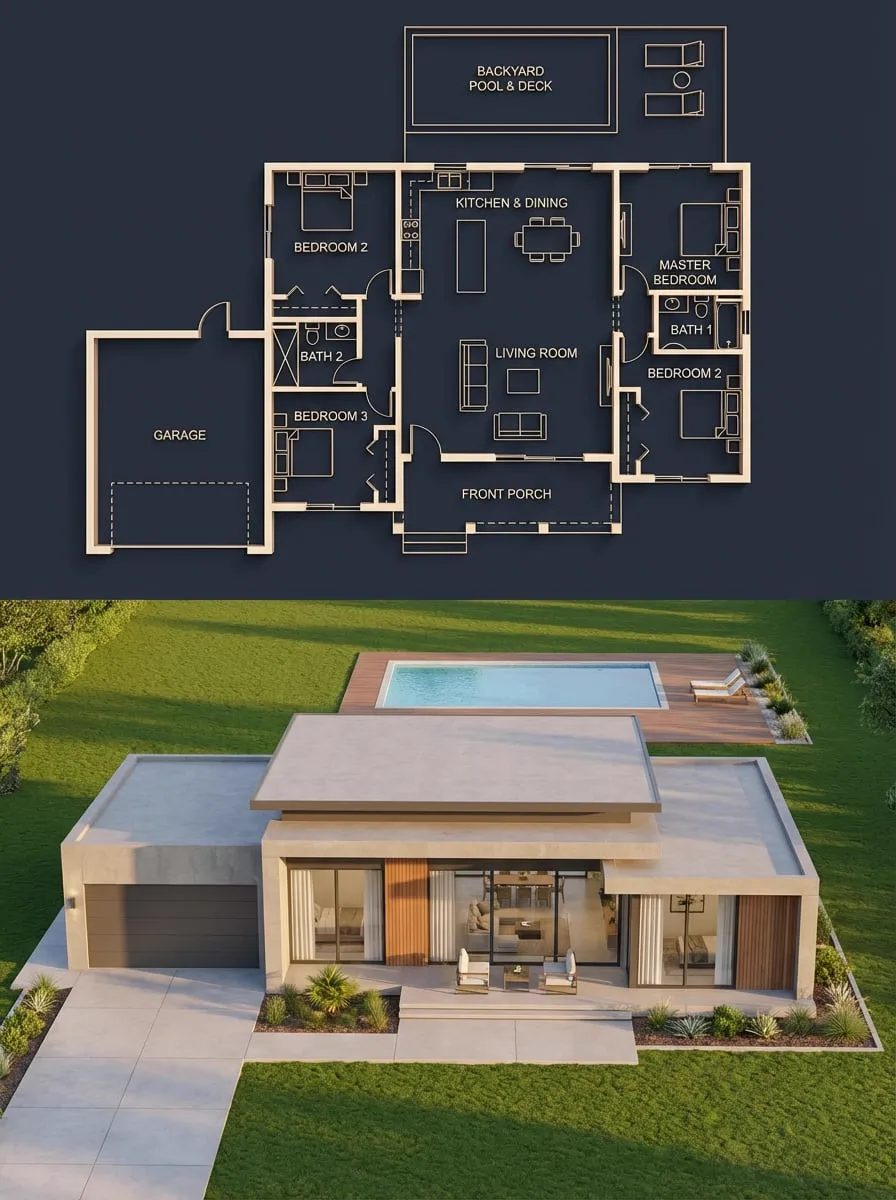
Generative video tools break that constraint at the production layer. You can now go from a written concept to a testable clip in an afternoon, iterate on framing and pacing without re-booking a studio, and produce regional or audience-specific versions that would previously have been impossible to justify. The bottleneck moves. It is no longer cameras and crews — it is judgment, structure, and quality control.
That shift matters because it changes what "good video marketing" looks like operationally. The teams that win are not the ones generating the most clips. They are the ones who build a repeatable pipeline: a clear brief, a disciplined shot list, consistent brand assets, a finishing process that makes AI footage feel intentional, and a testing loop that turns each published video into information for the next one.
This guide walks through that pipeline end to end, with decision criteria at each stage and the mistakes that quietly waste the most time.
The Repeatable Workflow: Brief, Shots, Generation, Finish
The temptation with generative tools is to skip straight to prompting. That is the fastest way to produce a folder of beautiful, unusable footage. A marketing video needs a job. Everything downstream — model choice, aspect ratio, pacing, voice, music — should be traceable back to that job.
Step 1 — Define the job of the video before anything else
Write one sentence: "This video exists to ______ for ______." Examples: "This video exists to explain our onboarding process to new trial users." "This video exists to make cold outbound prospects curious enough to click a landing page." "This video exists to keep existing customers aware of a feature they have not activated."
That sentence determines length, tone, and whether the video needs a face, a product demo, or pure atmosphere. It also determines where the video will live, which determines format. A sixty-second explainer for a landing page and a nine-second hook for a social feed are different products, even if they share source footage.
Step 2 — Write a shot list, not a script
Generative video responds better to visual descriptions than to dialogue. Instead of writing narration first, write a list of shots: what the viewer sees, in what order, and why. A practical format is a simple table with columns for shot number, duration, visual description, camera behavior, and the emotional beat it serves.
Six to twelve shots is a comfortable range for a thirty-to-sixty-second piece. Anything longer usually means the concept is really two videos. Keep the list in a document so it becomes reusable — a shot list for a product launch often becomes the skeleton for a seasonal update.
Step 3 — Generate in batches, curate ruthlessly
Generation is cheap; review time is not. Generate in themed batches — all shots of the main subject first, then all environment shots, then all product close-ups — so you can compare like with like. Reject anything with melted hands, drifting geometry, unstable text, or lighting that contradicts the rest of the sequence. A clip that looks impressive in isolation but does not cut against its neighbors is a liability.
Name files the moment you accept them, using a pattern like project_shot03_subjectA_v2.mp4. Unnamed exports become a swamp within a week.
Step 4 — Finish in the edit, not the generator
No generated clip arrives finished. Editing is where rhythm, sound, color, and typography turn a collection of shots into a message. Budget at least as much time for the edit as for generation, and resist the urge to keep regenerating a shot that simply needs a tighter trim or a different music cue underneath it.
Choosing the Right Generation Approach for Each Channel
Not all generated video is produced the same way, and the choice of technique has more influence on the final result than most prompt tweaks.
Text-to-video, image-to-video, and multi-reference generation
Text-to-video is best for atmosphere, abstract B-roll, and concepts where no specific subject must be recognizable. It is fast and flexible, but precise continuity between shots is difficult.
Image-to-video starts from a still you control. Because you choose the frame, composition and color are far more predictable. This is the workhorse technique for product shots, portrait-style footage, and any sequence that must match an existing brand photograph.
Multi-reference generation lets you supply several images of the same subject — a face from different angles, a product from different sides, a location in different light — so the model holds identity across shots. When a campaign depends on a recurring character or a specific product, this approach saves enormous amounts of rework. Build your reference set once, then reuse it across the entire campaign instead of rebuilding it for every video.
Matching the model to the placement
Different placements reward different qualities. Vertical social feeds reward motion, faces, and a strong first second; detail survives less scrutiny on a small screen. Website hero videos reward clean composition and room for text overlay. Presentation and sales-deck clips reward legibility and a slower pace. Choose the generation approach and aspect ratio to match the placement, then let the content follow — trying to crop a horizontal cinematic sequence into a vertical hook usually costs more time than generating it correctly from the start.
Brand Consistency Is the Hardest Problem — Solve It Early
Audiences recognize brands through repetition: the same palette, the same typography behavior, the same kind of light, the same recurring faces and objects. Generated footage has no memory, so consistency must be engineered rather than assumed.
Reference packs and style locks
Create a small, permanent asset library for each brand or campaign: three to five reference images, a color palette with exact values, a preferred lens and lighting description, and a short written style note. Paste that note into prompts consistently, even when it feels redundant. Consistency comes from repetition in your inputs, not from hoping the model remembers.
Character sheets, wardrobe, and lighting rules
If a campaign uses a recurring presenter, define them like a character: approximate age range, hair, wardrobe, accessories, and the lighting setup for their scenes. Keep the same wardrobe across all shots in a series, and avoid changing both angle and lighting in the same shot. If you need a new angle, change one variable at a time and compare the results.
A consistency checklist
Before accepting a clip, check five things: palette match, lighting direction, subject identity, lens character (wide versus telephoto feel), and grain or texture. A sequence that passes all five will cut together even if individual shots are imperfect. A sequence that fails two of them will feel wrong to viewers even if they cannot say why.
Prompting for Footage That Converts
Prompting is a craft, but it is a learnable one. The goal is to describe a shot the way a director would describe it to a camera operator — specific about subject, action, framing, and light, and silent about everything else.
Anatomy of a shot prompt
A strong prompt usually contains, in order: subject (who or what, with age and wardrobe if relevant), action (a single clear motion), setting (location, time of day, weather), framing (close-up, medium, wide), camera behavior (static, slow push in, handheld follow, orbit), lighting (soft window light, hard midday sun, practical neon), and finish (film grain, clean commercial look, muted documentary grade).
One motion per shot. If you describe two actions, the model will choose one unpredictably or blend them into mush.
Camera and lighting vocabulary worth learning
Terms like "slow dolly in," "shallow depth of field," "low-angle hero shot," "golden-hour backlight," and "soft key with negative fill" give you real control once you know what they look like. Build a personal vocabulary list with example frames next to each term so the whole team prompts the same way.
Negative prompting and common artifacts
Most tools accept some form of exclusion list. It is worth keeping a standing list of known problems: extra fingers, distorted faces in the background, unreadable text, warped logos, sudden zooms, and unnatural walking. Also avoid asking for on-screen text — generate clean plates and add typography in the edit where it stays crisp and editable.
The Editing Layer: Where Clips Become a Campaign
Generated footage rarely fails for lack of beauty. It fails for lack of rhythm. The edit is where you impose intent.
Sound design and captions
Music sets the emotional frame before a single frame is understood. Choose the track early, cut to it, and let the visual beats land on musical beats where natural. Add a light ambience layer — room tone, distant traffic, an office hum — to make generated scenes feel less sterile. Captions are not optional: most social viewing happens muted, and captions also improve accessibility and searchability.
Versioning: one master, many derivatives
Build one master cut, then derive. A sixty-second master can yield a fifteen-second cut, a six-second hook, a vertical reframe, a silent loop for a landing page, and a square version for feed placements. Changing the first three seconds and the call-to-action is usually enough to create a distinct-feeling variant. Versioning like this multiplies output without multiplying production work.
Distribution, Testing, and Learning Loops
Once you are producing consistently, the constraint shifts to learning speed. Each video should answer a question: which hook, which length, which framing, which offer.
Hooks, thumbnails, and the first three seconds
The opening is the most valuable real estate you control. Test hooks as deliberately as you test headlines. A practical approach is to produce two or three openings for the same body — a question, a bold claim, a visual surprise — and rotate them across placements. On platforms with thumbnails, treat the thumbnail as a separate creative asset rather than a screenshot.
Reading retention and iteration
Retention curves tell you where attention breaks. A cliff in the first two seconds means the hook is weak or the preview misled. A gentle decline in the middle usually means pacing or a missing visual change. A drop at the end means your call-to-action arrived too politely or too late. Fix one variable at a time and keep a log so the learning accumulates instead of evaporating.
Metadata and search
Video is searchable content. Give each piece a descriptive title, a clear filename before upload, accurate captions, and a short text summary. Add chapter markers for longer pieces so viewers and search engines can navigate. This is unglamorous work that compounds for years.
Governance: Rights, Disclosure, and Brand Safety
Scale without guardrails eventually produces a problem that costs more than the efficiency saved.
Authenticity and disclosure
Audiences tolerate synthetic footage far better than they tolerate feeling deceived. Keep generated content clearly in the realm of advertising, illustration, and atmosphere. Avoid synthesizing real people's likenesses without permission, avoid implying documentary truth about events that did not happen, and follow the disclosure rules of each platform you publish on. When a video is fully generated, a brief on-screen note or description line is a small cost for a large amount of trust.
Asset naming, storage, and versioning
Agree on a naming convention and a folder structure before your library grows. Keep the reference packs, prompts, and project files with the finished video, so a campaign can be revived or localized later without reverse-engineering it. Store the master file and the derivatives separately.
Review gates
Put a human review step between generation and publication — someone checking claims, pricing accuracy, legal exposure, and brand tone. AI accelerates production; it does not take responsibility. Two sets of eyes on a fifteen-second ad catch most embarrassing errors.
Common Pitfalls and How to Avoid Them
The most common failure is treating generation as the whole process. Teams generate hundreds of clips, store them badly, cut slowly, and publish inconsistently — ending up with more raw material and less output. Fix the pipeline before increasing volume.
The second pitfall is inconsistency. Every video feels like it came from a different company. Solve it with locked reference packs, a written style note, and a consistency checklist applied at review time.
The third is ignoring audio. Silent, music-less generated footage feels artificial; thoughtful sound design makes the same footage feel produced.
The fourth is generating text on screen. It rarely renders cleanly and cannot be edited later. Add typography in the edit.
The fifth is chasing trends without a job. If a video does not map to a goal, it will not map to a metric, and it will not teach you anything. A simple four-week cadence works well: week one, build the reference pack and write three briefs; week two, produce the master cut; week three, generate derivative versions and thumbnails; week four, publish, measure retention, and log what the next round should change. Repeat with one improvement per cycle.
FAQ
How many videos should a small team publish per month? Consistency beats volume. Two to four well-structured videos per month, each with three to five derivative versions, produces more learning than twenty rushed clips.
Do I need a script before generating footage? You need a shot list. Narration can be written after the visuals exist, and often improves when it is written to the edit rather than to an imagined cut.
How do I keep the same person across many shots? Build a multi-reference set with several angles of the same subject, lock wardrobe and lighting in a written style note, and change only one variable per shot when testing.
Is generated footage good enough for paid campaigns? For atmosphere, product shots, and concept-driven storytelling, yes — provided the edit, sound, and typography are handled professionally and any platform disclosure requirements are met.
What is the single biggest quality upgrade? Sound design and the first three seconds. Viewers forgive imperfect footage far more readily than they forgive a weak opening or a hollow audio bed.
How do I avoid wasting time on unused clips? Generate in themed batches against a written shot list, accept clips only if they pass the consistency checklist, and name and file them immediately. The shots you never generate are the cheapest ones.
