
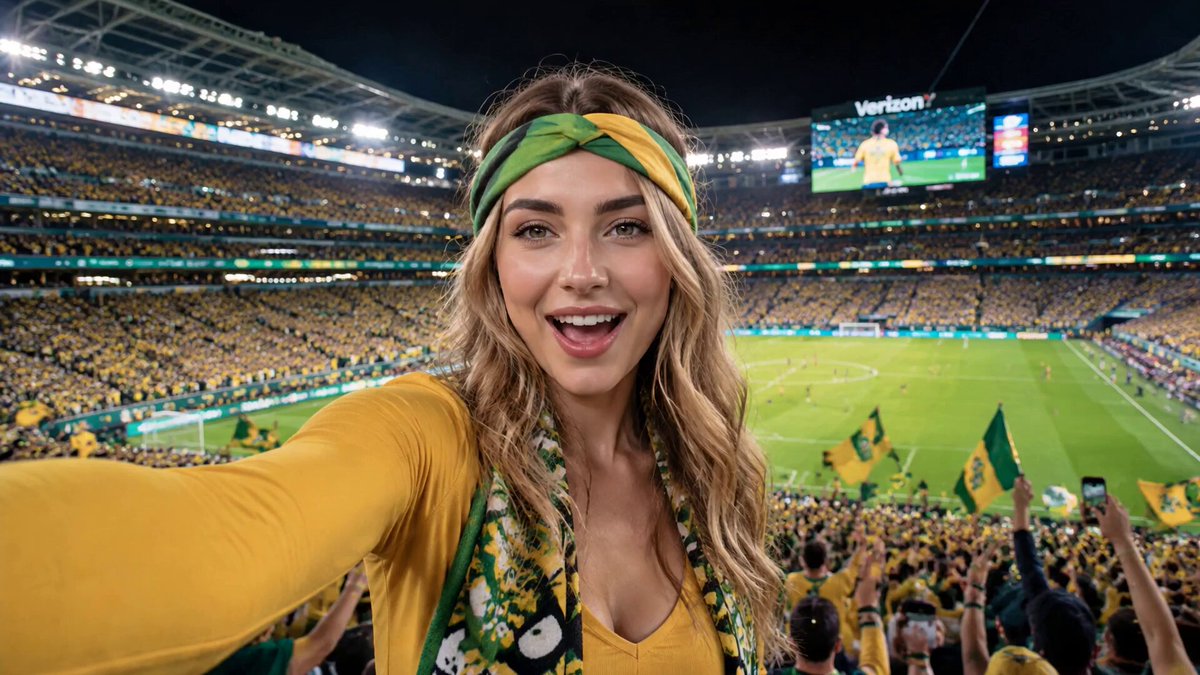

Why an AI Video Workflow Beats a Tool List
New video models appear every few weeks, each demo more polished than the last. It is tempting to treat marketing progress as a shopping problem: find the best generator, subscribe, and let the output speak for itself. In practice, the teams that ship consistently are not the ones with the longest subscription list. They are the ones who built a production line around the models.
Three failure patterns show up again and again. The first is tool sprawl: five generators, three editors, two dubbing apps, and no shared naming convention, so nothing can be reused. The second is inconsistency: a campaign looks like three different brands because each clip was generated in isolation. The third is a broken feedback loop: the team publishes, glances at view counts, and never learns which creative decision drove performance.
An AI video workflow fixes all three by turning improvisation into a sequence: brief, script, storyboard, generate, assemble, adapt, measure, iterate. Each stage has an owner, an input, an output, and a quality bar. Once the sequence exists, swapping a model in or out becomes a small operational decision instead of a full reset.
This guide walks through that sequence stage by stage, with decision criteria, checklists, and the mistakes worth avoiding. It is written for small marketing teams, solo creators, and agencies that need repeatable output rather than one-off hero pieces.
Pre-Production: Briefs, Scripts, and Storyboards With AI
Start with a brief, not a prompt
A generator prompt is a terrible place to think. Write the brief first, even if it is six lines: audience, single message, proof point, format, target duration, call to action, and constraints such as brand colors, legal claims, talent, and product versions.
The single most useful field is the message. AI models happily produce beautiful footage that says nothing. If you cannot state the one idea a viewer should retain, the clip is not ready to generate.
Turn the brief into a shot list
Marketing video is short. Most social clips succeed or fail within the first two seconds and resolve in fifteen to forty. That leaves room for roughly four to eight beats.
Write each beat as one line: what the viewer sees, what they hear, and what changes from the previous beat. Concrete nouns beat abstract direction. Camera language should be written in the vocabulary the model understands, such as slow push in, handheld follow, static wide, overhead top-down, rather than the poetic shorthand of a film treatment.
Storyboard frames double as references
Generate a handful of still frames before committing to video. Storyboards catch problems cheaply: wrong wardrobe, implausible product scale, an unreadable logo, a composition that fights the caption area. Those same frames later become reference images for character and style consistency, so the work is not throwaway.
A useful pre-production rule: if the storyboard is confusing as stills, motion will not save it.
Model Selection: Matching Generation Engines to Marketing Jobs
Define the job before comparing engines
There is no universal best model. There are four recurring marketing jobs, and each rewards different strengths.
Hook-driven shorts need speed and motion energy. Product demonstrations need physics accuracy, stable hands, and clean product geometry. Character-led narratives need identity consistency across shots. Talking-head and testimonial formats need believable lip sync and natural micro-expression.
Name the job before you compare anything, because the criteria shift with it.
The criteria that actually separate models
Prompt adherence: does the clip show what you asked for, including the small details.
Identity and style control: reference-image support, seed control, and whether a character survives a change of angle.
Clip length and resolution: maximum single generation length, available aspect ratios, and upscaling quality.
Motion quality: how hands, faces, fabric, and liquid behave under fast movement.
Turnaround time: queue depth at peak hours matters more than benchmark speed.
Commercial terms: licensing clarity for paid media, and whether outputs are usable in client work.
Cost predictability: per-second or per-generation pricing that you can forecast per campaign.
Audio: native sound effects or speech, or a clean handoff to a separate audio tool.
Build a two-model bench
Standardizing on a single engine creates a bottleneck. A better pattern is a primary model for most work and a specialist fallback for the jobs the primary handles badly. Run the same five prompts through any candidate, score each criterion from one to five, and keep the top two. Revisit the bench quarterly, because the field moves fast.
A director-style agent layer can help here. Some platforms wrap several engines behind one interface and let you route a shot to the model most likely to handle it well, which reduces the number of manual exports between tools.
A selection matrix in practice
Score candidates on prompt adherence, identity control, motion realism, turnaround, licensing, and cost. Weight the criteria by channel: paid social tolerates rougher motion for speed, while a hero brand film does not. Write the weights down so the decision survives staff changes.
Consistency: Keeping Characters, Products, and Style Stable
Character consistency
Identity drift is the most common complaint about generated video. Reduce it with a character sheet: front, three-quarter, and profile reference images, plus locked wardrobe, hair, and accessories. Describe distinguishing features explicitly in every prompt, including the ones a human would consider obvious. Keep lighting direction consistent between shots, because a change in light reads as a change in person.
Product consistency
Products are less forgiving than faces. Photograph the product from multiple angles on a neutral background, use those images as references, and avoid shots where fine text or reflective packaging must be legible. When a logo has to be perfect, generate a clean plate and composite the real asset in post.
Style consistency
Write a style bible once and reuse it: palette, lens character, grain, lighting setup, pacing, music genre, caption style, transition vocabulary. Attach two or three style reference frames to every generation. Consistency is a system property, not a prompt property.
The re-roll discipline
Re-rolling endlessly burns budget and morale. Set a rule: at most three attempts per shot, then either accept the take, change the approach, or cut the shot. Review against a checklist covering subject, framing, motion, artifacts, and brand fit, instead of reacting to a vague sense of wrongness.
Scaling: Batching, Queues, and Asset Management
Batch by scene, not by finished video
Generating a whole campaign at once makes review chaotic. Generate by scene or beat, approve shots individually, then assemble. A single approved shot can serve several cuts, which is where the real efficiency gain lives.
Name files like a librarian
Use a fixed pattern: campaign, channel, aspect ratio, scene number, take number, version. Without it, a library of two hundred clips becomes useless within a month.
Respect the queue
Long generations pile up. Submit batch jobs during off-peak hours, keep a short list of low-cost tasks for peak times, and separate work that must finish today from work that can wait. If the team shares an account, agree on priority rules in advance so nobody is surprised.
Install quality gates
Two gates do most of the work. Gate one happens after generation: a reviewer marks each take as approved, fixable, or rejected, with a one-line reason. Gate two happens after assembly, before publishing. The reason field matters, because after a month it becomes your diagnostic data for what the models keep getting wrong.
Post-Production: Editing, Sound, and Finishing
The assembly edit
Cut for rhythm first, polish second. Place approved shots on a timeline in beat order, then trim to the pacing of the platform. Vertical social cuts run faster than most editors expect: shorter holds, cuts on motion, no dead air at the start.
Repairing AI artifacts
Common fixes include stabilization for jitter, frame interpolation for stutter, masking and patching for warped hands or morphing edges, and subtle scale-up plus reframe to crop a problem area out of frame. If an artifact sits on the product, fix it in post rather than re-generating the whole shot.
Sound carries more weight than people admit
Add a music bed, layer in whooshes and impact sounds on cuts, and keep dialogue or voiceover clean. If you use synthetic voice, keep sentences short and check pronunciation of brand names. Loudness-normalize every export, because inconsistent volume is the fastest way to look amateur.
Captions and text
Most social viewing is muted. Burn captions in, keep them inside safe areas, and use no more than two lines at a time. On-screen text should be functional rather than decorative: name the benefit, show the price or the step, repeat the call to action.
Repurposing a Master Asset for Every Platform
Design a vertical master
Start from a vertical master and protect the center safe area, because that is what survives when square or landscape crops are derived. Building a separate master for every platform at once dilutes pacing and multiplies review time.
Platform-native pacing and hooks
The same footage can support three different edits: a hook-first cut for short-form feeds, a slightly longer explainer for the website, and a silent caption-led version for placements without sound. Rewrite the first two seconds for each channel rather than reusing one hook everywhere.
Localization
If you operate in multiple languages, decide early whether to use subtitles, synthetic dubbing, or on-screen text replacement. Subtitles are cheapest and safest; dubbing scales reach but needs a native check for tone. Keep brand names out of the dubbed track where pronunciation is risky.
Measurement: The Metrics That Actually Matter
Separate leading from lagging indicators
Leading indicators include hook rate, or the share of viewers who pass three seconds, average watch time, and completion. Lagging indicators include click-through, site sessions, conversions, and assisted conversions. Leading metrics tell you whether the creative works. Lagging metrics tell you whether the creative was worth making.
Test creatively, not just numerically
Keep a simple test log: hypothesis, variable changed, dates, result. If you cannot name the variable, you ran an experiment you cannot learn from. Hold out a share of the audience when you can, so you know whether the video caused the lift rather than the media buying.
Tag assets for attribution
Give every export an identifier in the filename and, where the platform allows, in the campaign parameters. When a winner emerges, you want to trace it back to the model, the hook style, and the editor, not just to a channel.
Common Mistakes and How to Fix Them
Mistake one: starting with a prompt instead of a brief. Fix: write the one-line message first.
Mistake two: comparing models on demo reels instead of your own five prompts.
Mistake three: chasing perfect realism when the audience only needs clarity.
Mistake four: generating entire videos instead of scenes, which makes review impossible.
Mistake five: ignoring sound until the end, then discovering the cuts do not land.
Mistake six: no naming convention, leading to a library nobody can search.
Mistake seven: measuring only views. Add hook rate and completion.
Mistake eight: letting every editor prompt in their own style, so the brand fragments.
Mistake nine: no review gate before publishing, so an artifact ships.
Almost all of these are process errors rather than tool errors, which is good news, because process is cheaper to fix than technology.
FAQ
How many AI video tools does a small team need?
Three to five: one or two generation engines, one editor, one audio or voice tool, and one shared asset location. Adding tools without adding process slows teams down.
Do AI-generated videos hurt brand trust?
Viewers rarely object to synthetic production itself. They object to unclear claims, unnatural voices, and inconsistent quality. Disclose when realism could mislead, and keep the claims accurate.
Should we standardize on one model?
No. Keep a primary engine and a fallback for the jobs it handles poorly. The only exception is a highly regulated environment where a single vendor has already passed review.
How do we control costs?
Estimate per finished video, not per generation, then track how many takes each shot consumes. Cost problems usually come from re-rolls and unclear briefs, not from the model itself.
What about copyright and licensing?
Check the terms for the specific plan you use, keep a record of your inputs, and avoid uploading third-party footage or likenesses you do not have rights to. When in doubt, ask legal before scaling a campaign.
How long should a social marketing video be?
Long enough to deliver one idea. Usually under thirty seconds for feeds and under ninety for explainers. If you need two ideas, make two videos.
Can AI video replace a production crew?
For volume content, often yes. For hero films with human performance and complex staging, AI is best used for pre-visualization, inserts, and localization variants.
Where should a new team start?
Pick one product, one channel, and one message. Build the full sequence end to end for a single thirty-second clip, measure it, and only then expand to batching. Teams that start by industrializing before they have a working sequence usually produce volume without learning anything, which is the most expensive outcome of all.
