
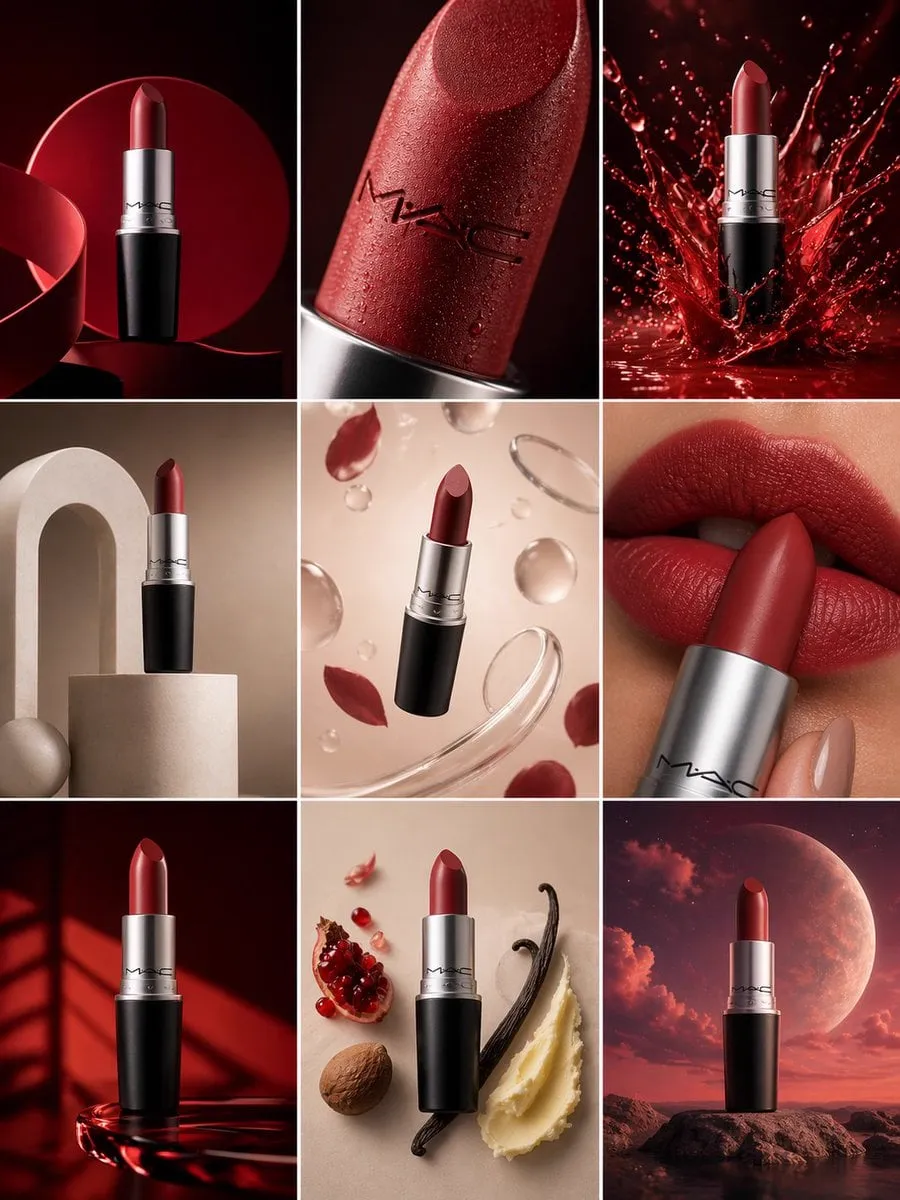

Video marketing used to be gated by gear. A single product film meant a camera package, a lighting kit, a location, a crew, and a post-production calendar measured in weeks. That gate is gone. A marketer with a laptop and a clear idea can now produce a polished thirty-second spot before lunch.
The new bottleneck is not generation capacity. It is process. Teams that publish strong video consistently are rarely the ones with access to the most advanced model. They are the ones who have turned video into a documented workflow with defined stages, review checkpoints, and measurable outcomes. This guide walks through that workflow end to end: how to brief, generate, assemble, publish, and measure AI-assisted video without losing brand consistency or burning out your team.
Why AI Video Marketing Has Become a Workflow Problem
Generative video models have collapsed the cost of producing footage. What used to require a shoot can now be approximated from a description, a reference image, or an existing clip. That creates a new failure mode: volume without direction. When anyone can generate fifty clips in an afternoon, the scarce resources become judgment, structure, and editorial discipline.
There is a second shift worth naming. Audiences have learned to recognize generic AI footage within a second or two. Slow, dreamlike pans, uncanny faces, and drifting text artifacts all signal "template" rather than "brand." The teams that avoid that trap use generative tools for the expensive parts of production — establishing shots, abstract sequences, product context, B-roll they could never afford to shoot — and then apply human craft to pacing, sound, and message.
In practice, that means treating generative video as one station on an assembly line rather than a magic button. The assembly line has five stations, and skipping any of them shows up on screen.
The Five Stages of an AI Video Workflow
The stages below apply whether you are producing a single hero film or fifty vertical cutdowns per month. The order matters more than the tools you pick.
Stage 1: Brief and Message Architecture
The brief is where most AI video projects quietly fail. If the brief is vague, the model will confidently produce something vague, and no amount of editing will fix a missing idea.
A usable brief fits on one page and answers eight questions:
- What is the single promise? Write it as one sentence a viewer would repeat to a friend.
- Who is the audience, and what do they already believe about this category?
- Which platform is this built for, and what is the native length there?
- What aspect ratio is primary, and which variants are required?
- What is the call to action, and what happens after the click?
- What is the one number that defines success (qualified leads, add-to-cart rate, watch time, saves)?
- What brand elements are non-negotiable (color, logo placement, tone, forbidden claims)?
- What is the deadline, and who approves the final cut?
Write the script before generating anything. Even a rough beat sheet — problem, tension, product, proof, invitation — gives you a shot list, and the shot list is what you actually generate against. A twenty-eight-second script typically breaks into six to nine shots, which is far easier to control than one continuous scene.
Stage 2: Reference and Asset Preparation
Gather everything before you open a generator. This stage saves more time than any prompt trick.
Build a reference folder containing: three to five mood-board frames that match the intended look; brand color values; logo files with clear-space rules; product photography from multiple angles; existing B-roll you already own; font files; and any color grade or look-up table your brand uses. Add a short document describing the visual grammar: how much camera movement is acceptable, whether the brand uses natural light or studio light, and which visual clichés are banned.
Then set up a naming convention and a folder structure you will still understand in three months. Something like campaign_assettype_shotnumber_version prevents the classic problem of forty untitled exports and one exhausted editor.
Stage 3: Generation
Generate in shots, not in scenes. Three to five seconds per clip gives you control, keeps artifacts manageable, and makes it easy to swap a single weak moment without regenerating everything.
Work in takes. For each shot in the list, generate three to five variations with small prompt adjustments, then immediately move the best one into a selects folder. Delete the rest. An unmanaged library of near-identical clips is the fastest route to decision paralysis.
Batch by shot type rather than by sequence. Generate all your establishing shots together, then all your product shots, then all your people shots. Batching keeps your prompting mindset consistent and makes it easier to spot when a particular shot type is generating poorly because of a prompt problem rather than a model limitation.
Keep a simple log. For each accepted clip, note the shot number, the prompt used, the seed or reference image, and any post-processing applied. This log becomes your most valuable internal asset, because it makes good results reproducible instead of lucky.
Stage 4: Assembly, Sound, and Motion Graphics
Editing is where AI footage stops looking like AI footage. Three techniques do most of the work:
Cut on motion. Trim clips so every cut lands on a movement — a hand gesture, a turn, a camera push. This masks the micro-imperfections generative clips often carry.
Vary shot length. A sequence of uniform four-second clips feels mechanical. Mix one-second inserts with six-second holds to create rhythm.
Add texture. Grain, subtle vignettes, light leaks, and a hair of chromatic aberration unify footage from different sources and give the piece a consistent finish.
Sound deserves equal weight. Choose music that matches the emotional arc rather than the genre label, and cut picture to the music where possible. Normalize loudness to platform standards — roughly minus fourteen loudness units for social platforms and minus sixteen for podcast or web delivery — so your video does not sound quieter than everything around it. Add three to five sound effects for movement, transitions, and product interactions. Silence is also a tool: dropping music for a single beat before the call to action is one of the oldest and most effective tricks in advertising.
Stage 5: Distribution and Measurement
Export a variant set rather than a single file: vertical, square, landscape, and whichever feed proportions your channels use. Reframe deliberately instead of relying on automatic cropping, which often decapitates subjects or pushes captions outside the safe area.
The first frame is a thumbnail and a hook at the same time. Design two or three opening options and treat them as test variables. Then publish with consistent tracking: a campaign naming convention, UTM parameters, and a single dashboard where all platforms report.
Choosing the Right Generation Approach
Different jobs need different techniques. Matching the approach to the task is the single biggest quality lever available.
| Approach | Best for | Watch out for |
|---|---|---|
| Text-to-video | Concept exploration, abstract sequences, establishing shots | Drifting subjects, weak physical logic |
| Image-to-video | Product hero shots, brand-accurate looks, character continuity | Motion that contradicts the still image |
| Video-to-video | Restyling existing footage, upscaling, format adaptation | Loss of fine detail, flicker between frames |
| Template-driven editing | High-volume social cutdowns, captioned explainers | Sameness across posts, limited creative range |
Text-to-video
Use it when you need something that does not exist yet. It is excellent for mood, atmosphere, and metaphor, and weakest when precision matters — hands manipulating objects, text on screens, or anything requiring exact spatial logic.
Image-to-video
This is the workhorse for product marketing. Start from a clean still of your product, your packaging, or a styled set, then add motion. Because the first frame is locked, brand color and composition survive.
Video-to-video and style transfer
Best when you already have footage. Use it to unify clips shot under different conditions, adapt a landscape edit into a vertical one, or push a consistent look across a series.
When templates beat generative models
If the goal is information delivery — a feature explainer, a testimonial, a listicle — a well-designed motion template will outperform a generative clip on clarity, speed, and consistency. Save generation for the moments that need atmosphere or spectacle.
Prompting for Brand Consistency
A reusable prompt structure keeps output coherent across an entire campaign. Try this order:
Subject and action → environment → camera and lens → lighting → mood → style reference → constraints.
For example: "A cyclist adjusting a helmet strap, urban riverside path at dawn, handheld medium shot at eye level, soft directional backlight with lens flare, calm and determined mood, muted teal and warm amber palette, no text, no logos, no distorted hands."
Beyond structure, four habits preserve consistency:
- Lock a style string. Write one paragraph describing your brand's visual language and paste it into every prompt. Small wording variations produce large visual shifts.
- Reuse references. A single approved reference image can anchor color and composition across dozens of shots.
- Describe wardrobe and lighting once, then never change it. Characters drift most often because the model is reinterpreting clothing and light direction on every generation.
- Create a negative list. Collect the artifacts you keep rejecting — extra fingers, warped text, floating objects — and include them as exclusions in every prompt.
Sound, Voice, and Accessibility
Decide early between human voiceover, synthetic narration, and on-camera speech. Synthetic narration is fast and consistent for explainers, but it flattens emotional range; keep human voice for testimonials, founder stories, and any moment where trust is the point.
Multilingual campaigns benefit enormously from voice replacement and dubbing, but always review the result with a native speaker. Tone, pacing, and humor rarely survive automated translation intact.
Accessibility is not optional. Burn captions into vertical videos where viewers often watch muted, and ship a subtitle file alongside landscape versions so platforms can render their own captions. Check contrast between captions and background, keep text inside title-safe margins, and never convey essential information through color alone. A transcript on the landing page also improves search visibility and gives you reusable copy.
A Pre-Publish Quality Checklist
Run this list before anything leaves your team:
- Faces and hands look anatomically normal in every frame.
- No warped, malformed, or floating text or signage.
- Product packaging, label spelling, and pricing are accurate.
- Brand logo meets clear-space rules and is legible at thumbnail size.
- Audio is normalized and free of clipping; music is licensed for commercial use.
- Captions are synced, correctly spelled, and inside safe areas.
- The first three seconds communicate the promise without sound.
- The end card shows a single, unmistakable call to action.
- Each export matches the target platform's aspect ratio, resolution, and length limits.
- The file name follows your tracking convention.
Common Mistakes That Undermine AI Video Performance
Generating before scripting. The most expensive mistake, because it produces attractive footage with no argument behind it.
One long generation instead of shot-based production. Long clips accumulate artifacts and leave you with no way to fix a single bad second.
Chasing novelty over message. Visually impressive sequences that do not advance the story train viewers to scroll past your brand.
Ignoring platform pacing. What works in a landscape brand film usually fails as a vertical feed video, and vice versa.
Inconsistent characters and wardrobe. Small continuity errors read as carelessness, which is the opposite of what product marketing needs.
Treating sound as an afterthought. Weak audio undermines strong picture far more reliably than weak picture undermines strong audio.
No variant testing. Publishing one version of a video wastes the cheapest advantage generative production gives you: abundant alternatives.
Ignoring rights and licensing. Confirm the commercial terms of every model you use, avoid recognizable faces and trademarks you do not own, and keep documentation for music and stock assets.
Measuring What Matters
Track four numbers per video, and diagnose problems in this order:
- Hook rate — the share of viewers still watching after three seconds. Low hook rate means the opening frame or first line is the problem.
- Hold rate — average watch time as a share of total length. Low hold rate points to pacing, repetition, or a payoff that arrives too late.
- Completion or save rate — signals whether the content was worth the time. Saves and shares matter more than likes for considered purchases.
- Click-through and conversion — the commercial outcome. A video can perform beautifully on watch time and still fail here, which usually means the call to action or the audience targeting is wrong.
Change one variable at a time. If you rewrite the script, swap the hook, and change the music simultaneously, you learn nothing about which change worked.
Scaling From One-Off Videos to a Content System
Individual videos are crafts projects. Content systems are assets. Three components turn one into the other:
A shot library. Every approved clip you generate should be tagged by subject, mood, and camera type, then archived. Most future videos can be assembled largely from existing footage with two or three new generations.
A prompt library. Store your winning prompts alongside the clip they produced. Onboarding a new team member becomes a matter of handing over a document rather than a two-week apprenticeship.
A template project file. Pre-built timelines with your titles, lower thirds, caption styles, end cards, and audio presets remove most of the setup work from every new video.
Add a repurposing ladder to get more from each production day: one long-form piece becomes three short verticals, a handful of stills, a carousel, and a written article. Batch production — scripting and generating in one block, editing in another, publishing in a third — consistently outperforms fragmented effort.
Frequently Asked Questions
Do I need expensive software to run this workflow?
No. A capable free editor plus an affordable caption tool covers most needs. Invest first in a reliable generator, a clean music source, and consistent storage, not in a large application stack.
How long should a promotional video be?
Match the platform and the intent. Feed videos often perform best between fifteen and thirty seconds, product explainers between forty-five and ninety seconds, and considered B2B content can run several minutes if the information density justifies it.
Can generative tools replace a human editor?
They can replace the tedium of sourcing and trimming footage. They cannot replace decisions about rhythm, emphasis, and what to leave out, and those decisions are what separate a forgettable video from an effective one.
How do I keep a character consistent across shots?
Anchor every shot to the same reference image, describe wardrobe and lighting identically in every prompt, generate multiple takes per shot, and accept that some retouching in the edit is normal.
What about rights to generated footage?
Terms vary by provider and by region. Read the current commercial-use terms, avoid generating recognizable public figures or trademarked characters, and keep records of the assets and music you incorporate.
How many versions should I test?
Start with two or three variants that differ in one meaningful way — the hook, the offer, or the pacing. More variants than that without clear tracking simply creates confusion.
Why does my AI video look generic?
Usually because the brief is generic. Specific settings, specific props, specific language, and a defined color palette do more for distinctiveness than any model upgrade.
What should I do when a generation looks almost right?
Use it as a reference for the next attempt rather than trying to salvage it in post. Regenerating from a strong frame is faster than rotoscoping a bad one.
The teams that win at video marketing are not chasing the newest model. They are running a tight loop: sharp brief, prepared assets, shot-based generation, disciplined edit, deliberate sound, variant testing, and a measurement habit that feeds the next brief. Build that loop once, and every new tool that arrives makes you faster instead of making you restart.
