
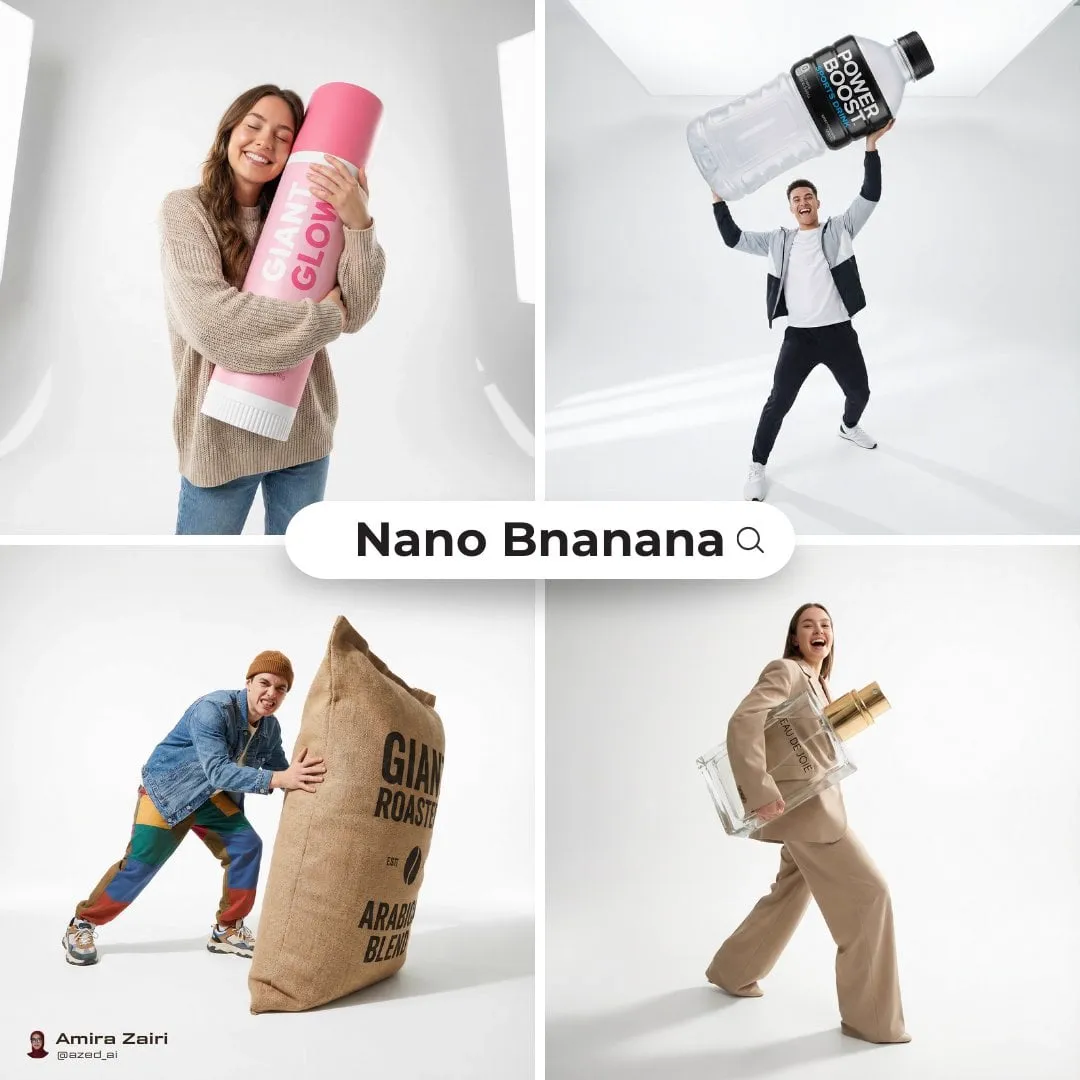
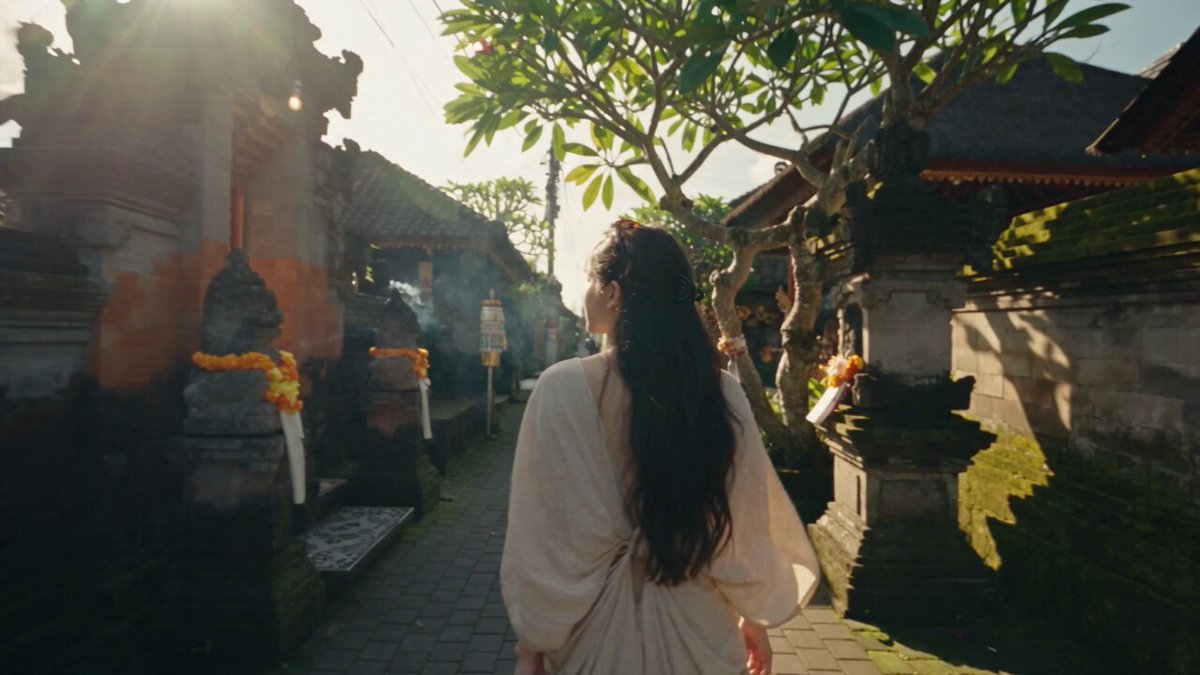
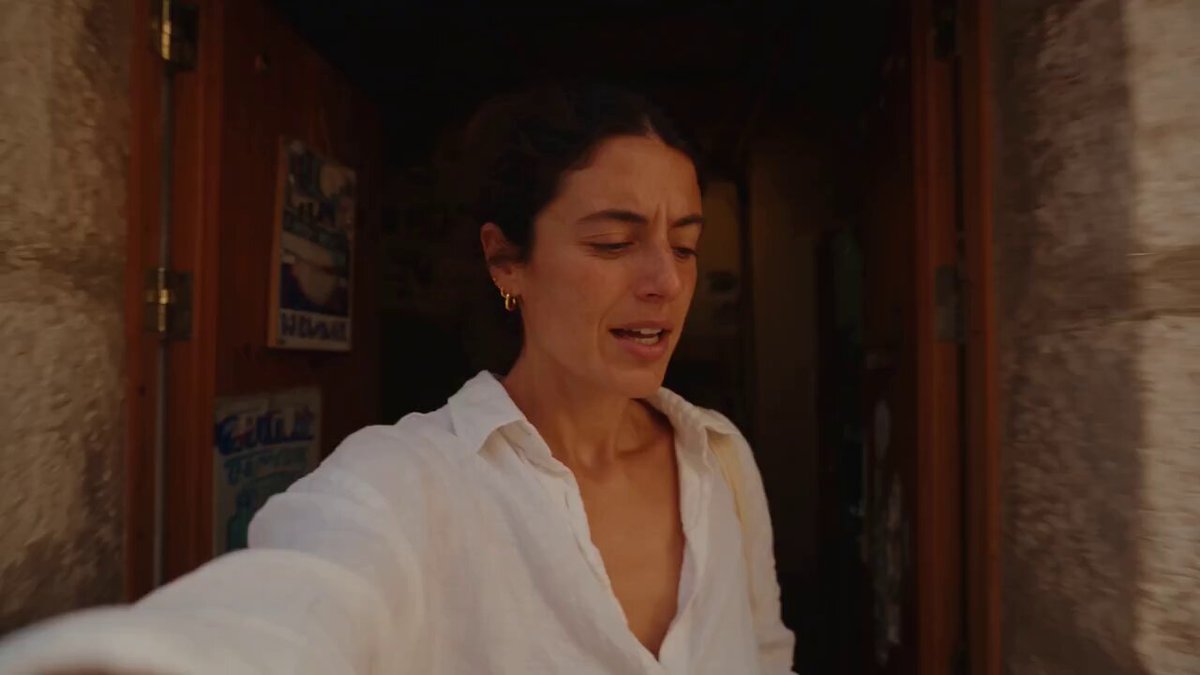
AI video generation has moved past the demo stage. The interesting question is no longer whether a model can produce a striking three-second shot, but whether a two- or three-person team can route a script through several models, keep characters and light consistent, and hand over a finished piece on a deadline. This guide approaches that question the way a producer would: not as a leaderboard, but as a set of decisions about which tool to use for which shot, and what to do when a generation fails.
Why the Comparison Question Changed
For a long time, AI video was judged on novelty. A clip of a cat surfing looked impressive, and that was enough. What changed is that several models now hold object identity across a long take, respect a described camera move, and produce frames that survive color grading. Once a model can do that, it stops being a toy and becomes a rendering option — and rendering options get compared on boring criteria: reliability, control, turnaround, and how often you have to throw a take away.
The second shift is that no single model wins everything. One system is better at human motion and physical weight. Another is better at camera choreography and depth. A third is better at continuity across multiple shots. Teams that accept this and build a routing system outperform teams that pick a favorite and defend it emotionally.
The third shift is that generation is now the cheap part. Wasted time is spent on re-rolls, fixing hands, replacing flickering backgrounds, and matching color between takes. That is why comparison matters: the model that saves you one re-roll per shot is worth more than the model with the most impressive highlight reel.
How to Compare Video Models Without Getting Lost
Motion, lighting, camera, and audio are separate capabilities
A single score hides everything useful. Split the evaluation into four tracks. Motion quality covers limb articulation, weight, contact with surfaces, and whether objects keep their shape. Lighting quality covers how light sources behave, how materials respond, and whether shadows move consistently. Camera quality covers whether a described push-in, orbit, or pan actually happens at the speed you asked for. Audio and lip-sync quality covers whether dialogue lands on the right frame and whether ambient sound stays coherent.
A model can be excellent at lighting and mediocre at hands. A model can nail a slow dolly and fall apart on a fast whip pan. Score each track separately on a simple scale, and you will immediately see which shots belong to which model.
Demo reels hide failure modes
Promotional clips are chosen from hundreds of generations, edited to cut away before artifacts appear, and often slowed down or stabilized. They tell you what is possible, not what is typical. When you evaluate, ask a different question: on this shot, what percentage of takes would I actually use? A model that gives you one usable take in four is a different tool from a model that gives you one in twelve, even if their best outputs look identical.
Test on your own shots, not on someone else's highlights
The only benchmark that matters is your shot list. Pull five shots that represent your project: a medium close-up of a person speaking, a wide establishing shot, a product insert, a walking shot with background motion, and one shot with a complicated camera move. Generate each in every candidate model with identical prompts and seeds where possible. Compare side by side, mute the audio, and watch at normal speed twice. Most weak generations become obvious on the second viewing.
Record the results in a simple table: shot type, model, takes needed, artifact notes, and whether it needed repair work. That table becomes your routing document for the whole project.
A Field Guide to the Current Generation of Video Models
Kling: physics, object permanence, and long takes
Kling has built its reputation on physical plausibility. Objects keep their mass, cloth moves with the body rather than against it, and long takes hold together better than many competitors. If your project involves people moving through space — dancing, fighting, working with tools — this is often the first place to test. Its weaknesses tend to show up in very fast action and in extreme close-ups where facial micro-detail matters.
Runway: director-style control and editorial fit
Runway's strength is the control surface around the model. Motion brushes, camera controls, and tight integration with an editing environment make it a good fit for teams who think in timelines rather than in prompts. It rewards users who storyboard precisely. If your workflow involves iterating on an existing edit — replacing a background, extending a shot, restyling a sequence — the surrounding tooling often matters more than raw model output.
Sora: narrative continuity across shots
Sora tends to excel where continuity is the hard problem: the same character in the same room across several shots, consistent wardrobe, and a sense of scene rather than a sense of clip. It is well suited to narrative short films and explainer sequences with recurring locations. The tradeoff is that finely controlled camera moves can feel less predictable than in tools built around explicit camera parameters.
Luma Ray: camera movement and depth
Luma's models are strong on spatial depth and camera choreography. Orbits, parallax, and moves through a scene tend to read cleanly, which makes them useful for product films, architectural walkthroughs, and anything where the camera is the main character. Depth coherence also makes compositing easier when you need to place graphics or titles behind foreground elements.
Flux-class image models as the texture layer
Not every problem needs video generation. High-quality image models are frequently the better tool for key art, reference frames, texture plates, and the first frame of a shot. Generating a strong still and animating from it is a common and reliable pattern: it gives you precise control over composition and lighting before the video model starts interpreting the scene. Treat image generation as the pre-production layer rather than a competitor to video generation.
A Repeatable Multi-Model Workflow
Script, shot list, and a decision about what must be real
Start with a shot list that names the shot type, duration, subject, action, camera behavior, and lighting mood. Then mark each shot with one of three labels: generated, generated with repair, or practical. Practical means it is cheaper and safer to shoot or stock it — a real hand opening a real door often beats a generation. Deciding this up front prevents the classic trap of spending a week generating something that a phone camera could capture in ten minutes.
Reference frames and the style bible
Generate or select a small set of reference stills that define your look: one portrait, one wide, one detail, one night scene. Keep them in a folder with consistent naming. These frames do two jobs: they go into image-to-video pipelines as first frames, and they serve as visual prompts when you describe lighting and palette in text. A style bible of six to ten images is enough to keep a multi-model project visually coherent, and it is the single highest-leverage artifact in the whole pipeline.
Routing each shot to the right model
Route by capability, not by loyalty. Use the routing table you built during evaluation. As a default heuristic: physical human motion and long takes go to the physics-strong model, controlled camera moves go to the depth-strong model, continuity-heavy sequences go to the narrative model, and anything that needs a specific composition starts with an image model and animates from the still.
Write prompts per model, not per project. The same scene benefits from different phrasing in different systems. Keep a prompt log with the model, the prompt, the seed, and the result, so a successful take can be reproduced or extended later.
Editing, stabilization, and sound
Generated footage rarely arrives ready to cut. Plan for stabilization, subtle retiming, light grain matching, and color correction to unify takes from different models. Sound design is where AI video most often feels amateur: add room tone, foley for footsteps and cloth, and a music bed that matches the cut rhythm. If dialogue is involved, record it separately and treat the generated mouth movement as a starting point rather than a final result.
Quality control and the re-roll budget
Set a per-shot cap before you start generating. Three or four attempts per shot is a realistic discipline; if a shot fails four times, the problem is usually the prompt, the reference frame, or the concept itself. Change one variable at a time — composition first, then motion, then lighting — and stop when the take is usable rather than perfect. Perfectionism on a single shot is the most common way AI video projects die.
Prompt Craft: The Details That Actually Change Output
Camera language models respond to
Describe the camera the way a camera operator would. "Slow dolly in, chest-height, 50mm equivalent, subject centered, shallow depth of field" produces more predictable results than "cinematic shot." Name the movement, the speed, the height, and the framing. Avoid combining two movements in one prompt unless the model has explicit multi-axis camera control.
Lighting and material vocabulary
Lighting descriptors do real work. Say whether the source is soft or hard, warm or cool, frontal or rim, and where it sits relative to the subject. Name materials too — brushed aluminum, matte cotton, wet asphalt, frosted glass. Materials determine how light reads, and models respond to concrete nouns far better than to mood adjectives.
Motion verbs, timing, and negative prompts
Use plain verbs with physical meaning: walks, turns, lifts, settles, drifts. Add timing when it matters — "in four seconds" — and keep the action to one beat per clip. Negative prompts are useful but blunt; use them for specific recurring problems such as warped hands, duplicate limbs, text overlays, or logo artifacts. If you need to suppress three different issues, split the shot instead of stacking negatives.
Managing Time, Compute, and Expectations
Budget your project in three currencies: time, compute, and attention. Time is the calendar; compute is whatever your generation capacity costs you; attention is the human hours spent reviewing takes. Attention is almost always the bottleneck, and it is the one nobody plans for.
A reasonable planning ratio for a one-minute finished piece is: one day of pre-production for script, shot list, and style bible; one to two days of generation and iteration; one day of assembly, sound, and color. If your shot list has more than twenty shots, expect the generation phase to expand faster than the editing phase, because each additional shot carries its own re-roll risk.
Expect the first generation of any new shot type to be poor. That is not failure; it is calibration. The teams that ship are the ones who treat the first three takes as research.
Mistakes That Quietly Ruin AI Video Projects
Chasing a single perfect clip and never finishing the cut. A finished ninety-second piece with two weak shots beats an unfinished masterpiece every time.
Ignoring continuity between takes. Hair length, jacket color, and the position of objects on a table drift between generations. Lock these with reference frames and by generating sequential shots from the previous shot's final frame when the model supports it.
Overwriting prompts. Long prompts dilute. If a prompt exceeds roughly sixty to eighty words, split it into a scene description and a camera description, or simplify the shot.
Mixing aspect ratios and frame rates late. Decide delivery format first, generate natively where possible, and avoid upscaling and cropping as a rescue strategy.
Skipping sound design. Viewers forgive visual imperfection far more readily than tinny silence.
Forgetting the rights question. Check the commercial terms of each tool you use, keep license records for music and stock, and avoid depicting real people, brands, or trademarked characters without permission.
FAQ
Is a single model enough for a full project?
Sometimes. For short, stylistically consistent pieces with simple camera work, one model is often faster because it removes routing decisions. The moment your project needs both controlled camera moves and long human action, a two-model pipeline usually pays for itself.
Do I need a local GPU?
Not necessarily. Many models are available through hosted interfaces, which is the fastest way to start. Local hardware becomes attractive when you generate at high volume, need strict data control, or want to run open-weight models with heavy customization.
How long should each generated clip be?
Shorter than you think. Two to five seconds per generation gives you the most control and the least drift. Build longer sequences by cutting between takes rather than by asking one model for a thirty-second continuous shot.
How do I keep characters consistent?
Use a character reference image plus a short written description, then generate one clean portrait as your anchor. Reuse that anchor across shots, keep wardrobe descriptors identical, and generate sequential shots in the same batch where possible. Consistency is a process, not a prompt trick.
What about dialogue and sound?
Treat generated dialogue as a preview. Record clean audio separately, then cut the visuals to the audio. Add room tone, foley, and music in a dedicated pass so the piece does not feel assembled from disconnected clips.
How many takes should I plan per shot?
Plan for three to four usable attempts. Track your actual average in your routing table; if a model consistently needs eight attempts for a specific shot type, that shot type belongs to a different model.
Bringing It Together
The comparison that matters is not which model is best in the abstract. It is which model is best for the specific shot in front of you, at the quality level your deadline allows. Build a small evaluation set, score motion, lighting, camera, and audio separately, and write the results down. Route each shot by capability. Keep a style bible, log your prompts, and set a re-roll cap so perfectionism cannot eat your schedule.
Do that, and the choice of model becomes a routine production decision rather than an argument. The technology will keep moving; the workflow is what compounds.
