
The New Infrastructure of Video Creation
In mid-2025, the landscape of digital content creation has undergone a radical transformation. What was once a niche experiment in AI-generated clips has matured into a robust ecosystem of AI video production platforms. These tools are no longer mere assistants; they have become the core infrastructure for the modern creator economy. From independent filmmakers to marketing teams, the ability to generate high-quality video from text prompts is reshaping how stories are told, products are showcased, and audiences are engaged.
This guide explores the current state of text-to-video technology, the underlying generative models that power it, and the advanced creative controls that allow for professional-grade output. We will examine why these platforms matter, how to leverage them effectively, and what to expect as the technology continues to evolve.
Understanding the Text-to-Video Revolution
The journey from simple image generation to full-motion video synthesis has been remarkably swift. Early text-to-video models produced choppy, surreal clips that were more novelty than practical tool. Today, state-of-the-art systems generate coherent, high-resolution video with realistic physics, consistent characters, and cinematic camera movements.
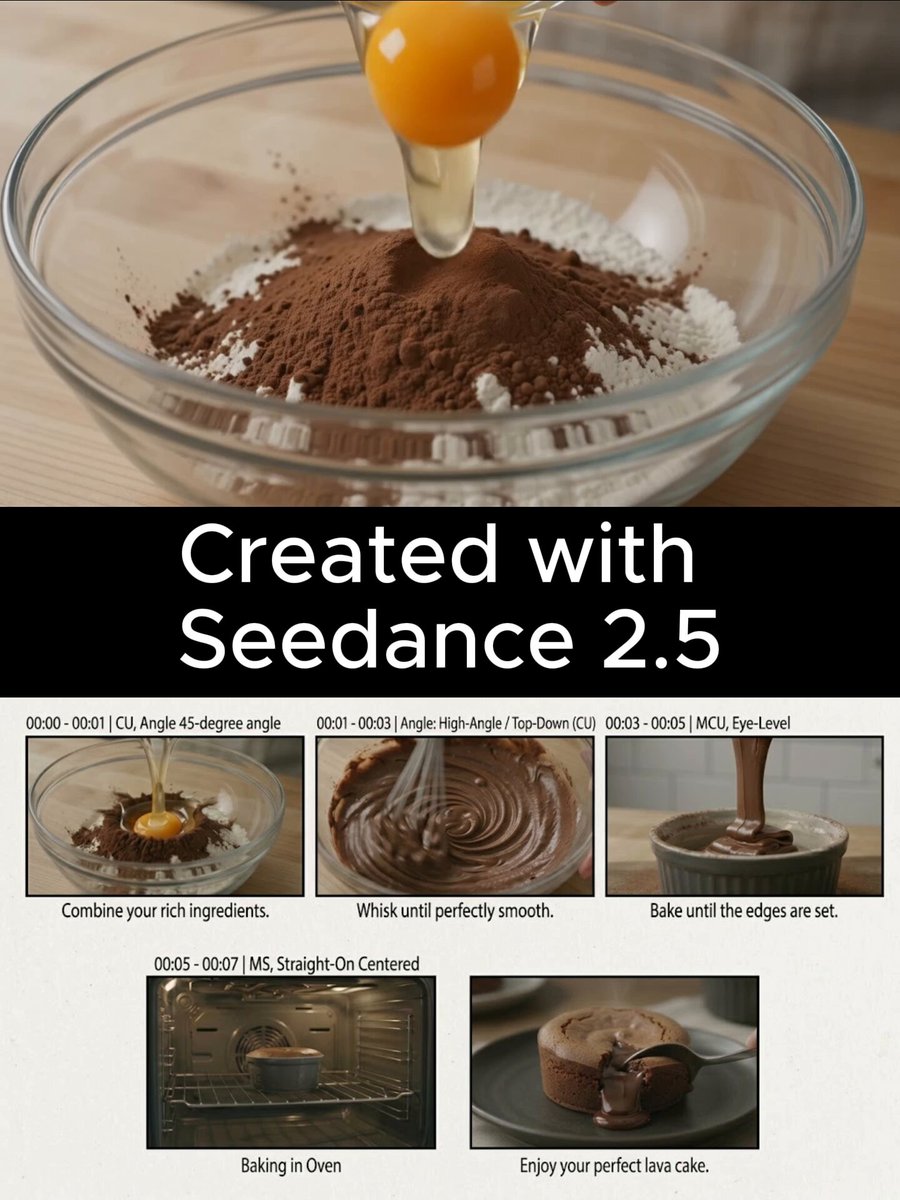
At the heart of this revolution are diffusion models and transformer architectures that have been scaled to handle temporal data. These models learn the statistical patterns of how objects move, how lighting changes, and how scenes unfold over time. When you input a text prompt, the system doesn't just paint a single frame; it constructs a sequence of frames that adhere to the physical and narrative logic of your description.
The result is a paradigm shift in production. Tasks that once required cameras, crews, actors, and locations can now be accomplished with a well-crafted prompt and a few minutes of computation. This doesn't mean traditional filmmaking is obsolete, but it does mean that the barrier to entry for creating professional-looking video has dropped dramatically.
Why AI Video Platforms Matter in 2025
The importance of these platforms extends beyond convenience. They are fundamentally changing the economics of video production. A small business can now produce a commercial that rivals a big-budget studio, and a solo content creator can publish daily videos without a production team. This democratization of video has profound implications for marketing, education, entertainment, and social media.
Moreover, AI video platforms enable rapid iteration. A script can be visualized in multiple styles, a scene can be re-shot with different lighting, and a character's expression can be adjusted—all without leaving your desk. This speed of iteration fosters creativity and allows creators to experiment with ideas that would have been too costly or time-consuming to test in the past.
As we move further into 2025, the integration of AI video generation into standard creative workflows is becoming seamless. Platforms are offering APIs, plugins for popular editing software, and collaborative features that make AI-generated footage just another asset in the production pipeline.
The Technological Pillars: Generative Models Driving Innovation
Behind every AI video platform is a collection of generative models, each with its own strengths and specializations. Understanding these models helps you choose the right tool for your project and craft prompts that yield the best results.
Photorealistic Image Generation as a Foundation
Many advanced video platforms begin with image generation models that produce stunningly realistic stills. These models, such as the Flux series, have pushed the boundaries of what's possible in terms of control and quality. They allow for fine-grained adjustments to lighting, composition, and subject details. When these images are animated, the resulting video inherits that photorealism.
For example, a model like Flux Pro can generate a portrait with lifelike skin texture and nuanced shadows. When used as a starting frame for video generation, the animation preserves that detail, creating a clip that looks like it was shot on a high-end cinema camera. Similarly, Flux Dev and Flux Schnell offer faster generation times and varying levels of control, making them suitable for different stages of production. Flux Redux, on the other hand, excels at image-to-image transformations, which is invaluable for maintaining consistency across shots.
Industry-Grade Video Synthesis
Once you have a strong image foundation, the next step is video synthesis. Models like Runway Gen-4 and OpenAI Sora have set new standards for what text-to-video can achieve. Gen-4 is known for its ability to maintain temporal coherence and realistic motion, making it ideal for narrative scenes. Sora, with its series of updates, has demonstrated impressive capabilities in generating complex scenes with multiple characters and dynamic camera work.
These models are particularly good at handling prompts that describe action and camera movement. For instance, a prompt like "A detective walks slowly through a rain-soaked alley, camera tracking from behind" will yield a clip with smooth motion and atmospheric lighting. The models understand not just what objects look like, but how they move through space and time.
The Rise of Asian Models
Competition in the AI video space is global, and models from Asian developers have introduced unique advantages. Kling AI and PixVerse V4.5 are notable for their efficiency, stylistic versatility, and innovative features. Kling AI often excels at anime and stylized content, while PixVerse V4.5 offers strong performance in dynamic action sequences.
These models often provide a different aesthetic or technical trade-off, allowing creators to match the model to the mood of their project. For a cyberpunk short, a model that handles neon reflections and fast motion well might be preferred. For a soft, romantic scene, a model with superior color grading and subtle facial expressions might be the better choice.
Advanced Creative Control and Character Consistency
One of the biggest challenges in AI video generation is maintaining consistency across multiple shots. A character should look the same from one scene to the next, and the style of the video should remain uniform. Modern platforms are addressing this with advanced control features.
Multi-Image Fusion for Character Consistency
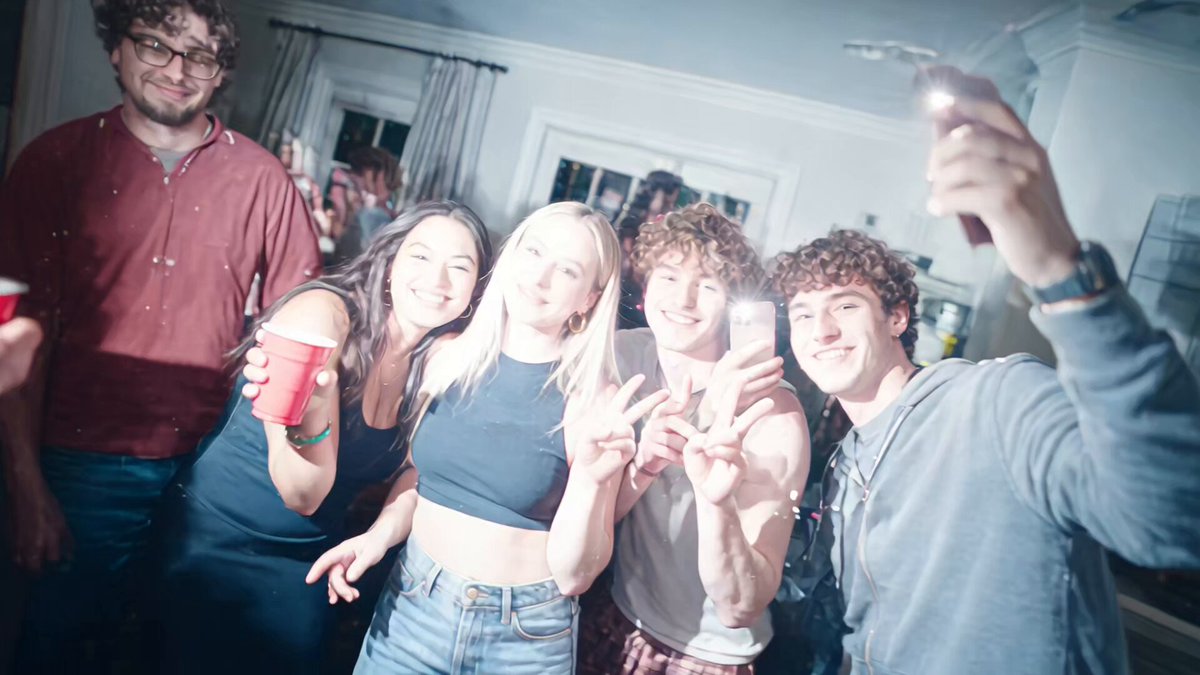
Multi-image fusion technology allows you to feed multiple reference images of a character into the model. The system then learns the character's features and applies them to new generations. This means you can create a character sheet and use it to generate a series of shots where the character appears in different poses, outfits, and environments, all while retaining their identity.
For example, if you are creating a short film about a knight, you can provide reference images of the knight's face, armor, and distinctive markings. The AI will then generate scenes of the knight in battle, in a castle, or on a quest, with the character looking consistent throughout. This is a game-changer for episodic content and brand storytelling.
Integrating Specialist and Budget Models
Not every project requires the most expensive or powerful model. A smart workflow integrates both specialist models for key shots and budget-friendly models for filler or background elements. For instance, you might use a high-end model for the hero shot of your product, but use a faster, lower-cost model for simple b-roll or transitions.
This tiered approach optimizes both time and resources. It also allows you to experiment more freely, since you can test ideas with cheaper models before committing to a final render with a premium one. Many platforms now support model switching within a single project, making this kind of workflow seamless.
Mastering Visual Storytelling with Exclusive and Open Models
The choice between exclusive, proprietary models and open-source alternatives is another dimension of creative control. Exclusive models often offer cutting-edge features and superior quality, as they are developed by teams with significant resources. Open models, on the other hand, provide transparency, customizability, and sometimes a more permissive licensing structure.
For storytellers, the key is to match the model to the narrative. A gritty documentary might benefit from the raw, unpolished look of an open model. A polished commercial might demand the flawless output of an exclusive model. Many creators use a hybrid approach, leveraging the strengths of both.
The AI Director: Automating Cinematography and Scene Composition
Beyond generating individual clips, the most advanced platforms are introducing AI director agents that automate the entire cinematography process. These agents can take a script or a high-level concept and break it down into a series of shots, complete with camera angles, lighting setups, and transitions.
Imagine feeding a short story into an AI director. The system analyzes the narrative, identifies key moments, and proposes a shot list. It might suggest a close-up for emotional beats, a wide shot for establishing scenes, and a dynamic tracking shot for action sequences. It then generates each shot using the appropriate models and stitches them together into a coherent sequence.
This level of automation doesn't replace the human director; it augments them. It handles the tedious technical details, freeing the director to focus on the creative vision. It also makes sophisticated cinematography accessible to those without formal training, further democratizing video production.
Practical Workflow: From Script to Screen
Let's walk through a typical workflow for creating a video with an AI production platform.
- Concept and Script: Start with a clear idea and a script. Even a short paragraph can serve as the basis. Break it down into scenes and identify the key visual elements.
- Character and Style Definition: If your video features recurring characters, create reference images or use multi-image fusion to lock in their appearance. Define the overall visual style—realistic, animated, cinematic, etc.
- Shot Planning: Use the AI director or manually plan your shots. Decide on camera angles, movements, and lighting for each scene. Write prompts that describe these elements in detail.
- Generation: Generate each shot using the chosen models. Start with lower-resolution or faster models to validate the composition, then upscale or re-generate with higher-quality models for the final output.
- Assembly and Editing: Import the generated clips into a video editor. Add music, sound effects, voiceover, and titles. Adjust timing and transitions to create a cohesive flow.
- Review and Refine: Watch the final cut and identify any inconsistencies or weak spots. Re-generate specific shots as needed, tweaking prompts or model settings.
This workflow is iterative. You might generate a shot, realize the lighting is wrong, and re-generate with a modified prompt. The speed of AI generation makes this process fast and fluid.
Choosing the Right Platform for Your Needs
With so many options available, selecting the right AI video production platform can be daunting. Consider the following criteria:
- Output Quality: Does the platform produce the level of realism or stylistic fidelity you need? Look at sample galleries and test with your own prompts.
- Control Features: Does it offer character consistency, multi-image fusion, and fine-grained camera controls? These are essential for narrative work.
- Model Variety: Can you switch between different models for different shots? A platform that aggregates multiple models gives you more flexibility.
- Speed and Cost: How long does generation take, and what is the pricing structure? Some platforms charge per generation, while others offer subscriptions.
- Integration: Does it integrate with your existing editing software? API access can be crucial for automating workflows.
- Community and Support: Is there an active community for troubleshooting and inspiration? Good documentation and support can save you hours.
It's often worth trying a few platforms to see which one aligns with your creative style and technical requirements. Many offer free tiers or trials, so you can experiment before committing.
The Future of AI Video Production
The field is advancing at a breathtaking pace. We can expect several trends to shape the near future:
- Higher Resolution and Longer Clips: Models will continue to improve, generating 4K and even 8K video with durations of several minutes.
- Real-Time Generation: As hardware and algorithms improve, we may see real-time text-to-video generation, enabling live performances and interactive experiences.
- Deeper Integration with 3D: Combining AI video with 3D assets and virtual production will open new creative possibilities.
- Enhanced Audio: AI-generated audio, including dialogue and sound effects, will become more sophisticated and synchronized with video.
- Ethical and Legal Frameworks: As the technology becomes more prevalent, expect new regulations and standards around deepfakes, copyright, and attribution.
Creators who stay informed and adapt to these changes will be well-positioned to leverage the next wave of innovation.
Common Challenges and Troubleshooting
Even with advanced tools, you may encounter issues. Here are some common problems and solutions:
- Inconsistent Characters: Use multi-image fusion and provide multiple reference angles. If the model still struggles, try a different model that specializes in character consistency.
- Unrealistic Motion: Simplify your prompt or break the action into smaller shots. Some models handle complex motion better than others; experiment to find the best fit.
- Low Resolution: Generate at the highest possible resolution, or use an upscaling model. Some platforms offer built-in upscaling as a post-process.
- Prompt Misinterpretation: Be more specific. Instead of "a happy dog," try "a golden retriever wagging its tail in a sunny park, close-up." Use descriptive language for lighting, mood, and camera angles.
- Generation Taking Too Long: Reduce the resolution or duration, or switch to a faster model. Batch similar generations together to optimize queue times.
Troubleshooting is part of the creative process. Each iteration teaches you more about how the models interpret prompts, making you a more effective AI director.
Frequently Asked Questions
Q: Do I need a powerful computer to use AI video production platforms?
A: Most platforms are cloud-based, so you only need a decent internet connection and a modern browser. The heavy computation happens on remote servers. Some tools offer local options, but they require significant GPU resources.
Q: Can I use AI-generated videos for commercial projects?
A: It depends on the platform's licensing terms. Many allow commercial use, but some restrict it or require attribution. Always check the terms of service before using generated content in a commercial context.
Q: How long does it take to generate a video?
A: Generation time varies by model, resolution, and length. Simple clips might take a few seconds, while high-resolution, longer scenes can take several minutes. Cloud platforms often queue jobs, so times can fluctuate.
Q: Is it possible to edit the video after generation?
A: Yes, you can import generated clips into any standard video editor. Some platforms also offer built-in editing tools for trimming, merging, and adding effects.
Q: Will AI replace human filmmakers?
A: AI is a tool that augments human creativity, not replaces it. It automates technical tasks and enables rapid prototyping, but the vision, storytelling, and emotional resonance still come from the human creator.
Q: How can I improve the quality of my generated videos?
A: Write detailed prompts, use high-quality reference images, experiment with different models, and iterate. Post-processing in a video editor can also enhance colors, add effects, and smooth transitions.
Q: Are there any ethical concerns with AI video generation?
A: Yes, particularly around consent, deepfakes, and misinformation. It's important to use these tools responsibly, respect others' rights, and be transparent about AI involvement when appropriate.
Conclusion
AI video production platforms have transformed from experimental toys into essential infrastructure for the modern creator. By understanding the underlying models, leveraging advanced controls like multi-image fusion, and adopting a smart workflow, you can produce professional-quality video content faster and more affordably than ever before. The technology is still evolving, but the creative potential is already immense. Whether you're a solo creator or part of a large team, embracing these tools will unlock new levels of productivity and innovation in your video projects.
