

Introduction
The rapid evolution of generative AI video tools has given creators an extraordinary amount of power. We can now generate realistic scenes, animate characters, and even produce short films entirely through AI generation. But there's a catch. While the technology can produce stunning visuals on demand, truly compelling storytelling still requires careful shot design, consistent character representation, and thoughtful pacing. That's where the next generation of AI video platforms is stepping in.
At Domer, we believe AI should do more than just generate — it should help you direct. Our AI video generator is designed to support every stage of your creative workflow, from initial idea to final edit. Whether you're a filmmaker, content creator, or digital artist, understanding how to leverage intelligent shot design can dramatically improve your output.
The Real Bottleneck: From Generation to Direction
The current landscape of AI video production is defined by powerful models but fragmented control. Each model excels at something different — some are great at realistic textures, others at smooth motion, and still others at stylized effects. But the element that ties it all together — the directorial intent — is often left to the user to figure out through endless prompting.
Character and scene consistency remains one of the most persistent challenges. Maintaining the same protagonist’s face across multiple shots, ensuring lighting and mood stay coherent, and cutting scenes together with the right rhythm all require significant manual effort. In fact, industry studies suggest that narrative consistency is the primary barrier to enterprise adoption of AI video tools.
This is where intelligent directorial support becomes a game changer. Instead of treating each generation as a one-off, modern platforms treat scenes as part of a larger narrative arc. They analyze the script, understand the emotional beats, and adjust camera parameters, motion, and even model selection to serve the story.
Crafting Shot Design with Contextual Intelligence
Great cinematography is about intention. Why is this shot framed that way? Why use a close-up instead of a wide shot? When AI understands the story, it can start making these choices for you.
Contextual Parameter Adjustment
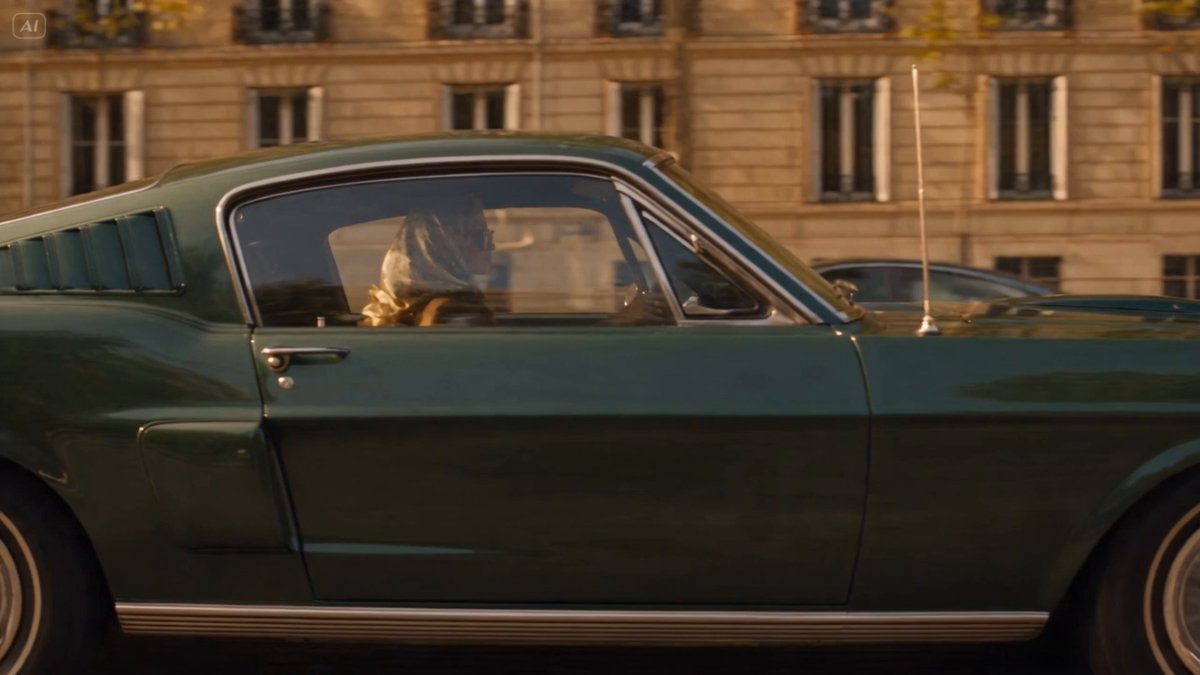
Imagine you're creating a scene where a character receives life-changing news. A generic AI video generator might produce a simple medium shot. But with contextual intelligence, the generator can suggest a slow push-in, a shallow depth of field to isolate the subject, and a subtle handheld shake to convey emotional vulnerability.
Our platform accomplishes this through an intelligent orchestration layer. It reads your scene descriptions, identifies key emotional cues, and translates them into visual parameters. If you're using text-to-video, you can provide a simple line like "a quiet moment of realization" and the system will help you select the right framing and motion.
This saves you hours of experimentation. Instead of generating dozens of variations to find a composition that works, you get a tailored starting point that already respects cinematic principles like the rule of thirds, leading lines, and emotional framing.
Maintaining Character Consistency Across Scenes
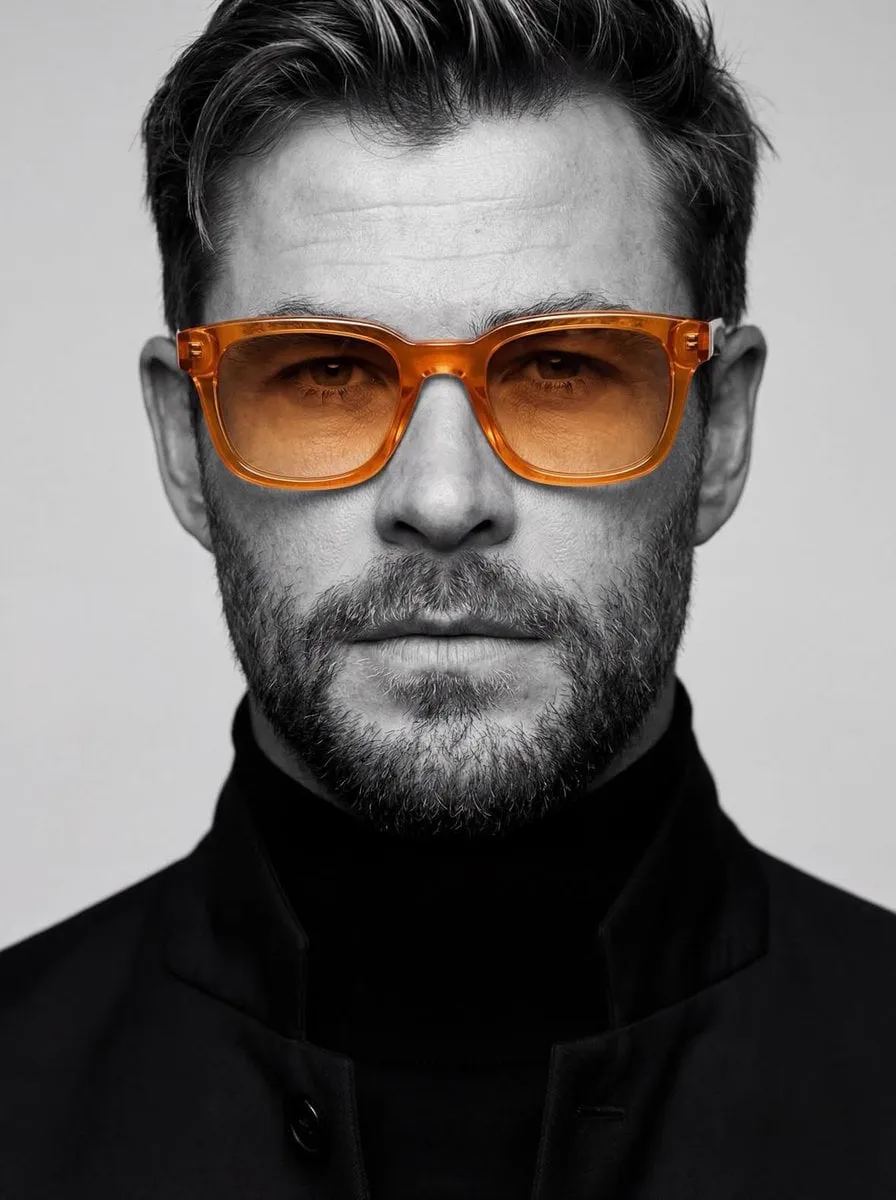
One of the most requested features in AI video production is character consistency. You want the same person in every shot, not a character who changes appearance between scenes. Domer addresses this with robust image reference workflows.
By generating a reference sheet with tools like our AI image generator or converting an existing image with image-to-image, you can establish a clear visual anchor. The video generation pipeline then honors that anchor across different scenes, camera angles, and lighting conditions.
When you need even finer control, you can combine multiple references to guide facial expressions, wardrobe, and style. Our platform's integration with models like GPT Image 2 and Seedance 2.0 means you can blend the best of still-image fidelity and video motion smoothness.
Narrative Pacing and Scene Transitions
A film's rhythm comes from its edits. When everything moves at the same speed, the audience loses interest. Intelligent direction can help you build tension by varying shot lengths and choosing the right transitions.
For a calm exposition scene, longer shots with gentle camera movement create a sense of stability. For a sudden shock, a hard cut or a dynamic whip transition is far more effective. Platforms that store scene metadata — like time codes, emotional intent, and character focus — can automatically suggest these transitions based on your script's narrative beats.
At Domer, we built our backend to handle this kind of complexity. Each scene is logged with its own metadata, so the system knows whether a moment is a flashback, a location shift, or an emotional pivot. It then recommends transitions that fit the story's logic.
Framing for Emotional Impact
Cinematographers know that camera placement communicates meaning. A low-angle shot makes a character look powerful. A high-angle shot makes them seem vulnerable. When AI understands these principles, it can suggest framing that reinforces your story.
For intimate moments, the system might recommend tight close-ups and a shallow depth of field. For scenes of isolation, it might suggest a wide shot with the character placed off-center to emphasize negative space. This is not just automation — it's directorial assistance that elevates your original vision.
Choosing the Right Model for Every Moment
No single model is perfect for every shot. A photorealistic close-up might require a model known for texture fidelity, while a stylized dream sequence might be better served by an animated model. The key is flexibility.
Domer's platform gives you access to a diverse model library. For still images that inform your video, GPT Image 2 offers stunning detail and prompt adherence. For the video itself, Seedance 2.0 delivers impressive consistency and motion quality. You can also explore other models like Kling 3.0 or Nano Banana 2 for different stylistic effects.
The real magic happens when the system suggests a model switch based on the scene's requirements. When you're working on a narrative, you shouldn't have to manually compare dozens of output samples — the platform can guide you toward the best tool for each moment.
The Future of AI Video Production
As tools become more intelligent, the line between "generator" and "director" will blur. The future is not about typing longer prompts — it's about communicating your creative intent and having the system translate that into a cohesive visual story.
We're already seeing this shift in pre-visualization workflows, AI-assisted editing, and real-time feedback. By 2027, industry analysts predict that directorial AI will become standard operating procedure for marketing content, short films, and even feature-length projects. The creators who embrace these tools now will have a significant advantage.
Ready to Elevate Your Storytelling?
Whether you're working on a passion project or a client deliverable, the right AI tools can help you achieve cinematic quality without a full production crew. Start with our AI video generator, explore different models, and let the platform handle the technical heavy lifting.
Your story deserves to be told with intention. Let's bring it to life.
