
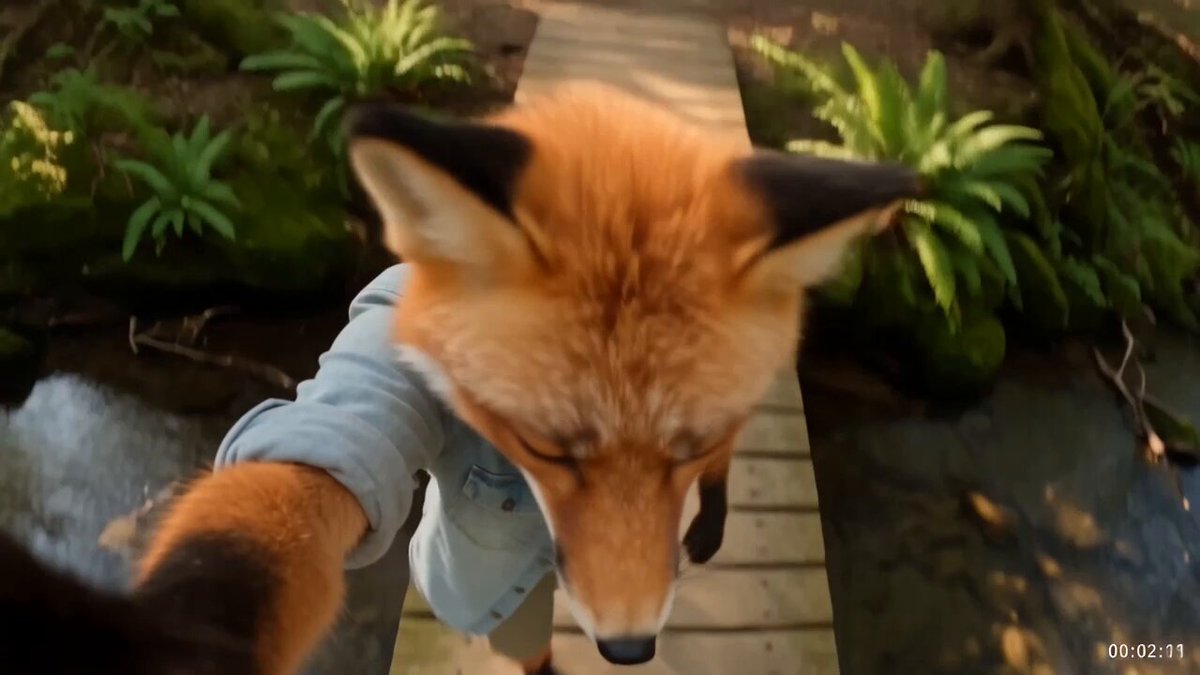
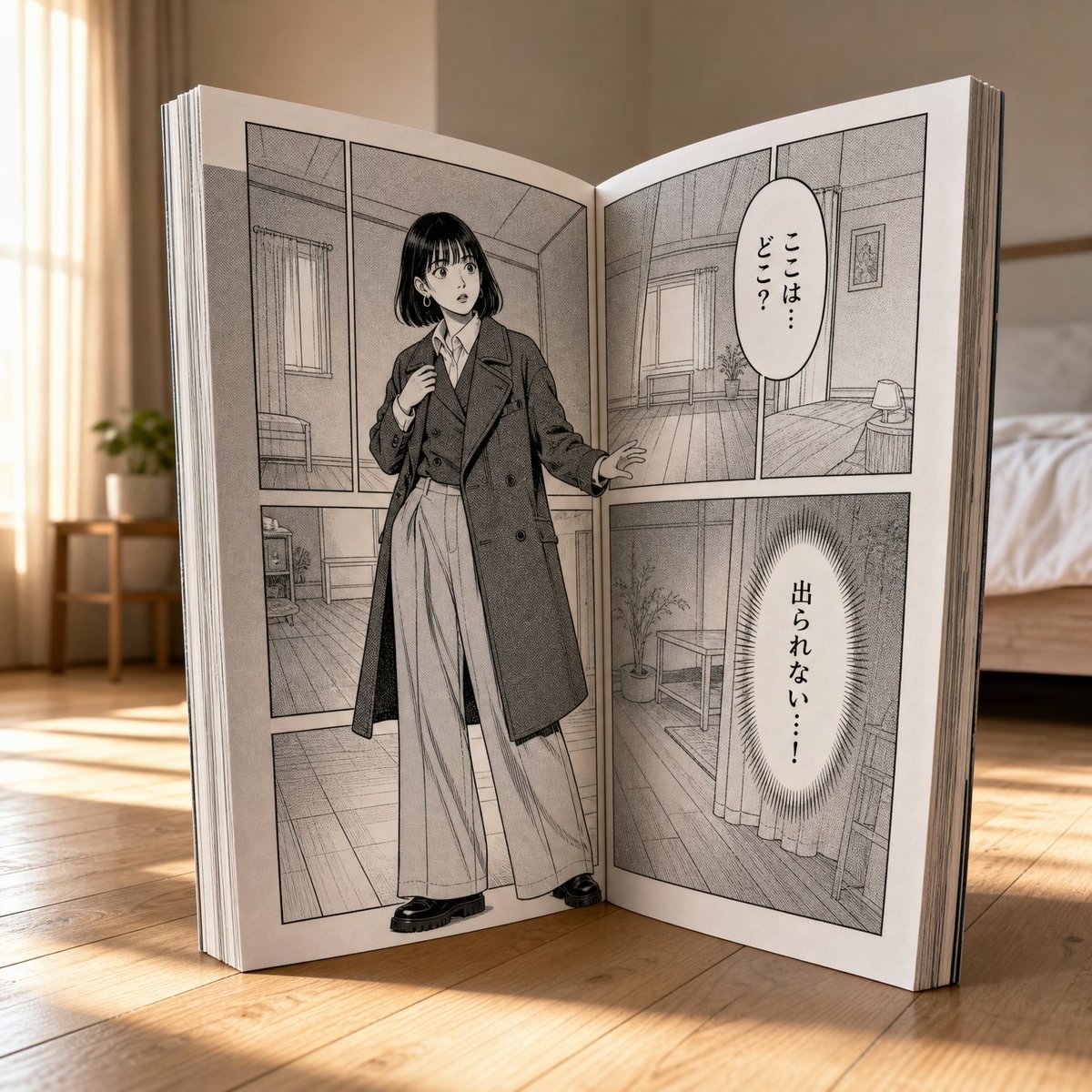

Generative video has crossed a threshold. Models now render believable faces, coherent lighting, and camera moves that feel intentional rather than accidental. What separates a clip that looks like a tech demo from one that looks like a shot from a real film is rarely the model. It is the prompt.
A prompt is not a wish. It is a production brief compressed into a paragraph. The more precisely you describe subject, motion, framing, light, and format, the less the model has to guess, and the less it falls back on generic averages. This guide covers how to build those prompts, how to keep characters and scenes consistent across multiple shots, how to choose the right model for each kind of shot, and how to troubleshoot the problems that appear again and again.
Why Prompt Craft Decides the Quality of AI Video
Text-to-video systems learn from millions of short clips paired with descriptions. When a prompt is thin, the model has no reason to choose any specific version of the scene, so it produces a statistical average of everything it has seen. The result is technically competent and emotionally flat: soft light, generic wardrobe, a camera that drifts for no reason.
Add specificity and the same model behaves differently. A 35mm anamorphic look, a low-angle tracking shot, wet asphalt reflecting neon signage, a slow push-in as the subject turns toward the camera — now the model has constraints to satisfy. Constraints are what turn a random plausible clip into a deliberate shot.
There is a second reason prompt craft matters. Video models are sensitive to competing instructions. Ask for a fast whip pan, a locked-off tripod shot, and a slow dolly in the same prompt and the model will compromise on all three. Good prompting is as much about removing contradictions as it is about adding detail.
A third factor is that video prompts juggle two jobs at once. They describe content, and they describe how that content is captured. Image prompts usually only need the first. Forgetting the second is why so many generated clips look like surveillance footage of an interesting idea.
The Anatomy of a Strong Video Prompt
Nearly every reliable video prompt can be assembled from six slots. You do not need all six every time, but knowing which ones you are leaving out makes results predictable rather than lucky.
Subject and action
Describe who or what is on screen and what changes during the clip. Models handle one dominant action well and several simultaneous actions poorly. Prefer a woman in a linen coat lifts a letter to the light over a woman reads a letter, looks up, smiles, and walks away. If the story needs several beats, split them into several shots.
Include distinctive, stable details: age range, hair, wardrobe, props. These details double as continuity anchors for later shots, which is why they should be written once and reused verbatim.
Setting and atmosphere
Location anchors the look of the frame. Name the place, the time of day, and the weather or air quality. A rooftop garden at blue hour with light haze behaves very differently from a rooftop garden at noon. Atmosphere words — haze, mist, dust motes, steam, rain — do a lot of visual work for very few words.
Camera language
This is where most beginners leave the most on the table. Borrow the vocabulary of a shot list:
- Shot size: extreme wide, wide, medium, medium close-up, close-up, macro
- Angle: eye level, low angle, high angle, overhead, Dutch tilt
- Movement: static, slow push in, pull back, tracking, handheld, crane up, orbit, whip pan
- Lens character: 24mm wide, 50mm natural, 85mm portrait compression, anamorphic with soft flares, macro with shallow depth of field
- Speed: real time, slow motion with a 120fps feel, time-lapse, speed ramp
One movement per shot is the safest rule. Two can work if they are related, such as a slow push in that settles into a static frame.
Lighting and color
Lighting decides mood faster than any other element. Specify direction and quality: soft window light from camera left, hard midday sun with deep shadows, practical neon with magenta and cyan spill, overcast diffusion, a single warm lamp in a dark room.
Then specify palette. Naming two or three colors is usually enough: teal shadows with warm skin tones, muted earth tones, monochrome with a single red accent.
Style and technical format
Style references set the rendering language: documentary realism, 1990s videotape, stop-motion, cel-shaded animation, architectural visualization, film noir. Pair the style with format details — vertical 9:16, widescreen 2.39:1, 24fps cinematic motion blur, shallow depth of field, subtle grain.
Negative constraints
Say what you do not want. Common exclusions: text overlays, watermarks, extra fingers, camera shake, jump cuts, oversaturated colors, cartoon rendering. Keep the list short. Long lists of negatives often backfire by drawing the model toward the concepts you are trying to avoid.
Once the slots are clear, mapping intent to phrasing becomes mechanical:
| Intent | Useful prompt phrase |
| Cinematic hero shot | 35mm anamorphic, slow push in, low angle, golden hour rim light |
| Product reveal | Macro lens, shallow depth of field, slow orbit, softbox key light |
| Social vertical clip | 9:16 vertical, handheld, natural window light, medium shot |
| Dream sequence | Soft diffusion, drifting camera, pastel palette, slow motion |
| Retro documentary | 16mm grain, handheld, available light, slight overexposure |
| Tense interior | Hard side light, high contrast, locked-off camera, cool palette |
A Repeatable Prompt Template
The fastest way to improve results is to stop writing fresh prose every time. Use a template and fill it in:
[shot size] of [subject with two or three fixed details], [single action], in [setting] at [time of day], [lighting description], [camera movement], [lens and format], [style reference], [palette], avoid [short negative list]
A filled example looks like this:
Medium close-up of a woman in her thirties with short dark hair and a grey wool coat, lifting a letter toward a window, in a quiet apartment at dawn, soft directional window light from camera left, slow push in that settles static, 50mm lens with shallow depth of field, 2.39:1, muted palette of grey and pale gold, subtle film grain, avoid text overlays and camera shake
Iterate by changing one variable at a time. If you change lens, lighting, and movement together, you learn nothing about which one caused the improvement. Keep a simple prompt log — a spreadsheet with the prompt, the model, the seed, and a one-line verdict is enough — and within a week you will have a personal library of phrases that reliably work for your style.
The template also makes collaboration easier. When two people use the same slots, a handoff takes minutes instead of a meeting.
Controlling Aesthetics Without Breaking the Render
Once you find a look you like, protect it. Use the same style phrase verbatim across shots. Models respond to consistent phrasing, and small rewordings can shift rendering more than you expect. If the tool supports seeds, reuse them, and only change the seed when you want a genuinely different interpretation of the composition.
Where image-to-video exists, generate a still that matches your target look and animate it. This usually beats describing the look from scratch, because the model inherits the still's palette, lighting, and lens character. Use one reference per aspect of the look rather than a collage; mixed references tend to average into mush.
Note also that aesthetic prompts and motion prompts can fight. A heavily stylized look with fast, complex motion often produces smearing and texture boiling. If the look matters most, slow the motion down and add a little grain to hide the remaining shimmer.
Finally, resist stacking style references. Picking a cinematographer, a decade, a color grade, and an animation style in one prompt gives the model four conflicting renderers. Choose one primary style and let palette and lens do the rest.
Prompting for Character Consistency Across Shots
Character drift is the most common reason AI video sequences feel broken. Solutions, roughly in order of reliability:
- A locked character block. A fixed description you paste verbatim into every prompt: physical description, wardrobe, distinguishing features. Never paraphrase it, never reorder it.
- Image-to-video from a consistent still. Generate a character sheet first, then animate selected frames.
- Wardrobe and prop anchors. The same jacket, the same bag, the same scar. These read as identity even when the face shifts slightly.
- Consistent lighting. Identity is heavily influenced by light direction and color temperature. Moving from warm sunset to cold fluorescent between shots makes the same character read as a different person.
- Avoid extreme expressions. Wide-open mouths and extreme head angles are where faces deform most.
- Post-production repair. For short inserts, a face swap or cleanup pass is often faster than rerolling twenty times.
A useful test: ask someone unfamiliar with the project to describe the character after watching three shots. If they mention different hair colors or ages, your character block is not specific enough.
Directing Transitions and Multi-Shot Sequences
Treat the sequence, not the clip, as the unit of work. A workflow that holds up under pressure:
- Write a one-paragraph beat sheet for the sequence.
- Break it into shots of four to eight seconds.
- For each shot, define the opening frame and closing frame in words.
- Generate the shots that carry the most story first.
- Use the final frame of one shot as the first frame of the next when the tool allows it. This is the single most effective continuity trick in AI video.
For transitions, describe them in the prompt of the incoming shot rather than forcing them into the outgoing one: match cut on a circular shape, cut on motion, dissolve through white, whip pan into the next location. Keep transition language simple and consistent so the model does not invent its own.
Plan coverage the way a real editor would. Two or three angles of the same moment — a wide, a medium, a detail insert — give you enough material to cut around any shot that fails. Generous coverage is cheaper than a perfect take.
Choosing the Right Model for Each Shot
Different tools are better at different jobs, and matching the tool to the shot is half the craft:
| Shot need | Best fit | Why |
| Fast ideation | Lightweight text-to-video | Quick, inexpensive iteration on composition |
| Hero close-up | High-fidelity image-to-video | Best facial detail and lighting control |
| Motion-heavy action | Motion-specialized model | Better temporal coherence at speed |
| Talking presenter | Avatar and lip-sync tools | Accurate mouth shapes driven by audio |
| Product turntable | Image-to-video with fixed camera | Predictable geometry, almost no drift |
| Establishing landscape | Text-to-video with a slow camera move | Cheap to iterate, forgiving of detail |
Test each candidate with the same prompt at small scale before committing a whole sequence to it. Model capabilities shift quickly, and rankings from a few months ago are unreliable. Build your own short benchmark: one face close-up, one fast action, one complex camera move. Re-run it whenever a new model appears.
A Practical Workflow From Concept to Final Cut
- Brief in one sentence. What should the viewer feel at the end?
- Write the beat sheet. Three to six beats, each one visual and concrete.
- Draft shots with the template. Do not polish the wording yet.
- Generate low-cost drafts. Judge composition and motion only.
- Pick the winners and rewrite their prompts. Add lens, lighting, and format detail.
- Lock the look. Fix style phrasing, seeds, and references across the sequence.
- Build continuity. Reuse end frames as start frames and keep the character block verbatim.
- Repair and finish. Upscale, stabilize, color-match, and cut to music.
Quality control before you export
- Is the motion physically plausible — weight, contact, follow-through?
- Do hands, teeth, and eyes survive both full-speed and frame-by-frame viewing?
- Is lighting direction consistent between adjacent shots?
- Does the palette match across the sequence?
- Are aspect ratio and frame rate uniform?
- Does the audio land on the cuts?
Common Mistakes and How to Fix Them
| Problem | Likely cause | Fix |
| Limbs morph or melt | Too many simultaneous actions | One action per shot; crop or shadow fussy detail |
| Texture shimmer or flicker | High-frequency detail plus fast motion | Reduce detail, slow motion, add grain |
| Face changes between shots | Paraphrased character description | Paste the same character block verbatim |
| Camera drifts when you asked for static | Contradictory motion words | Remove all movement terms and state locked-off tripod shot |
| Prompt ignored halfway | Too many clauses | Cut back to the six slots and keep only what matters |
| Wrong aspect ratio | Missing format line | State vertical or widescreen explicitly |
| Style collapses into generic realism | Style reference too vague or placed late | Name a specific look and put it near the end of the prompt |
| Everything looks like stock footage | No lens, no light direction, no palette | Add all three and specify a camera move |
Most of these failures share a single root cause: the prompt is doing too little in the slots that shape the image and too much in the slots that shape the plot. Moving detail from story to cinematography usually fixes several problems at once.
Frequently Asked Questions
How long should a video prompt be?
Most shots work best between 25 and 60 words. Shorter prompts give the model too much freedom; much longer ones dilute the important clauses. If you need more control, split the idea into separate shots rather than expanding one prompt.
Do keywords matter as much as in image generation?
Partly. Video models weigh motion and camera terms heavily, so a single movement phrase often changes the result more than three adjectives about the subject. Descriptive keywords still help, but camera language is the higher-leverage investment.
How do I stop characters from changing between shots?
Lock a character block and paste it verbatim, keep lighting direction and color temperature consistent, reuse wardrobe anchors, and animate from a fixed still whenever identity matters. If a shot still drifts, cut around it rather than rerolling indefinitely.
Should I use image-to-video or text-to-video?
Use image-to-video when the look, identity, or product geometry must be exact. Use text-to-video for exploration, wide establishing shots, and moments where you want the model to propose something you would not have designed yourself.
How many seconds should one AI shot be?
Four to eight seconds is the sweet spot. Longer clips accumulate drift, especially in faces and hands. If a moment needs fifteen seconds, plan two shots and a cut.
Can I get an exact camera move?
Approximately, yes. Name one move, describe its speed, and avoid stacking a second move unless the two are connected. Pair the move with a lens so the model understands the spatial feel you want.
Is a negative list really necessary?
Only for artifacts you keep seeing. Keep it to two or three short items. Long negative lists tend to summon the very thing you are excluding.
How do I keep an entire sequence visually coherent?
Fix palette, lens, grain, and light direction across all shots, then vary only subject, framing, and camera movement. Consistency comes from what you refuse to change, not from what you add.
What is the biggest time waster in AI video production?
Rewriting prompts from scratch for every attempt. A template plus a prompt log turns each experiment into reusable knowledge, and it usually halves the number of generations needed per finished shot.
Do I need editing skills to make this work?
Yes, and they matter more than prompt tricks. A mediocre clip in the right place with the right cut and sound design beats a beautiful clip that does not fit the rhythm of the sequence.
If you take one thing away, make it this: write prompts like a shot list, not like a wish. Decide the frame, the light, and the movement before you decide the adjectives. Then iterate one variable at a time, log what worked, and let the sequence — not the individual clip — be the thing you judge.
