

Why AI Video Synthesis Changes the Production Math
For most of the past decade, video production scaled in a straight line with headcount. Want twice as many videos? Hire twice as many editors, book twice as many shoot days, and accept twice as many review cycles. That equation is what made short-form video expensive and long-form video slow. AI video synthesis breaks the linear relationship. When a usable first draft can be generated in minutes, the constraint shifts from shooting capacity to decision-making capacity: choosing what to make, judging whether it is good enough, and knowing when to stop iterating. Teams that understand this shift stop treating generative video as a novelty and start treating it as a production stage with its own inputs, quality gates, and handoffs.
That reframing is the entire point of this guide. It is not a tour of model names. It is a working method for getting from a vague idea to an exported file that a client, a channel, or a campaign can actually use, without drowning in half-finished renders.
What AI Video Synthesis Actually Means in Practice
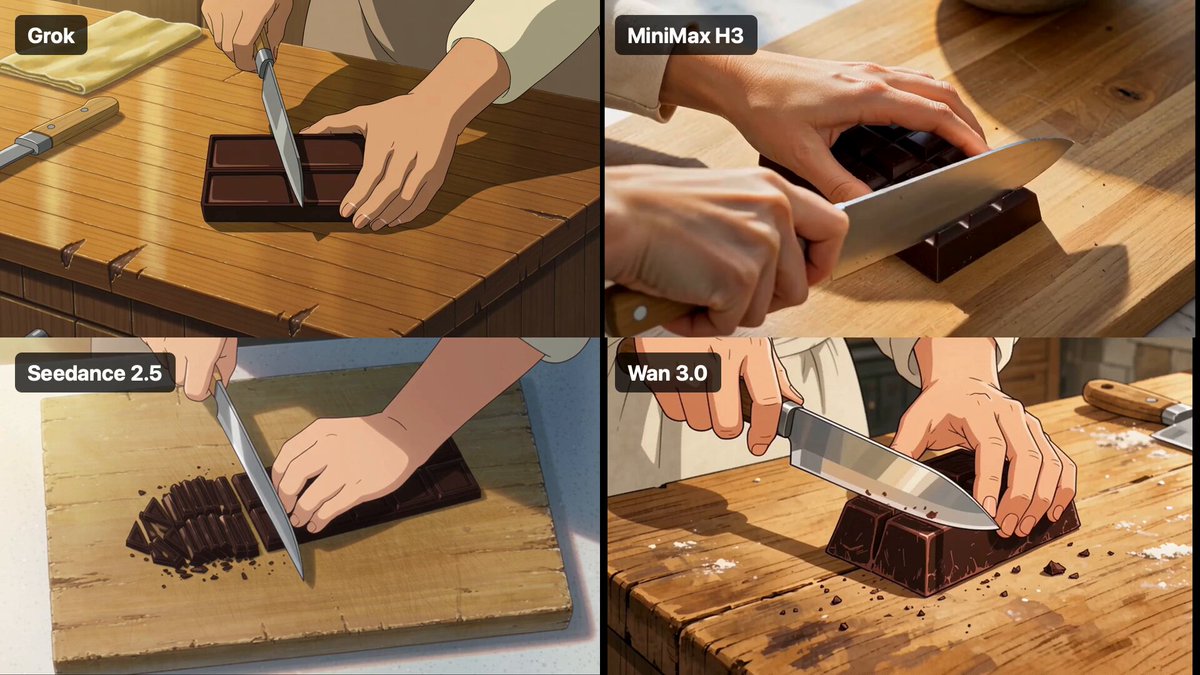
The phrase gets used loosely, so it helps to separate four distinct capabilities. Text-to-video turns a written description into motion. Image-to-video animates a still, which is the most controllable entry point for brand work because you can approve a frame before spending compute on movement. Video-to-video transforms existing footage: restyling, upscaling, frame interpolation, background replacement, and cleanup. Hybrid pipelines blend all three, generating inserts and cutaways while keeping real footage for anything that requires a specific person, a real location, or a legally sensitive scene.
Audio synthesis belongs in the same conversation, not a separate one. Modern voice generation, music generation, and sound design tools are fast enough that dialogue, score, and foley can be created inside the same session as the picture. Treating them as an afterthought is the fastest way to make a technically impressive clip feel amateurish.
Above the model layer sits orchestration: everything between a prompt and a finished file. A practical stack has four layers.
- Model layer — the generators you call for each shot type.
- Orchestration layer — queues, retries, parameter sweeps, and job tracking.
- Asset layer — naming conventions, versioning, storage, and metadata.
- Review layer — approvals, timestamps, comments, and sign-off.
Most teams over-invest in the model layer and under-invest in the other three. That is why their output looks impressive in a demo and becomes unmanageable at volume.
The Modern Production Pipeline: From Idea to Export
A reliable generative pipeline borrows more from animation and motion design than from film. You work shot by shot, lock what you can, and keep the edit flexible until sound arrives.
Start With a Beat Sheet, Not a Prompt
Write the story as eight to twelve beats in plain language. Each beat is one sentence describing what changes for the viewer. This step costs twenty minutes and saves hours, because the most common cause of wasted renders is discovering halfway through that the concept has no shape. A beat sheet also forces you to decide the runtime early, which determines how many shots you need and how long each one can be.
Turn Each Beat Into a Shot Spec
A usable shot spec contains six things: subject, action, environment, camera behaviour, lighting or mood, and duration. Vague prompts produce vague motion, so be concrete about camera language. Slow push in. Static wide. Handheld follow. Lateral dolly. Overhead. These phrases steer the model far more reliably than adjectives about quality.
Include a negative list as well. Blurred text, extra limbs, warped signage, abrupt cuts, and jittery background motion are worth excluding explicitly rather than hoping for the best.
Generate in Controlled Batches
Generate three to five variations per shot rather than one. Variation is free compared with the cost of a reshoot, and it gives you genuine choice. Keep every parameter that matters in a log next to the output: model, aspect ratio, duration, seed, prompt version, and reference images. When a shot works, you need to be able to reproduce it, extend it, and match it in the next scene.
Accept a hard rule: never fall in love with a shot that fails continuity. A beautiful clip that breaks the wardrobe, the geography, or the colour temperature is a liability, not an asset.
Assemble, Sound, and Finish
Bring selects into your editor early, even at low resolution proxies. Rough assemblies expose pacing problems that are invisible when clips are viewed in isolation. Once the cut is stable, build the sound bed from the bottom up: dialogue and voiceover, then music, then effects. Finally, add captions and titles, because text overlays are the single most effective way to make synthetic footage read as intentional rather than uncanny.
Keep a Human in the Loop at Two Points
Two review gates are enough for most teams. Gate one happens after the shot list is approved, before generation begins. Gate two happens after the rough cut, before finishing. More gates create friction; fewer gates create rework.
Choosing the Right Generator for the Job
Different shots reward different tools. Rather than standardising on one generator, standardise on a decision rule.
| Shot goal | What matters most | Typical failure mode |
|---|---|---|
| Product hero shot | Fidelity to a reference image | Logo distortion, warped text |
| Character dialogue | Facial stability, lip sync | Identity drift across cuts |
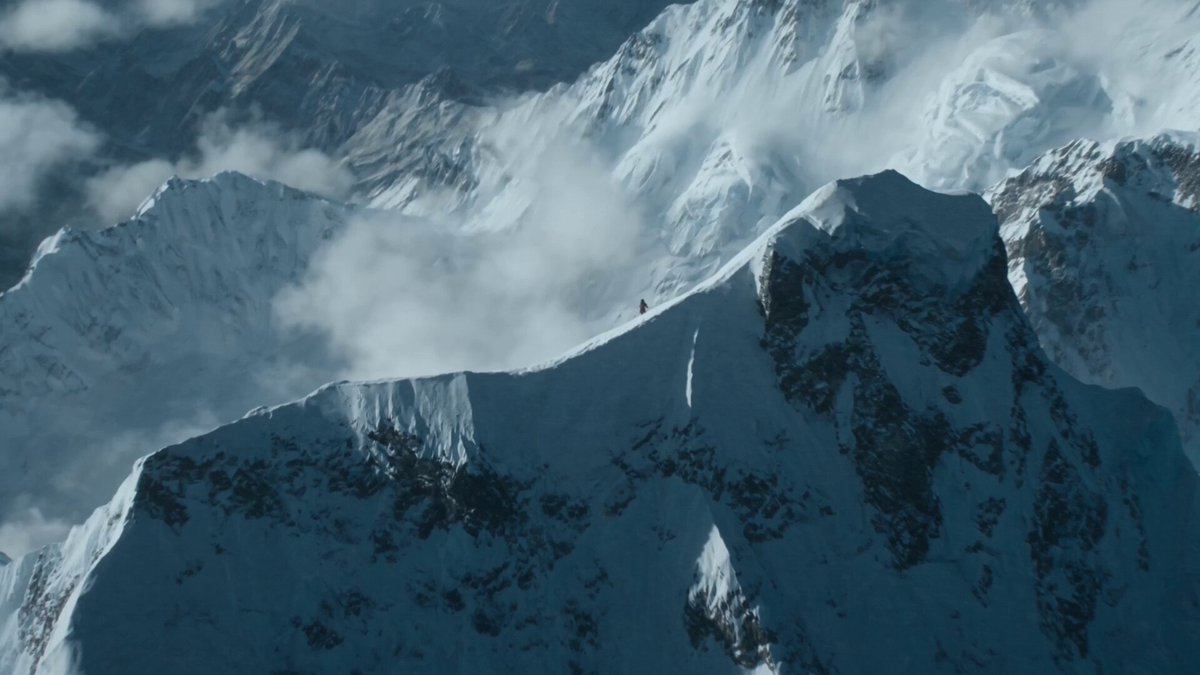
| Establishing landscape | Camera motion, depth | Flicker in fine detail |
| Abstract transition | Style coherence, timing | Muddy textures, banding |
| Archival restyle | Temporal consistency | Frame-to-frame crawl |
| Vertical social cut | Aspect handling, subject framing | Cropped heads, dead space |
Four criteria do most of the sorting work: control (how precisely you can steer the output), consistency (how well it holds identity and style across shots), speed (how fast you can iterate), and licence terms (what you may legally do with the result and where you may distribute it). Score each tool on those four dimensions for your specific project, not in the abstract. A model that is weak at faces may be the best available option for drone-style landscapes.
Image Fusion and Visual Consistency Across Shots
Consistency is the hardest problem in generative video and the one that separates professional work from experiments. Audiences forgive imperfect physics; they do not forgive a character whose jacket changes colour between cuts.
Practical techniques that work:
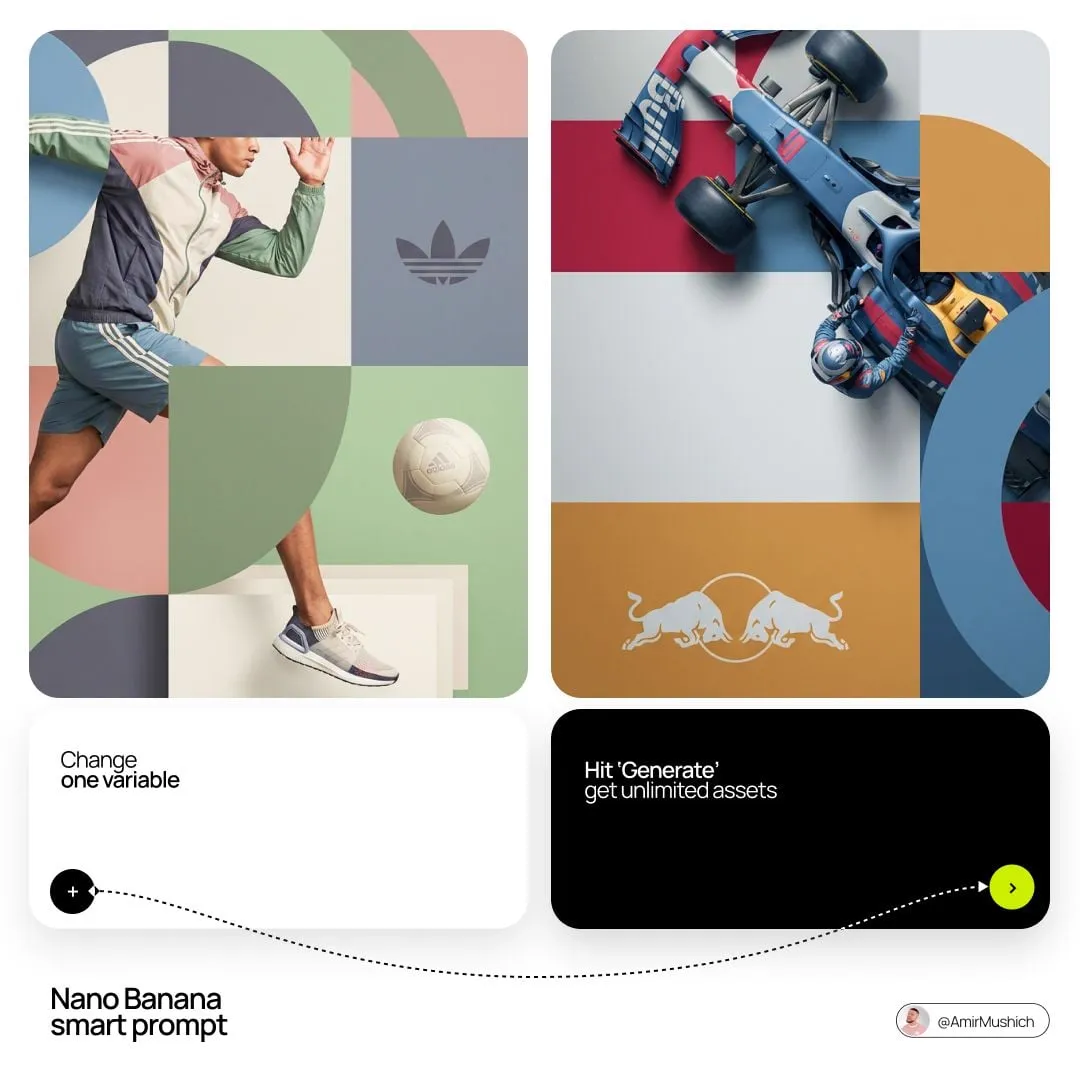
- Lock a reference frame. Generate or approve one still per character, location, and prop, then animate from it. Image-to-video inherits far more stability than text-to-video.
- Reuse seeds deliberately. A shared seed across a sequence keeps lighting and texture families close together.
- Define a colour script. Decide the palette per act and grade toward it in post. A unified grade hides small inconsistencies better than any prompt.
- Limit camera moves per scene. Three distinct moves across a scene read as intentional; six read as chaotic.
- Match lens language. Note field of view and depth of field for each scene and keep them within a narrow band.
- Fine-tune when the look is central. If a specific visual identity drives the whole piece, a small fine-tune on a curated image set pays for itself.
At the edit level, cut on motion and use transitions that reset attention: a match cut, a whip, or a brief graphic card. Transitions are not decoration; they are how you hide the seams where two generated shots disagree.
Audio: Voice, Music, and Sound Design
Sound carries more perceived quality than most creators expect. A clean, well-mixed audio bed makes ordinary visuals feel finished; bad audio makes beautiful visuals feel like a test render.
Voice. Modern text-to-speech handles narration, explainers, and secondary characters convincingly. Reserve human recording for the moments that carry brand personality, and be strict about consent when cloning any real voice. Written consent, a defined usage scope, and an expiration date should be standard practice, not an afterthought. Also check how the platform treats synthetic speech for advertising disclosure in your market.
Music. Generate a short theme and reuse it across a series to build recognition. Ask for stems where possible so you can duck the melody under dialogue rather than fading the entire track.
Effects. Layered foley — footsteps, cloth, room tone, distant traffic — is what makes synthetic environments feel habitable. Room tone alone fixes most of the uncanny emptiness in generated scenes.
Mixing targets. Aim for roughly minus fourteen LUFS integrated for web and social delivery, with true peaks below minus one decibel. Keep dialogue two to four decibels above the music bed. These are conventions, not laws, but hitting them prevents the most common client complaint, which is that the music buries the voice.
Workflow Efficiency: Queues, Batching, and Asset Management
Efficiency in generative video is mostly logistics. Three habits matter more than any single tool.
Batch by technical parameters, not by story order. Shots that share a model, resolution, and duration can run back to back with the same settings. Switching settings constantly wastes time and creates inconsistent output.
Version everything. Adopt a naming pattern such as project_scene_shot_variant_version. Store the prompt alongside the file, either in metadata or a companion document. Six weeks later, when a client asks for one more shot in the same style, that log is the difference between a fifteen-minute job and a full re-creation.
Separate draft and final tiers. Draft at lower resolution and shorter duration to validate motion and composition, then re-render only the shots that survive the edit at full quality. This single rule typically cuts compute spend more than any other optimisation.
Add a lightweight queue discipline: limit concurrent jobs so nothing starves, set retry logic for failed renders, and schedule long jobs to run unattended. If your team shares a render pool, agree on priority rules in advance. Arguments about queue position cost more goodwill than the compute is worth.
Quality Control: Common Failures and Fixes
| Symptom | Likely cause | Fix |
|---|---|---|
| Faces warp mid-shot | Long duration, complex motion | Shorten clip, generate in segments, add reference frame |
| Text and logos drift | Model struggles with typography | Composite real graphics in post instead |
| Flicker in textures | Temporal inconsistency | Reduce detail frequency, add subtle grain, stabilise in post |
| Camera drifts unintentionally | Ambiguous camera prompt | Specify one move only, add a static instruction |
| Lip sync drifts | Audio-picture mismatch | Generate to the final audio, not a scratch track |
| Over-smoothed, plastic look | Aggressive upscaling | Add film grain and a mild contrast curve |
| Cuts feel jarring | Mismatched lens and grade | Unify field of view, apply a shared grade |
Build a personal checklist and run it before every review. Five minutes of inspection per shot beats a full revision cycle.
A Realistic End-to-End Example
Suppose you need a sixty-second product explainer with no budget for a shoot.
- Beat sheet (20 min). Eight beats: problem, frustration, first glimpse, product reveal, three feature moments, call to action.
- Shot list (40 min). Eight shots at four to eight seconds each. Two are image-to-video from approved renders of the product. Three are environment shots. Two are abstract transitions. One is a text-driven end card.
- Reference frames (30 min). Approve two product stills and one palette, then freeze them as animation sources.
- Draft generation (45 min). Lower-resolution drafts, three variants per shot, all logged.
- Rough assembly (60 min). Lay in selects, test pacing, cut anything that does not advance the story.
- Audio (40 min). Narration, a generated music bed, and light foley. Mix to target.
- Final render (variable). Only the shots that survived, at full quality.
- Finishing (60 min). Titles, captions, grade, loudness check, export per platform.
Total active time is roughly six hours for a piece that would previously have required a shoot day, a studio, and a week of scheduling. The quality ceiling is lower for anything involving specific real people, and honesty about that boundary is what keeps clients trusting the process.
Governance, Rights, and Brand Safety
Before scaling, answer four questions in writing. What licence covers the model and its outputs? What are the restrictions on training data and on generating recognisable people or trademarks? How do you disclose synthetic media where required, either by regulation or platform policy? And how long do you retain prompts, seeds, and source references?
Operationally, keep a simple register of approved models and their permitted uses, and require consent documentation for any cloned voice or likeness. Add a review step for anything that could be mistaken for a real event or statement. These habits are unglamorous, but they are what allow a team to use generative video on client work without legal surprises.
Frequently Asked Questions
How long should a generated clip be?
Four to eight seconds is the sweet spot for most models. Longer clips accumulate drift in faces, hands, and background geometry. Generate several short segments and cut them together rather than pushing one long take.
Do I still need a camera or a shoot day?
For many formats, no. For anything requiring a specific real person, a physical product in the viewer's hands, or a legally verifiable location, yes. The strongest results usually mix both.
How do I keep a character consistent across a series?
Approve a reference still, animate from it, reuse seeds, keep lens language constant, and apply a single grade across every episode. If the character is central to the brand, invest in a small fine-tune.
Is it worth generating many variants?
Yes, but only at draft quality. Generate wide at low resolution, select narrow, then re-render only the winners.
What is the most common beginner mistake?
Writing prompts about visual quality instead of describing action and camera. The model cannot infer your intent; it can only follow your grammar.
How should I handle text and logos in generated footage?
Do not. Composite real typography and brand assets in post. Generative models are unreliable with letterforms and letter spacing, and a distorted logo damages trust more than a simple overlay would.
How do I control costs?
Tier your renders, batch by technical settings, cap concurrent jobs, and keep a prompt log so you never regenerate something you already own.
When should a human take over?
Whenever a shot carries brand voice, legal exposure, or a real person's identity. Use synthesis for scale and iteration, and human craft for the moments that define the piece.
Where to Go From Here
The teams getting real leverage from AI video synthesis are not the ones with the largest model library. They are the ones with a repeatable pipeline: a beat sheet, a shot spec template, a draft tier, a naming convention, two review gates, and a sound mix that respects dialogue. Build that structure once, and every subsequent project gets faster while the quality floor rises.
Start small. Pick one format, produce three pieces with the pipeline above, and log what broke each time. The log becomes your playbook, and the playbook is the asset that outlasts any individual model.
