

Why Safe, Brand-Friendly AI Video Is Winning Attention
Generative video has moved past the demo stage. The clips that circulate widely now are not the ones that simply prove a model can render a flamingo riding a skateboard. They are the ones that a teacher can drop into a lesson, a marketing team can attach to a campaign, or a training department can subtitle and ship to two thousand employees by Friday.
That shift changes what "good" means. A viral novelty clip has one job: surprise. A usable video has several: it must hold attention, survive moderation review, look consistent across shots, sound intentional, and be legally safe to reuse. When people search for AI video, they are increasingly searching for finished work, not experiments.
Three forces drive this:
- Distribution pressure. Platforms and advertisers avoid content that creates moderation risk. Brand-safe material travels further because nobody has to make an exception for it.
- Volume demand. Teams now need dozens or hundreds of clips per quarter for learning platforms, product pages, social calendars, and internal communications. Manual production cannot keep up.
- Rising baseline quality. Viewers no longer forgive melted hands and drifting faces. If a clip looks cheap, the message inside it looks cheap too.
If you are producing AI video today, the practical question is no longer "can this be generated?" It is "can this be generated, assembled, reviewed, and published on a repeatable schedule without embarrassing anyone?"
What Viewers Actually Watch and Download
Download behavior is a stronger signal than view counts. People download video when they intend to reuse it: in a slide deck, on a learning management system, in a store display, in a classroom with unreliable internet. That intent tells you which genres have durable value.
Educational explainers and process breakdowns
This is the fastest-growing category of AI-assisted video. The subject matter is anything hard to film: molecular interactions, geological time, historical reconstruction, supply chain flows, surgical technique, machine internals. Generative tools make the invisible visible at a fraction of the cost of 3D animation.
What makes these videos work:
- A single clear idea per clip, usually under three minutes
- Narration written before visuals, not after
- On-screen labels and captions, because viewers watch muted
- Consistent visual grammar, so a series feels like a series
Corporate and training content
Onboarding sequences, safety briefings, compliance modules, product walkthroughs, and role-play scenarios all benefit. The appeal is consistency: the same presenter, the same office, the same forklift, every time. Re-shooting because someone changed jobs or the warehouse was rearranged becomes unnecessary.
A realistic pattern is a hybrid: a real human on camera for trust-building sections, generated B-roll and diagrams for everything else. Audiences rarely object to this when the editing is tight.
Cinematic entertainment shorts
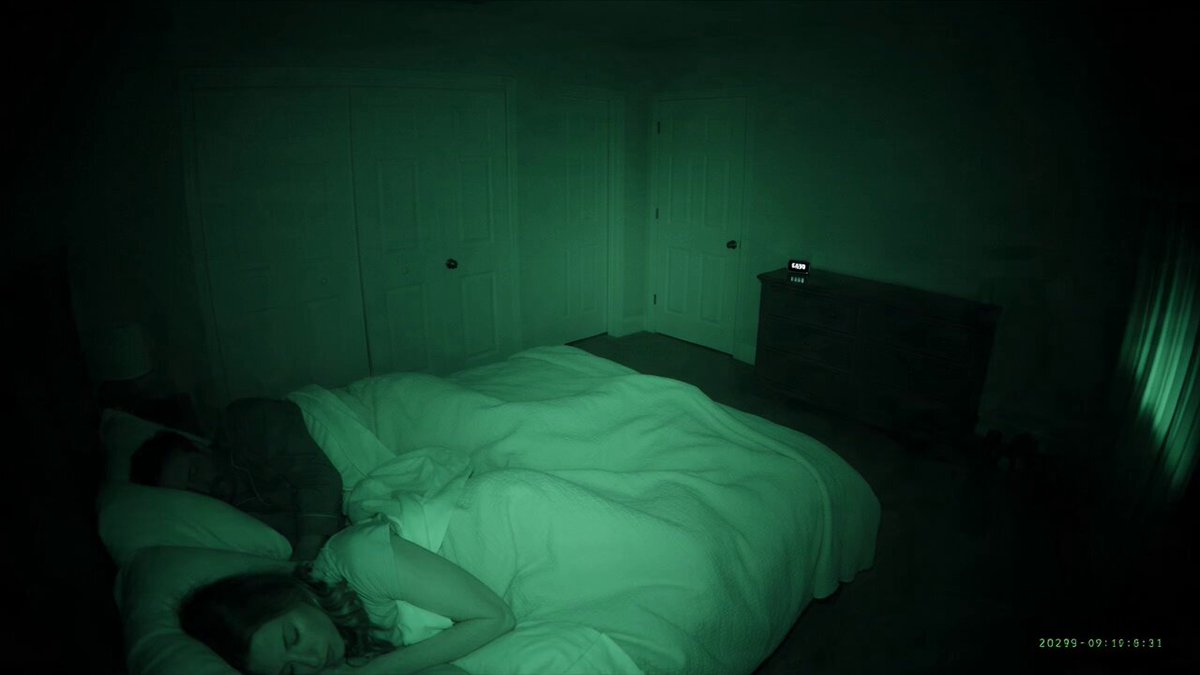
Short narrative pieces still dominate creative showcases: science fiction vignettes, historical teasers, mood-driven music visuals, micro-horror. The differentiator is craft, not concept. Lens language, lighting continuity, production design, and a color grade that unifies mismatched shots matter more than the model used.
Niche visual effects and seamless loops
Abstract motion backgrounds, animated infographics, ambient loops for events and digital signage, and stylized transitions form a quiet but commercially steady category. These are downloaded because they are components, not stories. They need to tile cleanly, avoid flicker, and match a brand palette exactly.
The Technical Shifts Behind Better AI Video
Understanding what improved technically helps you plan shots that are actually achievable instead of fighting the tool.
Temporal consistency and character continuity
Consistency is the single biggest quality marker. Modern workflows achieve it with reference images, locked seeds, character sheets, and shot-by-shot regeneration rather than one long prompt. Practical habits that help:
- Build a character sheet: front, three-quarter, profile, and a full-body reference
- Lock wardrobe, hair, and accessories in writing and repeat them verbatim in every prompt
- Keep shots short. Six to ten seconds per generation gives you more usable takes
- Reuse the same environment reference for every shot in a scene
Physics, motion, and camera control
Camera vocabulary is now a legitimate part of prompting. Terms like slow dolly in, crane up, handheld follow, orbit, and rack focus are interpreted well enough to shape a shot. Motion controls, region-based animation, and camera paths give you a director's toolkit rather than a slot machine.
Two habits that improve results:
- Describe one motion per shot. Two simultaneous camera moves usually produce mush.
- Anchor the physics. Say what should move and what should stay still. "Steam rises from the cup; the table remains static" prevents a drifting, breathing frame.
From prompt to shot list
Treat a prompt as a DP brief, not a sentence. A reliable structure is: subject, action, environment, time of day, lens, lighting, mood, style, and constraints. Example: "Ceramic coffee cup on a steel counter, steam rising slowly, industrial kitchen at dawn, 50mm lens, soft window light from the left, calm documentary tone, shallow depth of field, no text, no people."
That structure is reusable. Once you have it, building a twenty-shot sequence becomes mostly clerical work rather than creative gambling.
A Practical Workflow for Producing AI Video That Performs
This is the sequence that holds up under deadlines. Skip steps and you will pay for it in rework.
Step 1: define format, duration, and destination
Before generating anything, write down:
- Where the video will live: social feed, LMS, landing page, trade show loop
- Target duration: 15 seconds, 60 seconds, 3 minutes
- Aspect ratio: vertical, square, or widescreen
- Audio reality: narration, captions only, or music-driven
A vertical three-minute clip for a learning platform is a different project than a fifteen-second square ad. Deciding early prevents rescaling and re-cropping later.
Step 2: write a shot-by-shot script and storyboard
Write narration or dialogue first. Then break it into shots with an estimated duration each. A sixty-second piece typically needs eight to fourteen shots; more than that and each shot becomes a flash.
For each shot, note: what the viewer must understand, the framing, and the transition into the next shot. Rough storyboard sketches, even terrible ones, expose gaps before you spend time on generation.
Step 3: generate, select, and lock takes
Generate more than you need, then immediately delete anything that fails a basic check: distorted anatomy, warped text, impossible geometry, flicker. Keep a naming convention that includes scene, shot, and take number. The single most common cause of lost time in AI video production is a folder of files called output_final_v2.
Lock shots you are happy with and stop regenerating them. Unnecessary regeneration introduces inconsistency into sequences that were already working.
Step 4: assemble, sound design, and caption
Editing is where AI video becomes video. Priorities:
- Cut on motion, not on stillness
- Add ambience and foley; silence is the giveaway that a clip was assembled quickly
- Grade all shots together so color temperature matches
- Add captions with a readable font and generous line length
- Mix narration at a consistent level and keep music well under it
Step 5: quality control and a safe-content review
Run two separate passes. The technical pass checks frame-level defects, audio peaks, caption sync, and export specs. The content pass checks that nothing in the video is misleading, brand-inappropriate, or unsuitable for the intended audience, including background detail you did not consciously place.
For anything going to schools, healthcare, finance, or public-sector clients, get a second reviewer. A thirty-second review by someone outside the production loop catches things the creator's eye has stopped seeing.
Choosing the Right Tool for the Job
There is no single best tool, only better matches for a task. The decision usually comes down to input type, control level, and how much iteration you can afford.
Text-to-video, image-to-video, and video-to-video
- Text-to-video is fastest for mood pieces, abstract backgrounds, and establishing shots where exact composition matters less than atmosphere.
- Image-to-video is the workhorse for anything with a recurring character, product, or location. You control composition with a still, then animate it.
- Video-to-video is for restyling and effects: turning live footage into animation, applying a consistent look, or extending an existing clip.
If your project needs continuity, start from images. If it needs volume, start from text and accept a higher rejection rate.
Style, language, and regional fit
Prompt language affects output. English prompts often have the broadest training coverage, but for localized content, generating visuals in one language and adding captions and narration in another is a normal and efficient split. Test both if your audience is not English-speaking; sometimes a native-language prompt produces better cultural detail in scenes like markets, streets, or interiors.
When to use stock, motion graphics, or real footage
AI video is not always the answer. Use conventional options when:
- The shot must match a real, specific product with legal accuracy
- A real person's likeness is required for trust
- Precise data visualization is the core of the message
- Budget and timeline favor a stock clip that already exists
Mixing generated and conventional footage is the professional norm, not a compromise.
Packaging and Distribution
A strong video with weak packaging underperforms a mediocre video with strong packaging. Plan both.
Thumbnails, titles, and the first three seconds
Your opening shot must communicate the subject before any explanation. Avoid slow logo animations and long establishing drone shots at the start of short-form content. For search-driven platforms, write descriptive titles that state the benefit plainly rather than being clever.
Aspect ratios and platform specifications
Keep a master at the highest resolution and crop down per destination. Vertical crops lose the sides of widescreen compositions, so shoot with a center-safe area in mind. Confirm frame rate, bitrate, and duration limits before export, not after a rejection.
Downloadability, licensing, and provenance
If you want people to download and reuse your video, make the terms obvious. State what is permitted, keep watermarks off the version intended for reuse, and keep clean source files archived. Internally, document which tools generated which shots and what prompts were used. This record helps with client approvals, future edits, and any provenance questions that arise later.
Common Mistakes That Widen the Gap Between Effort and Results
- Prompting a whole scene instead of a shot. Long prompts produce vague results. Think in shots.
- Ignoring audio until the end. Bad sound ruins a good picture faster than bad picture ruins a good story.
- Mixing mismatched styles. One sequence, one visual language.
- Overgenerating without a selection process. Volume without curation is just a hard drive filling up.
- Skipping the content review. A single inappropriate background detail can undo weeks of work.
- Using generated footage for claims it cannot support. Testimonials, product accuracy, and medical or financial statements need real sources.
- Forgetting captions. A large share of viewers watch without sound.
A Quality Checklist Before You Publish
Run through this every time:
- [ ] Every shot is free of anatomy, text, and geometry artifacts
- [ ] Character and wardrobe are consistent across all shots
- [ ] Color temperature and grain match throughout
- [ ] Narration is clear, paced, and mixed above music
- [ ] Captions are synced, readable, and free of typos
- [ ] The first three seconds state the subject
- [ ] Export settings match the destination platform
- [ ] Content review passed, including background detail
- [ ] Source files, prompts, and approvals are archived
Frequently Asked Questions
How long should an AI-generated video be?
Match the format, not a target number. Fifteen to thirty seconds for social, sixty to ninety seconds for explainers, and two to four minutes for training modules. Long videos rarely fail because of length; they fail because the script has no structure.
Do AI videos need a disclosure?
Requirements vary by platform, publisher, and client. Many organizations now require a simple on-screen or description note when visuals are synthetic. The safest habit is to disclose when the content could be mistaken for real footage of real people or events.
How do I keep a character consistent across shots?
Use a reference image set, repeat the same descriptive language verbatim, keep shots short, and regenerate individual shots instead of whole scenes. Consistency is a workflow problem more than a model problem.
Is AI video good enough for professional training?
Yes, especially for scenarios that are expensive or unsafe to film. The practical formula is generated B-roll and environments combined with real narration, real subject-matter expertise, and careful review.
What is the biggest time sink?
Selection and iteration, not generation. Budget roughly twice as long for reviewing takes as for producing them, and cut that down with a disciplined naming and shot-tracking system.
Can I monetize AI-generated video?
That depends on the tool's terms, the platform's policies, and the rights attached to any reference material you supplied. Read the terms for the specific tool and platform you use, keep records of your inputs, and avoid uploading footage or images you do not have rights to.
How do I make AI video look less generic?
Specificity in three places: lighting, lens choice, and imperfection. Name a light source, choose a focal length, and add plausible flaws like dust, condensation, or uneven wear. Generic prompts produce generic images.
The through-line across all of this is simple. The videos that get watched, downloaded, and reused are the ones built with the same discipline as any other production: a clear idea, a shot plan, careful sound, honest review, and packaging that respects the viewer's time. Generation is one step in that chain, and treating it as the whole chain is the most common reason good ideas never make it out of the folder.
