

Why Storyboarding Still Matters in an AI-Driven Production World
Storyboarding has always been the bridge between a screenplay and a finished film. It is the moment when words become images: a wide establishing shot of a rain-soaked alley, a close-up of trembling hands, a low-angle reveal of the antagonist. Traditionally, this meant hiring a storyboard artist, sketching dozens of panels by hand, and revising them through multiple rounds of feedback. The process worked, but it was slow, expensive, and often inaccessible to solo creators, small agencies, and independent production teams.
Generative AI has changed that equation. Modern AI video and image models can now produce photorealistic, compositionally coherent frames from a simple text prompt. When those models are paired with a director-style agent that understands screenplay structure, you get something new: a storyboard that is generated, iterated, and refined at conversation speed. Instead of waiting days for sketches, a director can test three different visual interpretations of a scene before lunch.
This guide walks through how AI-assisted storyboarding actually works, where it fits into a production workflow, and how to keep visual consistency across dozens of shots. It is written for filmmakers, content creators, creative directors, and marketers who want to plan video projects with more confidence and less friction.
The Shift From Hand-Drawn Panels to Generated Frames
What Changed Technically
Three technical developments made AI storyboarding practical:
- Text-to-image fidelity. Models can now render faces, hands, lighting, and perspective with enough accuracy to communicate a shot's intent.
- Text-to-video understanding. Video models interpret motion, camera movement, and temporal continuity, which means a storyboard can be extended into an animatic or previsualization clip.
- Agentic orchestration. Instead of manually writing prompts for every panel, an AI directing layer can read a script, segment it into scenes, propose shot types, and generate frames in a consistent style.
The result is not a replacement for human creative judgment. It is a accelerator for exploration. The director still decides what the story needs; the AI handles the repetitive labor of rendering variations.
What Stayed the Same
Storyboarding principles have not changed because the tools changed. You still need:
- A clear understanding of what each scene must accomplish dramatically.
- Shot variety: wide, medium, close, and insert shots that guide the viewer's eye.
- Continuity of wardrobe, location, time of day, and character appearance.
- A visual rhythm that matches the emotional pacing of the script.
AI makes it faster to produce panels, but it does not remove the need for these decisions. In fact, because generation is so fast, weak planning becomes more visible. If your shot list is vague, you will generate fifty attractive but useless frames.
Core Capabilities of an AI Storyboarding Agent
An AI storyboarding tool is more than a prompt box. The most useful ones behave like a junior director who has read the script and prepared a shot plan. Here are the capabilities that matter most.
Script Parsing and Scene Segmentation
The tool reads a screenplay or treatment and breaks it into scenes, beats, and shot candidates. For example, a scene described as "INT. DINER - NIGHT. MARA confronts her brother across a sticky table" might be segmented into:
- Establishing wide of the diner exterior at night.
- Interior wide showing both characters at the table.
- Medium shot of Mara speaking.
- Close-up of her brother's reaction.
- Insert of her hand pushing a photograph across the table.
This segmentation gives you a structured shot list before any image is generated.
Shot Type and Camera Angle Suggestions
The agent proposes shot sizes, angles, and movement based on dramatic intent. A betrayal reveal might call for a slow push-in; a chase might call for handheld tracking. You can accept, reject, or modify these suggestions, and the system learns from your choices over time.
Style and Mood Control
You can define a visual language once and apply it across the whole project: "desaturated teal and orange, anamorphic flare, shallow depth of field, 1970s film grain." Every generated panel inherits that style, which keeps the board feeling like one film rather than a collage of unrelated images.
Multi-Image Fusion for Character Consistency
This is the feature that separates a toy from a production tool. You upload or generate reference images of a character, and the system uses them to keep facial features, hair, and wardrobe consistent across every shot. The same applies to locations, props, and vehicles. Without this, a character's face changes from panel to panel, and the board becomes unusable for communication.
Iteration and Versioning
Good storyboards go through revisions. The AI approach lets you generate multiple versions of the same shot, compare them side by side, and lock the one that works. Version history matters because directors often want to revisit an earlier idea.
A Practical Workflow: From Script to Shot List
Here is a repeatable process you can use on a short film, a commercial, or a YouTube series.
Step 1: Prepare the Script
Strip the script down to scene headings, action lines, and dialogue that reveals visual intent. Remove anything that does not affect what the camera sees. A clean script produces a cleaner board.
Step 2: Define the Visual Bible
Before generating anything, write a short style guide:
- Palette: warm amber interiors, cold blue exteriors.
- Lens language: 35mm for dialogue, 85mm for close-ups, 14mm for establishing shots.
- Lighting: practical sources, motivated shadows, no flat fill.
- References: describe the mood in plain language rather than naming copyrighted films.
This guide becomes the prompt context for every panel.
Step 3: Segment and Generate
Feed the script into the storyboarding tool. Review the proposed scene breakdown. Adjust shot counts, reorder beats, and delete anything that does not serve the story. Then generate the first pass.
A typical first pass for a three-minute short might produce 60 to 90 panels. Do not aim for perfection. Aim for coverage.
Step 4: Review and Annotate
Go through the board scene by scene. Mark panels that work, panels that need regeneration, and panels that should be cut. Add notes about camera movement, sound design, or performance that the image cannot convey.
Step 5: Lock and Export
The final board should be exportable as a PDF, image sequence, or presentation deck. Include shot numbers, scene headings, and notes so the editor, cinematographer, and client can follow it without explanation.
Step 6: Extend Into Animatic or Previs
If the tool supports video generation, turn key panels into short clips. Even a rough animatic with timing and temporary sound reveals pacing problems that static frames hide.
Managing Visual Consistency Across Dozens of Shots
Consistency is the hardest problem in AI storyboarding, and it deserves its own section.
Character Consistency
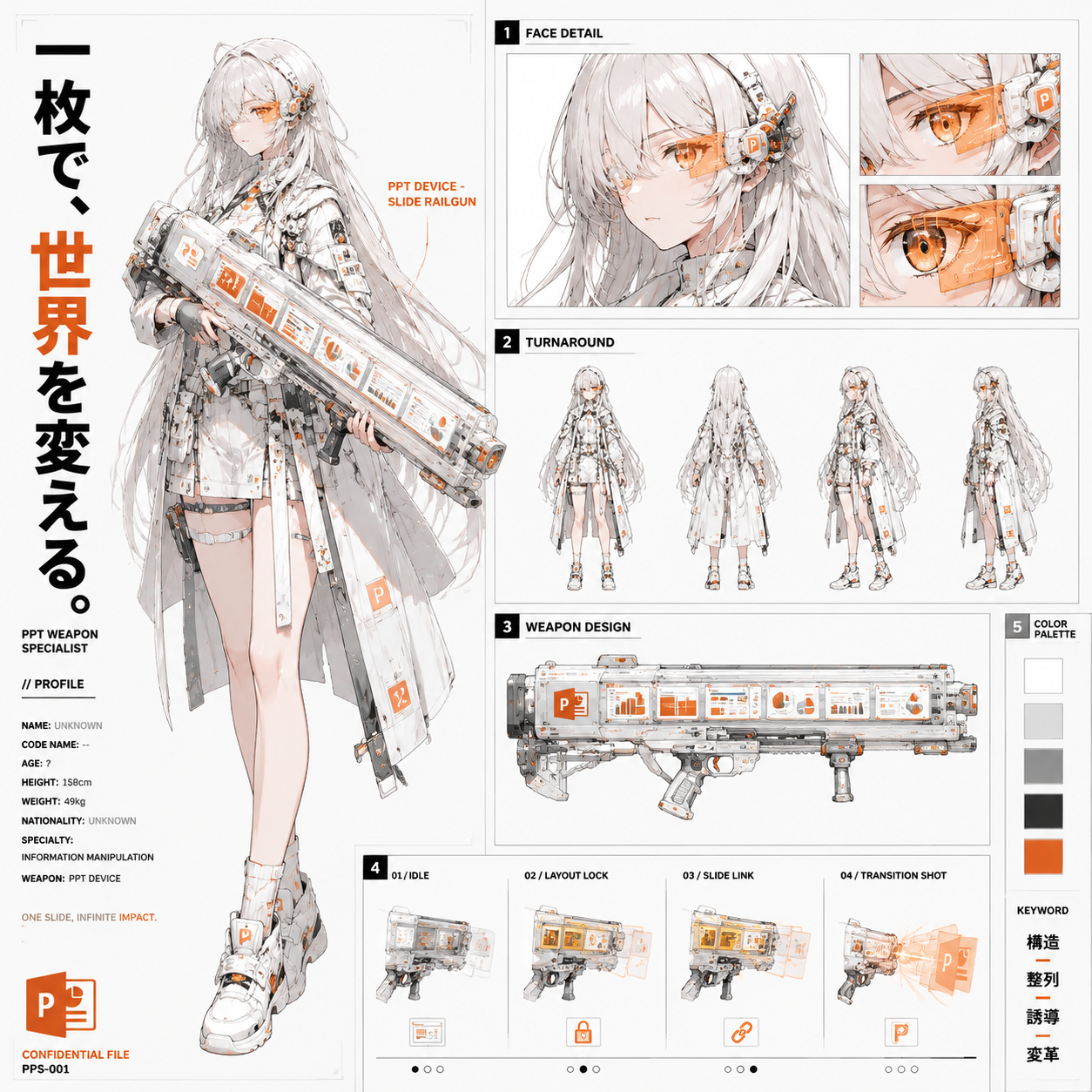
Use reference images. Generate a character sheet first: front view, three-quarter view, profile, and a close-up. Lock that sheet as the identity reference for every subsequent prompt involving that character. If the character changes clothes between scenes, create a separate wardrobe reference rather than relying on text description alone.
Location Consistency
Build a location reference the same way. A living room should have the same window placement, furniture layout, and wall color in every shot. If you generate a wide shot first, use it as the spatial anchor for all closer shots in that location.
Lighting Continuity
Time of day and light direction must match across shots in the same scene. If a scene takes place at sunset, the sun should be on the same side of the frame throughout. Specify this explicitly in your prompt context, and regenerate any panel that breaks it.
Prop and Costume Tracking
Small details break immersion: a phone that changes model, a necklace that disappears, a coffee cup that refills itself. Keep a running prop list per scene and check each panel against it during review.
Style Drift
Long projects tend to drift stylistically as you generate more panels. Periodically compare new panels against your earliest approved frames. If the look has shifted, reset your style prompt and regenerate the outliers.
Where AI Storyboarding Fits in the Production Pipeline
AI storyboarding is not a replacement for every stage of pre-production. It fits best in specific places.
Pre-Production
This is the primary use case. Before you hire crew, rent locations, or build sets, generate a board to test whether the script works visually. A board can reveal that a scene is redundant, that a location is impractical, or that a character's arc needs a visual beat that does not exist yet.
Pitching and Client Communication
A generated board is a powerful pitch tool. Clients who struggle to read a script can immediately understand a visual sequence. You can present three distinct visual directions for the same script and let the client choose before you commit to production.
On-Set Reference
Printed or tablet-based boards help the director, cinematographer, and department heads stay aligned. AI-generated boards are especially useful here because they can include lighting and lens notes directly in the frame description.
Post-Production Planning
Editors can use the board to anticipate coverage gaps. If a scene has no insert shots, the editor knows to plan for that during the edit rather than discovering the problem in the cutting room.
Choosing the Right AI Storyboarding Approach
Not all tools are built the same. Here is how to evaluate them.
Questions to Ask
- Does it understand screenplay format, or do you have to type prompts manually?
- Can it maintain character consistency across a full project?
- Does it support style locks and location references?
- Can it export a structured shot list with scene numbers?
- Does it integrate with any video generation capability for animatics?
- How does it handle revisions and version history?
Manual Prompting vs. Agent-Assisted Storyboarding
Manual prompting gives you total control but is slow. You write every prompt, manage every reference, and track consistency yourself. It works well for small projects with fewer than 20 panels.
Agent-assisted storyboarding automates the repetitive parts: scene segmentation, shot suggestions, reference management, and batch generation. It is better for feature-length projects, series, and commercial work where consistency and speed both matter.
Solo Creator vs. Team Workflow
Solo creators benefit from automation because they wear every hat. Teams benefit from structured export and shared visual language. Choose a tool that matches your collaboration model.
Common Mistakes and How to Avoid Them
Generating Too Many Panels Too Early
More panels do not mean a better board. Generate a rough pass, review it, then refine only the scenes that need it. A tight 40-panel board beats a bloated 150-panel board every time.
Ignoring Story Structure
A beautiful board for a broken story is still a broken story. Map your three-act structure, character arcs, and key turning points before you generate anything.
Skipping the Visual Bible
Without a style guide, your board will look like it was assembled from different films. Write the guide first, even if it is only five bullet points.
Treating AI Output as Final
AI generates options, not answers. Every panel should be reviewed against dramatic intent. If a panel is beautiful but does not serve the scene, cut it.
Neglecting Continuity Checks
Run a continuity pass after every major revision. Check wardrobe, props, lighting direction, and location layout. It takes ten minutes and saves hours of confusion later.
Real-World Examples
Example 1: A Short Horror Film
A director is preparing a five-minute horror short set in a single apartment. Using an AI storyboard tool, she generates a character sheet for the protagonist, a location reference for the apartment, and 45 panels covering the full script. During review, she notices that the board relies too heavily on close-ups and lacks establishing shots that show the apartment's layout. She regenerates six wider panels, which also clarifies the geography for the chase sequence in act three.
Example 2: A Product Commercial
A marketing team needs to pitch three visual directions for a 30-second spot. They generate three boards using different style guides: one bright and playful, one dark and premium, one documentary-style. The client chooses the premium direction, and the team extends the chosen board into a rough animatic with timing and scratch audio. The animatic reveals that the product reveal happens too late, so they move it earlier in the script before any production budget is committed.
Example 3: An Animated Series
A small studio is developing an animated series with recurring characters. They build character sheets for the main cast and a location reference for the central setting. Because the AI tool maintains consistency across panels, the studio can generate a full episode board in days rather than weeks. The board is then used to plan voice recording sessions and background art production.
Frequently Asked Questions
Can AI storyboards replace a human storyboard artist?
No. AI is a tool for exploration and speed. A skilled storyboard artist brings storytelling judgment, staging, and visual wit that current AI cannot replicate. The best results come from using AI to handle volume and iteration while a human directs the creative decisions.
How many panels do I need for a typical project?
A rough rule is one panel per major beat, plus additional panels for coverage. A three-minute scene might need 15 to 25 panels. A feature can run into the hundreds. Start with coverage and refine.
How do I keep character faces consistent?
Use reference images and lock them as identity references. Generate a character sheet before you generate scene panels. Avoid relying on text descriptions alone, because small wording changes produce large visual changes.
Can I use AI storyboards for client pitches?
Yes, and it is one of the strongest use cases. Boards communicate visual intent faster than scripts. Present multiple style directions so the client can choose a lane before production begins.
Do AI storyboards work for animation?
They work especially well for animation because consistency tools align with the needs of character-driven projects. You can generate boards, animatics, and even color script references.
What about copyright and usage rights?
Policies vary by tool and by jurisdiction. Review the terms of the specific platform you use, and consult legal guidance for commercial projects. Keep records of your prompts and references.
Final Thoughts
AI storyboarding is not about removing the craft from pre-production. It is about removing the friction. The director still decides what the story needs, how the camera should move, and what the audience should feel. The AI handles the repetitive rendering, the reference management, and the endless variations that used to take weeks of manual work.
If you are new to this workflow, start small. Pick a single scene, write a visual bible, generate a board, and review it critically. You will learn more from one honest iteration than from reading ten tutorials. Then scale the process to a full project and see how much faster your pre-production becomes.
The filmmakers who thrive in this new landscape will not be the ones who resist AI or the ones who rely on it blindly. They will be the ones who use it as a disciplined creative partner, directing the tool the same way they direct a crew: with clarity, intention, and a strong point of view.
