

The economics of running a YouTube channel have quietly changed. A solo creator with a clear idea and a disciplined workflow can now ship a visually varied video every week without a camera crew, a studio, or a stock-footage subscription. The bottleneck has moved from production capacity to judgment: knowing which generator to use for which shot, how to keep a series visually coherent, and where automation genuinely saves time instead of creating cleanup work.
This guide walks through the practical side of that decision. It covers what separates usable AI video tools from impressive demos, how to match models to creative needs, a full production workflow from script to upload, and the mistakes that quietly stall channels that lean too hard on generation.
Why AI Video Generation Changed the YouTube Playbook
Traditional video production scales linearly. Double the output and you roughly double the shooting days, the editing hours, and the cost. Generative video breaks that relationship for a specific class of content: explainers, listicles, narrative shorts, historical recaps, abstract concept pieces, and anything where the visuals illustrate a voiceover rather than carry a performance.
For those formats, the constraint shifts to three things: how fast you can write a shot list, how reliably the generator produces usable takes, and how well you can assemble generated fragments into something that feels intentional rather than stitched together. Channels that treat generation as a single magic button plateau quickly. Channels that treat it as a shot-level tool keep improving.
There is also a discovery effect. YouTube rewards frequency and consistency, and a creator who can publish twice a week instead of once gets more chances to find the format that resonates. That frequency advantage is the real prize — not the novelty of synthetic footage.
What Actually Matters When Choosing an AI Video Tool
Most comparisons fixate on demo reels. Demo reels are curated, cherry-picked, and often generated with generous retry budgets. A tool that looks extraordinary in a highlight montage can be frustrating when you need ten usable clips before lunch.
Fidelity versus temporal consistency
Fidelity is how convincing a single frame looks. Temporal consistency is how well the subject holds together across frames — faces that do not melt, hands that do not sprout fingers, clothing that does not shift color between cuts. For short-form social clips, fidelity often wins because viewers scroll quickly and rarely freeze a frame. For long-form YouTube content watched on a large screen, temporal consistency matters far more. A slightly softer image that holds steady reads as professional; a razor-sharp image that flickers reads as broken.
When you test a new tool, generate a five-second clip of a person turning their head slowly and another of a hand picking up an object. Those two tests expose most consistency weaknesses faster than any feature list.
Prompt adherence and shot control
Adherence is whether the model does what you asked. Modern generators handle subject and setting well but still struggle with precise spatial relationships, exact counts, and specific camera moves. The practical question is not "can it follow instructions" but "can it follow instructions when the instruction is complicated" — because your shot list will get complicated.
Look for tools that separate camera control from scene description. Being able to say "slow dolly in, low angle" as a distinct parameter rather than burying it in prose dramatically improves your hit rate and makes prompts reusable across episodes.
The real cost per finished minute
Pricing pages are misleading because they quote generation, not results. What matters is cost per finished minute of published video, and that number includes failed takes. If a tool produces one usable five-second clip out of four attempts, your effective cost is four times the advertised rate.
Track this for two weeks with any tool you are seriously considering. Note how many generations you burn per usable clip, then compare tools on finished-minute cost rather than per-render pricing. This single metric will change which tool you pick more than any quality comparison.
Matching Models to Creative Needs
There is no single best generator. There are generators that are best for specific shot types, and most working creators keep two or three in rotation.
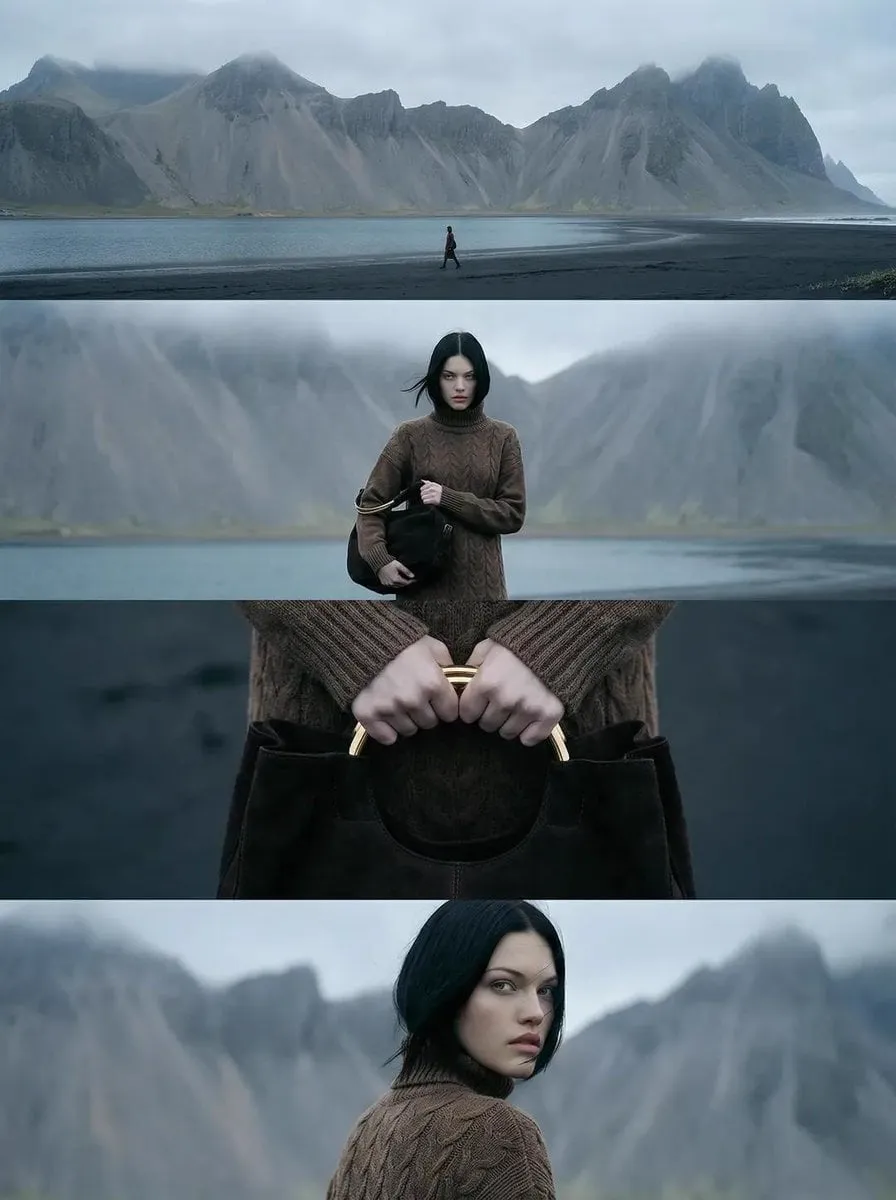
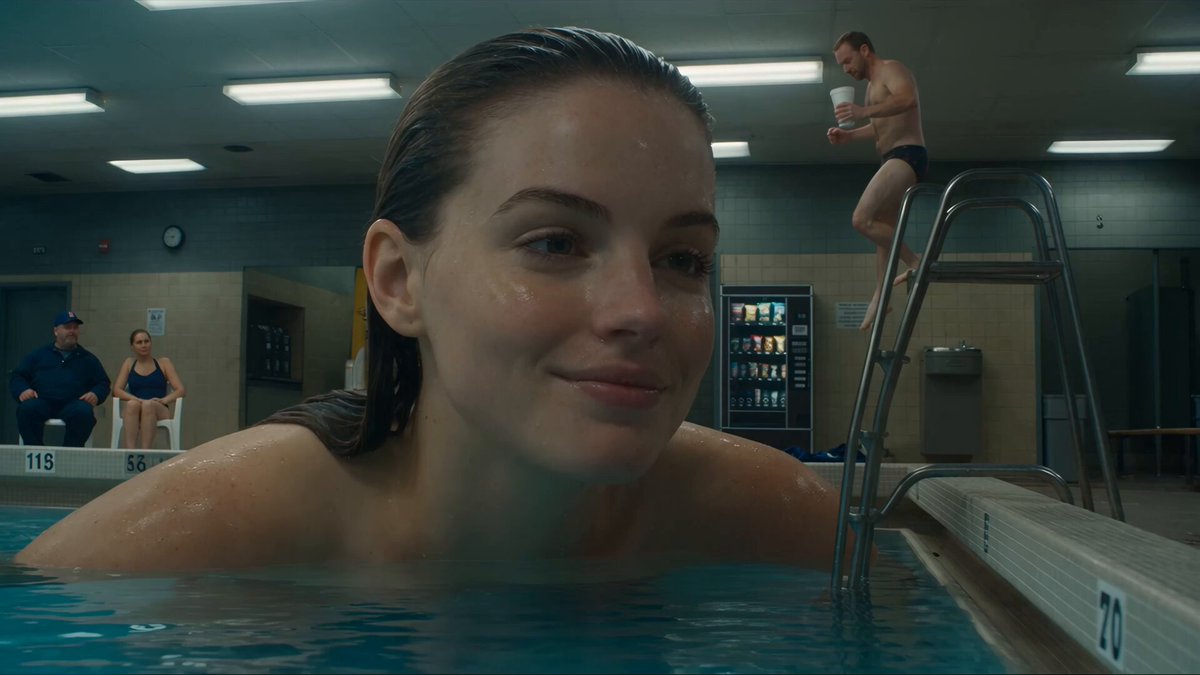
Photorealistic realism
For lifelike humans, natural environments, and documentary-style footage, the strongest options tend to be diffusion-based systems tuned on large, high-quality datasets. These excel at skin texture, foliage, water, and lighting that behaves like real light. They are the right choice for travel montages, historical reenactments, and any shot where the viewer's brain is checking for realism.
Their weakness is often motion complexity. Fast action, crowd scenes, and intricate interactions degrade quickly. Use them for atmospheric establishing shots and slow, deliberate movement.
Cinematic camera control
Some platforms are built around director-style control: defining a shot as a camera move plus a subject plus an environment. These are ideal when you want a consistent visual language across a series — the same push-in, the same lens feel, the same color response. If your channel has a signature look, this category of tool is where you build it.
Stylized, animated, and illustrated looks
Animation, claymation, watercolor, comic-book, and retro-film aesthetics are often more forgiving than photorealism because viewers do not apply real-world physics to them. A slightly unstable edge reads as style rather than error. For creators who want a distinctive channel identity on a tight schedule, a strong stylized pipeline can outperform a mediocre realistic one.
Consistency across a series
If your videos feature a recurring host, mascot, or location, consistency becomes the top requirement. Look for reference-image conditioning, character locking, or seed reuse. Test it hard: generate the same character in five different environments and compare facial structure, hair, and clothing details. Drift becomes obvious by the third clip, and fixing drift in editing is expensive.
A Repeatable Workflow: From Idea to Upload
The difference between a channel that ships weekly and one that posts sporadically is almost never talent. It is process. Here is a workflow that scales from solo creator to small team.
Step 1 — Script and beat sheet
Write the script first, and write it for audio. Voiceover that reads well on the page often sounds stilted when spoken. Read each paragraph aloud and cut anything you stumble over.
Then convert the script into a beat sheet: for every 20 to 40 seconds of narration, note the emotional function of the visuals. Are they establishing place, illustrating a concept, showing a process, or providing rhythm? This step prevents the classic mistake of generating beautiful clips that do not support the story.
Step 2 — Shot list and prompt batching
Turn the beat sheet into a numbered shot list. Each shot gets a duration, a subject, an environment, a camera behavior, and a style reference. Then write prompts in batches of ten to twenty, following a consistent template.
A reliable template structure is: subject and action, environment and time of day, camera behavior, lighting and mood, style and film reference. Keep the order identical across prompts so you can spot which element caused a failure when a take misses.
Step 3 — Generation and first-pass triage
Generate more than you need, then triage fast. Watch each clip once at normal speed. If it does not immediately read as usable, discard it. Do not hunt for a redeeming three-second segment unless you specifically need a transition.
A useful discipline: mark each clip as green (use as is), yellow (usable with a trim or speed change), or red (discard). Triage should take seconds per clip. Time spent deliberating over marginal footage is the biggest hidden cost in AI production.
Step 4 — Assembly, sound, and captions
Cut to the voiceover, not to the clip. Lay your narration track first, then place visuals against it. This is how professional editors work and it prevents the generated-footage tail from wagging the story dog.
Add sound design aggressively. Ambient beds, subtle whooshes on transitions, and a consistent music track do more for perceived production value than another generation pass. If voice cloning or synthetic narration is part of your workflow, test intelligibility at 1.25x speed — a large share of viewers watch faster than normal.
Burn in captions or upload a clean subtitle file. Retention data consistently favors videos that are legible with sound off.
Step 5 — Packaging for the algorithm
Your thumbnail and title matter more than any individual clip. Design the thumbnail before you finish editing if possible, because it forces you to decide what the video is actually about. A common failure mode in AI-heavy channels is a beautiful, vague thumbnail that communicates nothing.
Test two or three thumbnail concepts, keep the click-through data, and build a swipe file of what works for your niche.
Building a Pipeline That Survives Week Three
Most creators start strong and collapse around the third or fourth episode, when the novelty fades and the workload becomes real. The fix is standardizing everything you can.
Keep a prompt library organized by shot type. Keep a project template with folders for audio, generated clips, graphics, and exports. Keep a checklist that runs from script review to upload settings. The goal is to remove decisions from the production day so that your only cognitive load is creative.
Also batch ruthlessly. Write two scripts in one session, generate shots for two episodes in one session, and edit in focused blocks. Context switching between writing, prompting, and editing is where hours disappear.
Sound, Voice, and Music: The Half of the Video People Forget
Viewers forgive imperfect visuals far more readily than bad audio. AI-generated imagery with clean, well-mixed sound reads as a real production. Stunning visuals with hollow room tone and mismatched music read as a slideshow.
Invest in three things: a consistent narrator voice, a small library of ambient beds, and a music source you actually like. If you use synthetic narration, keep the pacing human — vary sentence length in your script and insert deliberate pauses. If you use your own voice, a modest USB microphone in a soft-furnished room beats an expensive setup in a hard-surfaced one.
Mix at low volume first. If your video is intelligible on laptop speakers at 20 percent, it will hold up on phones, which is where most first views happen.
Common Mistakes That Stall AI-Made Channels
Generating before writing. Producing clips without a script produces footage you cannot use, no matter how good it looks.
Chasing maximum realism everywhere. Realism is expensive and fragile. Stylized aesthetics are often faster, more consistent, and more memorable.
Ignoring motion physics. Vehicles, liquid, and complex hand interactions remain the weakest areas across tools. Design shots that avoid them, or shoot around them.
Uniform clip length. If every shot is five seconds, the video feels mechanical. Vary duration deliberately — short cuts for energy, longer holds for atmosphere.
Skipping the legal review. Check the terms of each tool you use, especially for commercial use, voice cloning, and likeness. Keep records of what you generated and with which tool.
Publishing without a hook. The first fifteen seconds decide everything. Open with the most interesting claim or image, not with a logo animation.
Budgeting and Scaling Without Burning Out
Treat AI video spend like a production budget: a fixed monthly allowance for generation, a small reserve for overages, and a hard rule that you do not upgrade a plan until your current tier is genuinely the bottleneck.
Scaling output is rarely about generating more. It is about raising your hit rate. Improving prompt templates, building a reference library, and pre-visualizing shots all reduce waste, which is effectively a budget increase without a price change.
When you do add a second tool, add it for a specific weakness rather than for general novelty. One tool for photoreal establishing shots, another for stylized character work, and a standard editor for assembly is a healthy stack. Five tools used casually is a productivity sink.
Quality Control Checklist Before You Publish
Run every video through the same checks: audio intelligibility at half volume, caption accuracy, no visible generation artifacts in the first ten seconds, consistent color and contrast across shots, a thumbnail that reads at phone size, and a title that promises something specific. Confirm your description and tags support the topic, and verify that any music or voice asset is properly licensed.
Finally, watch the finished video once at normal speed without pausing. If you find yourself reaching for the timeline to fix something, note it and fix it. If you find yourself watching, you are done.
FAQ
Do I need a powerful computer to use AI video tools?
Most capable generators run in the cloud, so a mid-range laptop with a stable connection is enough. Local rendering and high-resolution upscaling are where hardware matters, and those are usually optional steps.
How many generated clips does a typical ten-minute video need?
For an illustrated voiceover format, plan on roughly sixty to ninety shots for ten minutes. Expect to generate two to three times that number of takes to land on usable footage, which is why hit rate matters more than raw output volume.
Can AI-generated videos be monetized on YouTube?
Monetization policies focus on originality and value added rather than the tool used. Content that is clearly transformative, with your own scripting, narration, and editing, sits on much firmer ground than raw generated output uploaded with minimal changes.
How do I keep a recurring character consistent?
Use reference images, character locking features, or fixed seeds where available. Then validate with a five-environment test before committing to a series, because small drift compounds across episodes into something viewers notice.
Should I tell viewers that a video uses AI?
Honesty tends to help rather than hurt. Audiences respond well to transparency about process, and clear disclosure avoids the credibility hit that comes from viewers discovering synthetic elements on their own.
What is the fastest way to improve output quality?
Improve your script and your sound before you change tools. Better narration, tighter pacing, and deliberate sound design raise perceived quality faster than any upgrade to a generation model.
