
The days of choosing between two or three dominant AI video generators are over. As the generative AI industry matures, creators now have access to an entire ecosystem of specialized models — each tuned for photorealism, anime, cinematic framing, character consistency, and more. The real creative advantage isn't picking a single winner; it's knowing how to mix and match the best tools for each scene.
The Landscape Has Changed
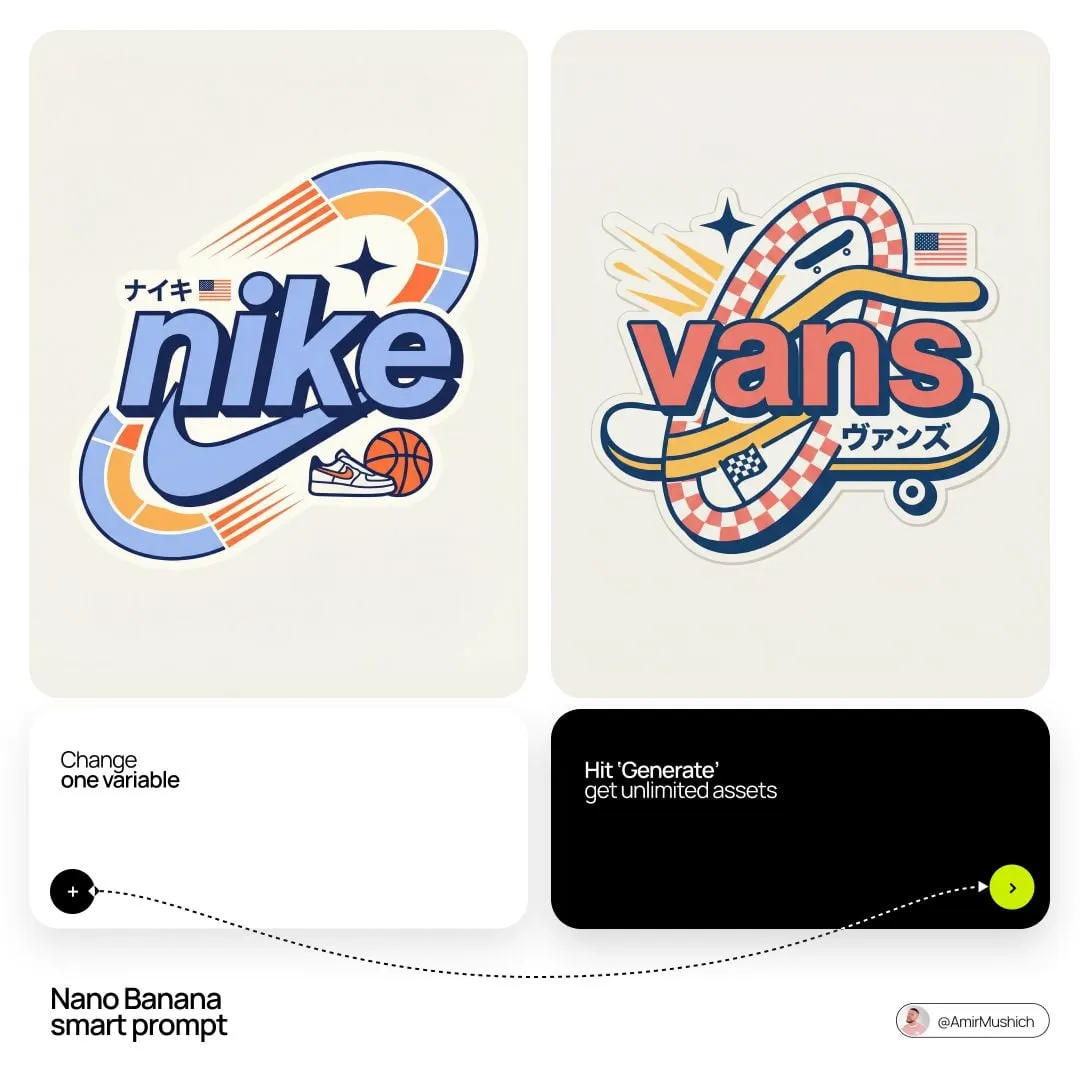
For a long time, conversations about AI video generation revolved around a handful of names. But the market has diversified rapidly. Today, you can generate hyper-realistic footage with one model, then push that same footage through a stylization engine to get a completely different look. The challenge is no longer access to AI — it's managing the workflow.
That's why centralized platforms are becoming essential. A good AI video generator integrates multiple models behind a single interface, letting you switch between Flux for photorealism, Veo for cinematic motion, and other specialty models without juggling subscriptions. The best part? You can experiment with different approaches on the same project without starting over.
Why Specialization Matters
No single model handles everything perfectly. Some excel at physics and realistic motion; others shine with anime aesthetics. Some understand complex prompts with multiple characters, while others nail slow-motion detail. By combining models, you can achieve results that would be impossible with a one-size-fits-all tool.
For example, you might use a text-to-video model to generate the base footage, then an image-to-video model to animate a character that you've already designed. This kind of modular workflow is why platforms like Domer are built around model diversity rather than a single proprietary engine.
The Role of Direction and Control
With so many models available, the next big skill is directing them. Agentic tools that interpret your creative intent and automatically choose the right model for each step are becoming indispensable. Instead of manually tweaking prompts for every shot, you can define a style and let the system handle the technical details.
As the market grows, so does the importance of consistency tools. Multi-image fusion, character reference packs, and style lockers let you maintain a coherent look across scenes. This is especially critical for narrative work, where viewers notice even small inconsistencies between shots.
What's Next
The generative AI video sector is projected to reach $100 billion by 2028. As competition heats up, expect even more specialized models and smoother integrations. The winning strategy for creators is to stay flexible — learn the strengths of different models and platforms, and build workflows that adapt as new tools appear.
If you're just getting started, explore the range of available tools. Test how different models handle motion, lighting, and style. And remember: the best output often comes from combining multiple AI systems rather than relying on a single one. For a deeper dive, check out some practical tutorials and model comparisons on the Domer blog.
The future of video creation is not about one model to rule them all. It's about having the right model for every moment — and the platform intelligence to know which one to choose.
