
Introduction
Cinematography is the art of visual storytelling. It's not just about pointing a camera — it's about composition, lighting, movement, color, and emotion all working together to serve the story. For decades, mastering cinematography required years of experience on film sets.
AI is changing that. Today's AI tools can analyze scripts, suggest shot compositions, design lighting setups, and even simulate camera movements — making professional cinematography knowledge accessible to creators at every level.
The Fundamentals of Cinematography
Before diving into AI tools, let's review what makes a shot work:
Shot Composition
The arrangement of elements within the frame:
- Rule of Thirds: Place key subjects at intersection points
- Leading Lines: Guide the viewer's eye through the frame
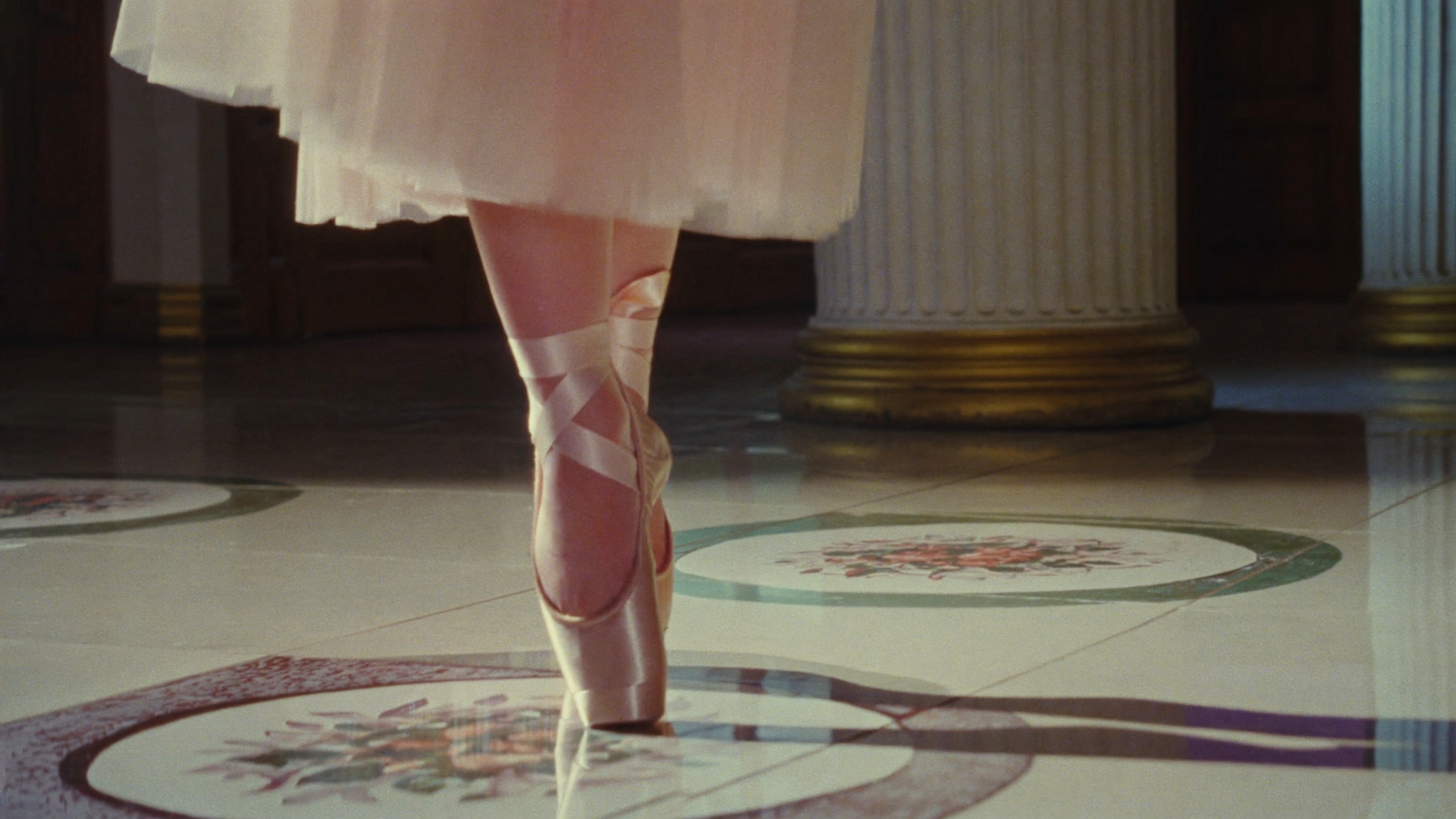
- Depth: Foreground, midground, background layers
- Headroom and Lead Room: Give subjects space to "look into"
- Symmetry vs. Asymmetry: Each creates different emotional responses
Camera Movement
Movement tells part of the story:
- Static: Stability, observation, tension
- Pan/Tilt: Revealing information, following action
- Dolly/Tracking: Immersion, moving with the subject
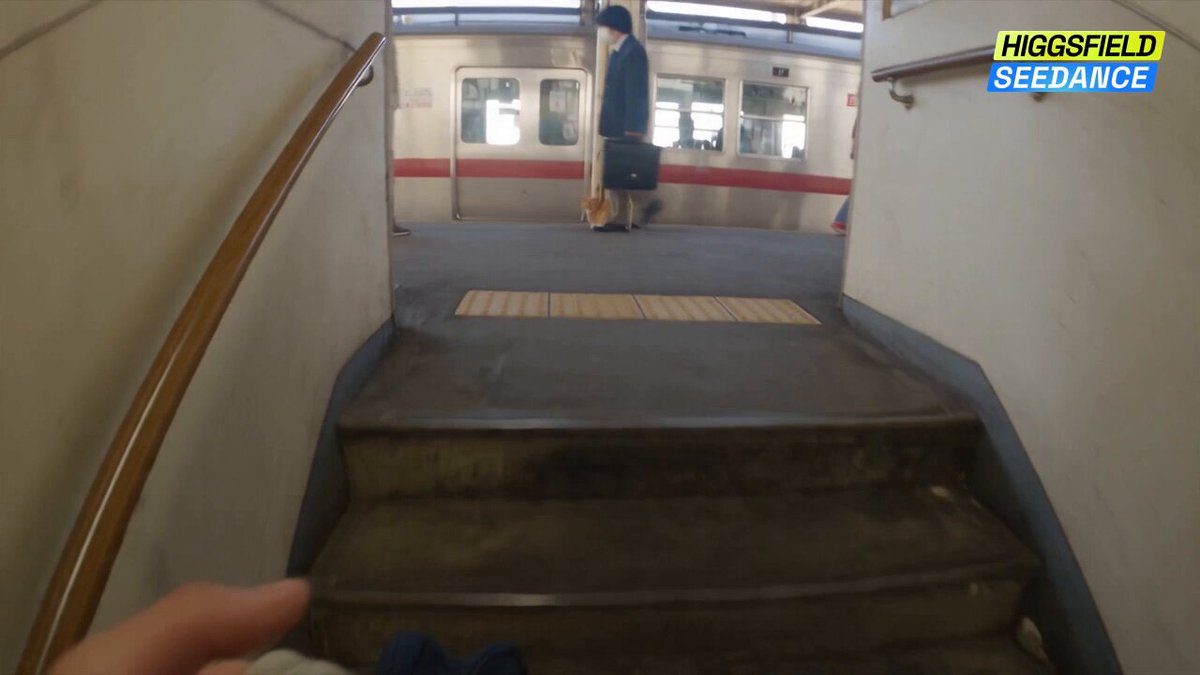
- Handheld: Urgency, realism, documentary feel
- Crane/Jib: Grandeur, establishing scale
Lighting
The soul of cinematography:
- Key Light: Main light source, defines shape
- Fill Light: Softens shadows, controls contrast
- Back Light: Separates subject from background
- Practical Lights: In-scene light sources (lamps, windows)
- Motivated Lighting: Light that feels natural to the scene
Color and Mood
- Warm tones: Comfort, nostalgia, romance
- Cool tones: Isolation, technology, mystery
- High contrast: Drama, tension, film noir
- Low contrast: Softness, dream states, calm
Domer AI Video Generator helps you apply these principles without expensive equipment.
How AI Enhances Cinematography
Automated Shot Planning
AI can analyze a script and suggest:
- Optimal shot types for each scene
- Camera positions and movements
- Lighting setups based on mood
- Lens choices for desired effect
This is like having a virtual director of photography on your team.
Real-time Composition Assistance
When framing a shot, AI can overlay:
- Rule of thirds grid
- Golden ratio spiral
- Leading line detection
- Face and eye detection for optimal positioning
Lighting Simulation
Before you set up a single light, AI can:
- Simulate lighting scenarios in 3D
- Show how light wraps around subjects
- Predict shadow placement
- Recommend light positions for desired mood
Style Transfer and Reference
Describe a visual style — "Wes Anderson symmetry," "Blade Runner neon," "golden hour warmth" — and AI generates reference frames or applies that style to your footage.
Domer AI Image Generator is excellent for creating cinematography reference boards and shot concepts.
Shot Types and When to Use Them
Establishing Shot
Wide view that sets the scene. Answers "where are we?"
- Use at the start of sequences
- Can be dramatic (helicopter shot) or simple (building exterior)
Wide Shot (Full Shot)
Subject visible from head to toe. Shows body language and environment.
- Good for action and physical comedy
- Establishes spatial relationships between characters
Medium Shot
Subject from waist up. The workhorse of dialogue scenes.
- Balances character and environment
- Most natural for conversations
Close-Up
Face fills the frame. Captures emotion and reactions.
- Use sparingly for maximum impact
- The eyes tell the story
Extreme Close-Up
A single detail — an eye, a hand, an object.
- Creates intensity and focus
- Reveals what's hidden in wider shots
Dutch Angle
Camera tilted to one side.
- Creates unease, disorientation
- Use deliberately, not randomly
Practical AI Cinematography Workflow
Pre-Production
- Script Analysis: Feed your script to AI for shot suggestions
- Shot List Generation: AI creates a preliminary shot list
- Storyboard Creation: Generate visual storyboards with AI
- Lighting Plan: Simulate lighting for key scenes
- Location Scouting: AI helps visualize locations
Production
- Composition Overlays: Real-time guides on your monitor
- Exposure Assistance: AI suggests optimal settings
- Focus Pulling: AI-assisted rack focus between subjects
- Continuity Check: AI tracks props, wardrobe, lighting across takes
Post-Production
- Color Grading: AI suggests grade based on scene mood
- Shot Matching: Ensures visual consistency across scenes
- Stabilization: Smooth out handheld footage
- Reframing: Adjust composition in post
Cinematography by Genre
Documentary
- Natural, available light
- Handheld for authenticity
- Environmental context is key
- Less "perfection," more truth
Narrative Film
- Motivated, controlled lighting
- Deliberate camera movements
- Coverage: master + singles + inserts
- Visual arc that mirrors story arc
Commercial/Advertising
- Polished, high-key lighting
- Product as hero
- Fast-paced energy
- Supersaturated colors often work
Music Video
- Experimental compositions
- Rhythm-driven editing
- Bold color choices
- Atmospheric or kinetic movement
Social Media Content
- Vertical-first composition
- Center framing for mobile
- Quick visual hooks
- Bright, eye-catching lighting
Common Cinematography Mistakes
Mistake 1: Ignoring the Background
A cluttered background distracts from your subject.
Fix: Check every corner of the frame before rolling.
Mistake 2: Static, Unmotivated Camera
Movement without purpose feels amateur.
Fix: Ask "why is the camera moving?" before every move.
Mistake 3: Flat Lighting
No shadows = no depth.
Fix: Always have a key light creating shape, even in bright scenes.
Mistake 4: Breaking the 180-Degree Rule Unintentionally
Disorients the viewer.
Fix: Draw an imaginary line between characters and stay on one side.
Mistake 5: Same Shot Size Throughout
Visually monotonous.
Fix: Vary shot sizes — wide, medium, close-up — within each scene.
The Future of AI Cinematography
- Virtual cinematographers: AI that directs camera movements in real-time
- Generative environments: AI creates entire sets and locations from text
- Emotion-responsive cinematography: Camera behavior adapts to actor emotions
- Democratized visual language: Everyone can access professional shot design
Conclusion
Cinematography is a language, and like any language, it can be learned. AI tools don't replace the need to understand visual storytelling — they accelerate the learning curve and handle technical complexity so you can focus on creative decisions.
Study the great cinematographers. Learn the rules (so you know when to break them). And use AI as your assistant, not your replacement.
Start creating with Domer and bring cinematic quality to every video you make.
