

The Frustration Every Creator Knows
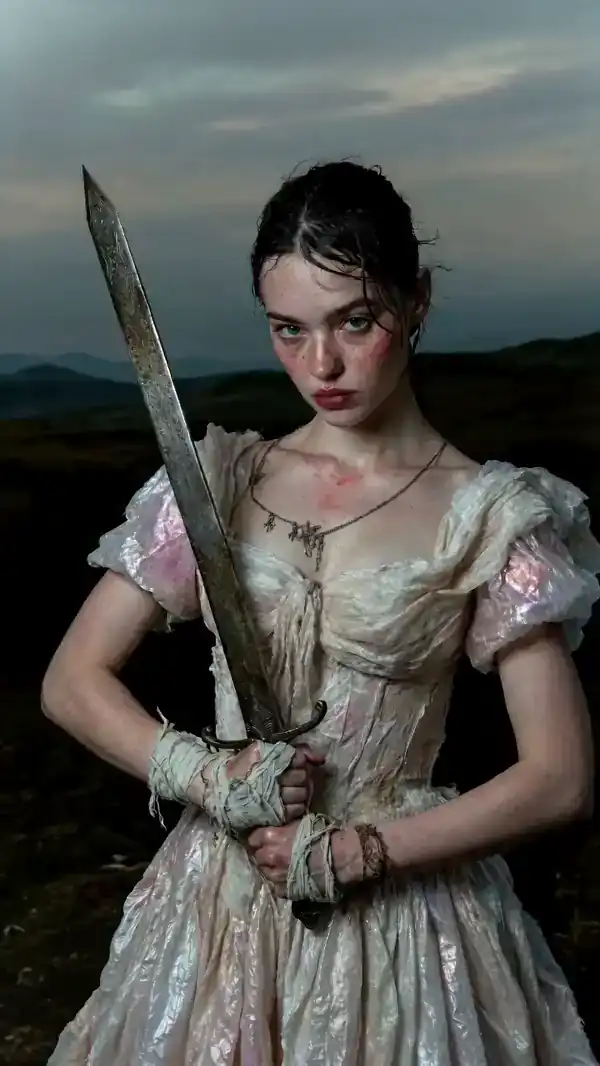
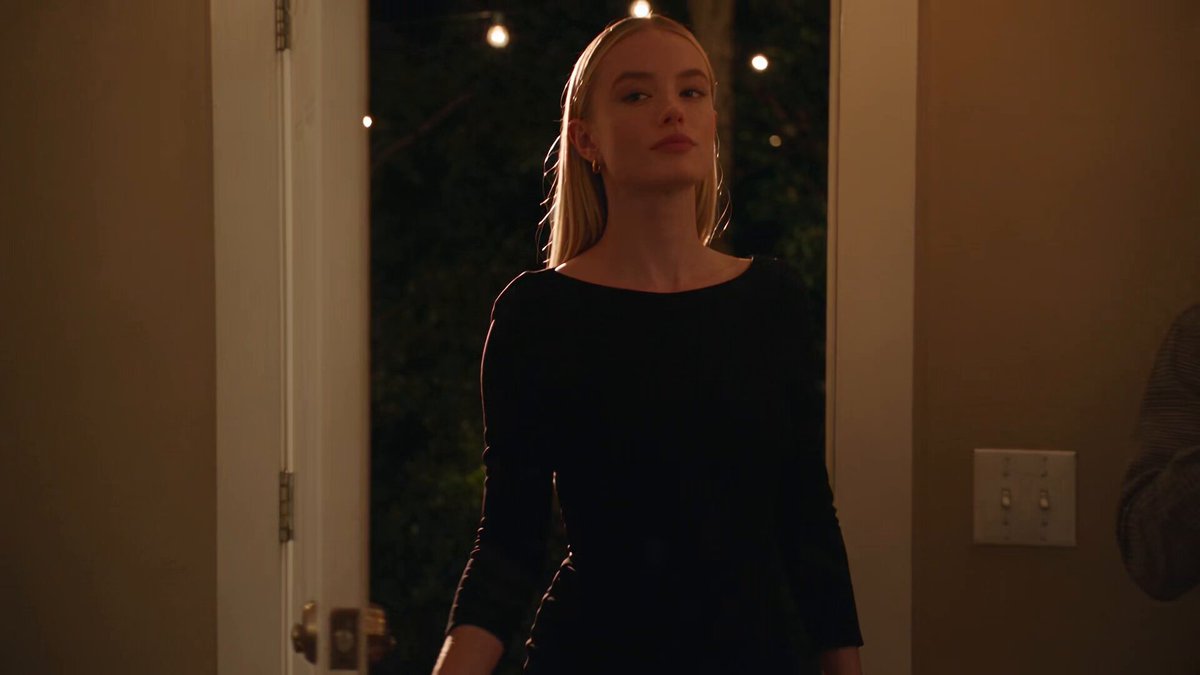
You write a perfect description of your protagonist. The first shot is flawless — the face, the coat, the way they hold their shoulders. Then scene two arrives, and the same character is suddenly someone else: different face, different outfit, subtly different energy. They are not even recognizable as a sibling. This is identity drift, and it is the single most demoralizing failure in generative video.
The fix is not a better prompt. The fix is a technique called multi-image fusion — using real reference images, not words, to lock a character’s identity and carry it reliably across every scene. This guide explains why drift happens, how fusion solves it, and how to build a workflow that keeps your cast consistent from the first frame to the last.
Why Characters Drift in Diffusion Models
To fix drift you have to understand where it comes from. Generative video models share DNA with text-to-image diffusion systems: they reconstruct images from noise, guided by a textual description. Every character is, from the model’s perspective, a statistical possibility conjured from a prompt.
That has a predictable weakness. Language is lossy. “A woman in a red coat” leaves a universe of faces, body types, and coat styles unspecified. The model does not fill those gaps once; it fills them differently on every single generation. Across a scene, the accumulation of small random differences becomes a completely different person.
A few concrete culprits amplify drift:
- Under-specified prompts. The less you pin down, the more the model improvises.
- Prompt variation between scenes. Saying “the protagonist” in one shot and “the woman” in the next changes the character.
- Genre and style shadows. Different scenes suggest different visual defaults, nudging the character toward unrelated looks.
- Pure stochasticity. Even with an identical prompt, the reset lottery can produce a new face every time.
Words alone cannot hold an identity steady. You need to anchor the model to something unambiguous: a picture.
Multi-Image Fusion: Identity Locking
Multi-image fusion is the technique of feeding a model one or more reference images of a character so that the generated output inherits that specific visual identity, rather than inventing one from text.
From Words to Pixels
The defining shift is the input. Instead of relying on adjectives, you show the model who the character is. A reference still of the character’s face and outfit becomes the ground truth, and each generation is steered toward matching it. Where prompts propose, references insist.
Why Multiple Images Beat One
A single reference image is useful but limited — it captures one angle, one expression, one moment. Fuse several images and you give the model a much fuller identity template: front and profile views, different expressions, different poses. This reduces the chance the system locks onto a fleeting artifact of one photo and mistakes it for the person.
Think of it as building a character dossier the model can consult. The richer the dossier, the more stable the character across angle, lighting, and action — which is precisely what a multi-scene project demands.
Fusion as Identity Locking
The core promise is identity locking: once fused into the model’s context, the character stays the same “cast member” no matter the scene. It does not remove creativity; it removes the kind of creativity you never wanted — the invent-a-new-face variety.
When Fusion Matters Most
Not every project needs heavy consistency, but several situations make it non-negotiable:
- Narrative films where a protagonist appears across many locations and lighting conditions.
- Series and recurring characters that must stay recognizable episode to episode.
- Brand spokespeople who need to appear reliably across a campaign.
- Educational content where a recurring host or guide teaches across a course.
In each case, the audience’s trust depends on recognizing the same person. Break that and the whole piece falls apart, no matter how lovely the visuals.
Fusion in the Model Ecosystem
Multi-image fusion does not live in one place. It shows up in different tools across the ecosystem, and understanding the variations helps you choose.
Standalone Fusion Features
Many modern video platforms expose fusion directly — upload reference stills, and the system keeps your character consistent as you generate. This is the easiest on-ramp and usually the right place to start.
Complementing Other Tasks
Fusion powers more than text-to-video. In video-to-video and image-to-video workflows, a fused character reference lets you take an existing clip or still and re-render it while preserving who the subject is. That makes refinement workflows much safer — you can nudge motion or recompose a shot without losing the face.
Integration with Director Layers
The best workflows combine fusion with a directing layer. A director assistant holds the story structure and composition; the fused reference holds the character. Together they let you plan a full script and trust that the cast will look like themselves at every beat.
Building a Consistent-Character Workflow
Here is a practical, repeatable pipeline.
Step 1: Build the Character Dossier
Before generating anything, assemble your reference set:
- A clean front-facing portrait.
- Profile views.
- Samples of the character’s key outfits.
- A note on the body type, palette, and any permanent details.
More is better — but every image should show the same “who” so the model gets a coherent template.
Step 2: Lock the Description Too
While images do the heavy lifting, keep a canonical text description and reuse it verbatim in every scene. References and text work together; changing your text cues invites drift even with fusion active.
Step 3: Reuse the SAME reference everywhere
Never re-describe the character or swap in a fresh random image per scene. The whole point is a single, stable reference carried across every generation.
Step 4: Establish Before You Spend
Learn the character on a simple, low-risk scene first. Approve one clean take, then carry that look forward into the demanding shots. Do not learn the face on your money scene.
Step 5: Auditing Continuity
After generating each scene, check continuity against your reference: is the face, outfit, and build right? Catch drift early — fixing one scene is cheap; fixing a misaligned finished sequence is not.
Troubleshooting Drift When It Still Happens
Fusion is a big improvement, but not magic. If a character still wanders:
- Check your references. Are all your images truly the same person? Conflicting references force the model to average into an imaginary face.
- Reduce prompt scope. Too many simultaneous attributes (scene + action + lighting + wardrobe) can overwhelm consistency. Lock the identity, then add context.
- Simplify the action. If the character is moving a lot, drift rises. Anchor motion and keep the identity reference crisp.
- Re-anchor from an approved frame. Use a frame you already love as the new reference, rather than re-rolling from scratch.
- Isolate fusion. Test the character on a static pose before any complex action, isolating whether the fusion itself is the bottleneck.
Consistency Across Every Output: Tags and Style Anchors
Identity is not just a face — it is a full visual signature. Alongside image references, stable style and continuity tagging turns consistency into a habit rather than an accident.
Keep a short, canonical set of descriptors that never change: the character’s build, palette, key clothing, and any permanent marks. Repeat them verbatim in every prompt, and add a fixed set of style anchors — the lighting tone, film stock feel, or color grade of the whole project. When the identity and the style share the same anchors across every scene, the model has fewer dimensions left to improvise.
This is why disciplined creators rarely fight drift: not because their tool is uniquely strong, but because they left nothing in the prompt to the imagination. Reliability comes from reducing ambiguity, and tagging is a cheap, portable way to do exactly that.
Choosing Fusion-Capable Tools
Not every tool exposes multi-image fusion the same way. Before you pick a platform, test how it handles your reference material:
- Reference quality tolerance. Does it respect a rough reference photo, or does it demand studio-clean hero shots?
- Number of reference inputs. Can you feed several images at once for a fuller identity template?
- Consistency under motion. Does the character hold across fast action or pans, not just static poses?
- Style transfer. Can it carry your palette and lighting alongside the identity, or does fusion only cover the character?
Add these to your evaluation the same way you would weigh cost and speed. Consistency is the feature you reach for every project, so test it seriously before you commit a workflow to a tool.
Frequently Asked Questions
What exactly is multi-image fusion?
Using multiple reference images of a subject to lock its identity during generation, instead of relying on text descriptions alone.
How many reference images do I need?
Three to five quality shots covering different angles and expressions is a solid baseline. More helps up to a point; coherence matters more than sheer number.
Does fusion work for objects and styles too?
Yes. The technique generalizes to locking specific props, products, environments, and visual styles — not just people.
Is a single reference image enough?
It does more than text alone, but multiple images create a far more robust identity template and reduce the chance of locking onto a bad artifact.
Do I still need to describe the character?
Yes — keep a canonical text description and reuse it verbatim. Images and text work together; skipping either invites drift.
Why does my character still change between scenes?
Almost always because references conflict, the prompt changes between scenes, or the scene pushes the model harder than the identity can hold. Audit references, stabilize prompts, and re-anchor from an approved frame.
A Mini Case Study: One Character, Four Locations
Let us test the method with a realistic assignment. A character named Mira appears in four locations — a street at noon, a bus at dusk, a coffee shop at night, and a rainy park. The goal: the same woman in every scene.
Build the dossier. Three stills of Mira — a front portrait, a profile, and a full-body shot in her signature mustard coat. One canonical description that never changes: thirtyish, dark curls, mustard coat, pale denim, calm but watchful eyes.
Lock the anchors. A palette of muted teal and amber runs through every scene; a grungy film-stock feel ties the four to one world.
Generate beat by beat. Each location is a separate scene, but every prompt reuses the same description and the same reference images. The camera and mood shift; the identity does not.
Audit against the dossier. After each location, check Mira’s face, coat, and build against the reference. The first time through, catch and fix drift immediately — one scene is cheap to fix.
The result is a four-part sequence where the audience believes it is the same person moving through a day. That continuity is exactly what multi-image fusion, applied as a discipline, produces. It is not a magic button — it is a reliable method.
Consistency Is a Build, Not a Fix
Character drift is not an annoying bug to live with; it is a process failure you can engineer around. Multi-image fusion replaces vague description with unambiguous imagery, giving the model a stable cast to draw on no matter the scene. Coupled with locked references, canonical text, and disciplined workflow, it turns “kind of looks the same” into “unmistakably the same person.”
The payoff is the audience belief that your protagonist is a single, real character they met in one scene and will trust in the next. That continuity is what separates a montage from a story. Build your identity lock early, audit it relentlessly, and your cast will carry your film to the final frame — because they are no longer a collection of similar faces, but one person the audience has come to know.
