
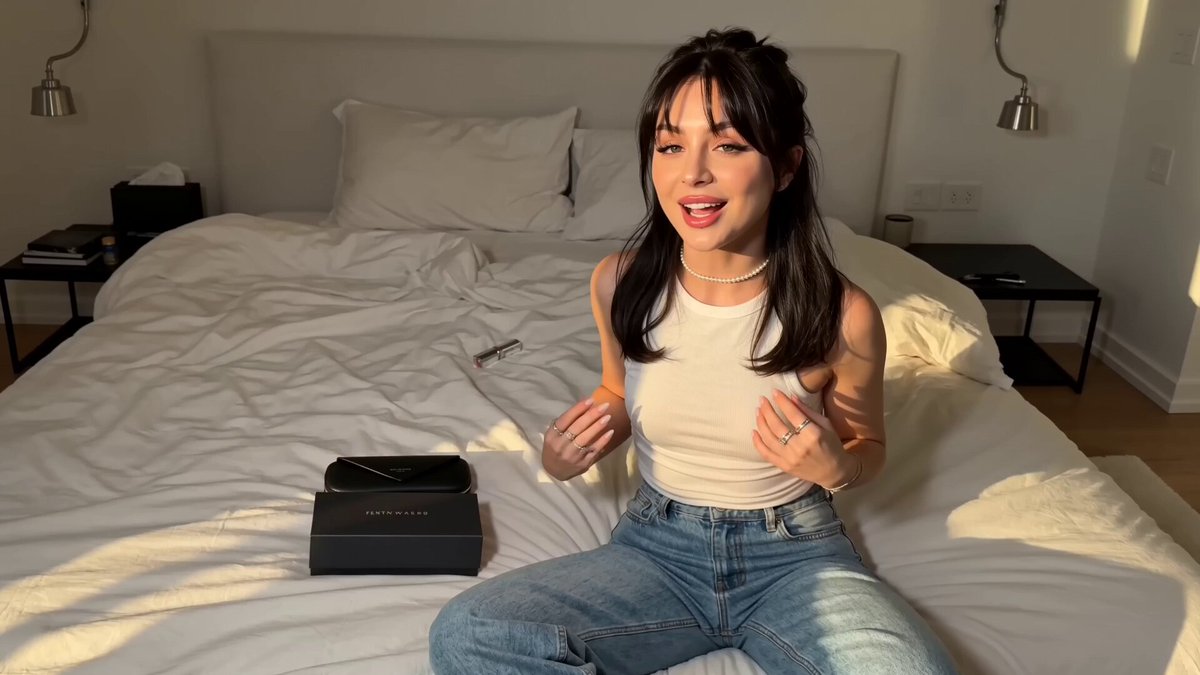
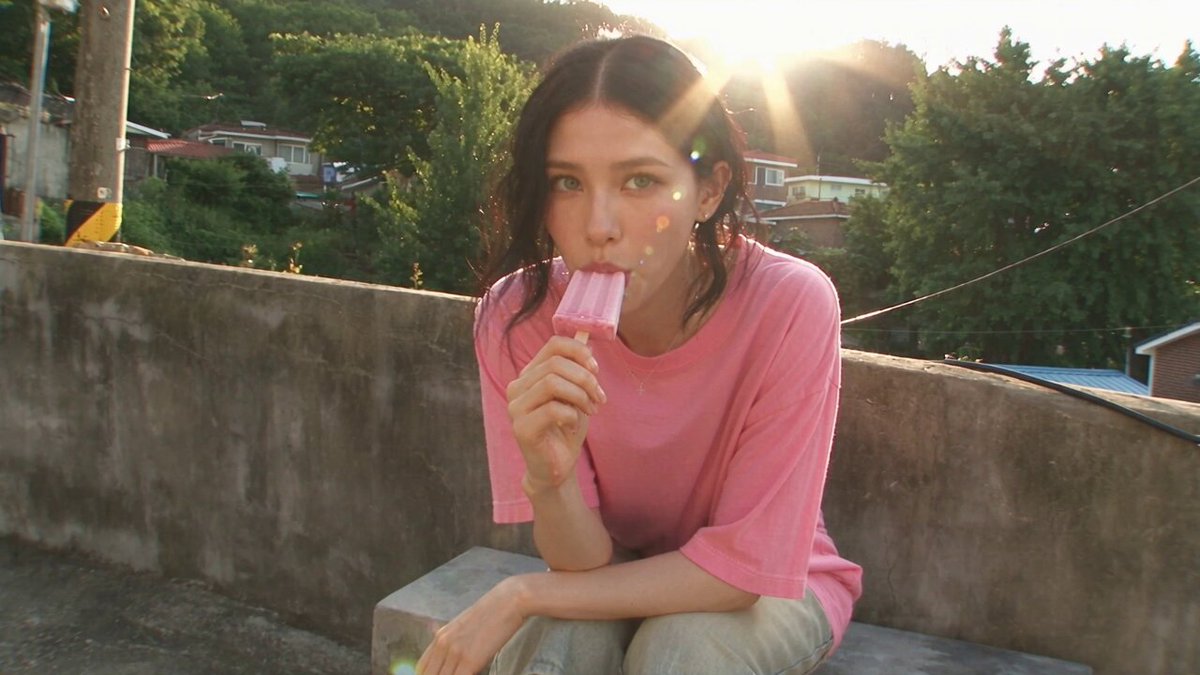
Fashion has always been sold through imagery, but the industry's center of gravity has shifted decisively toward motion. A still photograph can show a silhouette; a video can show how that silhouette moves, catches light, drapes across a shoulder, and behaves after ten minutes of walking. That difference — motion, texture, and mood in sequence — is why video has become the default language of modern fashion marketing rather than a nice-to-have add-on.
The challenge is that fashion video is expensive to produce well and easy to produce badly. Between concepting, casting, shooting, editing, localization, and platform-specific versioning, a single campaign can balloon into dozens of deliverables. This guide walks through a practical, tool-agnostic workflow that keeps creative standards high while using AI where it genuinely saves time — and warns you where it quietly damages brand equity.
Why Video Became the Backbone of Fashion Marketing
Fashion buyers do not evaluate garments the way they evaluate electronics. They evaluate how a piece makes them feel and how it might look on their own body in their own life. Video answers both questions simultaneously because it supplies movement context and emotional context in the same frame.
Three structural shifts pushed video to the center:
Discovery moved to feeds. Social platforms reward content that holds attention, and motion holds attention far longer than static posts. A brand that only publishes stills competes for a fraction of the reach that a well-crafted short video earns.
Commerce became video-native. Product pages now routinely embed lookbooks, styling clips, and short demonstrations. Shoppers who watch a product video behave differently from shoppers who only read a description — they ask fewer basic questions and return fewer items, because expectations are calibrated before purchase.
Production costs collapsed. What once required a studio, a crew, and a five-figure day rate can now be assembled from a small shoot plus AI-assisted generation, editing, and localization. The barrier dropped from "do we have budget" to "do we have a clear idea."
Understanding the landscape matters more than chasing any single platform trend. The brands that win are not the ones with the biggest production budgets; they are the ones with a repeatable system that turns a single creative idea into many correctly formatted assets.
How Fashion Video Actually Persuades
Before optimizing formats or tooling, it helps to understand what video is doing psychologically. Fashion marketing is emotional marketing wearing a commercial costume, and the mechanics are surprisingly consistent.
Motion communicates fit, drape, and quality
Static images hide problems that video exposes — and that is exactly the point. When a model walks, fabric reveals its weight and structure. When a jacket is buttoned and unbuttoned, viewers understand its cut. When a dress moves through a room, the viewer mentally simulates wearing it.
This is why the most effective fashion clips almost always include a movement beat: a turn, a walk, a reach. Even a three-second loop of fabric in motion outperforms a highly polished still for conveying perceived quality.
Emotion travels faster than specification
Viewers decide whether they care about a video within the first second or two. That first beat is rarely about the product; it is about the feeling. A hand adjusting a cuff, a glance over a shoulder, a specific quality of light on a specific color — these signals set the emotional register that the rest of the clip inherits.
Practical implication: open with a sensory or emotional hook, then deliver product information. Videos that open with a logo and a title card lose viewers before the garment is ever visible.
Attention has a rhythm, not a length
The old advice was to keep everything short. The better advice is to keep everything rhythmic. A sixty-second clip with a new visual beat every two to three seconds holds attention better than a fifteen-second clip that repeats the same framing. When you plan edits, plan cut points, not durations.
Matching Format to Funnel Stage
A common failure in fashion video marketing is producing one hero film and spraying it everywhere. Each stage of the buying journey rewards a different format.
Short-form vertical video for discovery
Vertical, nine-by-sixteen clips of roughly seven to thirty seconds are the discovery engine. Their job is not to explain the product; it is to create desire and curiosity. Strong patterns here: a single outfit change, a styling transformation, a texture close-up, a before-and-after, a behind-the-scenes moment with the atelier or the shoot.
Optimize for the first frame and the first second. If a viewer cannot tell what kind of world this brand lives in almost instantly, the clip will not travel.
Mid-length video for consideration
Thirty to ninety seconds is where you can teach. This is the right length for styling suggestions, fit guidance, fabric explanations, and comparisons between two options. Consideration clips often perform best on product pages, in email, and in retargeting, because the audience already has intent and is looking for reassurance rather than entertainment.
Long-form for brand world-building
Three to ten minutes of runway film, campaign documentary, or designer interview builds the aura that justifies premium positioning. Long-form rarely converts directly, and judging it by direct conversion is a mistake. Measure it by brand search volume, direct traffic, and the perceived quality of the brand in surveys.
Commerce-native video for conversion
Product-loop videos, size demonstrations, and virtual try-on experiences sit closest to the transaction. They reduce uncertainty. A catalog of thirty garments with clean five-second motion loops frequently outperforms one beautifully produced hero film for revenue per visitor.
Building a Repeatable Production Workflow
The difference between a brand that publishes consistently and one that publishes in bursts is process. Here is a workflow that scales from a two-person team to a full creative department.
Step 1 — Define the story spine before anything else
Write three sentences: who the piece is about, what changes between the first frame and the last, and the feeling the viewer should carry away. A styling clip might be: a woman leaves a morning meeting, changes into evening wear in a single cut, and the feeling is effortless transformation. Everything downstream — shot list, music, pacing — serves that spine.
Teams that skip this step end up with beautiful footage and no narrative, which is the most expensive kind of failure.
Step 2 — Build a shot list that survives the edit
List every shot in terms of coverage rather than beauty: wide establishing, medium hero, close texture, movement detail, product interaction, and at least one unexpected frame. For each, note the lighting condition and whether it can be reshot cheaply.
A practical rule: for every finished second you intend to use, capture four to six seconds of usable coverage. Fashion footage gets cut aggressively, so abundance is a feature.
Step 3 — Choose the production path: shoot, generate, or blend
There are three viable paths, and most teams should use all three.
Live shoot remains the gold standard for garments on real bodies, because real fabric behaves in ways that are hard to fake convincingly at scale. Reserve it for hero garments and anything where fit accuracy is commercially critical.
Generated footage excels at environments, transitions, mood plates, and abstract texture. A generated Parisian street at dusk or an impossible desert backdrop costs a fraction of a location shoot and can be iterated in minutes.
Hybrid production is the pragmatic default. Shoot the garment on a model against a neutral setup, then use AI-assisted tools to place that footage into generated environments, extend the frame, relight the scene, or create additional angles. This preserves product truth while removing location and scheduling friction.
Step 4 — Edit for rhythm, not completeness
Cut on motion. When a hand moves, cut a beat before the movement completes so the viewer's eye carries momentum across the transition. Keep the product visible for at least a full second of settled framing; viewers need a moment to register detail.
Sound design is not optional. Ambient texture, fabric sound, and a music bed with a clear entry point do more for perceived production value than additional resolution. If you are localizing, separate dialogue from music and effects so that only the dialogue track needs replacing.
Step 5 — Distribute with platform-specific cuts
From one master edit, derive: a vertical hook cut, a square social cut, a product-page loop with no audio dependency, a fifteen-second paid version with the product in the first frame, and silent versions with burned-in text. Build this derivative list into the project plan, not as an afterthought.
Step 6 — Feed results back into the next brief
After each campaign, record which hook, which color story, and which format produced the best retention. Over time this becomes a playbook that makes briefing faster and guessing rarer.
Where AI Helps Most in Fashion Video
AI is not a replacement for creative direction, and treating it as one produces generic output. Used correctly, it compresses the slowest parts of the pipeline.
Pre-production acceleration
Concept boards, mood boards, color explorations, and rough storyboard frames can be generated in an afternoon instead of a week. This matters most at the pitch stage, when stakeholders need to see a direction before approving budget. Rapid visual prototyping also surfaces bad ideas cheaply.
Character and product consistency
This is the hardest technical problem in AI-assisted fashion video, and the one that most determines whether output looks professional or amateurish. If a model's face, hair, or garment changes between shots, the illusion collapses.
The workable approach is to lock references. Establish a consistent character reference set — multiple angles, consistent hair and makeup, consistent color grading — and a consistent product reference set with accurate color and material notes. Then reuse those references across every generation rather than starting from a fresh prompt each time. Many modern generative video tools support reference images, character conditioning, or style locking; using those features deliberately is what turns a lucky clip into a repeatable asset.
For product accuracy, treat AI as a compositor rather than a creator. Keep the real garment as the anchor element and use generation for everything around it.
Post-production and localization
AI-assisted editing tools can auto-assemble rough cuts from tagged footage, isolate and clean audio, remove backgrounds, upscale low-resolution clips, and extend scenes. For international campaigns, voice replacement and lip-sync tools now make multi-language versions feasible without re-shooting or re-dubbing talent.
Guardrails: brand safety and disclosure
Two rules prevent most problems. First, anything that depicts the product must be verified against the actual item — color, proportions, hardware, and print placement. Second, disclose synthetic or heavily generated content where regulation or platform policy requires it, and be honest internally about which shots are real. Trust, once broken in fashion, is expensive to rebuild.
Keeping Visual Identity Consistent Across Every Clip
A brand's visual system is its most valuable production asset. Define it explicitly so that any editor or generative tool can follow it:
- Color logic. A limited palette with one accent, plus a rule for how skin tones and product colors are protected during grading.
- Lighting signature. Hard directional light for an editorial voice, soft diffused light for a warm accessible voice. Pick one and stay with it across a season.
- Camera behavior. Locked-off and precise, or handheld and observational. Mixing these arbitrarily reads as inconsistency rather than variety.
- Pace and music. A tempo range and instrumentation family that map to your brand personality.
- Typography and graphic overlays. Two typefaces maximum, consistent placement, consistent animation timing.
Write this down as a one-page document. It is more useful than any single expensive shoot, because it makes every future clip recognizably yours.
Mistakes That Quietly Damage Fashion Video Campaigns
Leading with logo instead of product. The first second is a competition, not a title sequence.
Beautiful footage with no narrative. Viewers may admire it and still have no reason to remember the brand.
Inconsistent color between clips. This is the single most visible AI-era error, and it reads as carelessness to premium shoppers.
Overlong openings. If the garment appears after four seconds, you have already spent most of your attention budget.
Treating accessibility as optional. Captions, adequate contrast, and audio-independent versions widen reach and are increasingly required by platforms.
Ignoring mobile framing. Shoots composed for widescreen frequently lose the hero garment to a vertical crop. Compose for safe zones that survive both.
Measuring only direct sales. Discovery content drives search and direct traffic that attribution tools routinely miss.
How to Measure Fashion Video Performance
Track a small set of metrics that map to funnel stage rather than a sprawling dashboard:
- Hook retention. Percentage of viewers still watching at three seconds. The single best predictor of reach.
- Completion rate. For short clips, high completion signals the pacing is right.
- Saves and shares. The strongest signals of style relevance for fashion content.
- Product page engagement. Video plays, add-to-cart rate, and return rate for viewers who watched.
- Assisted conversion. Branded search lift and direct traffic in the days following a campaign.
Review these weekly, not quarterly. Fashion moves on a seasonal clock, and a playbook you only inspect every three months is a playbook you never actually use.
A Compact Workflow You Can Run This Week
If you want to start immediately, here is a sequence that fits inside a normal working week.
Day one: choose one garment and write the three-sentence story spine. Day two: build a ten-shot coverage list and lock a character and product reference set. Day three: capture live footage for the garment and generate environment and transition plates. Day four: assemble a master edit, then cut a vertical hook version, a product-page loop, and a silent captioned version. Day five: publish, log retention numbers, and note what to change next time.
Repeating this cycle five times produces more usable learning than one large production. Consistency compounds; spectacle does not.
FAQ
Do I still need real photography and video if I use AI tools?
Yes, for anything where fit and product accuracy drive the purchase decision. Real footage of the actual garment remains the most reliable anchor, and generated environments can be layered around it.
How do I keep a model's appearance consistent across many generated shots?
Build a locked reference set first — multiple angles, fixed hair, makeup, and grade — and reuse it for every shot rather than writing new descriptions each time. Consistency comes from reusing the same references, not from increasingly detailed prompts.
What is the ideal length for fashion video?
There is no single answer. Discovery clips work at seven to thirty seconds, consideration clips at thirty to ninety seconds, and brand films can run several minutes. What matters is a new visual beat every two to three seconds and a hook in the first second.
How do I keep brand look consistent when multiple people edit?
Publish a one-page visual system covering palette, lighting signature, camera behavior, pace, and typography. Review every deliverable against it before publishing.
How do I handle multi-language campaigns efficiently?
Keep dialogue, music, and effects on separate tracks so only the voice layer needs replacing, and use lip-sync tools to match localized audio. Produce silent captioned versions in parallel so accessibility is built in rather than retrofitted.
Is AI-generated fashion content acceptable to audiences?
Audiences accept it when it is high quality, accurate to the product, and honest. They reject it when proportions are wrong, colors shift between shots, or the content implies a garment behaves in ways it does not.
