

Film Production in the AI Era
The film production landscape is undergoing a transformation that rivals the shift from analog to digital. AI tools are not replacing filmmakers — they are empowering them to do more with less. Understanding how these technologies fit into traditional production roles is essential for anyone working in video creation today.
Whether you are an indie creator shooting on a smartphone or part of a professional production team, knowing the fundamentals of cinematography, producing, and how AI can augment each stage of production will give you a competitive edge.
Core Film Production Roles Explained
The Cinematographer
Also known as the Director of Photography (DP), the cinematographer is responsible for the visual look of a film. Key decisions include:
- Camera choice and lens selection: Determines the visual character and depth of field
- Lighting design: Creates mood, directs attention, and defines space
- Composition and framing: Decides what the audience sees and how they see it
- Camera movement: Whether static, handheld, dolly, or drone shots
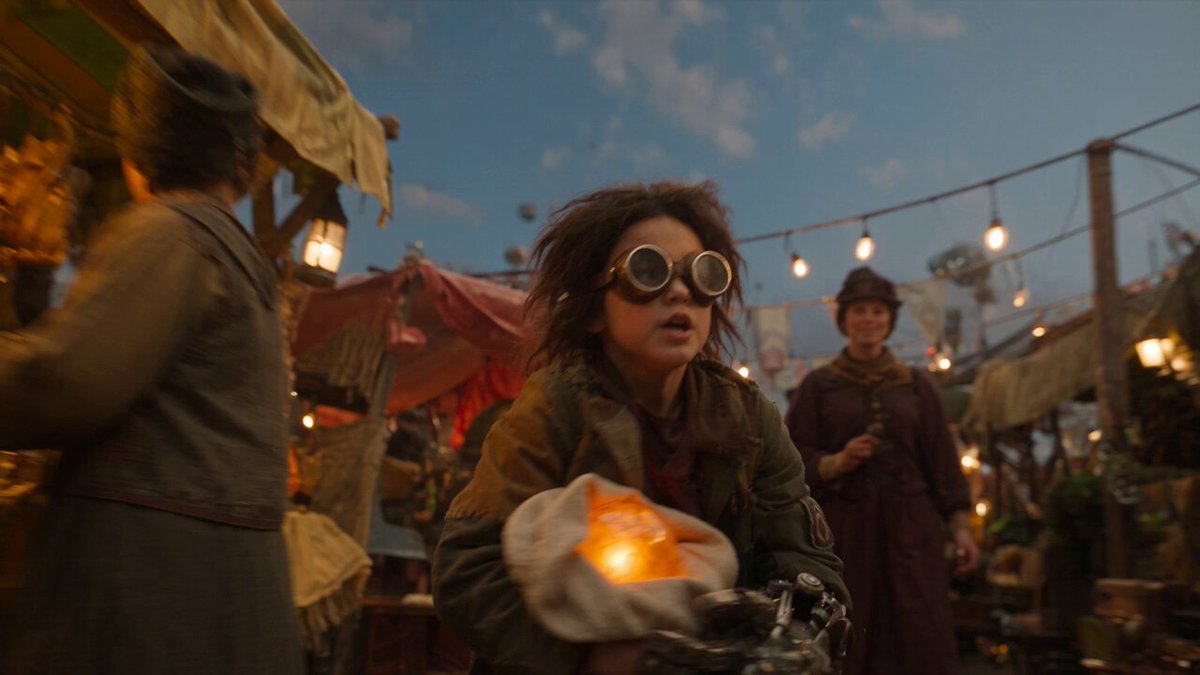
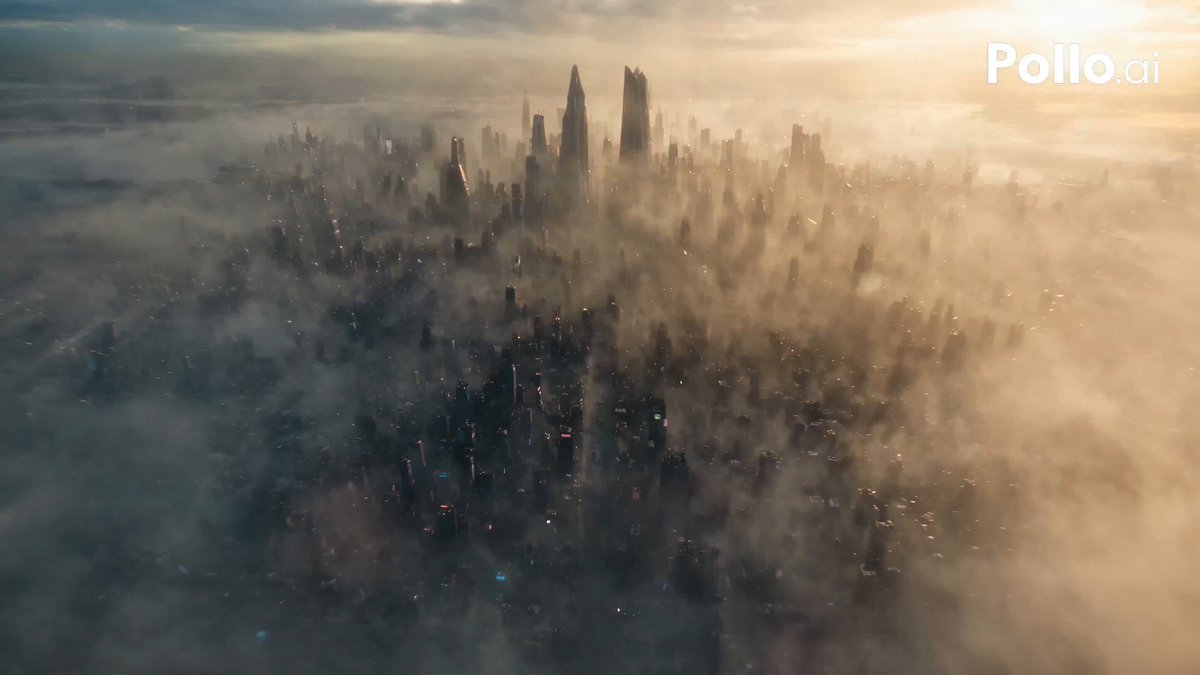
AI is increasingly assisting cinematographers by suggesting optimal framing, simulating lighting setups before shooting, and even generating pre-visualization sequences. Tools like AI video generator can create concept clips from text descriptions, helping DPs communicate their vision more effectively.
The Producer
Producers handle the business and organizational side of filmmaking:
- Budgeting and scheduling: Making sure the project stays on track financially
- Hiring key talent: Assembling the right team for the project
- Problem-solving: Every production hits obstacles — producers find solutions
- Distribution strategy: Getting the finished film in front of audiences
For indie producers and content creators, AI tools reduce costs dramatically. Instead of expensive location shoots, you can generate backgrounds and environments. Instead of hiring large crews, automated post-production handles many technical tasks.
The Editor
Editors shape the final narrative. AI is revolutionizing this role with:
- Automatic transcription and subtitling
- Smart scene detection and rough-cut assembly
- Audio cleanup and music synchronization
- Color grading assistance
How AI Integrates into Each Stage
Pre-Production
- Script analysis: AI can analyze scripts for pacing, character arcs, and dialogue
- Storyboarding: Generate visual storyboards from script descriptions using AI image generator
- Location scouting: Generate realistic location mockups to evaluate visual options
- Budget planning: AI-powered scheduling tools optimize resource allocation
Production
- Shot planning: AI suggests optimal camera positions and movements
- Lighting simulation: Preview lighting setups before rigging equipment
- Continuity tracking: AI monitors costume, prop, and set consistency across takes
Post-Production
- Automated rough cuts: AI assembles initial edits based on script and timing
- Visual effects: Generate and composite VFX elements with GPT Image 2
- Sound design: AI-generated ambient soundscapes and Foley effects
- Color grading: AI-assisted look development and shot matching
The Democratization of Filmmaking
The most exciting aspect of AI in film production is accessibility. A solo creator can now produce work that previously required a team of specialists. This doesn't mean professional crews are obsolete — it means the barrier to entry has been dramatically lowered.
A creator with a good story and basic equipment can:
- Generate production-quality B-roll from text prompts
- Create visual effects without expensive software
- Produce professional sound design with AI tools
- Edit and color grade with automated assistance
Getting Started
- Learn the fundamentals: AI is a tool, not a replacement for understanding cinematography principles
- Start small: Apply AI to one aspect of your workflow first
- Experiment and iterate: The best results come from trying different approaches
- Build your toolkit: Explore Domer AI tools to find what works for your style
Conclusion
AI is not the end of traditional filmmaking — it is the beginning of a more accessible, creative era. Understanding production roles and where AI can augment each stage lets you focus on what matters most: telling compelling stories. The tools are here. The barrier is lower than ever. The only question is: what will you create?
