
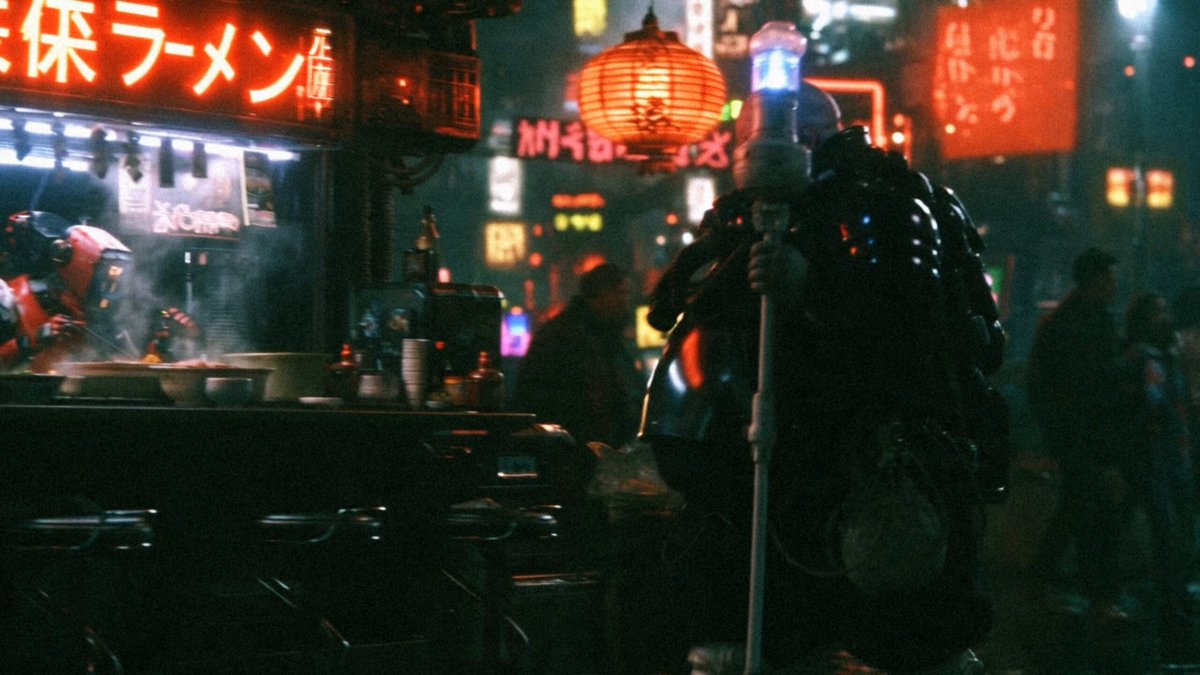
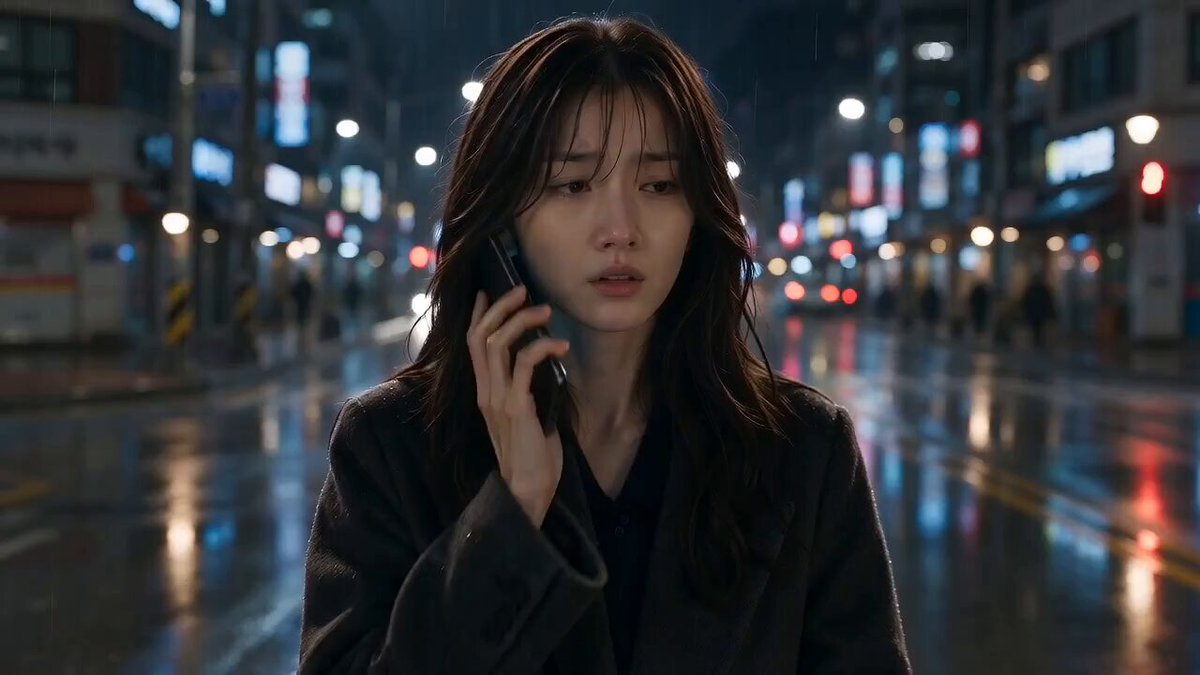

Why Cinematic Sound and Famous Clips Are So Tempting
Every creator knows the feeling. You are editing a travel montage, a product teaser, or a short documentary, and the scene feels flat. Then you drop in a sweeping orchestral cue from a beloved film, or a neon-lit chase clip from a cult classic, and suddenly the whole piece comes alive. The emotional lift is immediate. The audience recognizes the reference. The production value seems to jump by an order of magnitude.
That instinct is not naive. It is based on real craft. Iconic soundtracks are engineered to carry narrative weight. They use motif, dynamics, silence, and instrumentation to tell the viewer what to feel before a single line of dialogue lands. Famous clips carry visual grammar that took years to refine: blocking, lens choice, color, movement, and rhythm. Borrowing that power feels like a shortcut to professional storytelling.
The trouble is that these assets are almost never free to use. A recognizable melody and a recognizable scene are protected creative works. Using them without permission can trigger automated claims, manual takedowns, demonetization, or legal letters. Even when a use might be defensible, the time and stress of resolving a dispute can derail a release schedule. The smarter path is not to hope for the best. It is to build a workflow that captures the same cinematic energy while staying on the safe side of the line.
This guide lays out that workflow. It covers decision criteria, practical examples, tool choices, common mistakes, and a detailed FAQ. The goal is not to scare you away from cinematic references. The goal is to help you translate those references into original assets that you can publish with confidence.
What Copyright Actually Protects
Copyright is a bundle of rights, not a single switch. When you use a film soundtrack, you may be dealing with at least two layers: the musical composition, which belongs to the songwriter or publisher, and the sound recording, which belongs to the label or studio. If the track has lyrics, there is also a lyric rights layer. For video, you may be dealing with the footage itself, the performances within it, the editing choices, and any visual effects or artwork.
On top of copyright, there are related rights. Trademarks can protect logos, character designs, and brand identifiers. Personality rights can protect a performer's likeness or voice in some jurisdictions. Contract law can add another layer when a platform's terms of service restrict how you use downloaded media. A clip that is technically in the public domain in one country may still be protected in another.
The most common myth is the magic number. Many creators believe that using fewer than a certain number of seconds is automatically safe. There is no universal duration that makes infringement disappear. A short excerpt can still be substantial if it captures the heart of the work. Another myth is that non-commercial use is always allowed. Non-commercial use may weigh in your favor under a fair use analysis, but it does not create an automatic exemption. A third myth is that giving attribution solves the problem. Attribution is important, but it is not a substitute for permission when permission is required.
Fair use, or fair dealing in some countries, is a legal defense that considers four factors: the purpose and character of the use, the nature of the copyrighted work, the amount used, and the effect on the potential market. Transformative uses, such as criticism, commentary, news reporting, teaching, and parody, can qualify. However, fair use is decided case by case. It is not a permission slip that you can print in advance. If you rely on it, you should document your reasoning and keep your use genuinely transformative.
Platform claim systems add a practical layer. Automated matching can flag a video even when a human would consider the use fair. The claim may redirect revenue, mute audio, or block the video in certain territories. You can dispute a claim, but disputes take time. For most creators, the best strategy is to avoid the conflict altogether by using assets that are either licensed, original, or clearly outside protected expression.
A Four-Path Decision Framework for Safe Cinematic Assets
When you want a cinematic feel, you do not have to choose between copying and settling for bland stock. There are four reliable paths. Each has trade-offs. The right choice depends on your budget, timeline, distribution plan, and risk tolerance.
Path 1: Public domain and open-license assets
Public domain works are free from copyright because their protection has expired, been forfeited, or never applied. Open licenses, such as Creative Commons, allow use under specific conditions. This path is excellent for classical compositions, early jazz, government-produced footage, and some archival material. The advantage is clarity and cost. The disadvantage is limited relevance. A nineteenth-century waltz may not match a modern thriller trailer. You also need to verify the status of both the composition and the specific recording. A public domain song recorded recently may still have a protected sound recording.
Path 2: Licensed library music and stock footage
Library music, also called production music, is created for licensing. Stock footage is produced for the same purpose. This path gives you professional quality with clear terms. You typically need a synchronization license to pair music with video and a master license to use a specific recording. Many libraries bundle these rights into a subscription. The trade-offs are cost, scope, and exclusivity. Some licenses cover online video but not broadcast. Some cover monetized channels but not client work. Read the terms carefully and keep a copy of the license.
Path 3: Sound-alike and style-inspired AI composition
AI music tools can generate original tracks based on text prompts, reference audio, or parameter controls. You can describe mood, tempo, instrumentation, era, and energy without naming a specific artist or song. This path is powerful because it gives you custom music that fits your edit. The risk is similarity. If you prompt too closely toward a protected melody, chord progression, or signature arrangement, the output may be infringing. Use broad stylistic language. Avoid artist names, song titles, and distinctive melodic hooks. Review the output with fresh ears and ask whether it feels like a copy or a new work.
Path 4: Original visual homage
Instead of using a famous clip, recreate its mood with original footage, animation, or AI-generated video. You can borrow abstract qualities: color palette, lighting direction, camera movement, pacing, and sound design. You cannot copy protected expression, such as a specific shot sequence, a recognizable character, or a distinctive set design. A homage should feel like a conversation with a genre, not a replacement for a scene. This path takes more planning, but it produces assets you own and can reuse.
Building a Copyright-Safe AI Video Workflow
A safe workflow is not about avoiding inspiration. It is about separating inspiration from assets. You can study a film, a trailer, or a music video and extract the underlying principles. Then you build new assets that express those principles. Here is a phase-by-phase process that works for solo creators, small teams, and client projects.
Phase 1: Brief and inspiration map
Start with a written brief. What emotion should the viewer feel? What is the pace? What genre are you referencing? Create a mood board with stills, color swatches, and audio references. Label every reference as inspiration only. Next to each reference, write the abstract qualities you want to capture. For example, instead of writing use the famous chase scene, write high-contrast night photography, fast lateral tracking, staccato percussion, and cyan-magenta color separation. This translation step is the heart of copyright-safe creativity.
Phase 2: Asset generation
Generate or license your music and visuals. For music, use AI tools with commercial-friendly terms, or license a track from a library. For visuals, use AI video generators, stock footage, or original filming. Keep a prompt log. Record the tool name, the prompt, the seed if available, and the date. Avoid prompts that mention specific artists, actors, films, or songs. If you use reference images, make sure you have the rights to them and that they are not protected characters or logos.
Phase 3: Editing and mix
This is where you shape the cinematic feel. Use sound design to add depth: room tone, impacts, risers, and Foley. Layer ambience under dialogue. Cut to the rhythm of your original track. Use color grading to unify your footage. If a scene feels weak, do not reach for a familiar clip. Instead, add a new generated shot, a close-up, or a sound effect. The edit should stand on its own, not on borrowed recognition.
Phase 4: Compliance review
Before publishing, review every asset. Check the license terms for each music track, stock clip, font, and AI tool. Confirm whether attribution is required. Listen for accidental similarities to known melodies. Watch for visual elements that too closely resemble protected characters or scenes. If something feels risky, replace it. This review may feel slow, but it is faster than resolving a claim after release.
Phase 5: Publishing and documentation
Keep a rights ledger. For each asset, record the source, the license type, the permitted uses, the territory, the duration, and the expiration date. Store proof of license, receipts, and screenshots of terms. If you use open-license material, save the attribution text. If you rely on fair use, write a short memo explaining your purpose, the amount used, and why the use is transformative. This documentation protects you if a platform or client asks questions later.
Practical Examples Across Content Types
Different formats call for different decisions. Here are four common scenarios and how a copyright-safe workflow changes the outcome.
YouTube video essay
A video essay about a classic film may want to show clips and play the score. Instead of using long uninterrupted excerpts, use short clips tied to specific commentary. Transform the material by adding analysis, side-by-side comparisons, and visual annotations. For music, do not simply play the original track under your narration. Commission or generate a sound-alike orchestral bed that supports the mood without copying the melody. If you must use the original, keep the excerpt brief, make it essential to your critique, and document your fair use reasoning. Many essayists also use still images, title cards, and reenactments to reduce reliance on protected footage.
Short-form product teaser
A product teaser often wants trailer music: braams, risers, and a drop. Instead of licensing a famous trailer cue, use an AI music tool to generate a custom track with the same energy. Prompt for hybrid orchestral percussion, tense strings, and a slow build. Pair it with original product shots, macro details, and AI-generated abstract backgrounds. Avoid using recognizable film clips. If you need a cinematic location, generate one with an AI video tool or shoot a simple set with dramatic lighting. The result feels premium without borrowing someone else's intellectual property.
Indie short film
A short film may want one recognizable song for a key emotional moment. Licensing that song can be expensive and slow. A practical alternative is to license an independent artist's track or commission an original score. You can also use AI composition for temp tracks and then hire a composer to replace them. If you plan to submit to festivals, check their music licensing requirements. Some festivals require proof of rights for every track. A clear license is part of your deliverables, not an afterthought.
Podcast trailer
A podcast trailer needs atmosphere, not spectacle. Use an open-license ambient track or an AI-generated bed with low drones and sparse piano. Add original narration and Foley. Avoid using film dialogue or famous sound effects. If you want a cinematic quote, write your own line and record it. If you want a recognizable style, describe the texture rather than naming the source. This approach keeps your trailer safe for all platforms and makes it easier to repurpose for social clips.
Tool Choices and Selection Criteria
The market for AI music, AI video, and stock media is crowded. Rather than chasing brand names, evaluate tools against a consistent set of criteria. The right tool is the one that fits your workflow and your legal needs.
AI music tools
Look for clear commercial rights. Can you monetize the track on video platforms? Can you use it in client work? Do you own the output, or does the platform retain a license? Check whether the tool allows stem separation, tempo changes, and length control. Review the training data policy if transparency matters to your audience. Test the output for similarity to existing songs. A good tool will give you enough control to avoid accidental imitation.
AI video tools
Check the commercial license for generated video. Some tools allow personal use but require a paid plan for monetized content. Look for resolution, aspect ratio options, camera motion controls, and consistency features. If you need recurring characters, test whether the tool can maintain their appearance across shots. Review the watermark policy. A watermark is not a legal issue, but it affects whether you can publish directly or need post-processing.
Stock libraries and open archives
Stock libraries offer predictable quality and clear licenses. Compare subscription tiers, indemnification, and coverage for client work. Open archives are free but require careful verification. Always check the license attached to the specific asset, not just the website's general statement. For footage, confirm whether model releases are included if people appear. For music, confirm whether the recording and the composition are both covered.
Foley, sound design, and editing tools
You can reduce your reliance on music by investing in sound design. Foley libraries, ambience packs, and impact sounds are often easier to license than famous songs. A well-designed soundscape can make a scene feel cinematic even with minimal music. Use a digital audio workstation to layer stems, automate volume, and create transitions. The more original your sound design, the less you need a recognizable track to carry the emotion.
Common Mistakes and How to Avoid Them
Even careful creators make mistakes. These are the most common traps and the practical fixes.
- Assuming a short clip is automatically safe. Fix: treat duration as one factor, not a rule. Focus on transformation and market effect.
- Using artist names in AI prompts. Fix: describe genre, instrumentation, tempo, mood, and era instead.
- Relying on fair use without documentation. Fix: write a short memo before publishing and keep it with your project files.
- Forgetting synchronization rights. Fix: remember that pairing music with video requires a sync license, even if you already have the song file.
- Using a track from one platform on another. Fix: check whether the license covers the new platform, format, or audience.
- Ignoring automated claims. Fix: review claims quickly. Replace the asset if the claim is valid, or dispute with evidence if it is not.
- Keeping no records. Fix: maintain a rights ledger with license files, dates, and permitted uses.
- Copying a specific shot sequence. Fix: extract abstract qualities such as lighting, pacing, and color, then build a new sequence.
- Over-relying on one reference. Fix: combine three or four inspirations so your output becomes a synthesis, not a copy.
- Publishing before compliance review. Fix: make review a required step, not an optional one.
Decision Criteria Cheat Sheet
Use this quick guide when you are deciding how to handle a cinematic asset.
- If the project is a commercial campaign, choose licensed library music or fully original composition. Avoid recognizable film assets.
- If the project is commentary or criticism, fair use may be possible, but keep excerpts short, transformative, and documented.
- If the budget is low, start with open-license music and AI-generated visuals. Upgrade to licensed assets when revenue allows.
- If brand safety is critical, avoid any asset that could be associated with another company, character, or performer.
- If distribution is global, confirm territory rights for every asset. Some licenses exclude certain countries.
- If the project is long-form, invest in an original score or a custom AI-generated soundtrack with stems. Long videos need more music variety.
- If the project is short-form, a sound-alike track and original visuals are usually enough to create impact.
- If the work is for a client, require licenses that allow client use and consider indemnification. Put rights responsibilities in the contract.
- If you are unsure, replace the asset. Uncertainty is a signal to choose a safer path.
FAQ: Copyright, AI, and Cinematic References
Can I use ten seconds of a famous song in my video?
Not automatically. Ten seconds can still be a substantial portion of a song, especially if it contains the hook. You need a license, a valid fair use argument, or a different asset. The safer choice is to use an original or licensed track.
Are AI-generated songs automatically free of copyright issues?
No. AI-generated output can still raise questions. The tool's terms determine what you can do with the output. The output could also be similar to an existing work if the prompt was too specific. Review the terms, avoid artist names, and compare the result to known songs.
Can I recreate a famous movie scene with AI video?
You can recreate a mood, genre, or visual style. You should not copy protected expression, such as a specific sequence of shots, a recognizable character, or a distinctive set. Use abstract qualities and build a new scene.
What about cover songs?
Cover songs require mechanical licenses for the composition and synchronization licenses for pairing with video. A cover does not avoid the underlying composition rights. If you distribute the cover, you also need to account for the sound recording you create.
How do I prove fair use?
You cannot prove it in advance, but you can document your reasoning. Write down the purpose of your use, how much you used, why the use is transformative, and how it affects the market for the original. Keep this memo with your project files.
Do I need permission for background music in a physical space?
Yes, in most cases. Playing music in a store, cafe, gym, or event may require a public performance license. The rules vary by country. Check with the relevant performance rights organization.
What should I do if a platform claims my video?
Review the claim. If you have a license, submit it. If you rely on fair use, explain your reasoning. If the claim is valid, replace the asset with a safe alternative. Do not ignore claims, because they can affect your channel's standing.
Can I use classical music recordings for free?
The composition may be in the public domain, but a specific recording may still be protected. You can record your own performance, use a public domain recording, or license a modern recording. Always check both layers.
How do I handle music for client work?
Ask the client to confirm the intended distribution. Choose a license that covers commercial use, client work, and the required platforms. Put the rights responsibilities in the contract. If the client insists on a risky track, explain the potential consequences in writing.
Is it safe to use a film title or character name in my video?
Titles are generally not protected by copyright, but they can be protected by trademark in some contexts. Character names and likenesses can raise separate rights issues. Use them carefully, especially in commercial content. When in doubt, consult a legal professional.
Final Checklist and Next Steps
Before you publish, run through this checklist. It will not make you a lawyer, but it will make your workflow far more reliable.
- Identify every asset in your project. List music, footage, images, fonts, sound effects, and AI-generated media.
- For each asset, record the source, license, permitted uses, territory, and expiration. Keep proof in a project folder.
- Confirm that music has both composition and recording rights cleared for your use.
- Confirm that video clips are either licensed, public domain, or genuinely transformative under fair use.
- Review AI tool terms for commercial use, ownership, and training data policies.
- Check your prompts and outputs for similarity to known works. Replace anything that feels too close.
- Add original value: commentary, new visuals, sound design, or a fresh narrative. Transformation is your strongest protection.
- Keep excerpts short and essential. Do not use more than you need to make your point.
- Document your fair use reasoning if you rely on it. Date the memo and keep it with the project.
- Publish with confidence, and keep the documentation for future reference.
The creative challenge is not to avoid cinematic inspiration. It is to translate that inspiration into something you own. When you separate mood from melody and style from specific shots, you unlock a workflow that is both artistically rich and legally durable. You can still make a trailer that feels epic. You can still make an essay that feels authoritative. You can still make a short film that feels emotional. You simply build those feelings from assets you have the right to use. That is not a compromise. It is a more sustainable way to create.
