
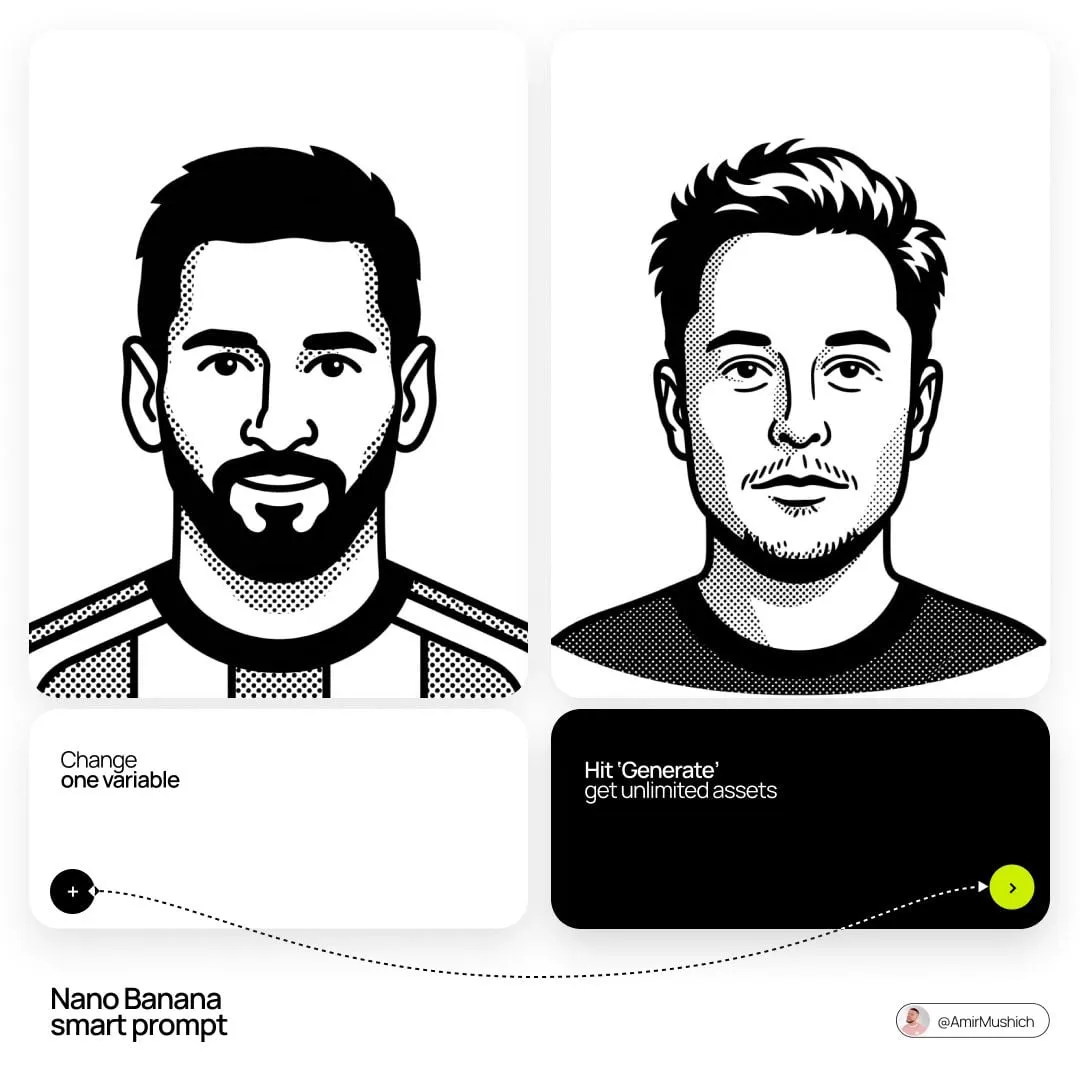
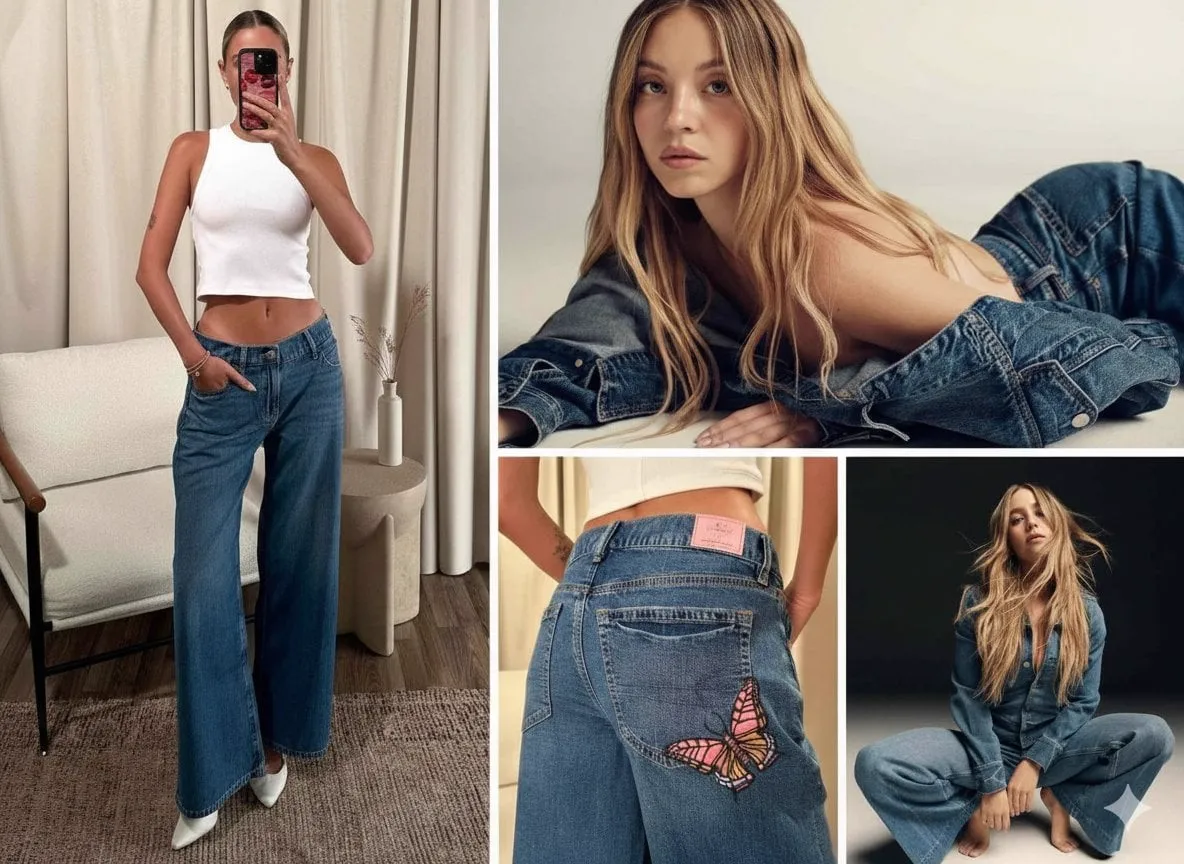
Free AI generators stopped being toys a while ago. Today you can produce a full set of product visuals, a short vertical ad, or a storyboard for a client pitch without paying a subscription, provided you understand where free tiers end and how to work around their limits. The catch is that free access, watermark-free exports, and commercial rights are three separate things, and most tool roundups blur them into one promise. This guide pulls them apart, then walks through a repeatable workflow for getting clean, usable output from free tools.
Why Watermark-Free Output Matters More Than You Think
A watermark is not just a logo in the corner. It is visual debt. Every frame carrying an overlay tells the viewer that the work is unfinished, borrowed, or provisional. That matters in three places: client deliverables, paid ad placements, and any content where trust is part of the message, such as education, health, or finance.
There is also a practical problem. Watermarks sit on top of the composition, so they survive cropping more often than people expect. A bottom-right badge can usually be cropped out of a square social post, but not out of a 9:16 story where the badge is inside the safe zone. Design around the badge, and you lose composition control.
What Free Really Means in Practice
The word free covers at least three different arrangements:
- Free forever with a watermark. Unlimited generation, but every export is branded.
- Free with a daily cap and no watermark. A fixed number of generations per day, full-quality export, often with commercial use permitted under conditions.
- Free trial or preview window. Full features for a short period, then a hard stop.
Only the second category is genuinely useful for production work. Always check which one you are signing up for before you invest an afternoon of prompting.
The Trade-offs You Cannot Avoid
Free access is never free of constraints. Expect some combination of queue times, resolution ceilings, clip length limits, inconsistent character identity across shots, and slower iteration. The goal is not to pretend those limits do not exist. The goal is to design a workflow where they do not block delivery. A five-second clip limit is fine if you are building a montage. A 1080p ceiling is fine if your final destination is a mobile feed. Match the constraint to the deliverable, not the other way around.
How Free Tiers Actually Work
Understanding the mechanics of a free tier saves more time than any prompt trick.
Daily Allowances, Queues, and Priority
Most platforms meter usage in one of two ways: a number of generations per day, or a pool of processing time. Image models often give you dozens of stills per day; video models usually give you a handful of clips. When you run out, you either wait for the reset or switch tools. Because of that, treat free video generation as a scarce resource and spend it on the shots that matter.
Queues behave predictably too. Off-peak hours clear faster. Requests that are queued rather than instant often complete in a few minutes, which means you can draft prompts, queue several jobs, and work on something else while they render.
Resolution and Duration Ceilings
Typical free ceilings look like this: stills at 1024x1024 or 1024x1792, video at 720p with clips between three and ten seconds, and occasional frame-rate throttling. None of these are fatal. A carefully composed 720p clip that is upscaled and lightly sharpened reads better on a phone than a noisy 1080p render with warped motion.
Licensing: The Clause Nobody Reads
The question to answer before you publish anything is simple: can you use this output commercially, and what attribution, if any, is required? Some free tiers permit personal use only. Some permit commercial use with conditions. Some permit it entirely. This has nothing to do with whether a watermark appears.
A Five-Minute Audit Before You Commit
Run this checklist on any new tool:
- Does the free tier export without a watermark?
- What is the daily or monthly generation limit?
- What resolution and clip length do you get?
- Is commercial use permitted, and under what conditions?
- Can you delete your generations, and who owns the output?
- Does it support image-to-video, or text only?
- Is there a style or character consistency feature?
- How fast is the queue at your usual working hours?
The Free Tool Landscape, Grouped by What You Need
Tool lists age badly. Grouping by capability does not. Here is how the free tier of the market breaks down.
Image-First Tools With Light Video Features
These are the workhorses. They give generous still-image allowances, strong prompt adherence, and often a small image-to-video function that animates a still for a few seconds. The animation quality is usually modest, but for subtle motion such as drifting clouds, a slow push-in, or a blinking portrait, it is often enough. Use these tools for thumbnails, product mockups, blog headers, and storyboard frames.
Video-First Tools With Real Free Tiers
Video-first platforms give you fewer generations but better motion. On free tiers you will typically see limits on clip duration, resolution, or simultaneous jobs. The smart play is to use them for hero shots, the two or three seconds that carry a concept, and to fill everything else with stills, motion graphics, or animated images from the cheaper tools.
Open-Source Models Behind Free Web Interfaces
Several capable open models run behind free browser interfaces, which means you get strong output without installing anything. Stable Diffusion family models, Flux variants, and open video models such as those in the AnimateDiff and LTX-Video families all have hosted front ends. If you are willing to install software locally, interfaces like ComfyUI, Automatic1111, and Fooocus give you total control over resolution, sampling, and post-processing, and they never stamp a watermark because there is no vendor in the loop.
Specialists Worth Knowing
No single tool does everything well. Keep a small bench of specialists: an upscaler for enlarging stills, a background remover for product cutouts, a lip-sync tool for talking-head clips, and a text-to-speech voice tool for narration. Each has a free tier that covers light use, and combining them is how free workflows reach professional-looking results.
A Watermark-Free Workflow From Prompt to Export
Here is a sequence that works whether you are producing one image or a ten-clip campaign.
Step 1: Define the Deliverable First
Write down the aspect ratio, the final pixel size, the intended platform, and the number of assets. A 9:16 vertical at 1080x1920 for a mobile feed implies different choices than a 16:9 hero image for a website. Deciding this first prevents you from generating beautiful square images that you then have to crop badly.
Step 2: Draft Wide, Refine Narrow
Start with a batch of six to ten quick variations at low effort. Do not polish anything yet. Pick the two compositions with the strongest structure, then re-run those with more detail, better lighting language, and a locked style descriptor. Narrowing after a wide draft is faster than trying to fix one bad image.
Step 3: Fix at the Right Layer
If a still is wrong, fix it as a still. Do not generate a video from a flawed frame and hope motion hides the problem. Motion amplifies errors: a warped hand becomes a flapping hand, a strange eye becomes a twitching eye. Get the frame right first, then animate.
Step 4: Upscale, Clean, and Composite
Run the chosen still through an upscaler at two times scale, then apply light denoising and sharpening. For video, upscale after generation, not before. If you need a clean plate, remove the subject's background separately and composite. This layer-by-layer approach is what separates a flat AI look from something that reads as intentional design.
Step 5: Verify the Export
Before you send anything, confirm:
- No overlay, badge, or corner mark is present.
- The resolution matches the target platform.
- Frame rate and audio sync are correct for video.
- Alpha channels and transparency survived export where needed.
- File size is within the platform upload limit.
Quality Control: What to Check Before You Publish
Still Images
Look at hands, ears, teeth, and jewelry first. Then check perspective: does the horizon line hold, do shadows fall in one consistent direction, and do reflections behave? Finally, check texture repetition. AI models love to repeat a pattern of leaves, bricks, or fabric folds, and that repetition is the most common tell.
Video Clips
Watch a clip three times at normal speed and once frame by frame. Check for temporal flicker, where the whole image brightness pulses; morphing, where a face or object changes shape between frames; and camera drift, where the scene slowly slides in a direction you did not ask for. Clips that fail on the first viewing rarely survive a second.
Text and Logos in Generated Frames
Generated text is still unreliable. The safest approach is to generate a clean plate with no lettering and add typography afterward in an editor. This also guarantees sharp type at any resolution and avoids the smeared letterforms that show up in free-tier renders.
Commercial Use, Licensing, and the Watermark Myth
This is where most people get into trouble.
Watermark Removal Is Not a License
A watermark-free export means the file is clean. It says nothing about whether you may sell the result, use it in a paid ad, or claim authorship. Those questions are answered by the terms of service and by the license attached to the underlying model. Two tools can both export clean files while one permits commercial use and the other does not.
Model Licenses in Plain Language
Open models fall into roughly three buckets: permissive licenses that allow commercial use, community licenses that allow commercial use below a usage or revenue threshold, and research-only licenses that prohibit commercial use entirely. If you are building anything client-facing, check which bucket your chosen model sits in. Hosted free tiers usually absorb this complexity, but not always.
What to Keep in Your Records
Keep a simple log per project: tool name, model name if visible, date, prompt, and a screenshot of the terms summary. This takes two minutes and protects you when a client asks where an asset came from. It also makes it easy to reproduce an approved look months later.
Mistakes That Waste Hours
- Chasing one perfect prompt instead of batching variations.
- Generating at final resolution before the composition is settled.
- Ignoring aspect ratio until export time.
- Assuming watermark-free means commercial-safe.
- Using a video model for a static shot that a still plus a slow zoom would nail.
- Forgetting to lock character descriptors, then wondering why the face changes every clip.
- Skipping upscaling and then blaming the model for soft output.
- Burning a whole day's allowance on test renders with no deliverable in mind.
A Sample Production Week on Free Tools
A realistic rhythm for a small campaign, using only free tiers:
Monday. Brief and reference gathering. Collect six to ten reference images, write the style descriptor once, and reuse it everywhere.
Tuesday. Still-image draft batch: thirty to forty low-effort variations across the three key compositions. Shortlist nine.
Wednesday. Refine the shortlist at higher effort. Upscale the final six. Export clean plates.
Thursday. Queue the two hero video shots on a video-first tool. While those render, animate three secondary stills with a lighter image-to-video tool.
Friday. Composite, add typography, mix audio or narration, and verify every export against the checklist. Keep the delivery folder organized by format.
If a queue stalls or a daily allowance runs dry, the fallback is already in place: stills plus motion graphics carry the message, and the hero clip is a bonus rather than a dependency.
FAQ
Are free AI generators actually usable for client work?
Yes, if you verify the license and control quality at each layer. The limiting factor is usually consistency across shots, not raw output quality.
Can I remove a watermark from a free export by cropping?
You can sometimes crop it out, but that damages composition and does not change the license. Choose a tier that exports clean files instead.
Which is better to start with, image or video tools?
Images. They are cheaper to generate, faster to iterate, and give you clean frames to animate later. Mastering stills first makes everything downstream easier.
Do open-source models produce worse results?
Not inherently. They often match or beat hosted models on specific styles, but they demand more setup and tuning. Hosted free tiers trade control for convenience.
How do I keep a consistent character across clips?
Fix a detailed description of the face, hair, clothing, and lighting, save it as a reusable preset, and always generate stills before animating them. Reuse the same seed or reference image when the tool supports it.
What about audio and voice?
Most free video tools do not include narration. Generate voice separately, or record it yourself, then sync in an editor. It sounds more natural and avoids audio artifacts.
Key Takeaways
- Free access, watermark-free export, and commercial rights are three different things. Confirm all three.
- Design your workflow around the constraints of free tiers instead of fighting them.
- Draft wide at low effort, then refine a shortlist at high effort.
- Fix problems at the still-image layer before animating.
- Upscale after generation and composite in layers for a cleaner finish.
- Keep a simple license and prompt log for every project.
- Build a small bench of specialist tools instead of expecting one app to do everything.
Free AI generation rewards process more than raw model power. Pick two image tools and one video tool, learn their ceilings, and build a repeatable pipeline around them. The output will look deliberate, export cleanly, and keep you out of licensing trouble, which is what actually separates a hobby experiment from production work.
