
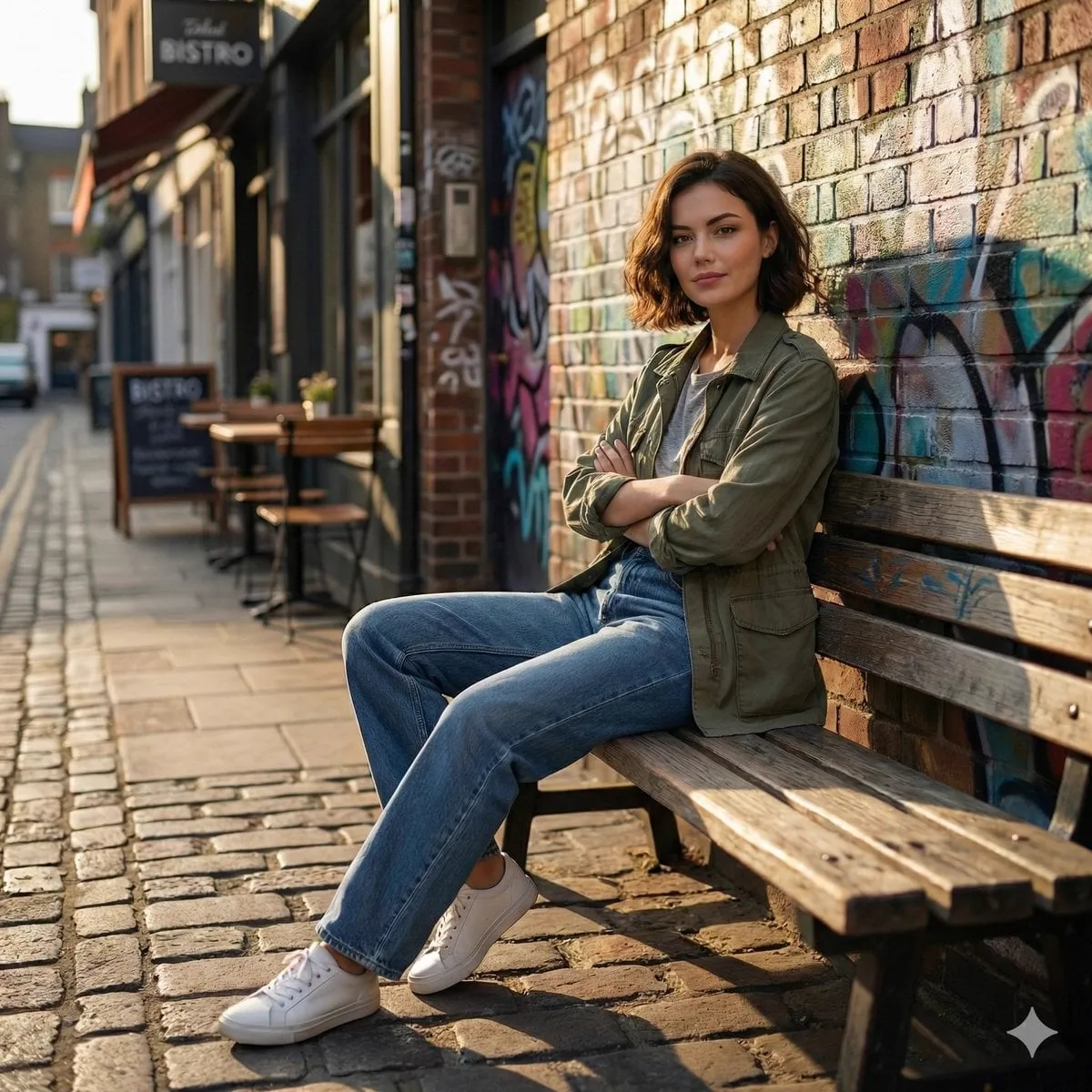
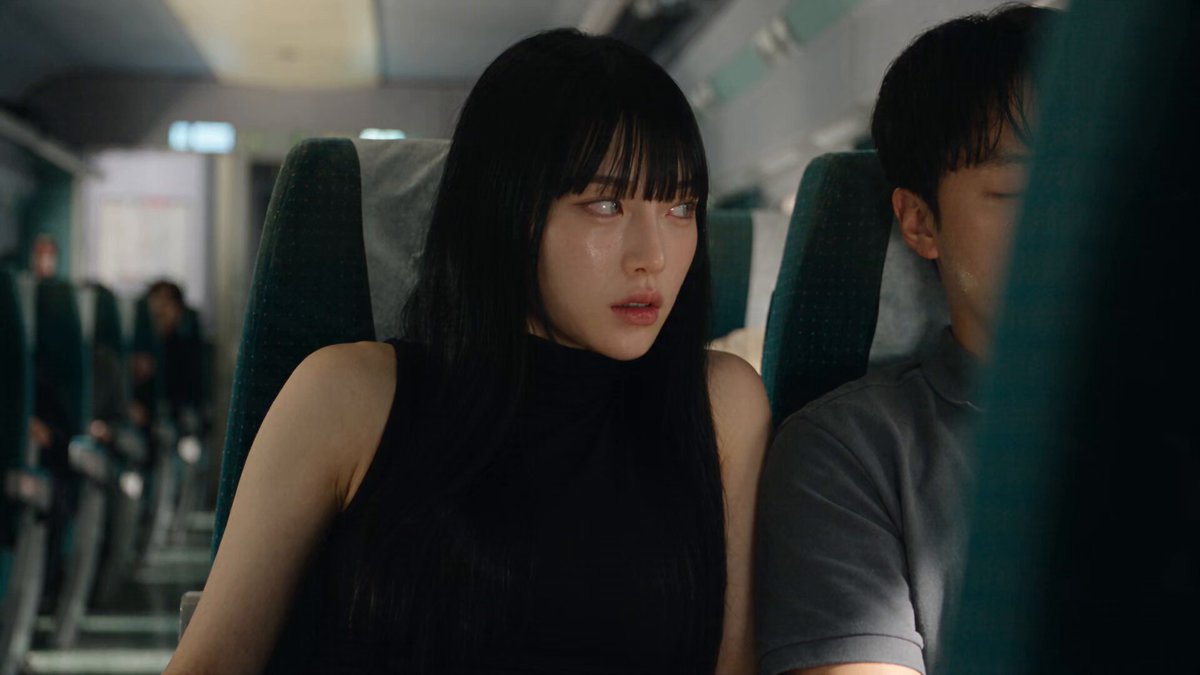
Why Turkish-Language AI Video Deserves Its Own Production Playbook
Turkish is spoken by more than 80 million people, and the audience for Turkish-language video is not limited to Turkey. Large communities in Germany, the Netherlands, France, Austria, and beyond consume Turkish content daily. That creates a rare combination: a big, loyal, and chronically underserved audience. Global platforms often treat Turkish as a second-tier localization, which means auto-dubbed and auto-captioned material regularly arrives with broken prosody, mangled characters, and translated idioms that no native speaker would ever say. Viewers notice within seconds, and they scroll.
Most AI video tools were designed around English-first prompts and English-first training data. That does not make them unusable in Turkish, but it does change how you work with them. You need a pipeline that compensates for weaker language handling, and you need to know which stages — script, visuals, voice, subtitles — are safe to automate and which need a human pass.
This guide covers the practical side of building Turkish-language videos with free and low-cost AI tools: what 'free' actually buys you, how to test Turkish support before you invest hours, which tool categories to combine, and a repeatable production workflow you can run on an ordinary laptop.
What 'Free' Really Means in AI Video Tooling
The word free covers at least four different business models, and confusing them wastes entire afternoons.
Ad-supported generators
These give you a small daily allowance, usually a handful of short clips, with a visible watermark and standard resolution. They are excellent for testing prompt behavior and rough storyboards, and painful for anything client-facing.
Time-limited trials
Full quality, no watermark, but the clock starts the moment you sign in. If your goal is testing Turkish voice quality, spend the whole trial window on that single task instead of exploring menus.
Open-weight models you run yourself
No subscription and no queue, but you pay in GPU time or electricity. A mid-range consumer card with 8–12 GB of VRAM can handle short, low-resolution image-to-video jobs. Longer clips or higher resolution need more headroom or a rented cloud instance.
Freemium editors with AI features inside
Captioning, background removal, upscaling, and noise cleanup are often free or nearly free inside general-purpose editors. This is where most Turkish creators should start, because these features solve real problems without touching any generation allowance.
Two constraints appear in every free tier: the generation allowance and the output quality ceiling. Plan around both. A useful habit is to treat the free tier as a pre-production tool and a paid or self-hosted route as the finishing tool.
Licenses, watermarks, and commercial use
Check three things before publishing anything: whether the output is licensed for commercial use, whether the watermark can legally be removed, and whether your prompts and uploads are used for model training. If you are producing for a brand, write these answers down. Nothing derails a campaign faster than discovering, after delivery, that a platform claims broad rights over your uploads.
Testing Turkish Support Before You Commit
Do not assume a model supports Turkish because a landing page lists the language. Run a short test suite. Twenty minutes of testing saves days of rework.
Prompt comprehension
Write the same request in Turkish and English and compare the results:
- Turkish:
İstanbul Boğazı'nda gün batımında yürüyen bir kadın, sinematik, yavaş kamera hareketi, sıcak tonlar - English:
A woman walking along the Bosphorus at sunset, cinematic, slow camera move, warm tones
If the Turkish version returns a static image, ignores the camera instruction, or invents unrelated content, the model is probably routing your prompt through a weaker internal translation path. You can work around this by writing generation prompts in English while keeping Turkish for everything the viewer actually hears or reads.
Watch for three specific failure patterns: agglutinative suffixes getting dropped, negation flipping (yürüme misread as yürü), and place names replaced with generic scenery.
Text rendering on screen
Turkish uses characters that trip up image and video generators: ı, İ, ş, ğ, ü, ö, ç. Ask for a title card reading Şişli'de Bir Gün and inspect the result letter by letter. Many models render ş as s, or produce a plausible-looking but incorrect glyph. If the model fails, generate text-free backgrounds and add typography in a normal editor — it is faster and always correct.
Voice and dubbing quality
Synthetic Turkish speech has improved enormously, but quality varies in three dimensions: pronunciation of loanwords, sentence-level intonation, and handling of suffixes that change meaning. Test with a paragraph that includes numbers, dates, and a proper noun. Good Turkish text-to-speech reads a year like 2020'de naturally; weak systems flatten it into something no native speaker would say.
Also test dubbing rather than only plain narration. Dubbing must respect timing. Turkish sentences are frequently longer than their English equivalents, so a lip-synced dub can end up rushed. If the tool lets you adjust tempo per segment, use it.
Subtitle and transcription accuracy
Automatic Turkish captions are usually usable for clear studio audio and unreliable for street interviews or overlapping speech. Always proofread proper nouns, and confirm that the captioning tool does not strip diacritics. Ş becoming S is a small error that makes an entire video feel careless.
The Tool Categories and What Each One Is Good At
Free AI video work is rarely a single tool. It is a small stack, and each layer has a different job.
Text-to-video generators
Best for establishing shots, abstract sequences, and B-roll where exact identity does not matter. Strengths: speed, variety, and increasingly convincing physics. Weaknesses: on-screen text, consistent characters, and precise camera control. Use them for atmosphere, not for hero shots.
Image-to-video and reference-driven models
Best for consistency. If you first create a strong still image of your subject — in a photo editor or with an image model — and then animate it, you keep the visual identity and gain motion. This is the single most reliable trick on a free tier, because still generation is cheaper and far more controllable than video generation.
Avatar and talking-head platforms
Best for explainers, tutorials, and news-style segments. You get dependable framing and lip sync at the cost of visual sameness. Turkish pronunciation in avatar voices has improved, but check emphasis on questions; flat intonation makes a tutorial feel robotic and viewers drop off.
Captioning, cleanup, and audio tools
Best value on the list, and frequently free. Automatic captions, background noise removal, loudness normalization, and silence trimming do more for perceived production value than a fancier generator would. If you only have one hour, spend it here.
Music and sound design
Royalty-free libraries with permissive licenses are abundant. Turkish-language content often benefits from regional instruments and rhythms, but keep music low in the mix so speech stays intelligible on phone speakers.
A Repeatable Workflow for a Turkish-Language Video
Here is a workflow that fits a single creator working on a laptop, end to end.
Step 1: Write the script for the ear
Read every sentence aloud. Turkish is agglutinative, so written sentences can become tongue-twisters. Shorten clauses, replace nominalizations with verbs, and avoid stacking three suffixes on one word. If a sentence is hard to say, it will be hard to hear.
Step 2: Build a shot list with durations
List every shot with a target length in seconds. Free tiers give you short clips, so design around 4–8 second shots and stitch them. A 90-second video might be 14–20 shots. This is a strength rather than a compromise: frequent cuts hold attention.
Step 3: Write bilingual prompts
Use English prompts for generation when the model is stronger in English, but keep a Turkish version beside each one for your own reference and for review by a client or collaborator. Keep a prompt log with seed values so you can reproduce a good result later instead of hunting for it again.
Step 4: Generate coverage, not perfection
Free tiers reward volume over precision. Generate several variations of each shot, pick the best, and move on. Do not spend an hour chasing one perfect clip when three acceptable clips would let you finish the edit today.
Step 5: Voice first, then subtitles
Record or synthesize the voice track first, then time your visuals to the audio. Doing it in the other order leads to stretched footage and awkward pauses. After that, generate captions from the final audio file rather than from your script, so the subtitles match what is actually spoken.
Step 6: Assemble, mix, and export variants
Assemble in any editor, normalize loudness to roughly -14 LUFS for social platforms, and export a vertical version alongside the horizontal one. Vertical-first publishing reaches more people in Turkish social feeds.
Character Consistency and Style Control on Free Tiers
Character consistency is the hardest problem in AI video, and free tiers make it harder because you cannot brute-force it with dozens of attempts.
Practical tactics that work without paid features:
- Lock a single reference image for your character and reuse it in every image-to-video job.
- Describe the character the same way in every prompt, in the same word order. Consistent wording produces consistent output.
- Keep clothing simple and avoid busy patterns, which flicker between frames.
- Prefer medium shots over close-ups. Faces degrade faster than bodies at low resolution.
- Accept a style shift for inserts and cutaways. Audiences forgive a different look for B-roll but not for the main character.
- Unify clips from different models with one color grade in the editor. A single look-up table hides a surprising amount of inconsistency.
For style control, name a concrete aesthetic rather than an abstract adjective. 'Warm 35mm film look, soft grain, shallow depth of field' steers a model far better than 'beautiful'.
Hardware, Cost, and the Hybrid Route
If you already own a recent GPU, self-hosted image-to-video models are the cheapest way to iterate because you stop counting generations. The trade-off is setup time and troubleshooting.
If you do not, the hybrid route is usually smartest: use free tiers for exploration and still images, pay for a short burst of video generation when a project has a deadline, and do all editing locally. One month of a paid plan often costs less than the value of the hours you would lose fighting a queue.
Budget in three buckets: generation, voice, and editing. Editing is where the least money and the most quality live.
Mistakes That Sink Free-Tier Projects
- Generating before scripting. You end up with beautiful clips and nothing to say.
- Trusting on-screen text from a generator. Always add Turkish typography in the editor.
- Ignoring the length of spoken Turkish. Dubs and narration run long; plan for it in the shot list.
- Mixing aspect ratios mid-project. Decide vertical or horizontal at the storyboard stage.
- Skipping audio cleanup. Muddy audio reads as amateur far faster than simple visuals.
- Publishing without checking licenses. Free tiers frequently restrict commercial use.
- Chasing a single perfect shot. Coverage beats perfection every time.
- Forgetting captions. Many viewers watch muted, and accurate Turkish captions dramatically widen reach.
A Decision Checklist Before You Pick Your Stack
Ask these questions in order and the choice usually makes itself:
- Does the tool render Turkish characters correctly in text overlays?
- Can the voice engine pronounce your brand name and key terms acceptably?
- Is commercial use permitted on the tier you plan to use?
- How many clips per day can you generate, and is the queue tolerable during your working hours?
- Can you export without a watermark, even at lower resolution?
- Does the tool let you supply a reference image for consistency?
- Is there an API or batch mode in case you scale later?
- What is the exit path? Can you export project files, or at least all your assets?
FAQ
Is it realistic to produce a full Turkish-language video for free?
Yes, if you keep it short and accept lower resolution. A 60–90 second vertical video built from image-to-video clips, synthesized narration, free captions, and local editing is entirely achievable without paying anything.
Should I write prompts in Turkish or English?
Test both. Many models produce better results from English prompts while still handling Turkish text that you add later in the editor. Never accept degraded output just to keep everything in one language.
Why does on-screen Turkish text look wrong so often?
Generators treat text as texture rather than typography, and Turkish characters such as ş, ğ, and ı are rarer in training data. Add text in an editor instead.
How do I keep the same character across clips?
Use one locked reference image, repeat identical character wording in every prompt, keep wardrobe simple, and unify the final look with a single color grade.
Are AI voices good enough for Turkish narration?
For narration and explainers, yes. For emotional storytelling, record a human. The gap is smallest in neutral, informative delivery.
Subtitles: automatic or manual?
Automatic first, then a manual proofread. Check diacritics and proper nouns, which are exactly where automatic Turkish captions fail most.
Do free tools let me publish commercially?
Sometimes, sometimes with attribution required, and sometimes not at all. Read the terms for the specific tier you are using before you publish for a client.
Bringing It Together
The Turkish-language AI video opportunity is not about finding one magic free tool. It is about building a small, repeatable pipeline: script for the ear, storyboard in short shots, use image-to-video for consistency, synthesize or record clean narration, caption carefully, and finish in an editor where you control typography and sound. Free tiers can carry most of that load. What they cannot do is compensate for a weak plan — and that part is entirely in your hands.
