

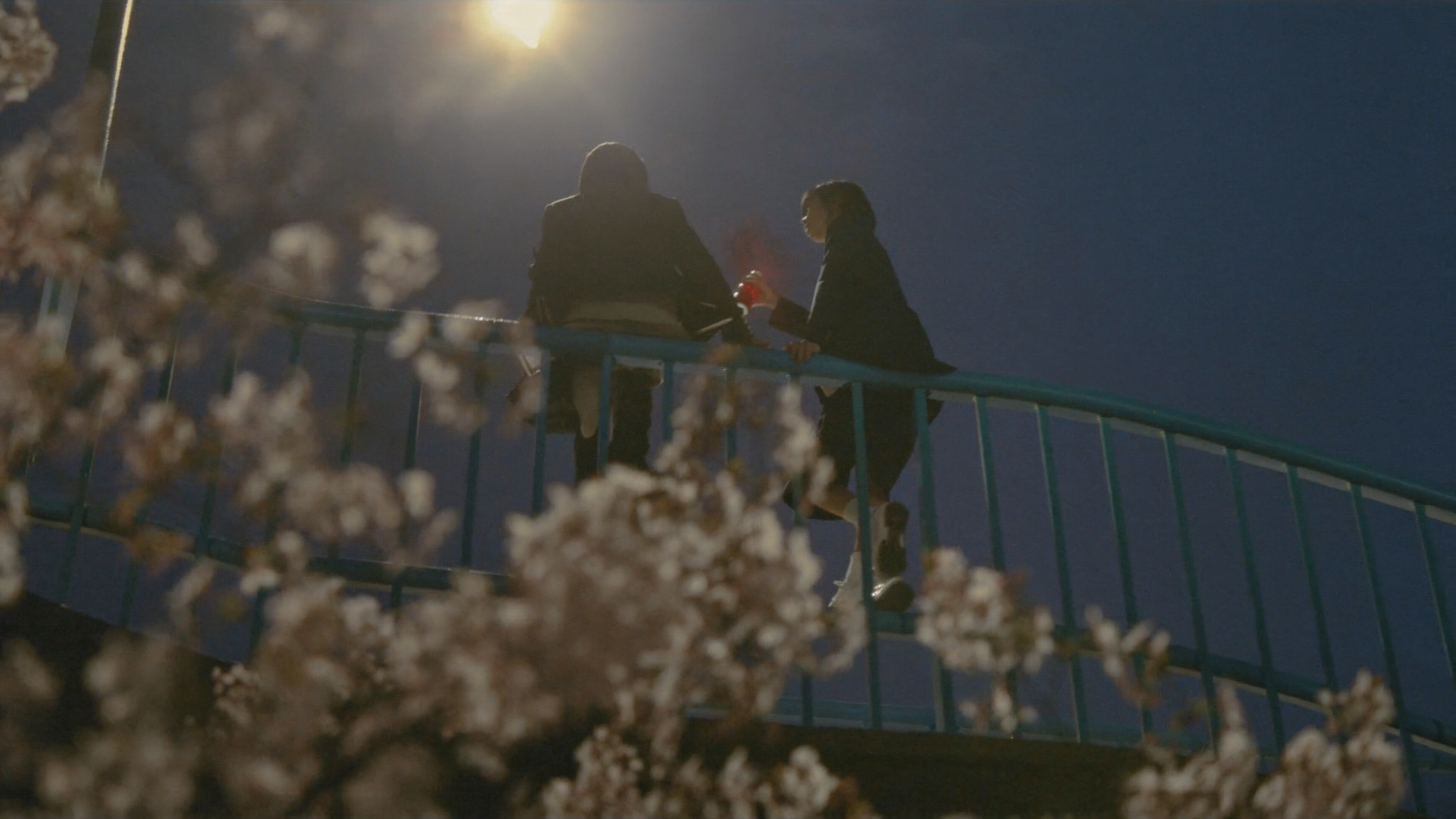

The New Idea-to-Film Timeline
A decade ago, the distance between an idea for a short film and a finished short film was measured in months and in favors. You needed a camera, a crew, a location, a cast, a composer, and enough patience to sit through three rounds of reshoots. Today the same distance can be covered by one person in a weekend, not because the craft disappeared, but because the expensive parts of the process became cheap to iterate.
That shift matters more than any single model release. What changed is the cost of being wrong. Concept art that once took a week now takes minutes. Previz that once required a storyboard artist can be generated, reviewed, and discarded before lunch. A shot that does not work can be regenerated instead of rescheduled. When iteration is nearly free, the bottleneck moves: it stops being production capacity and becomes decision-making.
AI video tools are not magic. They are weak at narrative logic, unreliable at continuity, and completely indifferent to whether your ending lands. What they are excellent at is producing plausible motion, texture, and light, which happens to be the raw material that used to be the most expensive thing to capture. The job of the filmmaker now is to supply structure, taste, and rhythm around that raw material.
The Five-Stage AI Short Film Pipeline
Most successful AI-assisted short films follow the same five stages, regardless of genre or tool stack.
| Stage | Output | Typical effort |
|---|---|---|
| 1. Premise | Logline, beats, one-page treatment | 1 to 2 hours |
| 2. Board | Shot list, look development, reference frames | 2 to 4 hours |
| 3. Generate | 30 to 60 clips, 3 to 8 seconds each | 4 to 8 hours |
| 4. Assemble | Rough cut, pacing pass, temp sound | 3 to 5 hours |
| 5. Finish | Sound design, grade, captions, export | 2 to 4 hours |
The stages are ordered, but the work is not strictly linear. You will loop back from generation to boarding when a shot refuses to cooperate, and from assembly to generation when a cut needs a bridge. The value of naming the stages is that they tell you where you are and what done looks like at each point.
One rule saves enormous time: never generate before the shot list is locked. Generating without a plan produces beautiful footage that does not cut together.
From Rough Idea to Locked Premise
The first stage is the one people skip, and it is the one that determines everything downstream.
Start with a logline in a single sentence that includes a character, a want, an obstacle, and a turn. Weak: a man discovers something strange in the woods. Workable: a widowed forester tracking a wounded deer finds a cairn of letters addressed to him in his late wife's handwriting. The second version hands you locations, props, emotional stakes, and a visual motif, all of which make later prompting easier.
Build the beat sheet before the script
Short films usually run three to ten minutes. That is roughly five to nine beats. Write them as one line each: setup, inciting incident, first attempt, complication, reversal, climax, resolution. For a two-minute vertical piece, three beats may be enough: hook, escalation, payoff.
Resist the urge to write full dialogue. Most generated footage cannot carry long dialogue scenes convincingly, and short films rarely need them. Dialogue-heavy premises should be adapted into visual ones. An argument becomes a slammed door, a crumpled letter, a phone left face down on a table.
Pressure-test the premise
This is where a language model earns its place. Ask it to argue against your premise: what is confusing, what is unmotivated, what is generic. Ask for three alternative endings and pick none of them. The exercise usually reveals which one your instinct already favored.
Useful prompt patterns:
- List five visual ways to show grief without dialogue or crying.
- What information does the audience need before the final shot to make it land?
- Rewrite this beat so it happens in one location with one character.
Keep the output short. You are looking for friction, not for a co-writer.
Storyboards, Shot Lists, and Look Development
Paper is still the fastest previz tool on earth. Sketch rough frames, or generate stills if you cannot draw, but commit to a shot list before generating any motion.
A shot list that survives contact with AI tools
Columns: shot number, subject, shot size (wide, medium, close), camera move, action, duration, audio, and notes. For AI work, add two columns that matter more than usual. The first is reference frame, meaning the still image you will animate. The second is continuity anchor, meaning what must stay identical across shots: wardrobe, props, time of day, weather.
Keep individual shots short. Three to six seconds is the sweet spot for most current models: long enough to read, short enough that drift stays invisible. Short films cut fast anyway, and a nine-second static generated shot is usually a sign of a slow edit rather than a strong shot.
Look development in an afternoon
Create a reference board with eight to twelve images that share a palette, contrast curve, and texture. Then convert that board into a reusable style description: lens choice, lighting direction, film stock, grain level, color temperature.
Write it once as a phrase you append to every prompt, for example: shot on 35mm, shallow depth of field, warm practical lighting, visible grain, muted teal and amber palette. Reusing the same style string across every shot is the cheapest consistency trick available.
Generating Footage: Prompt Modes and When to Use Each
There are three practical generation modes, and choosing the wrong one wastes more time than any other mistake in this pipeline.
Text-to-video
Best for establishing shots, atmosphere, B-roll, and anything without a specific recurring subject. It offers maximum surprise and minimum control. That is useful during early exploration and risky inside a locked sequence.
Image-to-video
The workhorse mode. Take a locked frame from your board, or a still generated to match your look, and animate it. Because composition, color, and subject are already decided, motion becomes the only variable. Most finished shots should come from here.
Video-to-video
Use it to restyle existing footage, repair a shot that almost works, or unify clips captured under different conditions. It is also the fastest way to add grain and texture to a generation that looks too clean.
The anatomy of a video prompt
A reliable prompt has six parts: subject, action, camera, lens and framing, lighting, and finish. For example: an elderly fisherman in a wool sweater pulls a glass bottle from the surf, camera slow push-in from a low angle, 50mm lens, shallow depth of field, cold dawn light with soft haze and backlit spray, 35mm grain, muted color, no music.
Note what is absent: no paragraphs of backstory, no emotional instructions the model cannot render, no contradictory adjectives. Add a negative prompt for artifacts you keep seeing, such as extra fingers, text overlays, warped faces, or jittery motion.
Consistency, Keyframes, and Temporal Control
Character and scene drift is the defining technical problem of AI short film production. Solutions, roughly in order of effectiveness:
- Lock a reference image per character and per location, and use it in every shot that features them.
- Keep clips short and cut on movement so the eye never has time to compare details.
- Avoid showing the same face in two consecutive shots from different angles unless the likeness is genuinely stable.
- Use first-and-last-frame keyframing when a shot must begin and end at specific compositions. Match cuts, transitions, and reveals benefit most.
- Fix small problems in the edit instead of regenerating: add a cutaway, deepen a shadow, bring a hand into frame.
Designing around model weaknesses
The most common failure is a character walking toward camera for several seconds. Faces distort, limbs multiply, and the shot becomes unusable. Block scenes so motion is lateral, partially obscured, or moving away from the lens. Silhouettes, reflections, and hands-only shots are not merely stylistic choices. They are reliability choices, and they often look better than a clean frontal shot would.
Editing, Sound, and Final Delivery
Bring generated clips into a conventional editor. AI generation does not replace editing. It makes editing the most important remaining craft step.
Sequence of work: paper edit from the shot list, assembly in story order using the best take of each shot, a pacing pass where you remove anything that does not advance the beat, then a sound pass.
Sound carries AI footage
The biggest quality jump available to an AI-assisted film is a real soundtrack. Room tone under every scene. Foley for footsteps, cloth, doors, water. One sustained musical element rather than a busy score. If a voice is needed, record it with a real microphone. Even a phone mic in a quiet room outperforms most synthetic dialogue.
Unifying the look
Generated clips rarely match perfectly in color. Apply one grade across the entire timeline: a light LUT or manual curve, a subtle grain overlay, and a touch of diffusion or bloom to soften the digital edge. Consistency of grade reads as consistency of production.
Export
Generate at the highest resolution your tools support and downscale at export. Deliver 16:9 for festivals and long-form platforms, 9:16 for social feeds, but decide before the board stage, because reframing later costs a full generation pass. Burn in captions or supply sidecar files, since most feeds autoplay muted.
Choosing Tools: Decision Criteria That Actually Matter
Feature lists are marketing. These are the criteria that change your working day:
- Duration per clip. Anything under five seconds forces constant stitching. Longer is not automatically better, but it reduces edit complexity.
- Control surfaces. Can you specify camera move, first frame, last frame, and motion strength? Control beats realism for narrative work.
- Consistency tools. Subject references, style references, and seed locking are worth more than a marginal bump in visual fidelity.
- Aspect ratio support. Native vertical generation saves a lot of reframing.
- Usage terms. Check commercial permissions, disclosure requirements, and whether outputs can be used in client work.
- Throughput. Queue times matter more than raw generation speed. If a shot takes ten minutes to render, plan your day in parallel batches.
- Export and integration. Clean codecs, alpha channel support where relevant, and a sane file naming system.
A hybrid stack is normal. One model for photoreal nature and texture, another for stylized or animated looks, a third for close-up faces. Test each candidate on the same three shots, a wide establishing shot, a medium action shot, and a close-up with a face, and compare before committing to it for a whole project.
Common Mistakes and Time Budgets
- Generating before the shot list is locked. The most expensive mistake, because it produces footage you cannot cut.
- Chasing long takes. Ten-second generations almost always contain a moment of collapse. Cut earlier.
- Ignoring sound until the end. Sound is half the film and cannot be bolted on at the last minute.
- No locked look. Every shot with a different style string produces a slideshow, not a film.
- Regenerating instead of editing. A cutaway fixes more problems than a fourth render of the same shot.
- Over-scripting dialogue. Write pictures, not speeches.
- No continuity anchor list. Wardrobe and props drift between shots when nobody wrote them down.
- Forgetting vertical. Decide format at the board stage, not at export.
A realistic weekend schedule for a three-minute short: one hour on premise, two on the shot list, one on look development, four to six on generation, three on assembly, three on sound, one on grade and export. If generation is running long, the problem is usually the shot list, not the model.
FAQ: Practical Questions About AI Short Film Production
How long should each generated shot be? Plan for three to six seconds and cut on motion. If a shot needs to be longer, break it into two shots separated by a cutaway or a different angle.
Can AI-generated footage be used for client work? Often yes, but check the specific tool's terms for commercial use, disclosure, and restrictions on depicting real people. Keep a record of which tool generated which shot.
Should I disclose that AI was used? Increasingly, platforms and clients expect it. A simple line in the description or an end card is usually sufficient, and it protects you if rules change later.
How do I fix flicker and pulsing? Shorter clips, a fixed seed, one style string, and a grain overlay during grading. A video-to-video pass can also smooth inconsistency across a sequence.
Can AI handle dialogue scenes? Poorly compared with live action. Design around it: use voice-over, off-screen sound, or capture real performance and use generation for everything else.
What is the minimum viable setup? A laptop, one image generator, one video generator, an editor, and a decent microphone. Everything else is optimization.
Do I still need a script? You need structure: a logline, beats, and a shot list. A full screenplay is optional for short, largely visual work.
How many attempts should I plan per usable shot? Budget three to six. Plan storage and naming conventions accordingly, because hundreds of clips accumulate quickly.
The tools will keep changing, and the model that feels indispensable this season will look dated soon. The workflow does not change: decide what the film is about, board it, generate only what the board requires, cut for rhythm, and treat sound as seriously as image. Do that and the technology stays where it belongs, in service of the story you were going to tell anyway.
