
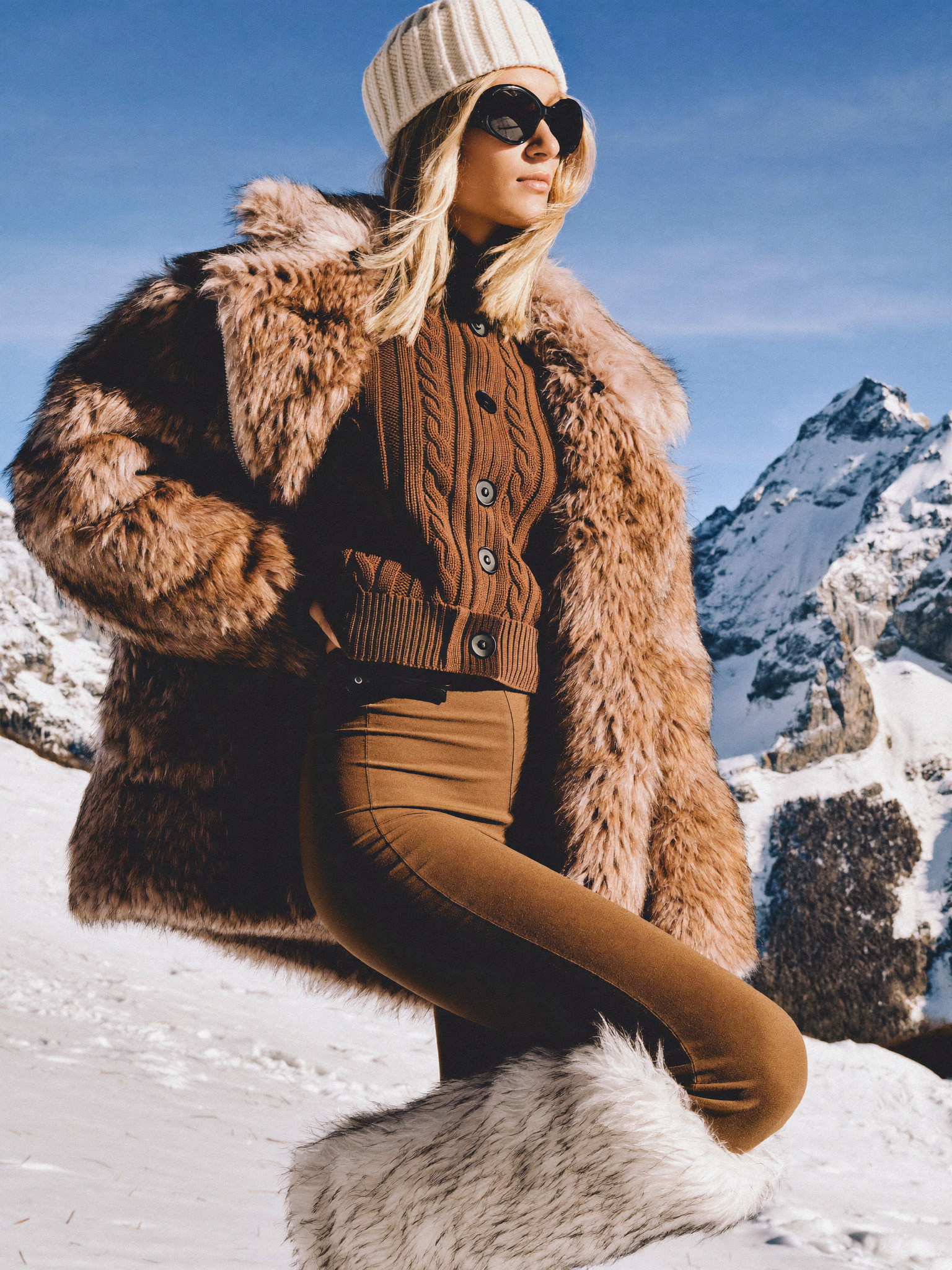
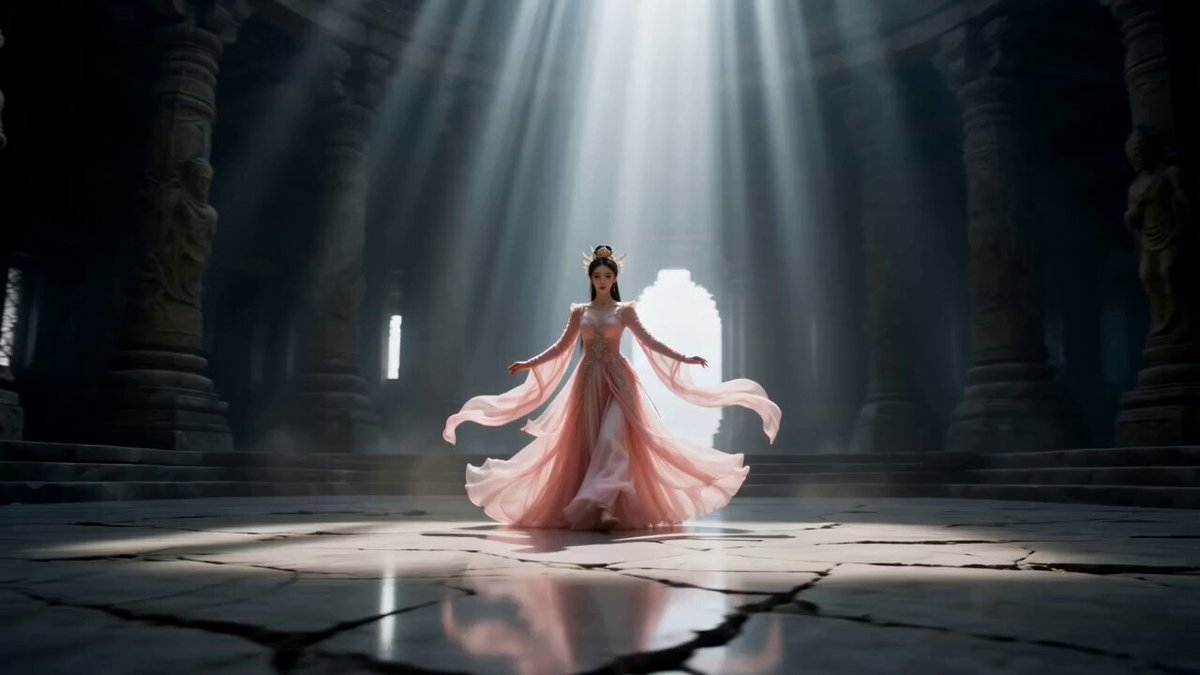
Turning stills into motion is the new superpower for creators
Static images are no longer enough. The ability to transform a high-resolution photo or concept art into a fluid, compelling video sequence has become one of the most valuable skills in digital content creation. What used to require a full production crew can now be done in minutes with the right AI tools.
If you are new to this, start with the AI video generator to understand the basics of the pipeline.
How static-to-dynamic conversion actually works
Modern image-to-video systems go far beyond simple pan-and-zoom effects. They rely on diffusion models augmented with temporal layers, which do not just guess the next frame: they model the physics and motion implied by the initial image.
The critical benchmark is temporal consistency — objects must keep their form and texture across frames. When animating a portrait, for example, the system must hold the exact facial structure while simulating subtle breathing or a slight head turn.
Why consistency is the hardest part
When you elevate a single image into a narrative, consistency across edits, styles, and character poses is paramount. Simple text-to-video models often fail here. The solution is multi-image fusion: using reference images to lock down specific visual traits before generating motion.
For branding and character IP, this is essential. A product shot that moves realistically, or a character that keeps its identity across scenes, separates professional output from amateur experiments.
The same principle applies when you work from photos: use image-to-video to animate your stills while keeping the visual identity intact.
Choosing the right model for the job
A large model library is not just a collection — it is a specialization layer. Different creative intents need different engines:
- High-speed action sequences: models optimized for fluid motion dynamics
- Precise dialogue animation: models with strong narrative adherence
- Anime and illustration styles: models with superior line-art fidelity
- Architecture or product shots: models emphasizing realistic visuals and camera control
Matching the model to the task reduces wasted effort and trial-and-error, which also keeps production costs predictable.
Advanced control: first and last frames
Some models let you dictate the beginning and end states of a transformation explicitly. This turns your static image from a mere suggestion into a defined boundary condition: the animation starts where you want and ends where you want, with the middle filled in naturally.
This granular control is ideal for creating smooth loops and structured transitions — a huge time-saver for social content.
Practical steps for your first animated clip
- Start with a high-quality, high-resolution source image
- Add a clear prompt describing the motion you want (camera move, action, mood)
- Use reference images to lock identity and style if consistency matters
- Generate a short test clip first, review, then refine
- Scale up once the look feels right
Let AI handle the cinematography
One of the steepest learning curves in video production is mastering camera work: lens choice, depth of field, movement. Modern AI agents can act as a virtual director of photography, suggesting a Dutch angle for tension or a slow dolly for drama — automatically translating those choices into model parameters.
This guidance is contextual: it considers the strengths of the model you selected and the composition of your source image. Novice creators get a faster path to professional-looking results, and professionals automate repetitive decisions.
The business case
Animated stills give marketing teams a scalable content engine. Product photography becomes video ads; concept art becomes launch trailers. The shift moves content creation from a fixed-cost model to a variable-cost operation that can scale with demand.
Explore the image generation model page to see how high-quality stills are made, then pair it with motion generation for a complete workflow.
Final checklist
- Source image is high resolution and well lit
- Prompt describes motion and camera explicitly
- References used where identity matters
- Short test clip generated and reviewed before scaling
- Model chosen to match the creative intent
Conclusion
From still to scene is not just a trend — it is a workflow shift. Combine good source images, the right model, reference-based consistency, and AI cinematography guidance, and you can produce dynamic video content at a fraction of the traditional cost. Start small, iterate fast, and scale when the results feel right.
For more guides and tools, visit our blog or the AI tools page.
