
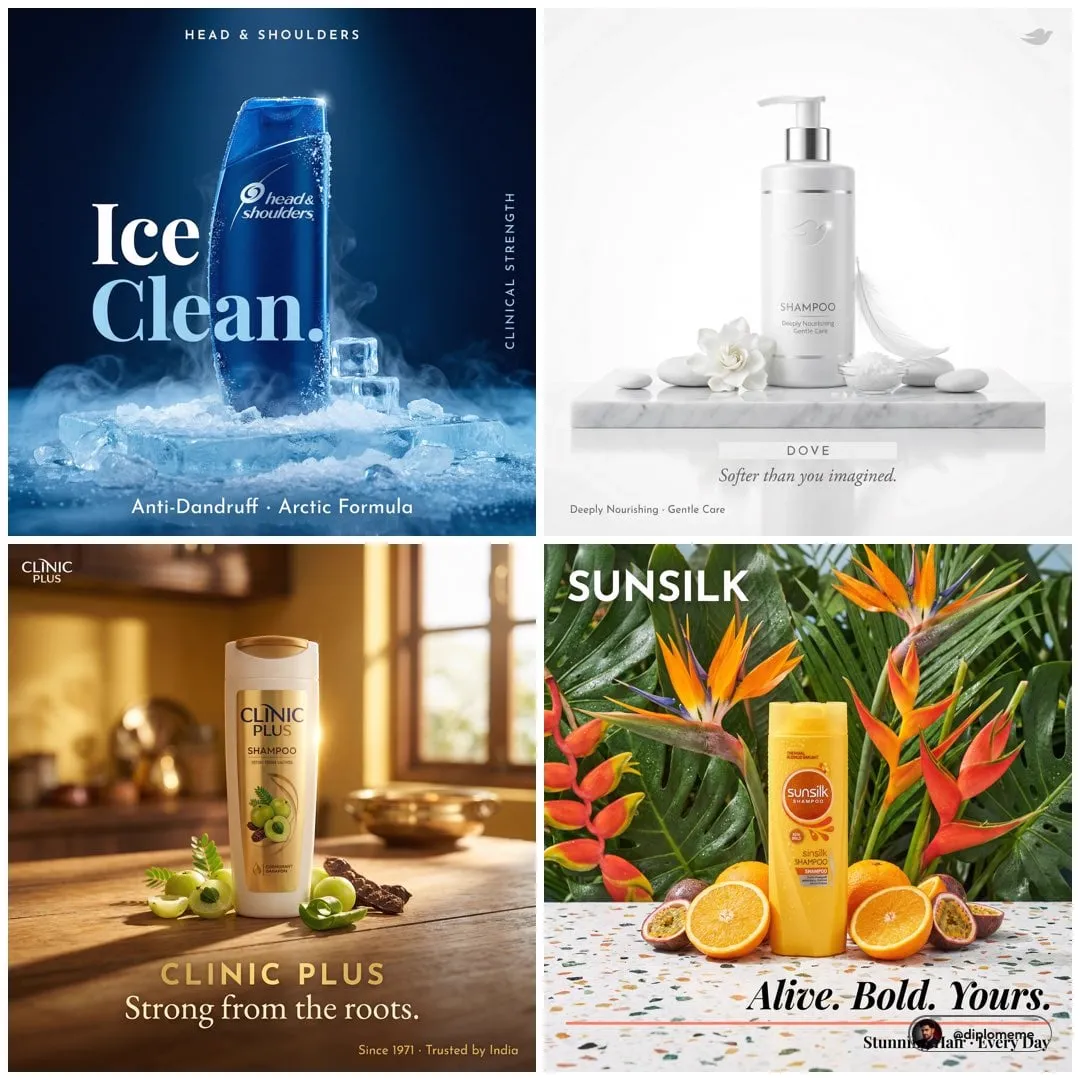
The Shift from Single-Clip Generation to Sequential Storytelling
AI video generation has moved fast. What started as short, surreal clips generated from a text prompt has matured into something closer to a production pipeline. The novelty of watching a two-second loop of a dancing cat has worn off. What creators, educators, and marketing teams actually need now is the ability to tell a coherent story across multiple shots, with characters that look the same from scene to scene, and with a visual style that holds together for thirty seconds, sixty seconds, or even a few minutes.
That is the real frontier. It is not about generating one impressive clip. It is about generating a sequence of clips that feel like they belong to the same world.
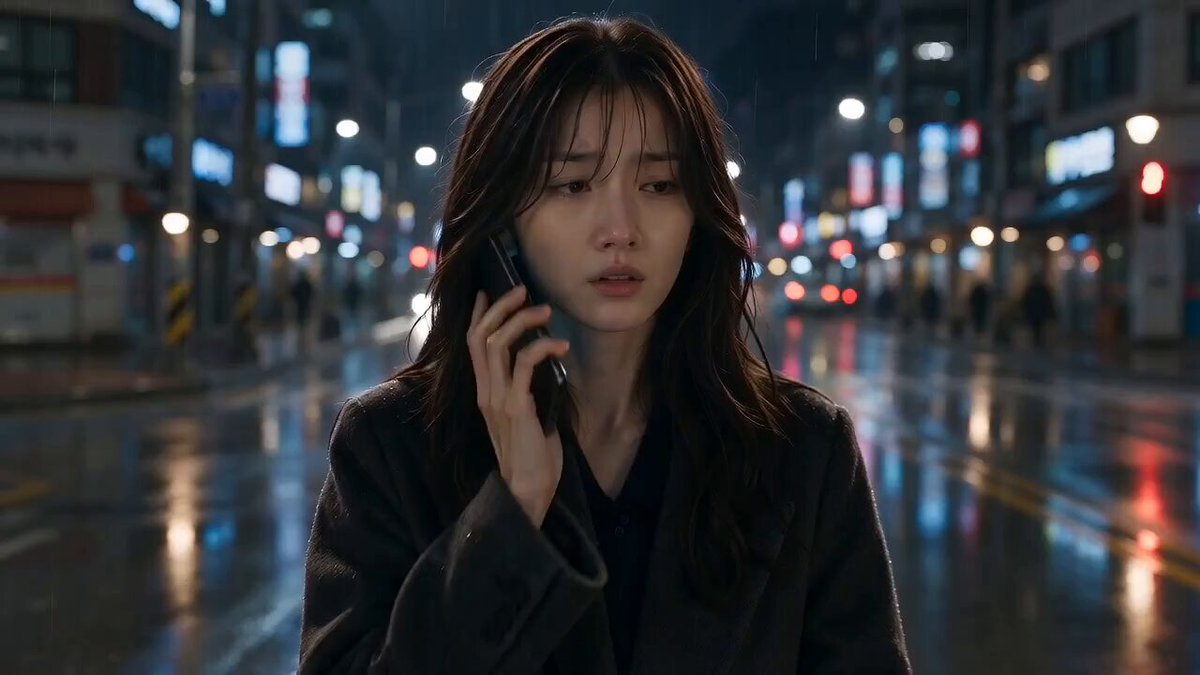
The problem is that most text-to-video models are inherently stateless. Each generation is a fresh roll of the dice. You describe a woman in a red coat walking through a rainy street, and you get a beautiful shot. Then you describe her again in the next scene, and the model gives you a different woman, a different coat, and a different street. The camera angle is different. The lighting is different. The face is different. Suddenly your story falls apart because the audience cannot track who is who or where they are.
This is the consistency problem, and it is the single biggest blocker between AI video as a toy and AI video as a professional tool. The future of AI video production depends on solving it, and the most promising solution is multi-image fusion combined with an agent director that manages the sequence. Let's break down how this works, why it matters, and how you can start using it in your own projects.
Why Character Consistency Is the Hardest Problem in AI Video
The stateless nature of diffusion models
At their core, most video generation models are probabilistic. They take a text prompt, encode it into a latent representation, and then denoise that representation step by step to produce frames. There is no memory between generations. If you run the same prompt twice, you get two different outputs. If you run a slightly different prompt, you get something completely different.
This is fine for abstract visuals or nature b-roll. It is disastrous for narrative content. Imagine a commercial where the main character's face changes every two seconds. Imagine a training video where the instructor appears to be a different person in every module. Imagine a children's story where the hero's outfit changes color between pages. Audiences notice these inconsistencies immediately, even if they cannot articulate why something feels off.
Why reference images help but are not enough
One common workaround is to use a single reference image. You upload a portrait of your character, and the model tries to maintain that likeness. This helps, but it is fragile. A single reference image only captures one angle, one expression, and one lighting condition. If your next scene requires the character to turn their head, smile, or step into shadow, the model has no information about how those variations should look. It guesses, and the guess often drifts.
A single reference also does not help with objects, environments, or style. If you want the same kitchen counter, the same car, or the same color grading across shots, one image of your character will not get you there.
The multi-image insight
The breakthrough is simple in concept but powerful in practice: give the model multiple reference images that collectively define the character, the environment, and the style. Instead of one portrait, you provide a small set: a front view, a three-quarter view, a side profile, maybe a close-up of a distinctive feature like a scar or a piece of jewelry. You might also include a reference for the environment, such as a wide shot of the living room with specific furniture and lighting. And you include a style reference, like a frame from a film with the exact color palette and grain you want.
When the model has all of this information, it can generate new scenes that respect the character's identity, the environment's layout, and the overall visual tone. This is multi-image fusion, and it is the foundation of consistent AI video.
How an AI Agent Director Manages Multi-Image Sequences
Beyond a simple prompt box
A multi-image workflow is more complex than typing a prompt and hitting generate. You have multiple references, multiple scenes, and multiple parameters. Managing all of this manually is possible, but it is tedious and error-prone. This is where the concept of an AI agent director comes in.
An agent director is a layer of automation that sits on top of the generation models. It understands the overall goal of your project, breaks it down into scenes and shots, assigns the right references to each generation, and maintains continuity across the sequence. It is not just a prompt scheduler; it is a creative collaborator that makes decisions about pacing, framing, and transitions.
What the agent actually does
In practice, an agent director handles several tasks. First, it parses your script or storyboard and identifies the key elements: characters, locations, props, and actions. Second, it maps those elements to your reference library. If scene one features a detective in a warehouse, the agent pulls the detective's reference set and the warehouse's reference set. Third, it generates each shot, passing the appropriate references and prompts to the model. Fourth, it checks the output for consistency. If a character's face drifts too far from the reference, the agent can flag it or automatically regenerate. Fifth, it assembles the shots into a rough sequence with transitions.
This is a significant leap from manually generating clips one by one. It turns AI video from a series of disconnected experiments into a coherent production process.
Example workflow: a 30-second product story
Let's say you are creating a 30-second social video for a new coffee brand. You want to show a barista preparing a pour-over, a customer taking the first sip, and a close-up of the bag with the logo. You have reference images for the barista, the cafe interior, the coffee bag, and a style frame with warm, earthy tones.
You write a short script with three scenes. The agent director breaks it down into six shots: wide shot of the cafe, medium shot of the barista pouring, close-up of the water hitting the grounds, over-the-shoulder shot of the customer, close-up of the sip, and a final product shot. For each shot, the agent selects the relevant references and generates a clip. It ensures the barista's apron matches across shots and the lighting stays consistent. When the clips are stitched together, you have a polished sequence that looks like it was shot in a single session.
Without multi-image fusion, the barista would look different in every shot. The cafe would change layout. The coffee bag would have a different label. The video would feel amateurish. With it, the video feels professional and brand-ready.
Building a Reference Library That Actually Works
Quality over quantity
You do not need hundreds of images. In fact, too many references can confuse the model. A focused set of five to ten high-quality images per character or environment is usually enough. The key is to cover the angles and conditions that your scenes will require.
For a character, aim for:
- A neutral front-facing portrait with even lighting
- A three-quarter view
- A side profile
- A full-body shot showing typical clothing
- One or two detail shots (hands, accessories, distinctive features)
For an environment, aim for:
- A wide establishing shot
- A medium shot showing key furniture or fixtures
- A close-up of a texture or material that defines the space
For style, one or two frames from a film, painting, or photograph that capture the exact mood and color palette you want.
Consistency in your references
Your reference images should themselves be consistent. If your character portraits have wildly different lighting, the model will struggle to decide which lighting to apply to new scenes. If your environment shots show different times of day, the model will be confused. Try to shoot or select references that share a common lighting setup and color temperature.
If you are using AI-generated references, generate them with a consistent seed or style prompt. If you are using real photos, take them in one session with consistent lighting.
Naming and organizing
As your library grows, organization becomes critical. Use clear, descriptive names for your reference sets. Group them by project or character. If your tool supports tagging, tag by character, location, style, and any other relevant category. This makes it easy for the agent director to pull the right references at the right time.
Beyond Visuals: Integrating Audio and Motion
The role of sound in perceived quality
A video with perfect visuals but poor audio feels cheap. A video with average visuals but excellent audio feels professional. This is a well-known principle in filmmaking, and it applies to AI video as well. If you are generating a sequence, you need to think about dialogue, sound effects, and music.
Some modern AI video platforms include integrated audio tools. You can generate voiceovers from text, sync them to your characters' lip movements, and add background music or ambient sound. When these tools are part of the same workflow as your video generation, you can maintain consistency in audio just as you do in visuals.
Motion continuity
Motion is another dimension of consistency. If your character is walking in one shot, they should be walking in a consistent direction and speed in the next. If a door opens in one shot, it should not be closed in the next without explanation. An agent director can help by tracking the state of the scene across shots and prompting the model accordingly.
For example, if scene two ends with the character reaching for a cup, scene three should begin with the cup in hand. The agent can pass this context to the model, reducing the chance of continuity errors.
Advanced tools to look for
When evaluating AI video platforms, look for features like:
- Multi-image input for characters and environments
- An agent or assistant that manages multi-scene projects
- Integrated audio generation and lip-sync
- Motion control or camera direction controls
- The ability to export sequences with transitions
These features separate a toy from a production tool.
Practical Use Cases for Consistent AI Video
Educational content
In education, consistency is not just nice to have; it is essential. If you are creating a series of explainer videos, you want the same instructor or animated character to appear throughout. You also want the same visual style so the series feels cohesive. Multi-image fusion allows you to create a virtual instructor once and reuse them across dozens of videos, saving time and money.
Imagine a language learning channel where the host is an AI character. With a proper reference library, you can generate new lessons every week with the same host, the same classroom, and the same style. The audience builds a relationship with the host, which increases engagement.
Corporate training and internal communications
Corporate videos often require a consistent look and feel to reinforce brand identity. A training module on safety procedures, for example, might feature a fictional employee navigating a warehouse. With multi-image fusion, you can ensure the employee, the warehouse, and the safety equipment look the same across all modules. This reduces production costs and ensures a unified learning experience.
Marketing and advertising
Brands need consistency across campaigns. A character or mascot that appears in a TV ad should look the same in social media clips, web banners, and in-store displays. AI video with multi-image references makes it possible to generate variations of a campaign quickly without losing brand identity.
Independent film and animation
Independent creators can use these tools to prototype scenes, visualize storyboards, or even produce entire short films. The ability to maintain character consistency means you can tell a story with multiple scenes without a full animation team.
Common Pitfalls and How to Avoid Them
Overloading the model with conflicting references
More references are not always better. If you provide ten different portraits of a character with different hairstyles, the model may average them into a generic face that does not match any of them. Curate your references carefully. Choose images that represent the character consistently.
Ignoring lighting and color temperature
If your references have different lighting, your output will too. Pay attention to the direction, quality, and color of light in your reference images. If you need a scene in warm sunset light, include a reference with that lighting.
Forgetting about aspect ratios and framing
Different scenes may require different aspect ratios. A wide establishing shot might be 16:9, while a social media clip might be 9:16. Make sure your references and your generation settings match the intended output. Some tools allow you to specify aspect ratio per shot, which is helpful for multi-platform campaigns.
Not checking for continuity errors
Always review your sequence for continuity errors. Does the character's clothing change? Does the time of day shift unexpectedly? Are props in the same place? An agent director can help, but human oversight is still valuable.
The Technical Backbone: What to Look for in a Platform
Multi-image input support
The platform must allow you to upload multiple images per character or environment. It should also let you assign different reference sets to different scenes. Without this, you cannot achieve true consistency.
Agent or assistant features
Look for a platform that offers an agent-like assistant. This could be a chat interface where you describe your project and the assistant helps you plan scenes, or a more automated system that generates a sequence from a script. The key is that the platform understands the relationships between shots.
Integrated audio
Audio tools should be built in, not bolted on. You want to generate voiceover, sync it to video, and add music without leaving the platform. This streamlines the workflow and reduces the risk of format mismatches.
Export and integration
Your platform should allow you to export individual clips or a full sequence. It should also integrate with common editing tools if you want to do further post-production.
Scalability and performance
If you are producing a lot of content, you need a platform that can handle multiple generations without long wait times. Cloud-based platforms are generally faster because they can scale resources on demand.
Step-by-Step: Creating Your First Multi-Image Sequence
Step 1: Define your story
Start with a simple script or storyboard. Break it into scenes and shots. For your first attempt, keep it short: three scenes, six to eight shots. Write down the characters, locations, and props involved.
Step 2: Gather references
For each character and location, collect or generate five to ten reference images as described earlier. Make sure they are consistent in style and lighting.
Step 3: Set up your project
In your chosen platform, create a new project. Upload your references and organize them into sets. If the platform supports tagging, tag them by character and location.
Step 4: Generate each shot
For each shot, write a prompt that describes the action, the camera angle, and the mood. Assign the appropriate reference sets. If the platform has an agent director, you can describe the entire sequence and let it generate the shots for you. Otherwise, generate them one by one.
Step 5: Review and refine
Watch the generated clips in sequence. Look for inconsistencies in character appearance, lighting, and props. If something is off, adjust the prompt or the references and regenerate that shot.
Step 6: Add audio and finalize
Once the visuals are consistent, add voiceover, sound effects, and music. Sync the audio to the video. Export your final sequence.
Step 7: Learn and iterate
Every project teaches you something about what references work best and how to write effective prompts. Keep notes and build on your experience.
The Road Ahead: What the Future Holds
The future of AI video is not just about better models. It is about better workflows. As multi-image fusion and agent directors become more sophisticated, we will see AI video move from experimental clips to full-fledged productions. We will see virtual actors that can star in entire series, virtual sets that can be reused across projects, and virtual brands that maintain perfect consistency across every channel.
The creators who thrive will be those who understand how to build and manage reference libraries, how to collaborate with AI agents, and how to blend AI-generated content with human creativity. The tools will continue to improve, but the principles of storytelling and consistency will remain the same.
Frequently Asked Questions
How many reference images do I need per character?
A good starting point is five to eight high-quality images covering different angles and expressions. Quality and consistency matter more than quantity. If your images conflict with each other, the model will produce inconsistent results.
Can I use the same references across different projects?
Yes. Building a reusable library of characters, environments, and styles can save a lot of time. Just make sure the references are appropriate for the new project's tone and lighting.
What if my character needs to age or change clothes?
You can create separate reference sets for different versions of the character. For example, a "young detective" set and an "older detective" set. This keeps each version consistent while allowing for story progression.
Do I need to be an artist to create good references?
No. You can generate references using AI image tools or use stock photos. The key is to select images that are clear, consistent, and representative of the character or environment you want.
How long does it take to produce a 30-second video?
With a well-organized reference library and a capable agent director, you can generate a 30-second sequence in a few hours, including review and refinement. The first project may take longer as you learn the workflow, but subsequent projects will be faster.
Can I edit the AI-generated video afterward?
Absolutely. Most platforms allow you to export individual clips or full sequences. You can then import them into traditional editing software for color grading, sound design, and final assembly.
What is the biggest mistake beginners make?
Using inconsistent references. If your reference images have different lighting, hairstyles, or clothing, the model will struggle to produce a consistent character. Take the time to curate a clean, consistent reference set before you start generating.
Is multi-image fusion only for characters?
No. It works for environments, props, and even style. You can use reference images to define the look of a room, the design of a product, or the color palette of your entire video.
How do I handle scenes with multiple characters?
You can provide reference sets for each character. The agent director or your prompts should specify which characters are in the scene. The model will then blend the references appropriately. This can be challenging, so start with single-character scenes and gradually add complexity.
Will AI video replace traditional filming?
Not entirely. AI video is a new medium with its own strengths and limitations. It excels at rapid prototyping, visual effects, and content that would be impossible or too expensive to film. Traditional filming still has advantages in capturing nuanced human performances and real-world authenticity. The future is likely a blend of both.
