

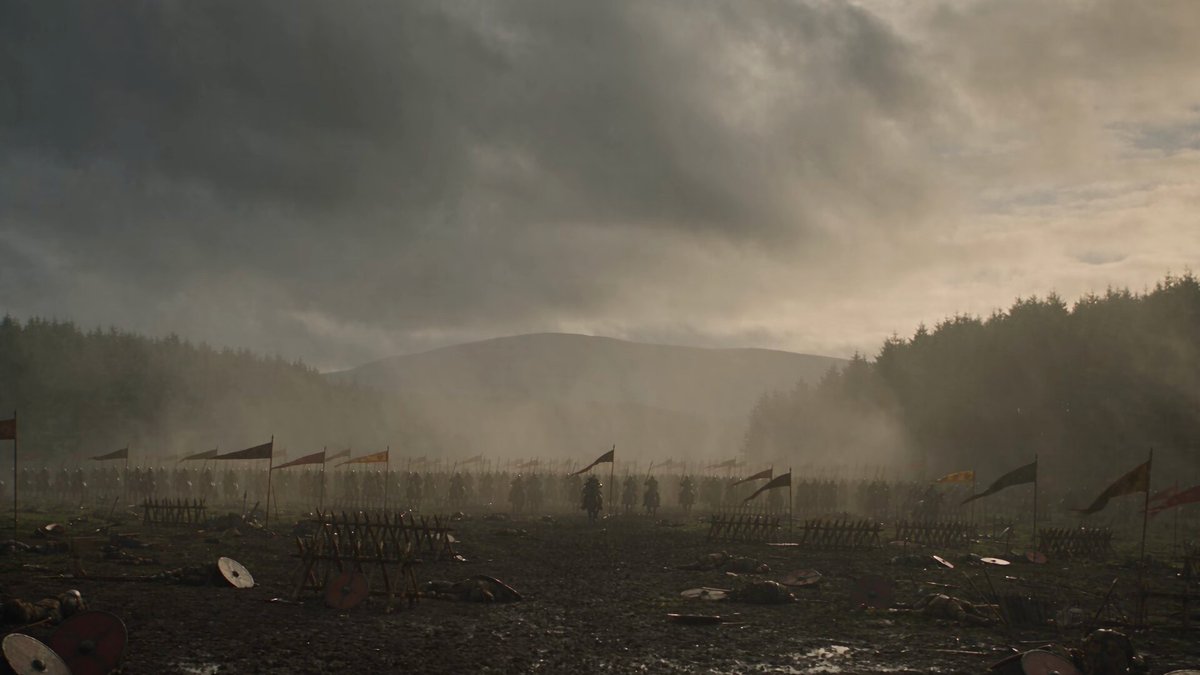

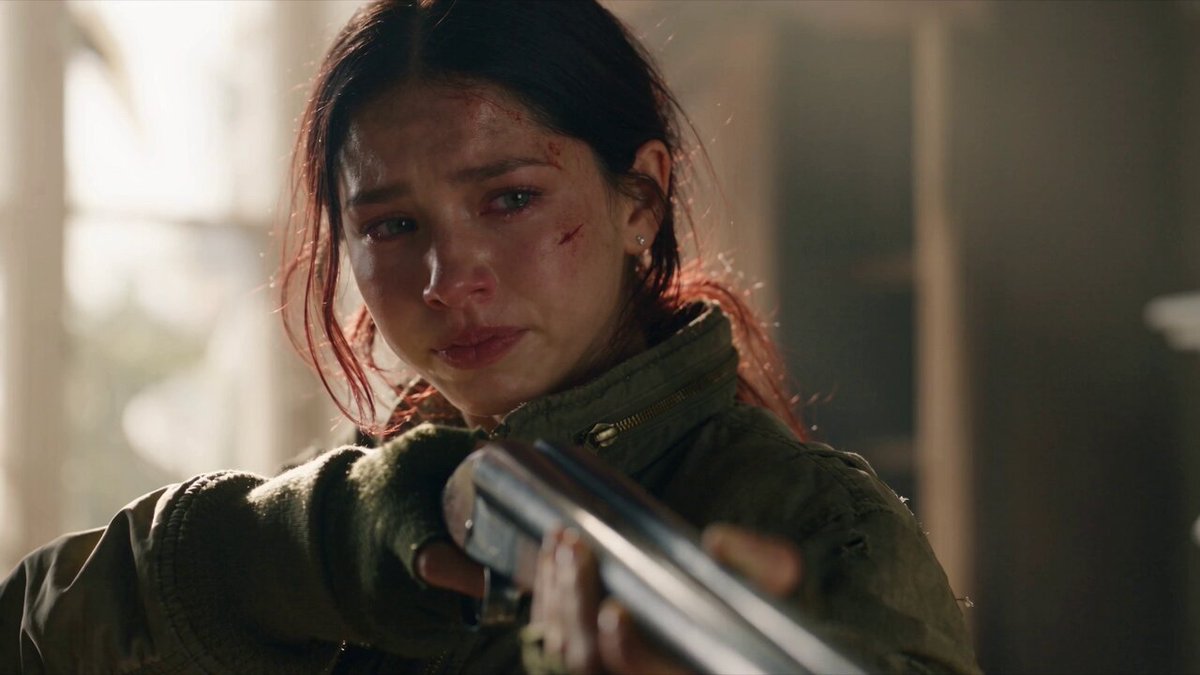
A Turning Point for Video Production
Video production is crossing a threshold. For decades, high-quality video was the privilege of studios with expensive cameras, large crews, and long schedules. In 2025, that monopoly is over. Generative AI has made it possible for a single creator to produce cinematic-quality video in hours, not months. The market is growing at a compound annual rate above thirty percent, and the demand for fast, high-quality content is surging across every digital platform.
This is not just a technical shift. It is a structural change in who can make video, how fast it can be made, and what it costs. Large-scale video production is no longer exclusive to big studios. Independent creators, small brands, and individual filmmakers now have access to tools that were unthinkable a few years ago.
The year marks the moment when the line between AI content and traditional content became blurry. Quality, not the production method, is now the deciding factor for success. This article maps the trends that define AI video technology in 2025: the maturity of foundation models, the rise of AI director agents, the changing economics of content, and the integration of professional audio and visual workflows.
Foundation Models Reach Maturity
The rapid progress of AI video technology in 2025 is driven primarily by the maturation of foundation models. These are the large-scale models trained on massive datasets that power generation tools. Their progress follows a clear trajectory: better visual quality, better understanding of motion, and better control.
Earlier models could generate impressive single frames but struggled with sequences. Objects warped, characters flickered, and physics broke down. The current generation of foundation models has largely solved these problems. They understand how objects move, how light behaves, and how scenes evolve over time. The result is footage that looks like it was actually filmed.
This maturity is the foundation for everything else. Director agents can only plan shots if the underlying models can execute them. Editors can only rely on consistency if the models can maintain it. The quality bar set by foundation models determines what the rest of the production stack can achieve.
The Race of Cinematic Super Models
The competition among the leading models has produced extraordinary quality gains. Models like Runway Gen-4 and the Sora series have set new standards for photorealism and physical understanding. They can generate complex action scenes, subtle facial expressions, and realistic environmental interactions that earlier tools could not touch.
The competitive pressure matters for creators. When several frontier models are pushing quality higher, the baseline rises for everyone. A model that was impressive last year is average this year. The rapid iteration cycle means creators need to keep testing new models and migrating their workflows to the best available options.
Prompt adherence has been a key battleground. Models that follow instructions precisely, down to specific camera movements and stylistic choices, save creators enormous time. The same applies to frame control: setting the first and last frames of a sequence and letting the model fill the middle with physically plausible motion. These capabilities have moved from experimental features to expected standards.
Efficiency: Performance and Cost
In a real production environment, throughput and cost are business-critical. Creators must balance output quality against operating budget. A model that produces stunning footage but burns through resources on every iteration is only useful for final renders, not for the iteration-heavy work of finding the right shot.
The industry has responded with a tiered approach. Fast, cheaper models handle drafts, variations, and early exploration. Premium models handle the final output. Smart workflows route each task to the appropriate tier, using the expensive model only where it adds the most value.
Efficiency also comes from the production system itself. Task queues that prioritize work, caches that reuse intermediate results, and scheduling that keeps expensive hardware busy all reduce the cost of each finished minute of video. For teams producing content at scale, these systems matter as much as the models themselves.
Character and Scene Consistency
Consistency has become the decisive quality factor. A video is not a collection of impressive shots; it is a coherent piece of storytelling. Characters must look the same from scene to scene. Environments must follow the same visual rules. A style must hold across the entire piece.
The techniques for consistency have matured in parallel with the models. Character embeddings built from multiple reference images anchor identity. Keyframe control directs motion. Style locking keeps the aesthetic unified. Together, these techniques let a creator produce a series or a campaign with the same character appearing reliably in every shot.
For brands, consistency is not optional. A campaign character that drifts between scenes undermines the brand itself. For storytellers, consistency is what makes the audience care. The tools now exist to deliver both.
AI Director Agents and Automation
The next layer of the stack is automation. AI director agents interpret narrative intent and translate it into production decisions: scene composition, cutting rhythm, camera angles, and model selection. They act as an experienced assistant that handles the technical orchestration so the creator can focus on the story.
The value of a director agent is not that it replaces creative judgment. It is that it removes the mechanical overhead. Choosing the right model for each shot, setting the parameters, ordering the renders, and assembling the results are all tasks that consume time and attention. Automating them lets a creator produce dramatically more content without expanding the team.
This automation extends to the full production pipeline. With a modular architecture, a single brief can flow through scene planning, generation, assembly, and quality checks with minimal manual intervention. For teams running content channels or agencies, this turns video production from a project into a system.
Multimodal Fusion
The boundary between content types is dissolving. The most interesting productions combine text, images, audio, and video in a single workflow. Multimodal fusion is the technology that makes this seamless: a script becomes a storyboard, a storyboard becomes scenes, a soundtrack is generated to match the mood, and the pieces are assembled into a finished piece.
The practical benefit is speed. A creator starts with a written concept and a few reference images, and the system generates a full draft that can be reviewed and refined. Instead of coordinating separate tools for each modality, the entire production happens in one continuous flow.
Multimodal fusion also improves quality. When the audio and visual components are designed together, they fit together. The pacing of the music matches the cutting rhythm. The dialogue matches the character expressions. The result feels like a deliberate production rather than an assembly of parts.
The Model Economy and Intellectual Property
The economics of AI content are changing how creators earn. Training and selling custom models has become a real business. A creator can fine-tune a model on a specific style, character, or product line, then publish it for others to use, earning revenue from every generation. This creates a dynamic marketplace where model development is itself a product.
The same shift raises hard questions about intellectual property. Who owns a model trained on your style? Who owns the content generated with it? How do you protect your visual identity when anyone can generate in your style? These questions are not fully resolved, and creators should pay attention to the terms of every platform they use.
The emerging answer involves clearer licensing and attribution. Platforms are building structures where creators can register their models, license them under defined terms, and receive attribution for derivative works. The details are still evolving, but the direction is clear: the creator economy is extending into the model economy.
Professional Audio and Visual Integration
The final trend is the integration of professional audio. Video is half sound, and AI video tools have historically treated audio as an afterthought. That is changing. Sound design, music generation, voice synthesis, and dialogue are becoming first-class parts of the production stack.
A soundtrack generated to match the emotional arc of the footage changes how a piece feels. A synthesized voice that stays consistent across scenes makes narration possible without a recording studio. Sound effects that sync with on-screen action complete the illusion.
For creators, this means the entire production can happen in one ecosystem. The footage, the music, the voice, and the final mix are all generated and assembled in a single workflow. The barrier between video creation and audio production disappears.
What to Prepare For
The trends point in one direction: video production is becoming a software problem as much as a creative one. The creators who thrive will be those who treat it as a system, investing in consistent characters, efficient workflows, and reusable assets.
Start with one project. Build a character you love, generate a reference set, and create a short series. Learn the iteration loop: generate, review, fix, regenerate. The skills transfer across tools and models, because the principles are the same.
Keep testing new models, but do not chase every release. Quality improvements are real, but your workflow and your assets matter more than the latest feature. A stable system with good assets will outperform a chaotic workflow with the newest model.
Case Studies: How Teams Use These Trends
Concrete examples show what these trends mean in practice. An e-commerce brand, for instance, runs a weekly product campaign. Instead of filming each product, the team builds a reference set for the product line, generates a library of scenes, and assembles variations for different markets. The cost per product video drops dramatically, and the brand's visual identity stays consistent across every ad.
A media company produces a daily video news segment. The team uses an AI director agent to convert written scripts into shot plans, generates the footage with fast models, and reserves a premium model for the anchor segments. The production pipeline runs largely unattended, and the editors focus on the stories that need human judgment.
An indie animation studio creates a character-driven web series. The studio trains a character anchor once, then generates every episode with the same identity. What used to require a full character art team is now a one-time setup, and the series maintains a consistent look across all episodes.
A training company converts its course materials into video. Multimodal fusion turns slides into animated explanations, generates a voiceover in multiple languages, and assembles the pieces into finished lessons. The time from script to published course shrinks from weeks to days.
These cases share a pattern: the winning teams do not just adopt new models. They build systems around them. They invest in reusable assets, route work to the right model tier, and keep quality checks inside the pipeline. The technology is the engine; the system is the advantage.
FAQ
Is AI video production ready for commercial use?
Yes, for most commercial applications. The quality is high enough for marketing, social content, and previsualization. Full-length narrative productions still benefit from traditional techniques, but the gap is closing fast.
How much does AI video cost?
It depends on the model and the tier. Fast models are cheap enough for heavy iteration; premium models cost more per generation. A tiered workflow keeps costs manageable.
Will AI replace video editors and filmmakers?
It replaces mechanical work, not creative judgment. Editors who embrace AI tools produce more and better work. The creative direction, the storytelling, and the taste remain human responsibilities.
What should I learn first?
Character consistency. It is the highest-value skill because it is the hardest to fix later and it transforms what you can produce. Everything else builds on it.
How do I protect my style from being copied?
Pay attention to platform terms, register your models where the platform supports it, and document your work. The legal framework is still forming, so caution is wise.
What is the biggest mistake to avoid?
Treating every project as a fresh start. Without reusable characters and a stable workflow, you pay the setup cost on every project. Build assets once, reuse them everywhere.
Do I need to be a technical person to use these tools?
No. The best tools hide the technical complexity behind a simple interface. You need a clear creative vision and a willingness to iterate, not a programming background.
How fast is the field changing?
Very fast. The quality bar rises every few months. That is why the system around the models matters more than any single model: a good workflow survives model changes, while a workflow built around one tool breaks when the tool changes.
