
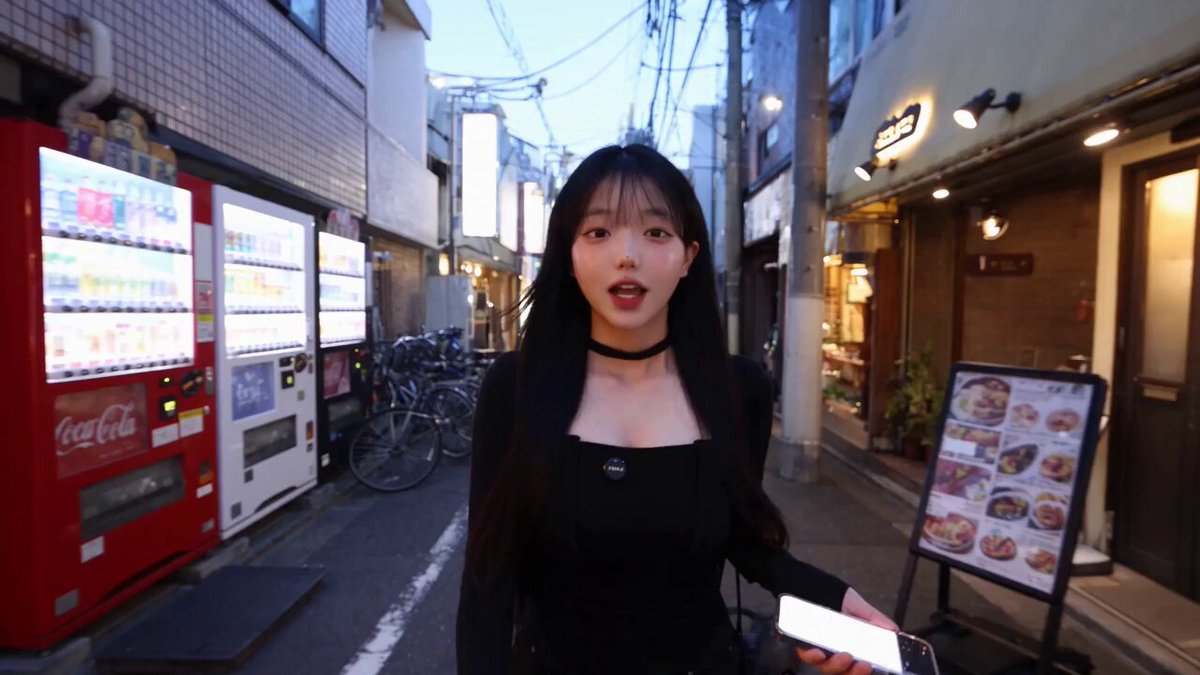
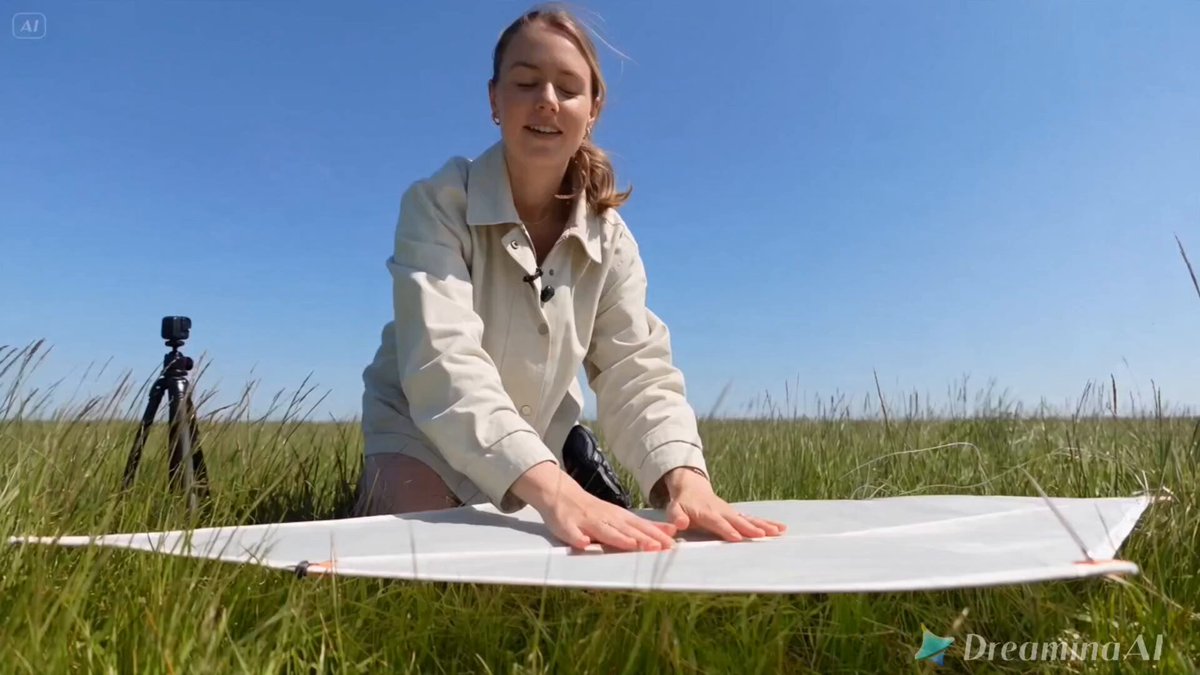
The way video content gets made is changing faster than most channels can keep up. For years, producing a polished YouTube video meant owning a camera, learning an editing suite, and spending hours on timelines and color grading. That era is not over, but it is no longer the only path. Emerging generative AI models have pushed high-quality video production within reach of a single creator working from a desk, and the platforms we watch on are starting to feel the effects.
This article looks at what is actually happening under the surface: the models driving the change, how they alter the economics of running a channel, and the practical strategies creators can use today. It is written for YouTubers, editors, and studio teams who want to understand the direction of travel without wading through marketing noise.
Where YouTube Content Production Stands Right Now
If you started a channel a decade ago, the barriers were mostly physical. You needed enough light, a decent microphone, and the patience to sit through hours of rough cuts. Today those constraints have loosened considerably. A text prompt, a character sheet, or a short reference clip can become the seed of a full video within minutes. The bottleneck has moved from equipment to ideas and taste.
That shift matters because it changes who can compete. A solo creator can now match a production team that once needed multiple editors, animators, and motion designers. The result is a marketplace where output quality depends less on budget and more on how well someone understands both the tool and the audience they serve.
At the same time, the volume of uploads keeps climbing. Viewers now scroll past an enormous amount of mediocre content every day. The videos that hold attention tend to share a few traits: a strong opening, consistent visual identity, and a clear story. AI-assisted production does not automatically deliver those things, but it makes the production part of the loop fast enough that you can iterate until the story works.
Why the Moment Feels Different from Earlier AI Hype
Generative tools have been demoed for a long time, but the current crop is distinct for three reasons.
The first is coherence. Older video models produced short clips that wobbled between frames and changed subjects unpredictably. Today's leading text-to-video and image-to-video models hold a subject, a style, and a scene across much longer stretches. That turns them from toys into usable production tools.
The second is control. Prompting at the level of single shots has given way to workflows where you define characters, lock reference frames, and direct scene composition. Creators can iterate on a look rather than gambling on whatever the model happens to generate.
The third is accessibility. The same model families that power big studios now sit behind simple interfaces, which means the learning curve is about creative direction rather than code. You can start with nothing more than a clear brief and a willingness to revise.
None of this means AI replaces human judgment. It amplifies it. The vision still has to come from somewhere, and that is precisely the part of the job machines are worst at.
What Is Driving Better AI Video Output
It helps to understand the ingredients behind the improved output, because that understanding translates into better questions when you choose a tool.
Better Models and Training Approaches
The most visible leap comes from a new generation of video and image models built on diffusion and attention-based architectures. These models have learned how to map text and reference imagery into detailed frames. Some are trained in ways designed to preserve the structure of the input, which reduces the smearing and flicker that plagued earlier generations. The practical upshot is cleaner motion, more stable subjects, and fewer artifacts.
Specialized Models for Narrow Jobs
Not every problem needs the biggest model on the market. Specialist models now handle specific tasks like upscaling, stylization, and character consistency. Because they are tuned for one job, they often outperform general-purpose models on that narrow task while using fewer resources. Experienced creators mix a flagship model for hero shots with smaller specialist tools for the finishing work.
Format Control and Scene Management
Instead of hoping the model reads your mind, modern workflows let you steer results with structural inputs: camera angles, keyframes, lighting descriptions, and per-scene prompts. This closer coupling between instruction and output is what allows a single creator to direct something that feels cinematic rather than accidental.
How AI Is Changing the YouTube Creator Economy
The technology matters mainly because of what it does to the business of running a channel.
Lower Cost of Experimentation
Testing ideas used to be expensive. Shoot a concept, edit it, upload it, and discover it flops, and you have burned a day or two plus gear and time. With fast AI generation, a rough cut can exist in minutes. You can test thumbnails, openings, and entire formats before committing to a full production. Cheap experimentation turns content strategy into something closer to science than gambling.
New Roles Within a Small Team
The human roles are shifting too. The video editor and motion designer are being joined by, or in small teams replaced by, the prompt engineer and the AI art director. The person who writes the brief, checks consistency, and steers the model is often the one who now dictates quality. For many creators that person is themselves.
Consistency Becomes a Brand Asset
Popular channels feel consistent: the same host, the same lighting, the same visual language episode after episode. Consistency is what builds recognition, and it is historically hard to achieve alone. AI character and style tools tackle exactly this problem by locking a look across scenes and uploads. A channel can maintain a cohesive identity without hiring a full-time art department.
Building a Practical AI-Assisted Video Workflow
Theory is fine, but the value lives in a repeatable process. Below is a workflow that works for everything from explainer channels to narrative series.
Turn Ideas into Structured Scripts First
Start with the writing, not the visuals. A tight script gives the AI something concrete to work from. Map out the hook, the sections, and the payoff before generating a single frame. The better your plan, the less you will have to fight the tool later.
Lock Characters and Style with Reference Frames
If your video repeats characters or a visual style, generate reference frames once and reuse them. Feeding consistent references across scenes is the single most reliable way to stop a character from morphing between shots. This is the difference between a demo and a deliverable.
Direct the Scenes, Then Finetune
Generate scene by scene with explicit direction: what is in frame, how the camera moves, and what mood the lighting should carry. Review each pass for continuity before moving on. Iteration at this stage saves far more time than trying to fix a broken final render.
Use Specialist Tools for the Finish
Once the core shots are approved, bring in upscalers and cleanup tools to sharpen detail. Keep a short list of models you trust for hero shots and a separate list for finishing. Knowing which tool solves which problem is a real competitive advantage.
Hard Problems Creators Still Face
Even with good tools, a few challenges remain. Being honest about them will save you frustration.
Character and Style Drift
The most common complaint is that a character subtly changes across scenes. The fixes are structural: more reference images, tighter prompts, and smaller per-scene changes. Do not expect one prompt to carry an entire long-form video.
Unwanted Artifacts
Hands, text rendering, and fast motion still trip up many models. Plan shots to avoid the worst cases, and review footage at full size rather than trusting the tiny preview.
Finding the Model That Fits the Job
There is no single best model. The right choice depends on whether you need realism, stylization, speed, or low cost. Build a small mental matrix of your usual jobs and the models that handle each one, then revisit it as new releases land.
A Practical Toolbox for Getting Started
You do not need a large stack to begin. A minimal setup looks like this:
- A primary text-to-video or image-to-video model for hero shots.
- A reference-frame method to keep characters and style consistent.
- An upscaler or sharpening pass for the final output.
- An editing timeline where you assemble and add sound.
Start with two or three tools and learn them well before expanding. Depth beats breadth when you are still developing your craft.
Choosing Between AI Video Tools and Models
One of the reasons newcomers feel overwhelmed is the sheer number of options. Here is a framework to cut through the noise rather than a list to memorize, because the specifics change quickly.
Define the Job Before Choosing the Model
Write down exactly what each video section needs. A talking-head explainer has different requirements than a cinematic montage or an animated character sequence. The moment you name the job, the field of plausible tools narrows sharply. A realistic photo model will disappoint you for stylized animation, just as a stylized generator will look wrong when you need a believable product shot.
Match Fidelity to the Viewer's Attention
Not every frame is worth your strongest, slowest model. Openers, transitions, and brand-critical scenes sit where viewers linger, so they deserve the premium pass. Background plates and quick B-roll can use faster, cheaper models without anyone noticing. Weighting fidelity by visibility is what separates a smart budget from a blanket approach.
Read Real-World Comparisons, Not Promos
Marketing demos are tuned to look good. Before committing to a workflow, look for independent comparisons using diverse prompts and subject matter. Pay special attention to how a model handles faces, hands, text, and fast motion, because those are the failure points that show up when your footage is under stress.
Revisit Your Choices Regularly
The field moves monthly. A model that was best a few months ago may have been overtaken for your specific use case. Keep your recommendation stack lean, but review it on a sensible cadence so you are not permanently locked into yesterday's default.
Measuring What Actually Works on YouTube
Production tools only help if the output moves the metrics that matter. A short, practical measurement loop keeps your AI experiments honest.
Track Retention, Not Just Views
The platform rewards videos that hold attention. Watch the retention curve for moments where viewers drop off, then ask whether the issue is the content, the pacing, or the visuals. AI lets you rebuild a section cheaply, so you can A/B test fixes rather than guessing.
A/B Test Thumbnails and Openers Cheaply
Because generating variants is fast, you can test competing thumbnails and opening hooks before publishing a full video. Upload the promising frame, variant, and title treatments, and let performance data point at the winner. This is the kind of iteration that was impractical under old production costs.
Treat Consistent Output Style as a KPI
If consistency is a real brand asset, measure it. Review whether your characters and visual language hold across a batch of videos. Any drift you catch and fix in the workflow is a small part of that does not shock a returning subscriber.
Common Questions About AI Video on YouTube
Will AI-generated content get my channel penalized? Platform rules vary and change often. The safest approach is to use AI as a production aid for content you genuinely own and add real value to, rather than mass-producing derivative clips. Always check the current platform policy before relying on automation.
Do I need to be a good writer to use these tools? Writing helps enormously. The prompt is a creative brief, and the quality of your brief directly shapes the output. Spending time on scripting and direction yields better results than chasing the perfect model.
How much hand-editing is still required? A noticeable amount, at least for polished work. AI handles the heavy lifting of generating footage and maintaining style, but assembling, pacing, and sound design still benefit from human judgment.
Is a single creator really able to compete with a studio? For a large portion of content, yes. The margin is closing because the expensive parts of production are becoming cheap and accessible. Where a studio still wins is scale, polish at the extremes, and seasoned creative direction in the story.
What to Watch for Next
The pace of change makes specific predictions risky, but the direction is clear. Expect better long-form coherence, tighter control over characters and style, and cheaper access to high-end outputs. Expect the tools to keep getting easier to use, which means the competitive edge will continue to move toward taste, storytelling, and consistency rather than access to hardware.
The creators who treat this as a craft, who learn to brief, direct, and edit well, will be the ones whose channels grow. The tools are a lever; the person pushing it still decides the outcome.
