
The way we edit and produce video has changed more in the past two years than in the previous two decades. Generative AI has moved from a novelty to the backbone of modern content pipelines. While early text-to-video tools produced short, flickering clips that required heavy cleanup, today’s platforms offer directorial-grade control, consistent characters, and physics-aware motion. This article looks at the advanced features emerging in platforms that challenge and extend what models like Kling 2.5 first made possible, and why these capabilities are redefining the future of video editing.
Why Kling 2.5 Alternatives Are Leading the Shift
Kling 2.5 was a milestone in AI video generation, bringing better motion fidelity and prompt adherence to a wide audience. But the ecosystem is moving quickly. Alternatives and successors—many built on newer architectures—are pushing into areas that even the most sophisticated editors would struggle to achieve manually. The trend is clear: instead of merely generating clips, modern AI systems are becoming creative partners that understand pacing, camera language, and narrative logic.
For creators, this means a fundamental change in workflow. Rather than spending hours in a timeline cutting and color grading, you can describe a shot, refine it with parameters, and let the model handle the heavy lifting. The AI video generator landscape now offers tools that produce brand-ready material in minutes. This speed is not just a convenience; it’s a strategic advantage for teams producing short-form content at scale, where turnaround time often determines engagement.
The New Standard: Cinematic Control Beyond Simple Prompts
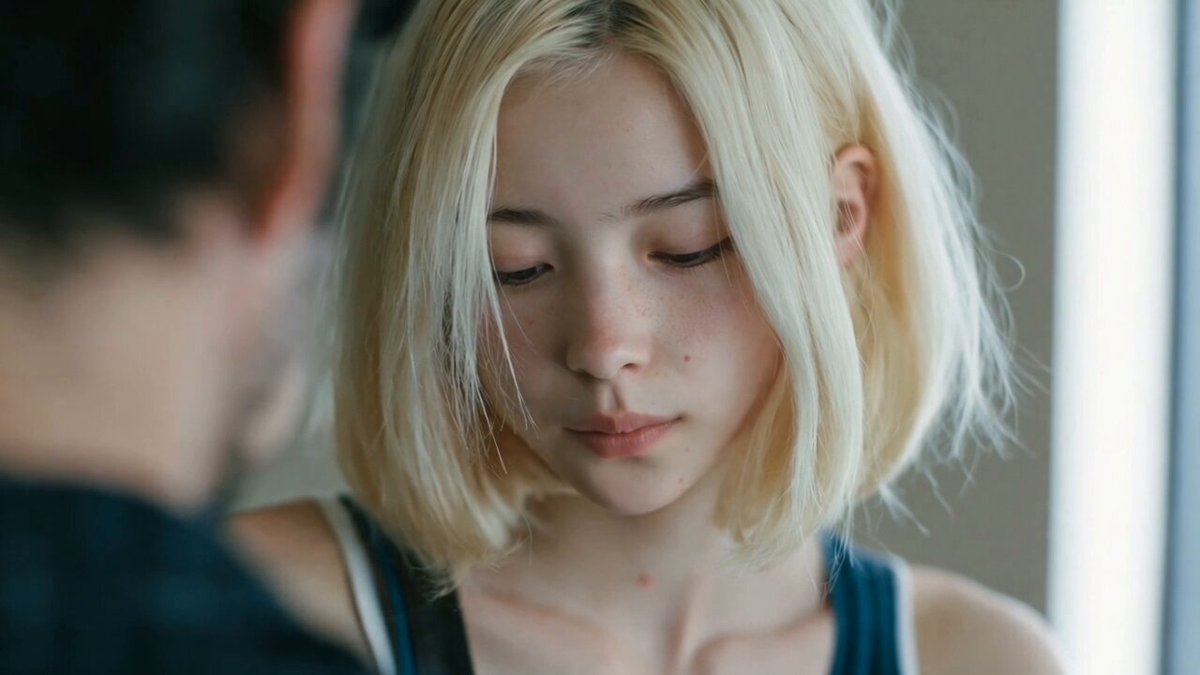
One of the biggest complaints about early AI video was the lack of control. You might get a beautiful visual, but you couldn’t dictate the lens, the depth of field, or the exact movement of the camera. That has changed. Many Kling 2.5 alternatives now ship with proprietary control mechanisms that let you specify camera hardware, lens characteristics, and even physics parameters directly inside the prompt or through dedicated sliders.
Take the concept of simulating a 35mm anamorphic lens with a shallow depth-of-field. In older tools, you would have to generate the clip and then add a post-processing blur. Now, the generator understands this language natively. Some platforms offer dozens of cinematic lens controls, making it possible to emulate specific optical signatures and match footage across multiple shots. This puts the creator in the role of a director rather than a cleanup artist.
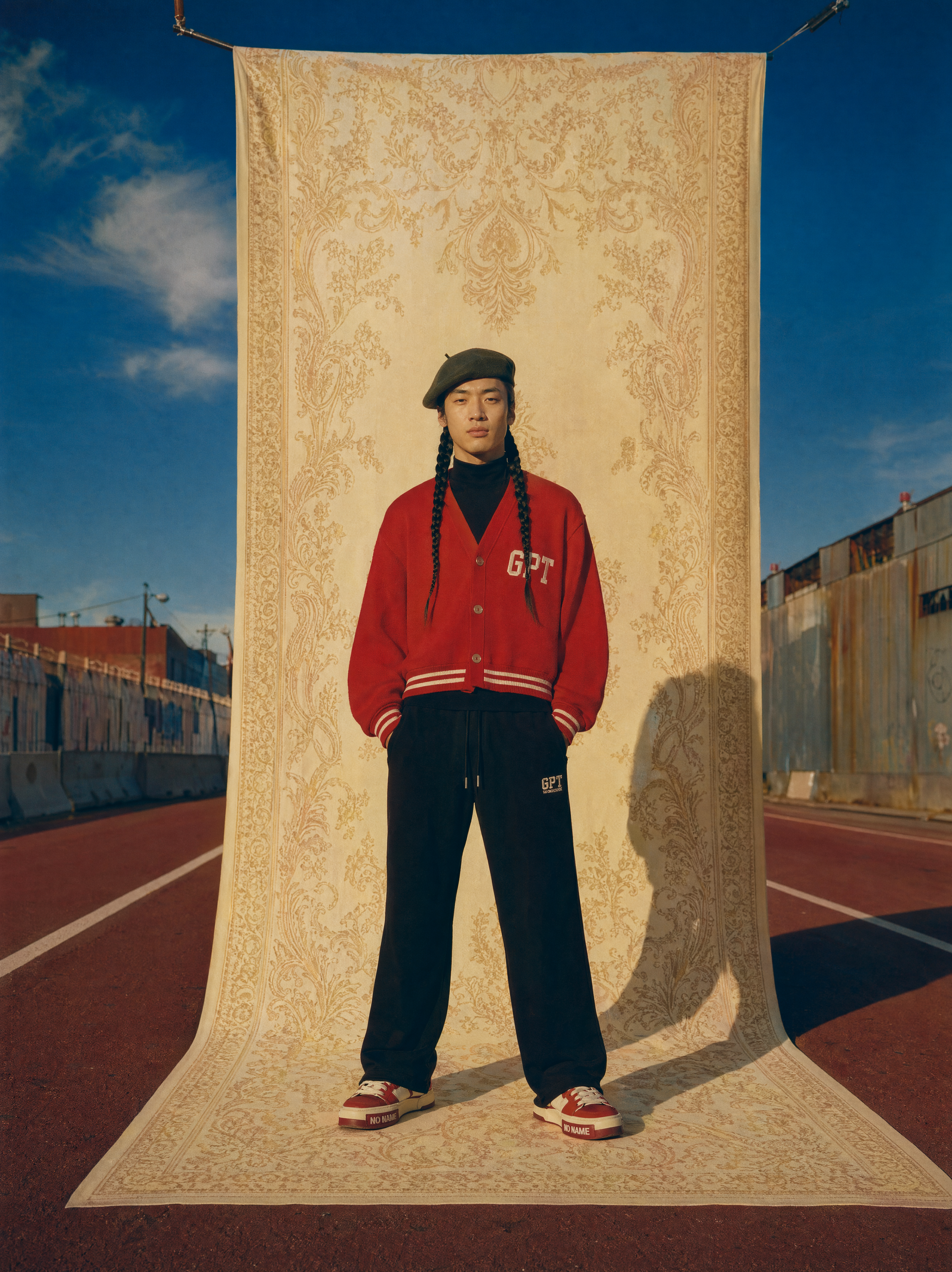
When you combine these controls with reference images, the level of precision becomes even more impressive. The text-to-video systems available today can take an initial frame, a character sheet, or a style reference and replicate that aesthetic across every generated segment. This ability directly addresses the historical “wandering camera” and “character drift” problems that made AI footage unusable for professional projects.
Temporal Coherence: The Real Measure of Quality
If there is one metric that separates serious production tools from experimental toys, it is temporal coherence. This refers to the consistency of objects, lighting, and motion across sequential frames. Without it, characters morph, backgrounds shimmer, and actions become jittery. Advanced alternatives to Kling 2.5 are built around architectures that prioritize long-range frame dependencies.
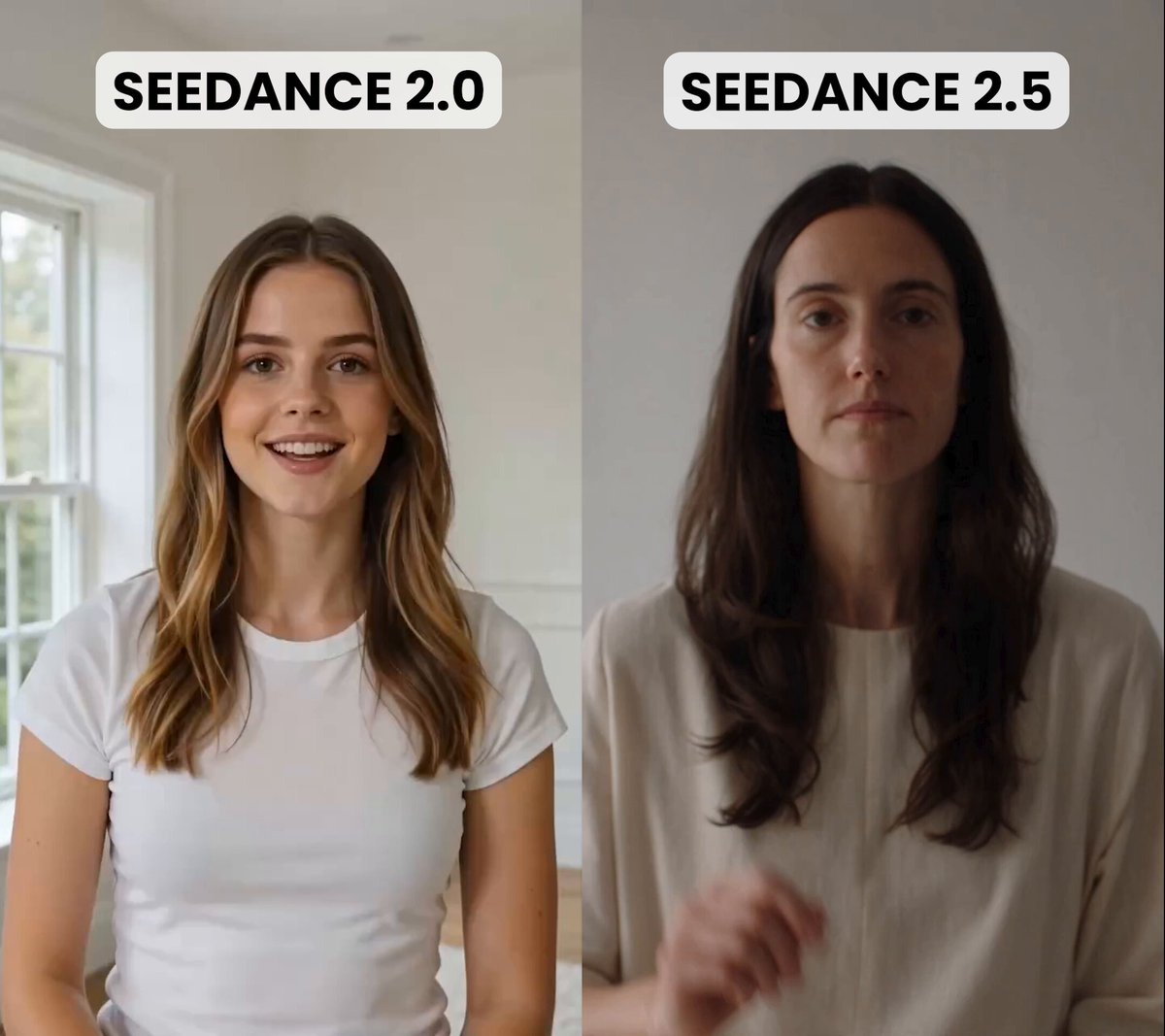
For example, newer models like Kling 3.0 and Seedance 2.0 use larger context windows and specialized training on motion prediction. This allows them to maintain a stable environment even during complex camera moves like a slow push-in or a 90-degree pan. The result is footage that feels shot by a physical camera, not generated by a neural network.
This consistency is a practical necessity for commercial work. A marketing team producing a series of product spots needs every frame to align with brand guidelines. When the AI can keep a logo, a background, and a spokesperson’s appearance identical across dozens of clips, the entire editing pipeline becomes faster. Editors no longer need to manually match shots or apply LUTs to hide inconsistencies—the source material is already clean.
Multi-Image Fusion and Character Consistency
Modern video editing often involves splicing together cutscenes, B-roll, and action sequences that were generated separately. For that to work, characters must look the same in every clip. The breakthrough here is multi-image fusion: uploading multiple reference images that define how a subject, wardrobe, or object should appear, and then having the generator respect those references throughout the motion.
This feature is especially vital for serialized content and narrative filmmaking. Imagine generating a dozen shots of the same protagonist in different settings. Without a reference anchor, the protagonist’s face might subtly change between each clip. With multi-image fusion, the model locks onto key details and preserves them across frames and even across entirely separate generations. This makes it possible to produce a coherent short film using an AI video generator rather than outsourcing every scene to a traditional VFX team.
Some platforms take this even further by allowing frame-anchoring from first to last. You can define the opening and closing images of a sequence, and the model will generate the motion in between. This gives editors a powerful tool for planning beats: you know exactly where a scene begins and ends, and the AI fills in the transition with physically plausible action. It is a far cry from the early days of text-to-video where the output was a lottery.
The Architecture Behind the Magic
Understanding the technical underpinnings helps explain why some alternatives outperform others. The best tools rely on transformer-based diffusion models that process video as a sequence of tokens, much like language models process text. This architecture allows them to learn relationships between distant frames, not just adjacent ones. The result is a more global understanding of the scene and its rules.
For instance, a model that understands gravity will not let a cup float away in frame three. It will track the trajectory of moving objects and simulate how lighting changes as a character turns. This level of physical intuition is what separates a production-ready tool from a toy. Advanced platforms also use dedicated task queues and optimized inference pipelines to keep generation times manageable, even when working with high-resolution outputs.
On the business side, this sophistication matters because it reduces iteration cycles. Editors can spend their time on creative decisions rather than generating ten versions and hoping one works. The combination of robust architecture and practical features like frame anchors is what makes AI video editing a genuine alternative to traditional post-production for increasing numbers of projects.
Practical Workflows for Modern Creators
For editors who want to integrate these tools into their pipeline, the key is to treat AI as a first-class content source rather than a last-resort fill-in. Start by using reference images to establish the visual language of your project. Define the camera movements you need—whether a handheld feel or a locked-off tripod shot—and pass those instructions to the model.
One effective workflow is to generate pre-visualization clips first. This lets you plan the pacing of a scene without committing to full-quality renders. Once you have approved the storyboard, you can regenerate the final versions at higher settings, secure in the knowledge that the model will maintain the composition you chose. Pair this with an image-to-video step when you already have a specific still frame you want to breathe life into.
Another important practice is to build a library of character sheets and style guides. This is similar to how traditional animation studios maintain model sheets. Uploading these assets to your generation tool ensures that every clip stays on-brand. As platforms continue to refine their control mechanisms, editors who adopt these workflows now will have a significant skill advantage over those who wait.
What the Future Holds for AI Video Editing
The trajectory is unmistakable: video editing will continue to shift from manual manipulation to creative direction. The generations of models after Kling 2.5 are adding features like multi-subject interaction, richer physics simulation, and even multi-camera setups in a single generation. The tools are becoming less about making a single impressive clip and more about enabling a complete story.
This evolution is also opening up new possibilities for independent creators. A two-person team can now produce content that would have required a full production crew. The main limitation is no longer technical capability but imagination and storytelling skill. We are entering an era where the editor’s role is to curate, guide, and refine—the AI handles the pixels.
At Domer, we are seeing creators use these advanced tools in surprising ways, from producing album visuals to recreating historical scenes for educational content. The AI tools page is a good starting point for exploring what is currently possible. Whether you are a professional editor or a hobbyist, the next few years will bring capabilities that we can barely imagine today.
As the ecosystem continues to evolve, keeping up with the latest models and their unique strengths will be essential. The future of video editing is not about learning a single software suite; it’s about understanding how to direct intelligent systems to express your vision. And with each new iteration, that vision becomes clearer, more controlled, and more impactful.
