
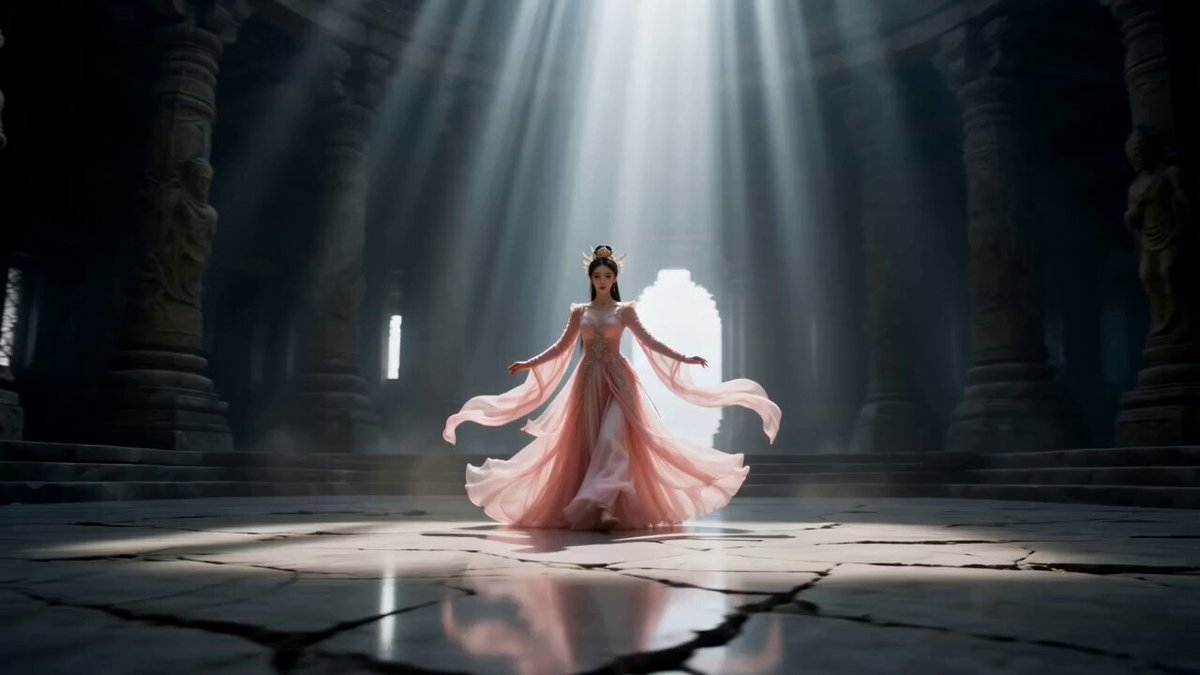

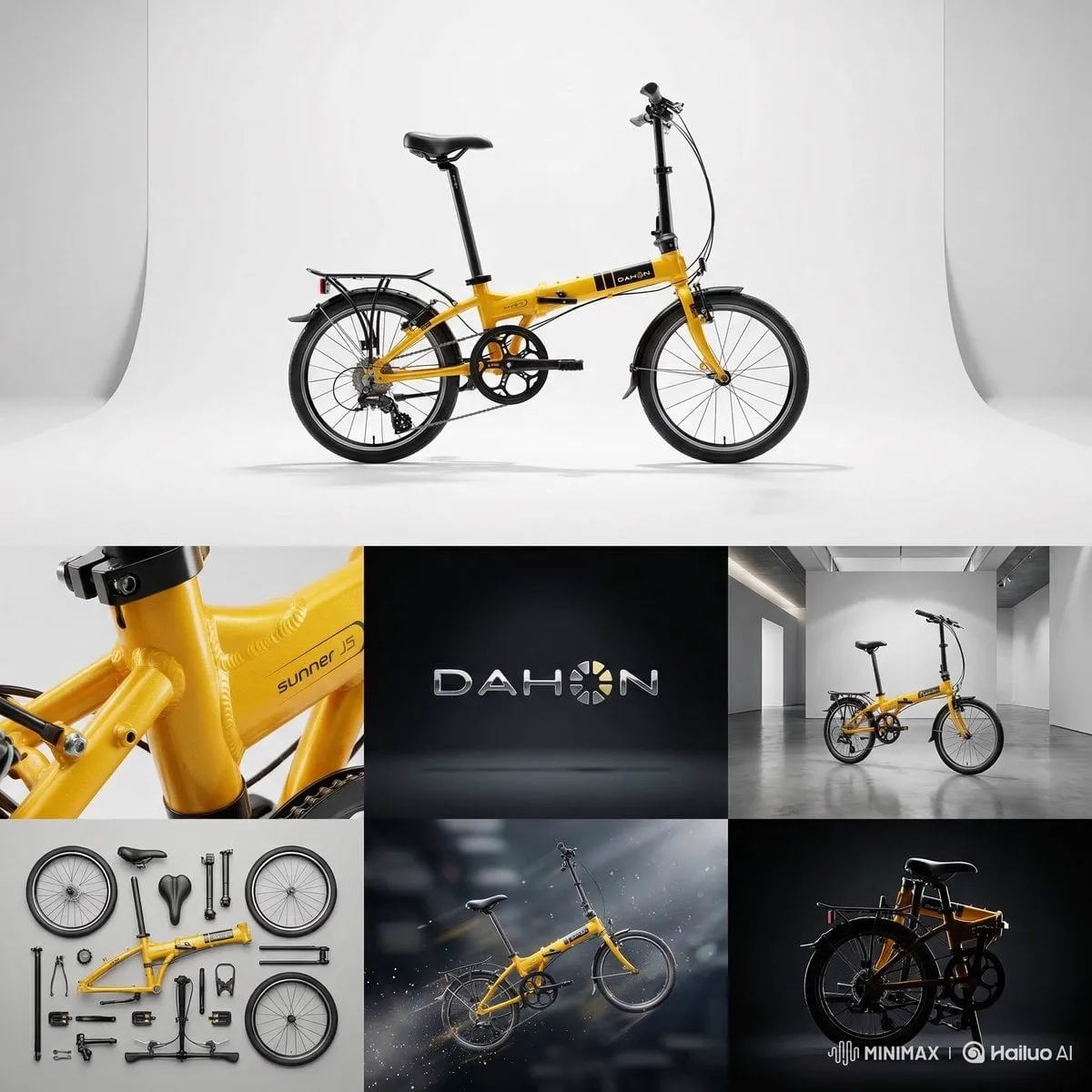
The Hollywood Look Is No Longer Exclusive
In 2025, you don't need a million-dollar budget to achieve cinematic quality. The secrets that once took film school years to learn are now accessible — and when combined with AI video tools, they produce stunning results.
Why Cinematography Matters More Than Ever
With AI lowering the barrier to video creation, the market is flooded with content. What separates the memorable from the forgettable? Cinematic craft. Content with professional color grading and dynamic camera movement sees 30% higher completion rates.
Essential Cinematography Principles
Composition: The Rule of Thirds
Divide your frame into a 3x3 grid. Place key subjects along these lines or at their intersections. It's the simplest trick that instantly elevates any shot. Most AI video generator tools let you specify composition in prompts.
Camera Angles That Tell Stories
- Low angle: Power, dominance, heroism
- High angle: Vulnerability, weakness, overview
- Dutch angle: Unease, tension, disorientation
- Eye level: Neutrality, connection, realism
Specify these in your text-to-video prompts for intentional, not accidental, results.
Lighting: The Mood Maker
- Golden hour: Warm, nostalgic, romantic
- High contrast / noir: Mystery, danger, drama
- Soft diffused: Professional, clean, trustworthy
- Neon / colored: Futuristic, edgy, artistic
Editing Techniques That Transform
Pacing and Rhythm
Fast cuts create energy and urgency. Slow, lingering shots build tension and emotion. Match your edit pace to the feeling you want to evoke.
The J-Cut and L-Cut
These are the invisible edits that make scenes flow. Audio leads the video change (J-cut) or lingers after (L-cut). It's how professionals create seamless narrative transitions.
Color Grading for Cohesion
AI generates clips with varying color temperatures. Image-to-video outputs need grading to look like they belong together. Establish a color palette and apply it consistently.
Building Your Visual Identity
Create a Style Guide
Define your brand's visual language: color palette, preferred angles, lighting style, transition types. Use AI image generator to create reference frames that embody this style.
Consistency Across Projects
Once you find a look that works, stick with it. Audiences recognize visual identity before they read your name. Models like Seedance 2.0 and GPT Image 2 help maintain this consistency at scale.
The AI Director Workflow
- Pre-visualize: Create keyframe images for each scene
- Generate: Use video AI for each scene, guided by composition and lighting specs
- Edit: Apply Hollywood editing principles — pacing, transitions, sound design
- Grade: Unify the look with color correction
- Publish: Export optimized for your target platform
Conclusion
Hollywood quality is in your hands. The tools exist. The techniques are learnable. What separates great creators from good ones isn't budget — it's craft. Master these principles, and your AI-generated content will stand out in any feed.
