
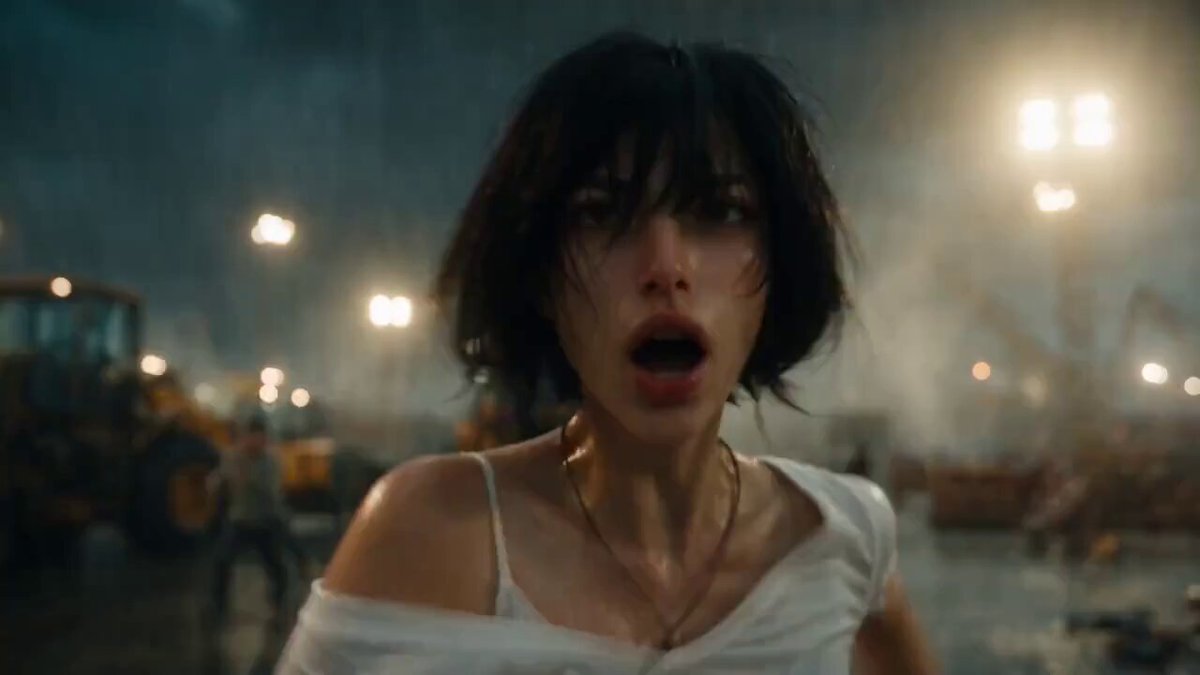
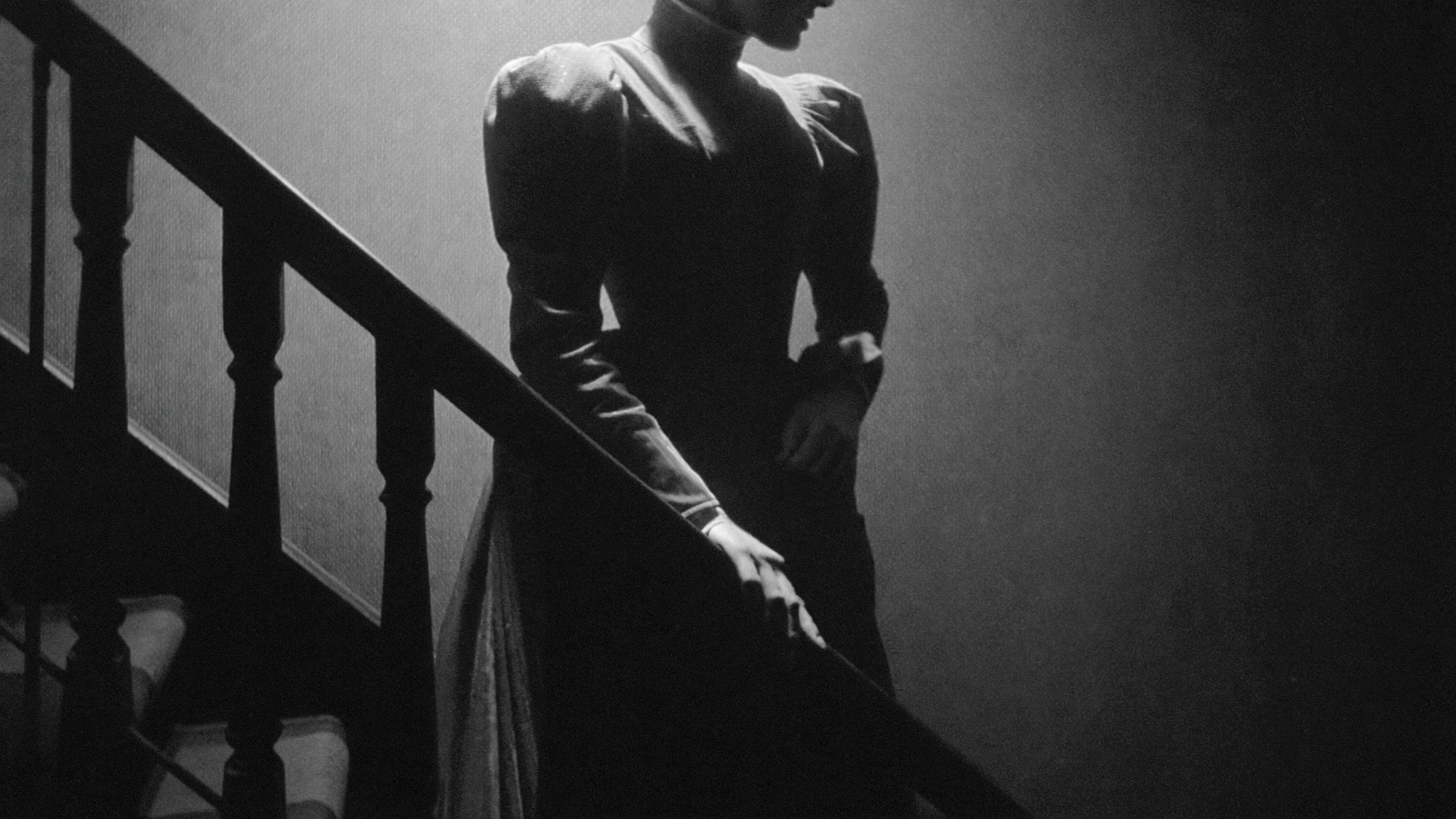

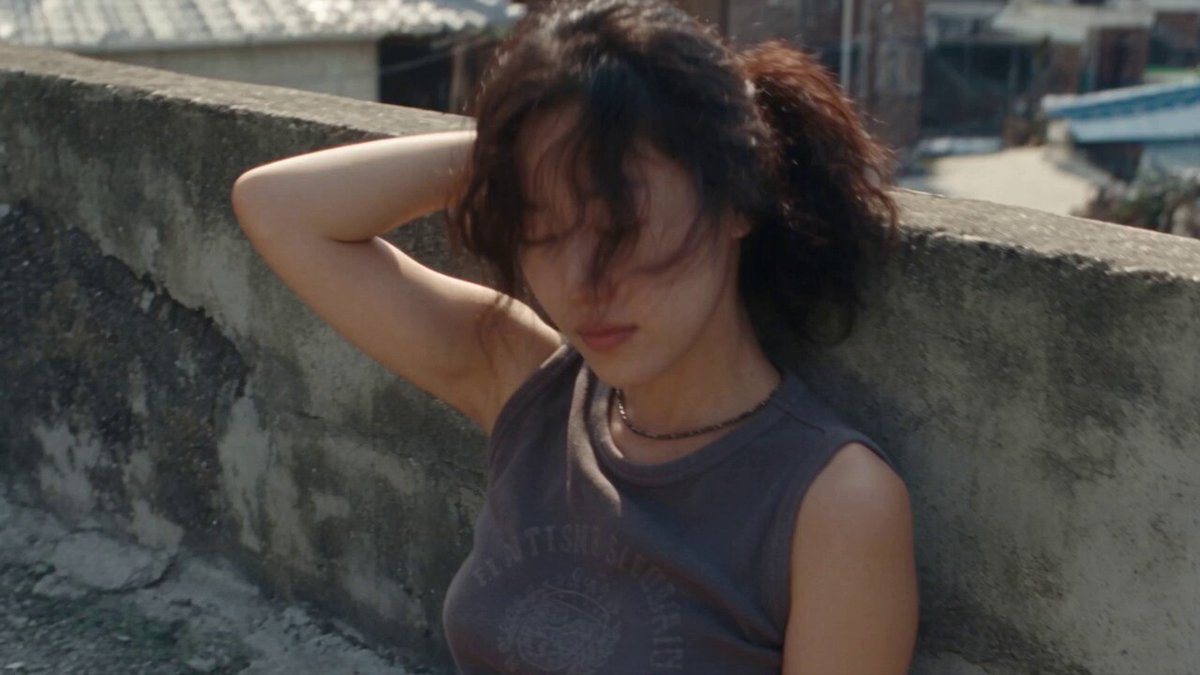
A short film once required a camera, a cast, a location, and a week of favors. Today, a single filmmaker with a laptop can hold an audience for eight minutes without booking a soundstage. Artificial intelligence has shifted from a novelty filter to a working production partner: it generates shots, synthesizes voices, cleans dialogue, and lets you iterate on a story faster than any storyboard artist could sketch it.
But the tools are only half of the equation. Directors who get watchable results treat AI as a department rather than a magic button. They arrive with a locked script, a visual rulebook, and an edit plan, then use generation to execute that plan at speed. This guide walks through a complete, repeatable workflow for making a short film with AI, covering story, character consistency, shot generation, sound, editing, tool selection, and the mistakes that derail promising projects.
What Actually Changes When AI Joins the Crew
The biggest shift is not that shots are cheap. It is that iteration is cheap. A conventional shoot forces commitment: the light is set, the actor is in costume, the location is rented for one day only. AI generation inverts that pressure. You can produce nine versions of the same emotional beat before lunch and choose the one that cuts best. That changes how you plan. You plan for options rather than for a single perfect take.
The second shift is that previsualization and production collapse into one step. A storyboard used to be a sketch that hinted at a shot. A generated clip is the shot, or close enough that you can cut with it. You can watch a rough version of your entire film before you have finished "shooting" it, which means structural problems surface in week one instead of week six.
What does not change is everything that makes a film watchable: rhythm, subtext, performance, and sound. AI is very good at producing attractive images and very bad at knowing which of them belong in your movie. Curation becomes the core creative act. Expect to generate far more material than you use, and expect selection to take as long as generation.
There are also honest limits worth designing around. Long continuous takes with complex camera moves still drift. Precise hand interactions, consistent typography, crowded group scenes, and sustained eye contact between two characters remain fragile. Smart AI filmmakers write around those weaknesses the way low-budget filmmakers once wrote around a missing dolly.
Step 1: Lock the Story Before You Generate Anything
Generation is seductive. The moment you have a tool that produces beautiful footage, the temptation is to start prompting and hope a film emerges. That path usually produces forty gorgeous clips and no story.
Start with three documents: a logline, a beat sheet, and a shot list. The logline is one sentence with a protagonist, a want, an obstacle, and a cost. The beat sheet breaks the film into eight to fourteen emotional turns. The shot list translates each beat into the two to five images that carry it. Nothing in this stage mentions a specific model, resolution, or aspect ratio. You are deciding what the film is about before you decide what it looks like.
Write a logline you can defend
A useful test: if you can describe your short film as an interesting image rather than a change, you do not have a story yet. "A lonely astronaut watches Earth" is an image. "A lonely astronaut must choose between answering a dying Earth's signal and protecting the colony that depends on her" is a story, because somebody has to lose something.
Keep the running time honest. Five to eight minutes is the sweet spot for an AI-assisted short. It is long enough to have an arc and short enough that you can maintain visual and character consistency across every shot.
Turn beats into generation-ready prompts
Once the beat sheet is locked, convert each shot into a structured prompt with five slots: subject, action, environment, camera, and light. For example: "A woman in a wool coat, mid-thirties, walking slowly, wet cobblestone alley at dawn, slow lateral tracking shot, overcast diffused light with a single warm window glow."
Keeping the five slots in the same order every time does two things. It makes your prompts readable to you when you are reviewing fifty of them, and it makes it easy to swap one variable at a time when a shot fails. If a take looks wrong, change the camera slot only, then the light slot only. Random rewrites hide the cause of a bad generation.
Step 2: Build a Visual Rulebook
The most common complaint about AI short films is that they feel like a slideshow of unrelated clips. The fix is a rulebook you consult before every generation: a small set of decisions that never change unless you deliberately break them for effect.
Character bibles
For every named character, produce a reference sheet of six to ten still images from different angles, in different lighting, with different expressions. Generate those images until they are recognizably the same person. Then keep the best three as anchors and reuse them as references in every subsequent shot.
Write down the attributes that must never drift: hair length and texture, eye color, the shape of a jawline, a signature clothing item, a scar, a piece of jewelry. When a generation comes back with a subtly different face, look for which attribute drifted. In practice, characters stay consistent far longer when they wear one distinctive garment across the whole film, so design costumes that survive close scrutiny and wide shots.
The look bible: lens, light, palette, grain
Decide on a lens character, a color palette, and a texture. A film shot on a 35mm-feeling lens with soft halation, one warm key and cool shadows, and a four-color palette will read as a coherent movie even when the individual shots are imperfect. Add a light grain or film emulation pass in the finishing stage to bind everything together.
Write this rulebook as a short block of text you paste into prompts, then trim it so it does not overwhelm the subject. Consistency comes from repeating a few strong choices, not from describing everything at once.
Step 3: Generate Shots That Cut Together
Shot generation is where most of your time goes. Structure it so that you are not generating blind.
Coverage discipline
For each scene, generate a simple coverage pattern: one wide establishing shot, one medium of the protagonist, one close-up on the emotional turn, and one insert detail. That is four shots per scene, and it is enough to cut almost any conversation or journey. Coverage is not about variety for its own sake; it is about giving the edit somewhere to go when a performance or a composition is not landing.
Motion and shot length
AI shots tend to look best when they last two to five seconds and contain one clear motion: a push in, a pull out, a drift, a subject walking. Ambitious multi-move choreography inside a single clip is where artifacts appear. Instead of asking one generation for a complex camera move, break the move into two shots and let the cut do the work. Audiences read a cut as continuous action more readily than they read a morphing image as a camera move.
A selection workflow that saves hours
Generate in small batches, watch everything at double speed, and mark each take as keep, maybe, or no. Do not delete anything until the film is locked. Build a bin structure by scene and shot number, not by generation date. The single most valuable habit here is naming files the way an editor thinks: sc03_sh02_wide_take4. You will thank yourself in the edit.
Step 4: Voice, Music, and Sound Design
Sound is where AI shorts are most often lost. Viewers forgive a slightly soft face far more readily than they forgive lifeless audio.
For dialogue, synthesize scratch voices first and cut the film against them. Only once the timing is locked should you invest in higher-quality voice synthesis or record a human actor performing to picture. An actor delivering lines to a finished edit will always beat a synthetic read, and AI makes that hybrid approach cheap because the edit already exists.
Music should follow, not lead. Choose or generate a track after the cut, and treat it as a structural tool: let the score change when the story changes. A single loop under five minutes of footage flattens the whole film.
Then build the sound effects layer, which is the most underrated part of AI filmmaking. Room tone under every scene. Footsteps that match the surface. Cloth movement. A door, a car passing, a distant siren. These small elements do more to make generated footage feel photographed than any upscaling pass. If you only have time for one extra polish step, make it foley and ambience, not resolution.
Step 5: Edit, Color, and Finish
Edit for rhythm before you edit for beauty. Lay your selected takes on the timeline, cut to scratch dialogue, and watch the whole thing without music. If the story does not hold attention in this naked state, no amount of grading will save it.
Once the picture is locked, apply one color treatment across every clip. AI footage arrives from different generations with slightly different contrast, white balance, and sharpness. A consistent grade plus a subtle grain or halation layer is what makes a collection of clips feel like one film.
Finish with audio: dialogue leveling, a gentle compression pass, a limiter, and a loudness target consistent with where you plan to publish. Finally, export at the highest quality your platform accepts and test the file on a phone before you call it done. Most of your audience will watch on a small screen with mediocre speakers, and that is the version that matters.
Choosing the Right Tool for Each Job
You do not need one platform that does everything. You need a chain where each link is strong.
| Job | What to look for | Typical options |
|---|---|---|
| Story development | Fast iteration on beats and dialogue | General writing assistants |
| Concept stills | Strong style control, image references | Midjourney, Stable Diffusion, ComfyUI |
| Shot generation | Good motion coherence, image-to-video input | Runway, Kling, Luma, Pika, Sora |
| Character consistency | Reference or fusion features, seeded identity | Any generator with image conditioning |
| Voice | Emotional range, pacing control, clean exports | ElevenLabs, Descript, recorded talent |
| Music | Stem separation, tempo matching | Suno, Udio, licensed libraries |
| Editing and finishing | Timeline precision, color and audio tools | DaVinci Resolve, Premiere Pro, CapCut |
| Cleanup | Upscaling, deflicker, artifact repair | Topaz, dedicated restoration tools |
Pick two generators maximum for a single film. Every additional model adds a new visual dialect you must then reconcile in the grade.
Seven Mistakes That Sink AI Short Films
- Generating before writing. Beautiful footage with no story is the most common failure, and the most expensive to fix.
- Changing style mid-project. New model, new palette, new prompt template halfway through guarantees an incoherent film.
- Long shots. Three-second shots cut together read as cinema. Twelve-second drifting shots read as a demo reel.
- Too many characters. Every additional speaking character multiplies your consistency workload. One or two leads is plenty for a short.
- Ignoring sound. Silence and stock loops make even strong visuals feel unfinished.
- Skipping the scratch edit. Cutting in your head instead of on a timeline hides structural problems until it is too late.
- Perfectionism on single shots. A shot that is 85 percent right and cuts well beats a shot that is 100 percent right and does not.
A Realistic Two-Week Schedule
| Days | Focus | Output |
|---|---|---|
| 1-2 | Story, logline, beat sheet | Locked script and shot list |
| 3 | Character and look bibles | Reference images, prompt template |
| 4-7 | Shot generation | All scenes generated, selects marked |
| 8 | Scratch voice and assembly | Rough cut with temp audio |
| 9-10 | Reshoots and pickups | Fixed weak shots, tighter cut |
| 11-12 | Sound design and music | Full audio pass |
| 13 | Color and grain | Consistent grade |
| 14 | Mix, export, publish | Final master |
That schedule assumes part-time work. Compress it if you are full-time, but do not compress the writing days. They are the cheapest days and the ones that determine whether the film is worth finishing.
FAQ
How long should an AI short film be?
Five to eight minutes is the practical sweet spot. Shorter gives you little room for an arc; longer multiplies consistency problems across every shot. If your idea needs twenty minutes, consider making the first eight and treating it as a proof of concept.
Do I need to tell viewers that AI was used?
Many festivals and platforms require disclosure, and audiences generally respond better to transparency than to guessing games. A simple line in the description is usually enough. Check the submission rules of any festival you enter, because policies vary widely.
Can I make a short film entirely with free tools?
Yes, with patience. Free tiers of image generators, open-source video models, and capable free editors like DaVinci Resolve can carry a whole project. The constraint is time, not capability, so reduce scope: one location, two characters, four minutes.
How do I keep a character's face consistent between shots?
Build a reference sheet, reuse the strongest three images as conditioning inputs, lock a distinctive costume element, and avoid extreme angle changes within a single scene. Consistency is a system, not a prompt.
What is the hardest part of AI filmmaking?
Sound design and curation. Generation is the visible part, but selecting the right takes and building a believable audio bed is what separates a watchable short from a collection of clips.
Should I use AI for dialogue or record real actors?
Use synthesized voices for scratch tracks while you edit, then decide. Real performances recorded to a locked cut usually win on emotion, while synthetic voices win on flexibility and cost. Many strong shorts combine both.
