
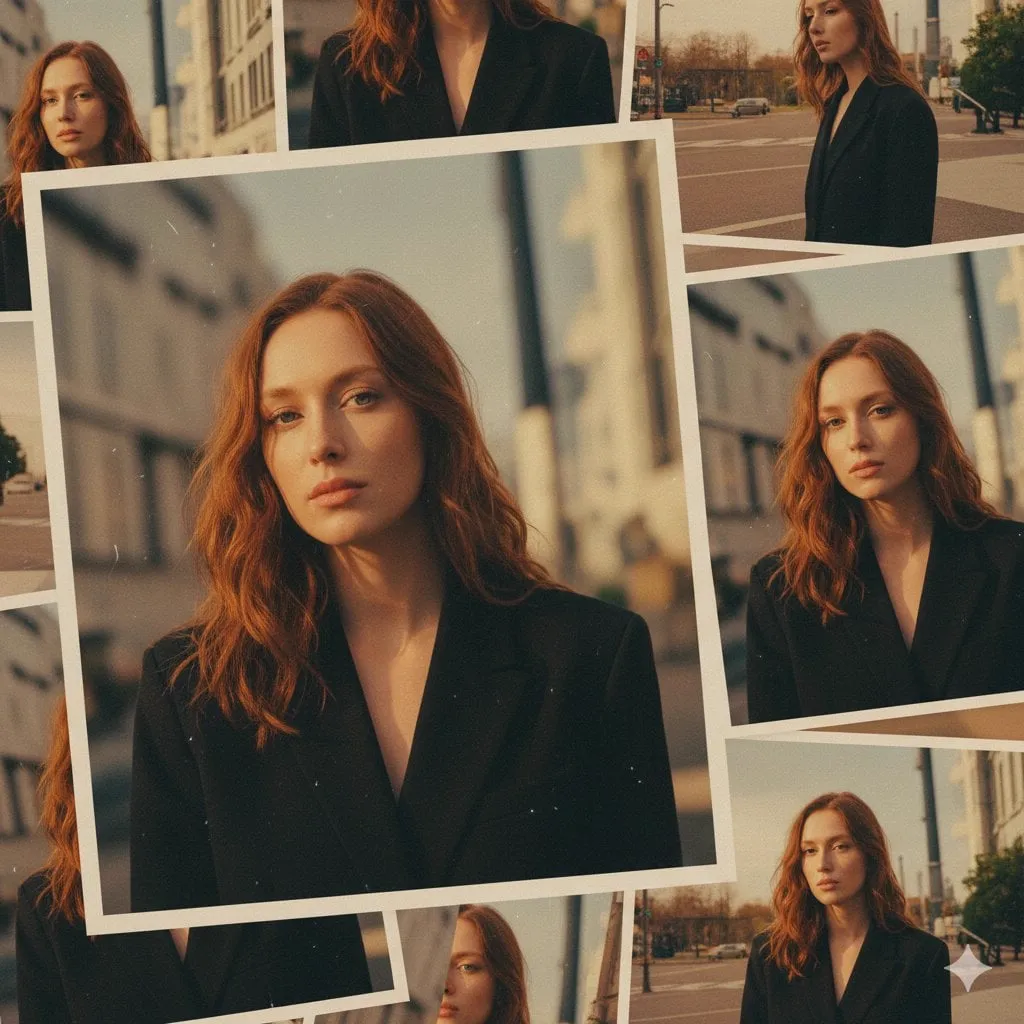
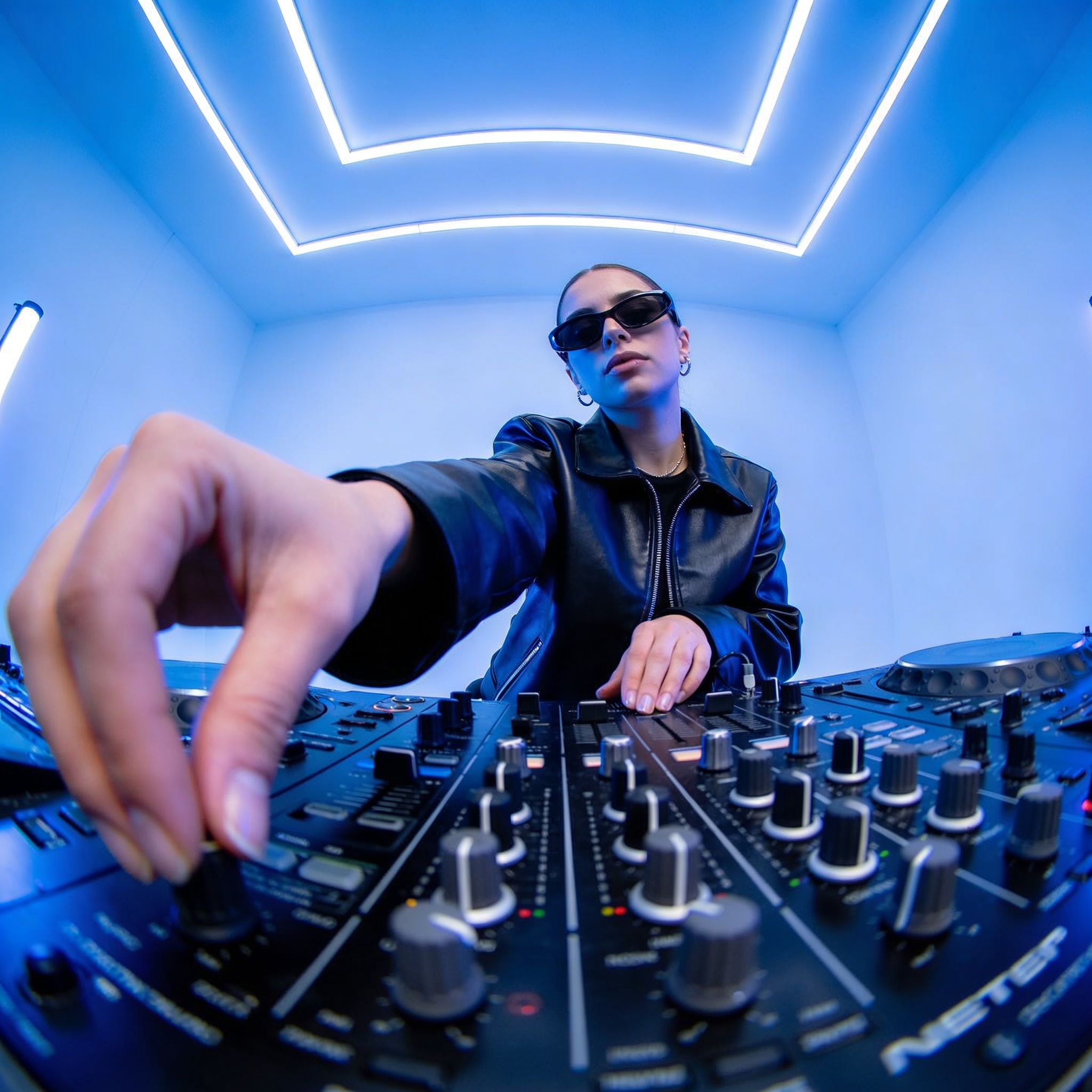
Still images are the cheapest and most controllable asset in any production. You can light them precisely, retouch them endlessly, and reshoot them for almost nothing. Video is the opposite: time-bound, expensive, and unforgiving. Image-to-video AI sits between those two worlds, taking a frame you already trust and asking a model to imagine what happened next.
The results can look genuinely cinematic. On real projects, though, the outcome is governed less by which model you pick and more by what you do before pressing generate: how the source image was prepared, how motion was described, how shots were sequenced, and how honest you were about what a model cannot know.
This guide is a practical, tool-agnostic walkthrough. It explains what happens under the hood, compares the three broad ways to animate a still, shows how to prepare images and prompts that behave, and gives fixes for the artifacts you will inevitably see.
What Actually Happens When an AI Animates a Photo
An image-to-video model is not a puppet rig. It does not know where the arms are, which way the wind blows, or that a person standing near a window is probably breathing. What it has learned is a statistical relationship between pixels and how they tend to change over a fraction of a second. Give it a frame and it hallucinates a plausible future for every pixel, then stitches those futures into a short clip.
That framing explains both the strengths and the failures. Anything the model has seen thousands of times — hair moving, water rippling, fabric folding, clouds drifting, crowds shifting — it reproduces convincingly. Anything specific, unusual, or physically constrained it approximates, and approximation is where artifacts come from.
The Three Layers a Model Has to Invent
Every clip is really three predictions stacked on top of each other. Appearance is what stays the same: faces, logos, textures, the color of a jacket. Motion is what changes between frames. Camera is the implied movement of the viewpoint itself — a push in, a tilt up, a slow orbit. When a clip looks wrong, it usually fails in exactly one of those layers, and naming the layer is the first step toward fixing it.
What the Model Can Infer, and What It Cannot
Models infer remarkably well from context: a hand near a cup implies a grip, a beach implies wind, a street implies traffic in the background. They cannot infer what is not visible. Off-screen space, occluded detail, the back of a subject's head, the interior of a closed box — all guesses. That is why a tightly composed portrait animates far more reliably than a busy wide shot with twenty small figures. Ambiguity in the source propagates into motion: if a shadow could be a shadow or a crease, the model may animate it as a moving object, then commit to that interpretation for the whole clip. Clean, unambiguous first frames are the single highest-leverage investment you can make.
Choosing Your Approach: Slideshow, Parallax, or Generative Motion
Not every project needs generative AI. Using it where a simpler method would do wastes time and creates risk. There are three levels of ambition with very different cost, control, and realism profiles.
| Approach | Effort | Realism | Control | Typical use |
|---|---|---|---|---|
| Motion slideshow | Low | Medium | Very high | Galleries, listings, documentaries |
| 2.5D parallax | Medium | Medium-high | High | Portraits, archival stills, maps |
| Generative image-to-video | Medium-high | High | Medium | Trailers, social clips, concept films |
Motion Slideshow
A slow push, a pan, an eased zoom, plus grain and sound design. Cheap, predictable, and completely faithful to the original image. Ideal for real estate, product photography, and photo essays. The limitation is obvious: nothing inside the frame comes alive, so anything that should feel inhabited will feel flat.
2.5D Parallax
A depth estimate builds a height map, then layers are displaced at different rates. Selected subjects can move slightly — a head turns, a background drifts. Faces stay identical because the pixels are the original ones. Watch occlusion boundaries, where stretched edges create the classic halo around hair.
Generative Image-to-Video
The model invents pixels. Best realism, worst predictability. Reserve it for shots where motion inside the frame is the point: a curtain billowing, a shaft of light shifting, a character turning. Generate more takes than you think you need.
Preparing Source Images
Resolution, Aspect Ratio, and Crop Safety
Aim for a short side of at least 1024 pixels; text and fine detail need more. Upscaling helps but cannot invent detail that was never there. Choose the aspect ratio before generating, because reframing later usually means regenerating. For vertical formats, compose vertically — a center crop of a wide image often decapitates the composition.
Lighting, Noise, and Subject Separation
Models use gradients to infer depth, so flat, evenly lit images produce flat motion. Directional light and clear foreground-background separation give the model something to work with. Avoid heavy noise and strong compression; grain gets amplified across frames and becomes shimmering texture. Denoise gently, but never into waxy smoothness, because a waxy image animates like wax. If you can supply a rough mask for the subject, do it — even a loose mask stops the model from animating background elements that should stay still.
Writing Motion Prompts That Behave
The prompt is not a wish list; it is a distribution. The clearer the description, the narrower the model's search.
Describe Movement, Not Mood
Mood words like cinematic or beautiful are weak signal. Motion verbs are strong signal. Compare: a beautiful cinematic portrait of a woman, emotional, film-like. Versus: a woman turns her head slowly to the left, hair shifting, subtle breath, background traffic blurring past. The second prompt tells the model which pixels move and in which direction.
Camera Language Models Actually Parse
Most models respond to a small vocabulary of moves: push in, pull out, pan left or right, tilt up or down, orbit around the subject, handheld drift. Combine one camera move with one subject move and resist adding a third; two simultaneous camera moves usually produce a confused, unsteady result. Where lens controls exist, longer focal lengths read as intimacy and compression, wide angles as instability and space.
Stability Cues and Negative Prompts
Phrases like locked-off, static background, maintain identity, and keep composition restrain drift. Negative prompts work best when aimed at one recurring failure: warping, extra limbs, jitter, morphing faces, distorted text. Keep the list short — a long list of negatives dilutes every entry.
Building a Coherent Sequence From Single Stills
One good clip is not a film. Sequences are where these projects succeed or fall apart.
Locking Character and Style
Consistency comes from repetition, not luck. Reuse prompt skeletons across shots, keep the same base image lineage, and fix the seed if the tool exposes one. Grade every clip through the same look pipeline so the eye reads them as one world. When a character appears twice, generating both shots from the same base portrait is the most reliable trick available.
Match Cuts, Eyeline, and Shot Size
Vary shot size deliberately: a wide still to establish, a medium for context, a close-up for emotion. Cut on movement rather than stillness, because motion hides imperfection at the cut. Preserve eyeline direction; if a subject looks right in one clip, they should not look left in the next without a reason.
Audio-First Pacing
Build a scratch soundtrack before generating video. Dialogue length, music beats, and effects dictate how long each shot must be. Otherwise you end up with beautiful clips that are unusable because a four-second shot cannot carry a six-second line. When a clip must be longer, extend from the last frame or loop a stabilized middle segment instead of slowing the whole thing down.
A Practical End-to-End Workflow
Storyboard on Paper
Sketch six to twelve shots with one line describing what moves in each, plus a duration. This is the cheapest place to solve story problems.
Prepare the Stills
Set aspect ratio, clean noise and compression, add masks, and normalize contrast across all images so they feel like one film. Name files by shot number.
Run a Cheap First Pass
Generate short, low-resolution tests for every shot to validate composition and motion direction. Expect to discard half of them.
Select, Refine, Extend
Pick the best take, then adjust the prompt or source image for the specific flaw. Extend clips only after the base motion reads correctly, and always extend from a clean final frame.
Edit, Grade, and Mix
Cut in an editor, apply one grade, add grain at the timeline level, and mix sound so motion and audio land together. Trim the first and last half-second of every clip, where models are least reliable.
Tool Categories and How to Choose Between Them
Fast Social Clip Generators
Hosted tools such as Pika and Luma Dream Machine optimize for quick, stylized vertical clips: short duration, strong aesthetics, simple controls. Choose them for volume and speed rather than precision.
Cinematic Camera-Control Models
Platforms like Runway, Kling, PixVerse, and Veo-class models offer camera controls, longer durations, and stronger temporal consistency. They suit narrative shots where lens behavior matters.
Local and Self-Hosted Pipelines
Node-based and self-hosted setups running open models such as Wan or LTX, combined with depth and pose conditioning, give maximum control and predictable cost at the price of setup time and hardware.
Selection Criteria
Ask five questions: how long can a single clip be, how well does it hold identity, what conditioning inputs does it accept, how fast is iteration, and what rights come with the output? Those answers matter more than any leaderboard.
Common Problems and How to Fix Them
Melting Faces and Hands
Usually caused by small subject size, occlusion, or low resolution. Crop closer, raise resolution, simplify the described head movement, and remove fast motion from the prompt.
Flicker, Texture Boil, and Shimmer
Caused by grain, noise, and high-frequency detail like foliage, crowds, or fine patterns. Denoise the source, simplify the background, or add a slight blur. Grain applied after generation looks intentional; grain baked into the source looks like damage.
Motion That Ignores the Prompt
Often the prompt is too abstract or contradicts the frame. Restate movement in concrete verbs, reduce camera moves to one, and confirm the composition allows the movement you asked for. You cannot push in on a frame that is already a close-up.
Plastic Over-Smoothing
The result of aggressive upscaling or stacked enhancement passes. Keep texture in the source and limit yourself to a single enhancement step.
Rights, Ethics, and Client Expectations
Generated motion inherits the rights questions of its source. If the photograph is yours, say so. If it came from a client, an archive, or a stock library, check whether derivative motion work is permitted and whether synthetic movement needs to be disclosed. Real people depicted in generated motion deserve care: for commercial work, written consent covering synthetic animation avoids a difficult conversation later. Set expectations early, too. Clients who understand that a clip is a selection of takes rather than a deterministic render are far easier to work with.
FAQ
Do I need a powerful computer?
Not for hosted tools. A mid-range laptop and a good connection cover most work. Local pipelines change the calculus and generally want a recent GPU with plenty of video memory.
How long should a clip be?
Start at three to five seconds. Shorter clips are more stable and easier to cut. Extend only when the base motion reads correctly.
Is image-to-video better than text-to-video?
For anything with a specific look, yes. A source image locks composition, subject, and style before generation begins — exactly the control text alone cannot provide.
Can I use generated clips commercially?
That depends on the tool's terms and on the rights attached to the source image. Verify both before delivery.
Why do I get different results from the same image?
Generation is stochastic. Fixing a seed narrows variation but never removes it, which is why generating several takes is standard practice.
What makes a good source image?
A clear subject, unambiguous depth, directional light, clean edges, and enough resolution. Ambiguity is the enemy of motion.
The tools will keep improving. The craft underneath — clean sources, specific prompts, deliberate sequencing, honest expectations — will keep deciding whether the output looks like a film or like a filter. Start with one shot, one movement, and one clean image, and build from there.
