
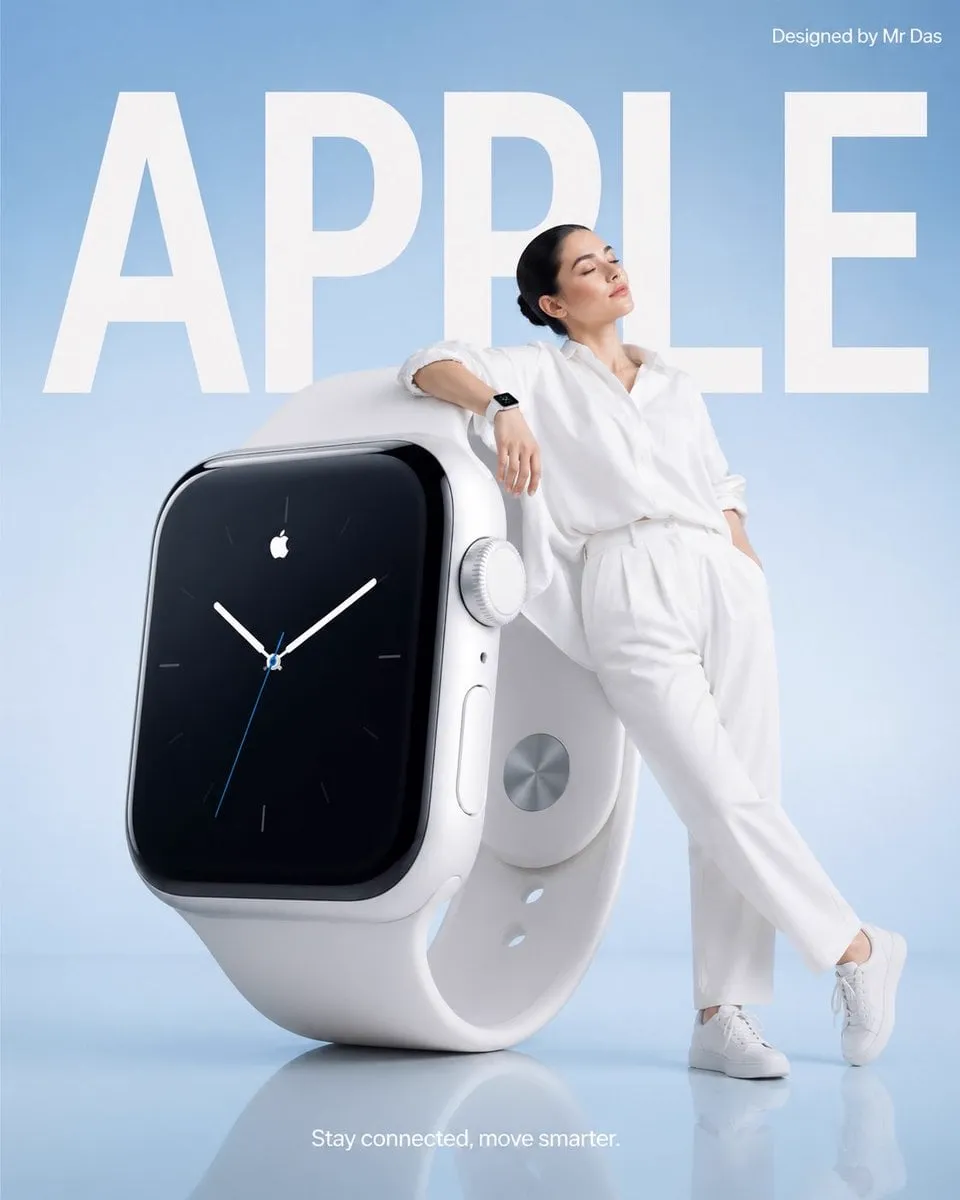
One image, endless possibilities
A single photograph holds a frozen moment. But what happened just before it? What happens right after? AI image-to-video technology answers those questions by breathing motion into static images, turning a snapshot into a story.
This isn't just a cool tech trick. It's a fundamentally new way to create video content. No camera, no actors, no set – just an image and your imagination.
How image-to-video AI works
The AI analyzes your image and understands its contents: faces, objects, backgrounds, lighting conditions. Then, based on your motion instructions, it predicts how these elements would move and generates the in-between frames.
The result is a seamless video clip that starts from your image and moves exactly as you described.
The 5-step image-to-video workflow
Step 1: Source your image
Start with a high-quality image. It can be:
- A photo you took
- An AI-generated image from Domer AI Image Generator
- A concept art piece
- A stock photo you've licensed
The higher the resolution and cleaner the composition, the better the video output.
Step 2: Plan your motion
Decide what movement tells your story best:
- Slow zoom in: Builds tension, focuses attention
- Gentle pan: Reveals context, creates atmosphere
- Subject movement: The person/object in the image moves naturally
- Environmental motion: Leaves rustling, water flowing, clouds drifting
Step 3: Generate the video
Use Domer AI Video Generator to transform your image. Upload the image and describe the motion you want. The AI handles the rest.
Step 4: Chain multiple images
A short film needs more than one shot. Generate multiple images in a consistent style with Domer, then convert each to a video clip. Use Domer text-to-video for transition scenes between your main shots.
Step 5: Polish and publish
Assemble your clips, add music and sound effects, and you have a short film. For maximum quality on key scenes, render with Seedance 2.0.
Creative prompts for motion
For portraits: "Subject slowly turns head toward camera, gentle blink, soft breeze moving hair"
For landscapes: "Time-lapse of clouds moving across sky, gentle ripples on water surface, warm golden hour light shifting to dusk"
For city scenes: "Traffic lights changing, subtle movement of distant pedestrians, neon signs flickering gently"
Pro tips
- Keep clips short: 3-7 seconds per image works best for most projects
- Maintain visual consistency: Use the same style prompt for all images in a film
- Match motion to music: Choose music first, then design movements to match the rhythm
- Don't over-animate: Sometimes a barely-perceptible motion is more powerful than dramatic movement
Conclusion
Image-to-video AI is your pocket cinematographer. It removes the biggest barriers to video creation – equipment, location, and budget – leaving only your creative vision. Start with one great image today and see where it takes you.
